


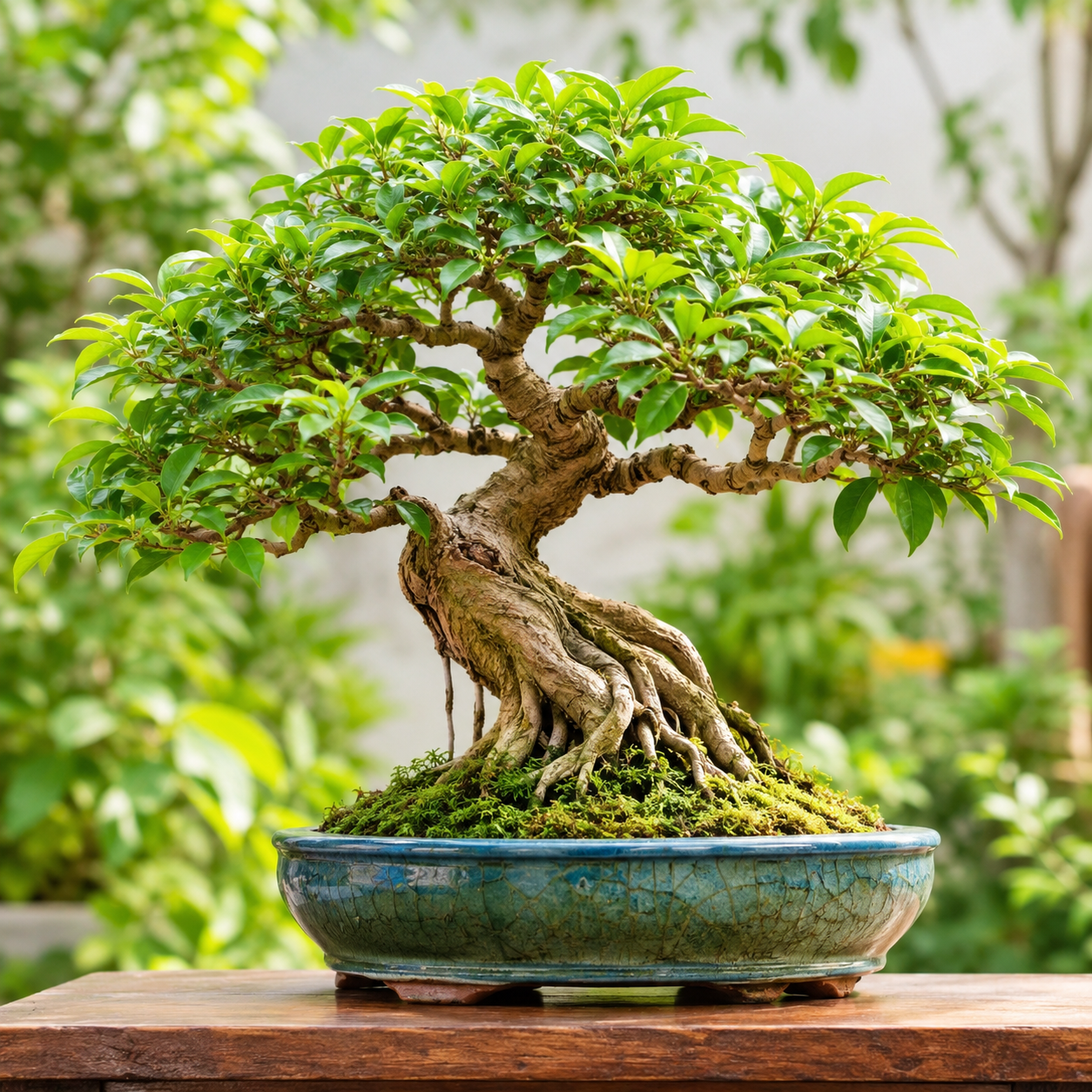
Chinese Banyan Bonsai: 20 Dos and Don’ts for Healthy Growth

Table of Contents
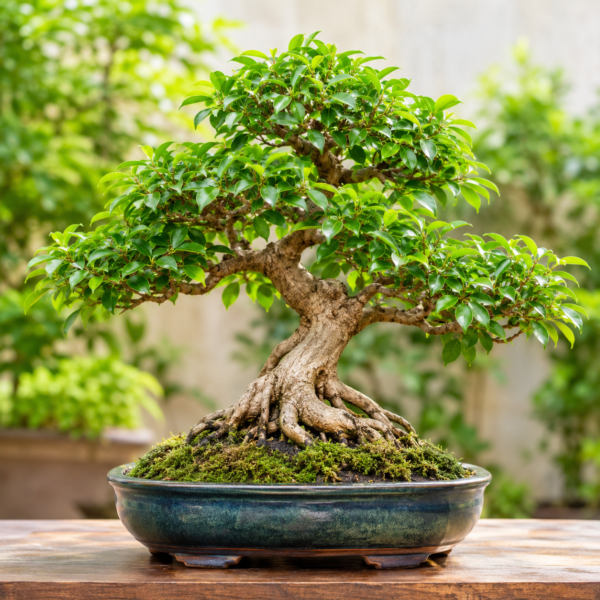
Light and Placement for Your Chinese Banyan Bonsai
1. DO give it plenty of bright light.
Chinese banyans thrive in bright, filtered light. Outdoors in warm weather, give them morning sun and light afternoon shade. Indoors, choose your brightest window, ideally south or west facing.
2. DON’T leave it in a dim corner.
Low light leads to leggy, weak growth, small pale leaves, and gradual leaf drop. If your home is dark, add a full-spectrum grow light for 10 to 12 hours a day.
3. DO keep it warm.
Aim for temperatures between 15°C and 30°C (60°F to 85°F). Move it indoors before nighttime temperatures fall below about 10°C (50°F).
4. DON’T place it near drafts, heaters, or AC vents.
Sudden temperature swings and blasts of dry air are the top causes of unexplained leaf drop. Keep it away from doors, radiators, and air conditioners.
Watering and Humidity
5. DO water thoroughly when the top layer of soil starts to dry.
Check by touching the soil about 1 cm deep. When it feels barely damp, water until it drains freely from the bottom holes. Then let the excess drain away completely.
6. DON’T water on a fixed schedule.
“Every Tuesday” ignores season, pot size, and weather. Let the soil tell you when to water, not the calendar.
7. DON’T leave it in standing water.
Soggy roots rot quickly. Always empty drip trays, and never let the pot stand in a saucer of water.
8. DO raise humidity.
These trees prefer humid air. Mist the foliage occasionally, or place the pot on a humidity tray (a shallow tray filled with pebbles and water, with the pot sitting above the water line). Humidity also promotes the aerial roots that make banyans so unique.
Soil, Feeding, and Repotting
9. DO use a fast-draining bonsai mix.
A blend of akadama, pumice, and lava rock, or a good commercial bonsai soil, holds moisture while letting air reach the roots. Dense garden soil stays wet too long and suffocates the roots. Pair the soil with a pot that has good drainage holes; this complete guide to bonsai pots explains how to choose the right size, shape, and material.
10. During the growing season, DO feed frequently.
From spring through early autumn, apply a balanced bonsai fertilizer every two to four weeks, or use slow-release organic pellets. Banyans grow quickly and use up nutrients fast.
11. DON’T over-fertilize, especially in winter.
Cut back to once every six to eight weeks, or stop entirely, when growth slows in cooler months. Excess fertilizer burns roots and builds up salts in the soil.
12. DO repot every two years, in spring or early summer.
Young trees may need repotting annually. Trim away about one-third of the root mass, then replant in fresh soil. Water well afterward and keep the tree out of harsh sun for a couple of weeks.
13. DON’T repot in autumn or winter.
A tree recovering from root work needs warmth and active growth to rebound. Cold-season repotting often leads to stress and dieback.
Pruning and Shaping
14. DO prune regularly to maintain shape.
Let new shoots grow four to six leaves, then trim back to two. This builds fine branching and compact foliage. Pruning is easiest and safest in the warm growing season.
15. DON’T be afraid of heavy pruning, but don’t strip the tree bare.
Chinese banyans bounce back well, but remove no more than about a third of the foliage at once. Leave enough leaves for the tree to keep photosynthesizing.
16. DO seal larger cuts.
Apply cut paste to branches thicker than a pencil. It protects against infection and helps the wound heal cleanly. Wear gloves, since the milky sap can irritate skin.
17. DO wire carefully, and check often.
Banyan branches thicken fast, so wire can bite into the bark within weeks. Inspect every couple of weeks and remove it before it scars the branch. Shaping with clip-and-grow pruning often works better than heavy wiring.
Pests, Problems, and General Care
18. DO inspect for pests regularly.
Look under leaves for spider mites, scale, mealybugs, and aphids. Catch them early and treat with insecticidal soap or neem oil. A weekly look is usually enough.
19. DON’T move it constantly.
Banyans dislike change. Once you find a spot where it grows well, leave it there. Some leaf drop after a move is normal, but frequent relocation keeps the tree in a permanent state of stress.
20. DON’T panic over a few yellow or falling leaves.
Occasional leaf drop is normal, especially during seasonal transitions. Check light, watering, and drafts first before assuming something serious. A healthy banyan regrows foliage quickly once conditions improve.
Final Thoughts on Chinese Banyan Bonsai Care
A Chinese banyan bonsai rewards steady, observant care more than elaborate technique. Give it bright light, water it only when it needs it, keep it warm and humid, and prune with confidence. Do that and you’ll have a tree that thickens and develops character year after year.
If you’re new to bonsai, the Chinese banyan bonsai is an excellent first species. Start with the basics above, keep notes on what works in your home, and enjoy watching your tiny banyan age gracefully. For care rules that apply to almost any miniature tree, see these 20 bonsai tree dos and don’ts.
Once your banyan is thriving, you may want to try a second species. The azalea bonsai beginner’s guide covers a flowering option, the maple tree bonsai steps are a good fit if you enjoy seasonal color, and the Chinese elm profile on Bonsai Empire is worth a look for another hardy, beginner-friendly tree.
Chinese Banyan Bonsai FAQs
1. Is a Chinese banyan bonsai good for beginners?
Yes. It tolerates indoor conditions, bounces back from pruning mistakes, and grows quickly enough that you can see the results of your care. That makes it one of the best first bonsai species.
2. Can a Chinese banyan bonsai live indoors?
Yes. Place it in your brightest window, ideally south or west facing, and add a grow light if your home is dim. Keep it away from drafts, heaters, and AC vents.
3. How often should I water my Chinese banyan bonsai?
There is no fixed schedule. Water thoroughly when the top 1 cm of soil feels barely damp, until water drains from the bottom holes. In warm weather that may be every day or two, and in cooler months much less often.
4. Why are the leaves on my Chinese banyan bonsai turning yellow and dropping?
The usual causes are a recent move, low light, drafts, or watering problems (too much or too little). Check those first. A few fallen leaves are normal, and a healthy tree regrows foliage quickly once conditions are right.
5. How do I grow aerial roots on a Chinese banyan bonsai?
Keep humidity high by misting or using a humidity tray, and keep the tree warm and well fed during the growing season. Aerial roots form more readily in humid, warm conditions.
6. How often should I repot a Chinese banyan bonsai?
Every two years is typical, and young trees may need it every year. Repot in spring or early summer, trimming about one-third of the root mass and using fresh, fast-draining bonsai soil.
7. What is the best soil for a Chinese banyan bonsai?
A fast-draining bonsai mix such as akadama, pumice, and lava rock, or a good commercial bonsai soil. It holds enough moisture while letting air reach the roots. Avoid dense garden soil.
8. How often should I fertilize a Chinese banyan bonsai?
From spring through early autumn, feed every two to four weeks with a balanced bonsai fertilizer, or use slow-release organic pellets. In cooler months, reduce feeding to once every six to eight weeks or stop completely.
9. How much can I prune a Chinese banyan bonsai at once?
Remove no more than about one-third of the foliage at a time. Let new shoots grow four to six leaves, then trim back to two, and do your pruning during the warm growing season.
10. Is a Chinese banyan bonsai safe for pets?
Not entirely. The milky sap can irritate skin and is mildly toxic to cats and dogs, so keep the tree out of pets’ reach and wear gloves when pruning.
Related Reading
Safety note: Ficus sap can irritate skin and is mildly toxic to cats and dogs, so keep your bonsai out of pets’ reach.