
Feel free to share!
Table of Contents 👈 Tap Here
Every orchid lover knows how heartbreaking it is to see dark, spreading spots on once-beautiful leaves. Bacterial leaf spot is a common but treatable disease that affects many orchid varieties, including Phalaenopsis and Dendrobium. Understanding how to treat Orchid Bacterial Leaf Spot is essential for saving your plants before the damage becomes irreversible and affects overall growth.
With the right care, timely treatment, and a little patience, you can restore your orchids to full health. In this guide, you’ll learn 20 proven tips used by professional growers and hobbyists alike. These steps combine expert horticultural advice with simple, practical experience for managing and preventing bacterial leaf spot naturally and effectively.
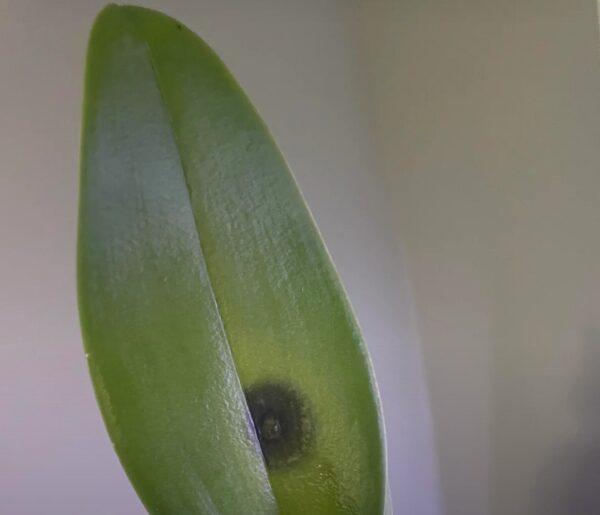
Understanding Orchid Bacterial Leaf Spot
Orchid Bacterial Leaf Spot is caused mainly by Pseudomonas and Erwinia bacteria, which thrive in warm, humid conditions. The disease begins as small, soft, watery spots on the leaves that quickly turn brown or black. If left untreated, they spread rapidly, releasing a foul odor as tissues decay, leading to severe damage or even death of the plant.
Unlike fungal diseases, bacterial infections move much faster and require immediate attention. Quick action combined with preventive hygiene can save your orchid. Proper understanding of symptoms and causes helps orchid owners identify issues early and apply the most effective treatment before it becomes a widespread problem in their collection.
Causes of Bacterial Leaf Spot in Orchids
Bacterial leaf spot usually develops in conditions of high humidity and poor ventilation. When air circulation is low, moisture lingers on orchid leaves, giving bacteria the perfect environment to multiply. Using unsterilized tools, dirty pots, or contaminated water can also introduce harmful bacteria. Additionally, sudden temperature drops or overwatering add stress, making orchids more vulnerable.
Improper care habits like misting late in the day, watering overhead, or keeping orchids too close together also worsen bacterial spread. By understanding these causes, growers can modify their environment and watering habits to keep plants safe from future outbreaks and bacterial growth.
Identifying Early Signs
Spotting the disease early makes a big difference in saving your orchid. The first symptoms are translucent, water-soaked spots that soon darken and expand. You may notice a yellow halo around affected areas or soft, mushy leaf patches that emit a bad smell. These signs indicate active bacterial infection that needs immediate action before it spreads to other leaves.
Always examine your orchids during watering or feeding sessions. Early detection allows you to prune the infected areas before bacteria reach the stem or crown. The faster you respond, the better your orchid’s chances of full recovery and long-term health.
20 Proven Tips to Treat Orchid Bacterial Leaf Spot
Immediate Treatment (Emergency Fixes)
1. Isolate the infected orchid immediately to stop bacteria from spreading to healthy plants nearby. Place it in a dry, well-lit area with gentle airflow.
2. Trim affected leaves using sterilized scissors or blades. Make cuts slightly below the infected area and discard the leaves safely.
3. Disinfect tools after every cut by dipping them in rubbing alcohol or flaming the blades to kill any residual bacteria.
4. Apply cinnamon powder to all cut surfaces. Cinnamon acts as a natural disinfectant and helps seal open wounds, preventing reinfection.
5. Wipe leaves with hydrogen peroxide (3%) using a clean cotton pad. This removes surface bacteria and helps disinfect the remaining tissue gently.
B. Natural and Chemical Treatments
6. Use copper-based bactericides sparingly, as they are strong and should be applied only to mature, healthy leaves. Copper helps destroy bacteria but may harm tender tissue if overused.
7. Try neem oil spray for an organic alternative that not only fights bacteria but also adds a protective shine to the leaves. Mix 1 teaspoon of neem oil per liter of water and spray lightly.
8. Disinfect with Physan 20 or similar orchid-safe cleaning solutions. Follow the manufacturer’s instructions for correct dilution and application frequency.
9. Use baking soda spray (1 teaspoon baking soda in 1 liter of water) for mild infections. It creates an alkaline environment where bacteria struggle to survive.
10. Avoid household antibiotics, as they are not formulated for plants and may cause damage. Stick to plant-safe bactericides for effective, long-term protection.
C. Environmental Control
Increase air circulation around your orchids using a small fan or by spacing them out. Good airflow dries leaves quickly after watering.
12. Water only the roots and keep the foliage dry. Use a watering can or a narrow spout to direct water into the potting medium without splashing leaves.
13. Maintain humidity levels between 40–60%. Use a hygrometer to monitor your growing area and avoid excessive dampness that promotes bacterial spread.
14. Provide bright, indirect sunlight to strengthen your orchid’s immune system. Healthy plants exposed to enough light can resist infections more effectively.
15. Avoid overcrowding orchids on one shelf or tray. Allow space for air to move freely between plants, reducing the risk of cross-contamination.
D. Preventive Maintenance
16. Sterilize all pots and tools before repotting or trimming to remove any lingering bacteria or fungus from past infections.
17. Quarantine new orchids for two to three weeks before introducing them to your collection. This simple step prevents unknown pathogens from spreading.
18. Avoid over-fertilization, especially with nitrogen-rich formulas. Soft, overly lush leaves are more prone to bacterial attacks.
19. Inspect your orchids weekly, paying attention to leaf color, texture, and any early signs of damage or spotting.
20. Establish a consistent watering routine — water early in the day so the plant dries by nightfall, reducing moisture buildup that attracts bacteria.
Long-Term Orchid Health
Building your orchid’s resistance is the best long-term defense against bacterial diseases. Keep your growing area clean and dry, wipe away any standing water, and ensure constant air circulation. Repot orchids every one to two years using fresh media, and remove any decaying material immediately. A healthy orchid environment means fewer infections and stronger growth.
Balanced watering, good light, and regular observation form the foundation of preventive orchid care. Healthy orchids naturally fight off bacterial and fungal attacks, rewarding you with lush leaves and long-lasting blooms throughout the year.
Orchid Bacterial Leaf Spot can spread fast, but the solution lies in early action, proper hygiene, and balanced care. By following these 20 proven tips, you’ll stop infections, protect your orchids, and promote stronger, greener growth. Remember — prevention is far easier than cure. With consistency and care, your orchids will thrive beautifully for many seasons to come.
FAQs on Orchid Bacterial Leaf Spot
1. What is Orchid Bacterial Leaf Spot?
Orchid Bacterial Leaf Spot is a common disease caused by harmful bacteria such as Pseudomonas and Acidovorax. It appears as small, watery, dark spots on orchid leaves that gradually spread. Understanding Orchid Bacterial Leaf Spot is essential to prevent damage and save your orchids from leaf decay and infection.
2. What causes Orchid Bacterial Leaf Spot?
Orchid Bacterial Leaf Spot develops mainly due to high humidity, poor air circulation, and overwatering. When water sits on orchid leaves for long periods, it encourages bacterial growth. These conditions make orchids vulnerable to Orchid Bacterial Leaf Spot, leading to soft, dark lesions on the foliage.
3. How can I identify Orchid Bacterial Leaf Spot early?
Early signs of Orchid Bacterial Leaf Spot include small, yellowish or translucent patches that quickly turn brown or black. If the infected area feels soft or emits a foul odor, it’s likely Orchid Bacterial Leaf Spot. Early detection allows you to isolate affected plants and prevent it from spreading.
4. How do I treat Orchid Bacterial Leaf Spot naturally?
To treat Orchid Bacterial Leaf Spot naturally, remove infected leaves using sterilized scissors and wipe the remaining foliage with a cinnamon-water solution or neem oil spray. Improve air circulation and avoid overhead watering. These organic steps can help control Orchid Bacterial Leaf Spot effectively.
5. Can Orchid Bacterial Leaf Spot spread to other plants?
Yes, Orchid Bacterial Leaf Spot can spread quickly through contaminated water, tools, or close plant contact. Always isolate infected orchids and disinfect tools after use. Without proper care, Orchid Bacterial Leaf Spot may infect nearby orchids, making prevention extremely important.
6. What’s the best chemical treatment for Orchid Bacterial Leaf Spot?
For severe cases of Orchid Bacterial Leaf Spot, copper-based bactericides are often effective. Apply the solution carefully to infected areas and repeat as directed. Always ensure proper ventilation during treatment. Chemical solutions can stop Orchid Bacterial Leaf Spot from worsening when natural remedies aren’t enough.
7. How can I prevent Orchid Bacterial Leaf Spot in the future?
To prevent Orchid Bacterial Leaf Spot, avoid water splashing on leaves, maintain good airflow, and clean your tools regularly. Keep orchids in moderate humidity and ensure pots have proper drainage. Healthy growing conditions are the best defense against Orchid Bacterial Leaf Spot.
8. Is Orchid Bacterial Leaf Spot deadly to orchids?
If left untreated, Orchid Bacterial Leaf Spot can kill orchid leaves and eventually weaken the whole plant. Once the infection spreads to the stem or crown, recovery becomes difficult. Timely treatment and improved hygiene can save your orchid from severe Orchid Bacterial Leaf Spot damage.
9. Can Orchid Bacterial Leaf Spot come back after treatment?
Yes, Orchid Bacterial Leaf Spot can reappear if conditions remain damp or unhygienic. Regular monitoring, preventive sprays, and proper watering habits help stop its return. If you’ve dealt with Orchid Bacterial Leaf Spot before, maintaining a clean environment is key to avoiding reinfection.
10. Which orchid varieties are most prone to Orchid Bacterial Leaf Spot?
Phalaenopsis and Cattleya orchids are especially prone to Orchid Bacterial Leaf Spot due to their soft leaves and moisture retention. These types need extra care to prevent infection. Always inspect them regularly to catch Orchid Bacterial Leaf Spot before it spreads too far.
11. How can humidity levels affect Orchid Bacterial Leaf Spot?
High humidity creates a perfect environment for Orchid Bacterial Leaf Spot to develop. When the air stays too moist, bacteria multiply faster on leaf surfaces. Maintaining humidity between 50–60% and ensuring proper airflow around orchids helps prevent Orchid Bacterial Leaf Spot from appearing or spreading.
12. Can overwatering cause Orchid Bacterial Leaf Spot?
Yes, overwatering is one of the leading causes of Orchid Bacterial Leaf Spot. Constantly wet roots and leaves allow bacteria to thrive. To prevent Orchid Bacterial Leaf Spot, always let the orchid medium dry slightly between waterings and avoid leaving water droplets on the leaves.
13. How should I prune orchids infected with Orchid Bacterial Leaf Spot?
When pruning orchids with Orchid Bacterial Leaf Spot, always use sterilized scissors and remove all infected leaves. After each cut, disinfect your tools to avoid transferring bacteria. Proper pruning prevents Orchid Bacterial Leaf Spot from spreading and promotes new, healthy leaf growth on the orchid.
14. Does Orchids Bacterial Leaf Spot affect orchid flowers too?
While Orchids Bacterial Leaf Spot mainly targets leaves, in severe cases it can spread to flower spikes and buds. This results in dark, sunken spots or deformed blooms. Keeping leaves dry and monitoring early symptoms can stop Orchids Bacterial Leaf Spot before it damages flowers.
15. What is the best environment to avoid Orchids Bacterial Leaf Spot?
To avoid Orchid Bacterial Leaf Spot, orchids should grow in bright, indirect light with consistent airflow and moderate humidity. Use sterilized pots, clean tools, and filtered water. When these ideal growing conditions are maintained, the chances of Orchids Bacterial Leaf Spot decrease significantly.