Feel free to share!
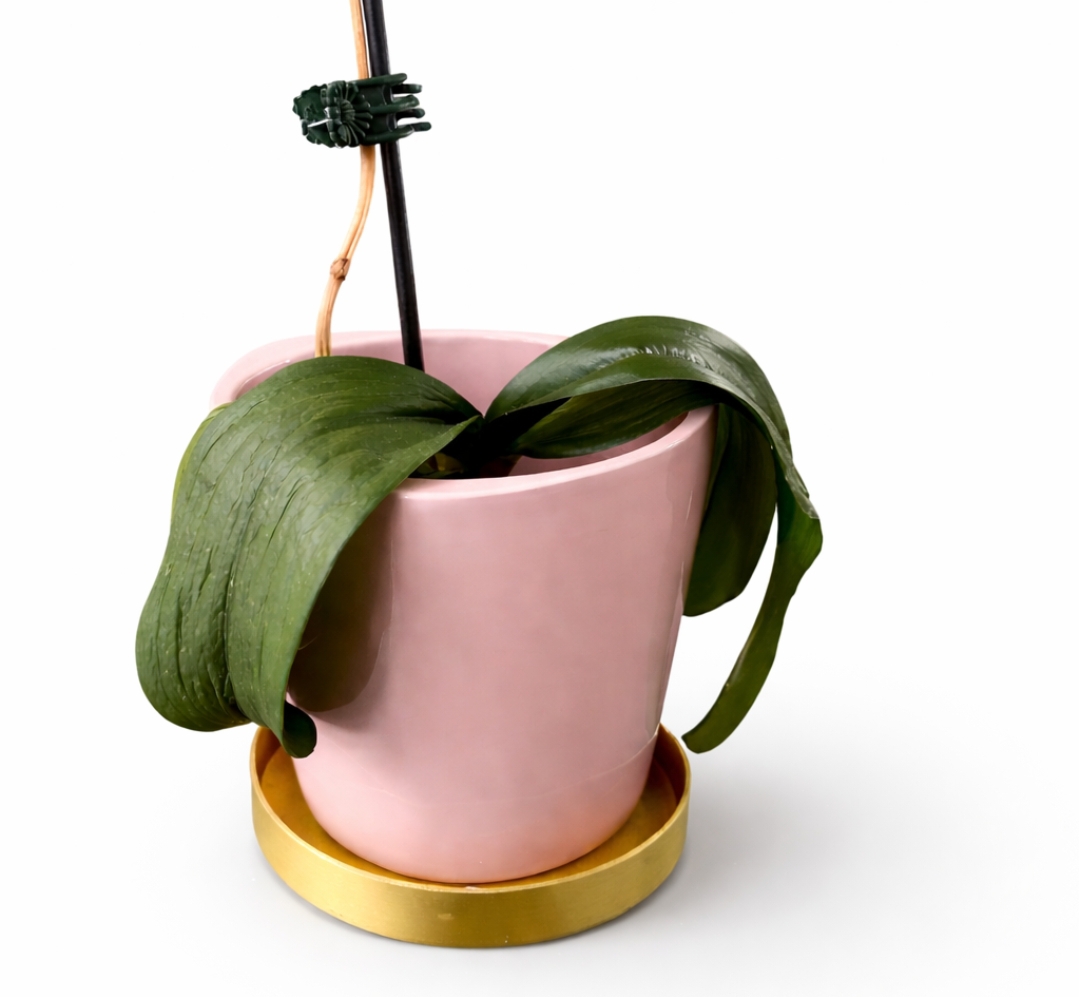
Orchids often appear healthy for weeks and then suddenly begin to wilt, drop leaves, or collapse completely, leaving beginners confused and disappointed. Many people assume orchids are fragile or difficult plants, but in reality, orchids are quite resilient when cared for correctly. Most orchids don’t die suddenly
Table of Contents 👈 Tap Here
they decline slowly due to repeated small mistakes. Understanding these mistakes early helps you save your plant before permanent damage occurs.
In this guide, you will learn the most common beginner errors that silently harm orchids and how to avoid them with simple, practical fixes. Once you recognize these issues, growing orchids becomes far less stressful and far more rewarding, even for those with little gardening experience.
Orchids Suddenly Die
1. Overwatering the Roots
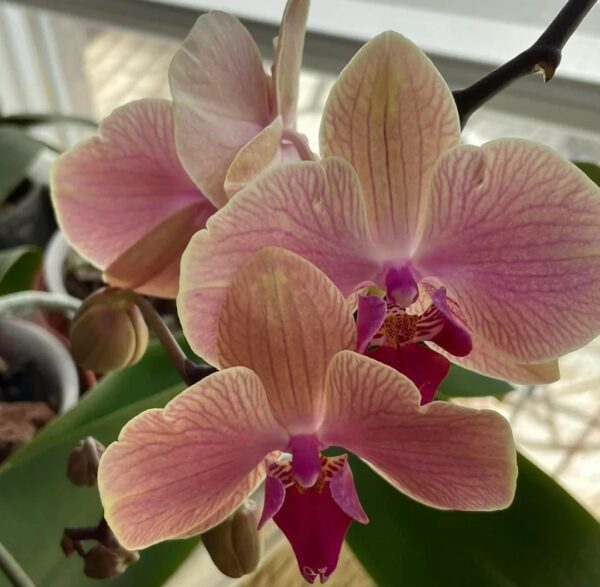
Overwatering is the most common and dangerous mistake beginners make with orchids. Unlike regular houseplants, orchids are adapted to grow in airy environments where their roots dry quickly. When roots sit constantly in wet conditions, oxygen is cut off and rot begins silently below the surface. Leaves may look fine at first, making the problem harder to detect early.
Fix: Water only when the potting mix is almost dry and always check the roots before watering again. Healthy roots should look firm and green or silvery, not mushy or brown.
2. Using the Wrong Potting Mix
Planting orchids in normal soil slowly kills them, even if everything else seems correct. Regular soil holds too much water and prevents airflow, which orchids need to breathe through their roots. This suffocates the plant over time, leading to weak growth and eventual root failure even though leaves may stay green for a while.
Fix: Always use a well-draining orchid mix made from bark, charcoal, coconut husk, or sphagnum moss to keep roots dry yet hydrated.
3. No Proper Drainage
Even with the correct potting mix, poor drainage can still destroy your orchid. When water has nowhere to escape, it collects at the bottom of the pot, keeping roots wet for long periods. This encourages fungal growth and root rot, which spreads silently until the orchid suddenly collapses.
Fix: Choose pots with multiple drainage holes and never let your orchid sit in standing water or decorative cachepots filled with water.
4. Keeping Orchids in Low Light
Many beginners place orchids in dark corners thinking they prefer shade, but this deprives the plant of energy. Without enough light, orchids cannot photosynthesize efficiently, leading to slow growth, weak leaves, and a lack of blooms. Over time, this weakens the plant until it can no longer support itself.
Fix: Place orchids near bright windows with filtered or indirect light for several hours daily.
5. Exposing Orchids to Direct Harsh Sun
While orchids need light, too much direct sunlight can quickly damage them. Strong sun through glass can burn leaves, leaving brown or black patches that never recover. These injuries reduce the plant’s ability to make food and can cause long-term stress that leads to sudden decline.
Fix: Use sheer curtains or shaded windows to protect orchids from harsh midday sun.
6. Ignoring Humidity Needs
Orchids naturally grow in humid tropical environments, not in dry indoor air. When humidity is too low, orchids lose moisture faster than they can absorb it, causing wrinkled leaves, dried roots, and bud drop. Many beginners overlook humidity while focusing only on watering, which is not enough.
Fix: Increase humidity by misting lightly, using humidity trays, or grouping plants together to create a moist microclimate.
7. Sudden Temperature Changes
Orchids dislike sudden temperature shifts, which can stress them quickly. Cold drafts from windows, air conditioners, or heaters disrupt their growth cycle and can cause flowers to drop prematurely. Repeated exposure weakens the plant’s immune system, making it more vulnerable to disease and death.
Fix: Keep orchids in stable temperatures between 18°C–27°C and away from strong airflow.
8. Overfertilizing or Wrong Feeding
Many beginners believe feeding orchids often will make them grow faster, but excess fertilizer actually damages them. Too much fertilizer burns delicate roots, creates salt buildup in the pot, and leads to leaf tip burn. Instead of helping, overfeeding silently weakens the plant over time.
Fix: Use diluted orchid fertilizer once or twice a month during active growth and flush the pot with plain water occasionally.
9. Neglecting Root Health
Roots are the lifeline of orchids, yet they are often ignored because they are hidden. If roots are unhealthy, the orchid cannot absorb water or nutrients, no matter how good the leaves look. Mushy, shriveled, or black roots are clear signs that the orchid is in serious trouble.
Fix: Inspect roots regularly and repot when roots overcrowd the pot or when the mix breaks down.
10. Panic Cutting Healthy Parts
When orchids begin to look unhealthy, beginners often start cutting leaves, stems, and roots out of fear. Unfortunately, removing healthy parts weakens the orchid further and slows recovery. This well-meaning panic often causes more damage than the original problem.
Fix: Only trim dead, diseased, or rotting parts using sterilized tools and allow healthy parts to support recovery.
Final Thoughts
Orchids rarely die suddenly without warning — they usually decline slowly because of repeated care mistakes. Once you understand their natural needs for air, light, humidity, and gentle feeding, orchids become surprisingly easy to grow. Avoiding these common mistakes can transform struggling orchids into long-lasting, blooming plants.
FAQS
1. Why do orchids die unexpectedly even when they looked healthy?
Orchids can appear perfectly healthy on the surface while hidden problems slowly develop in the roots or crown. Root rot, fungal disease, or lack of airflow may already be damaging the plant before visible signs appear. When symptoms finally show, the decline seems sudden, even though the damage has been building quietly for weeks.
2. What is the most common mistake that leads to orchid death?
Overwatering remains the number one reason orchids fail. Their roots need both moisture and oxygen, but constant watering fills air spaces and suffocates them. Once roots rot, the plant cannot absorb water or nutrients properly, leading to wilting, yellowing, and eventual death even if care seems attentive.
3. Can wrong potting mix kill orchids quickly?
Yes, orchids planted in regular soil or dense media suffer because their roots are not adapted to compact environments. They naturally grow attached to trees with open air around their roots. Heavy potting mix traps water and prevents airflow, leading to rapid root decay and plant collapse.
4. Does poor drainage affect orchid health?
Poor drainage is extremely harmful to orchids because stagnant water collects at the bottom of the pot. When roots remain submerged, they rot easily and lose their ability to absorb oxygen. Without healthy roots, the entire plant weakens quickly, causing leaves to shrivel and drop.
5. How does light impact orchid survival?
Light plays a major role in orchid health. Too little light slows photosynthesis and weakens growth, while too much direct sunlight scorches leaves and stresses the plant. Both extremes reduce the orchid’s ability to produce energy, eventually causing poor growth, leaf damage, and even death.
6. Can temperature changes kill orchids?
Orchids are sensitive to sudden temperature shifts. Cold drafts, air conditioning vents, or extreme heat can shock the plant’s tissues, interrupting water movement inside the plant. Repeated exposure weakens orchids over time, making them more vulnerable to infections and environmental stress.
7. Do pests play a role in orchid death?
Yes, pests like mealybugs, spider mites, aphids, and scale insects feed on orchid sap, slowly draining the plant’s energy. Over time, this weakens growth, distorts leaves, and reduces flowering. If ignored, severe infestations can cause the orchid to decline beyond recovery.
8. Why do orchid leaves turn yellow before dying?
Yellowing leaves often signal underlying stress such as overwatering, root problems, nutrient deficiency, or natural aging. While losing an older bottom leaf is normal, widespread yellowing usually means the orchid is struggling and needs immediate attention to prevent further decline.
9. Can fertilizer misuse harm orchids?
Using too much fertilizer is harmful because orchid roots are delicate and easily burned by excess salts. Strong fertilizer damages root tips and interferes with water absorption. Over time, this causes dehydration, leaf damage, and slow decline, even though the plant appears regularly fed.
10. Is repotting shock dangerous for orchids?
Yes, orchids can suffer from repotting shock if their roots are damaged or left exposed for too long. Improper handling weakens their ability to absorb water, causing wilting and slow recovery. Without proper aftercare, stressed orchids may deteriorate rather than improve.
11. Why do orchids collapse after blooming?
Blooming uses a great deal of energy. If an orchid is already weak or poorly nourished, it may not have enough reserves to recover afterward. Without proper rest, feeding, and light, the plant can weaken dramatically following flowering and fail to rebound.
12. Can humidity affect orchid survival?
Humidity greatly affects orchids because they originate from moist environments. Air that is too dry leads to dehydration and leaf stress, while excessive humidity with poor airflow encourages fungal and bacterial infections. Balanced humidity combined with good ventilation is key for healthy orchids.
13. How does poor air circulation harm orchids?
Without airflow, moisture remains on leaves and roots for too long, creating ideal conditions for rot and fungal growth. Air circulation helps dry surfaces and strengthens plant tissues, reducing disease risk and improving overall plant health significantly.
14. Are store-bought orchids already weak?
Many store-bought orchids are grown under artificial conditions and forced to bloom for display. This process exhausts the plant’s energy. Once taken home, sudden environmental changes combined with previous stress can cause rapid decline if proper care is not provided.
15. Why do orchids die after being moved to a new place?
Orchids are sensitive to environmental changes such as light intensity, humidity, and temperature. Moving them suddenly disrupts their adaptation process, causing stress that affects water absorption and growth. Gradual adjustment helps prevent shock and long-term damage.
16. Can tap water kill orchids?
Tap water in some regions contains high levels of minerals, chlorine, or salts that accumulate in the potting mix. Over time, these deposits damage roots and reduce nutrient uptake. Using filtered or rainwater occasionally helps maintain better root health.
17. Is it true that Orchids Suddenly Die without warning?
Orchids Suddenly Die is a common belief among beginners, but in reality, orchids usually show subtle warning signs such as slowed growth, root damage, or leaf discoloration. These signs are often overlooked until the damage becomes severe, making the decline appear sudden.
18. How can beginners prevent orchid death?
Beginners should learn basic orchid needs such as proper watering, airy potting mix, indirect light, and airflow. Regular observation allows early detection of problems before they become serious, greatly increasing the chances of long-term orchid survival.
19. Should dying orchids be thrown away immediately?
Not necessarily. Many orchids can recover if they still have healthy roots and the problem is corrected early. Removing damaged parts, improving care conditions, and giving the plant time often results in surprising recovery and renewed growth.
20. What is the best way to revive a weak orchid?
Reviving a weak orchid starts with checking the roots, removing rot, repotting in fresh mix, and reducing watering. Providing bright indirect light and stable conditions allows the plant to rebuild strength gradually and resume healthy growth over time.
If you’d like, I can also: