
Feel free to share!
Orchid white powder is a common yet worrying sight for plant lovers. This white, dusty coating often appears on leaves, stems, or buds, making orchids look dull and unhealthy. It not only reduces the plant’s natural beauty but can also slow down growth and flowering if ignored.
Table of Contents 👈 Tap Here
Usually caused by fungal infections like powdery mildew or pests such as mealybugs, orchid white powder can spread rapidly across your collection. If not addressed quickly, it can weaken the plant’s immune system and cause lasting damage. In this guide, you’ll discover the 20 best expert-approved methods to identify, remove, and prevent this problem naturally.
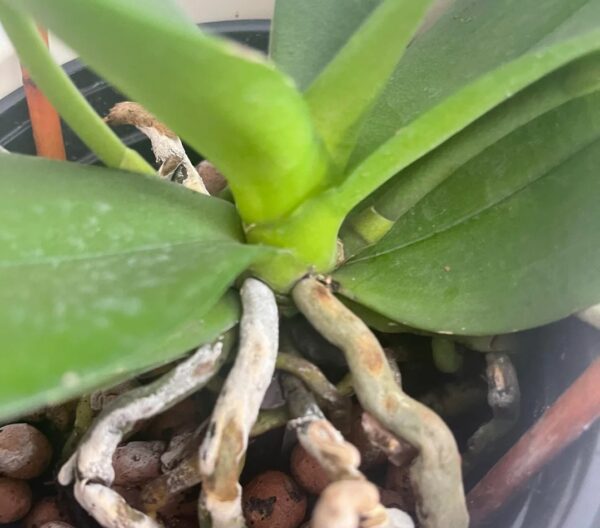
1. Identify the Cause of Orchid White Powder
Before treatment, it’s crucial to know what you’re fighting. Orchid white powder can result from fungus, mildew, or mealybugs. A soft, cotton-like powder indicates pests, while a fine dust signals mildew. Early identification ensures proper care and prevents using the wrong remedy that could damage your orchid’s delicate tissues.
2. Isolate the Affected Orchid
Once you spot white powder on your orchid, immediately move it away from healthy plants. Fungal spores and insects spread quickly through air or water droplets. By isolating the affected orchid, you can stop further contamination and focus on targeted treatment without risking the rest of your collection.
3. Improve Air Circulation
Good airflow is key to keeping orchids healthy and fungus-free. Poor ventilation creates stagnant, moist conditions where powdery mildew thrives. Keep your orchids in a well-ventilated room or use a small fan to improve air movement. This reduces humidity buildup and prevents spores from landing and spreading across leaves.
4. Reduce Humidity Levels
While, too much moisture invites fungal problems. Maintain indoor humidity between 40–60% for balance. You can use a dehumidifier or avoid placing orchids near bathrooms or kitchens. By adjusting humidity, you make it harder for the fungus to survive while keeping your orchid hydrated enough for healthy growth.
5. Adjust Watering Practices
Overwatering is one of the main triggers for orchid white powder. Wet leaves and soil create a breeding ground for fungus. Water your orchids early in the morning so excess moisture evaporates by night. Ensure pots have proper drainage holes to avoid soggy roots that can lead to fungal infections.
6. Clean Leaves with Mild Soap Solution
A simple homemade cleaning solution can help remove white powder safely. Mix one teaspoon of mild liquid soap with one liter of lukewarm water. Gently wipe each leaf using a soft cloth. This removes fungal residue and suffocates any small insects hiding on the surface of your orchid’s leaves.
7. Use Neem Oil Spray
Neem oil is a natural remedy trusted by many orchid experts. It has insect-repelling and fungicidal properties.It has insect-repelling and fungicidal properties. Mix neem oil with water as directed and spray on leaves once a week. This prevents new fungal spores from germinating and kills existing pests without harming your plant’s delicate tissue.
8. Apply Hydrogen Peroxide Solution
Hydrogen peroxide is highly effective against fungal spores. Mix one part of 3% hydrogen peroxide with four parts of water. Spray it gently over the leaves and stems. It cleans, disinfects, and kills powdery mildew while oxygenating the plant’s surface, helping your orchid recover faster and stay healthy longer.
9. Try Baking Soda Spray
Baking soda helps neutralize fungal activity on orchid leaves. Mix one teaspoon of baking soda, a few drops of mild soap, and one liter of water. Spray weekly to stop the spread of orchid white powder. It alters the leaf surface pH, making it difficult for fungal spores to survive or reproduce.
10. Use Cinnamon Powder on Infected Areas
Cinnamon isn’t just a kitchen spice—it’s a natural antifungal solution. After cleaning the affected spots, lightly dust cinnamon powder on infected areas. It stops fungal growth and helps wounds heal faster. This gentle, chemical-free approach is ideal for orchid lovers who prefer organic and eco-friendly plant care remedies.
11. Improve Light Conditions
Fungi thrive in dark, damp spaces. Move your orchid to a brighter area with indirect sunlight. Proper lighting not only discourages fungal growth but also boosts your orchid’s immune strength. Avoid harsh midday sun; instead, choose filtered light that keeps leaves dry and strengthens the plant’s overall resistance.
12. Use a Fungicide (If Necessary)
If natural remedies fail, a mild orchid-safe fungicide can help. Always follow label instructions and avoid overuse. Fungicides like copper-based sprays or sulfur dusts are effective against stubborn powdery mildew. Apply outdoors or in a ventilated space to prevent buildup of chemical residues harmful to you or your plants.
13. Remove Heavily Infected Leaves
Sometimes, pruning is the best cure. Remove badly infected leaves to prevent spores from spreading to healthy parts. Always use sterilized scissors and disinfect after each cut. This keeps your orchid clean and prevents reinfection. Remember, it’s better to lose one leaf than risk the entire plant’s health.
14. Repot the Orchid
If the infection persists, repot your orchid using fresh, sterile growing medium. Old, damp bark often harbors fungal spores and pests. Clean the roots, remove rotten parts, and place your orchid in a new pot with good airflow. This gives your plant a fresh start and stops future outbreaks.
15. Sterilize Pots and Tools
Always clean your gardening tools and pots after dealing with infected orchids. Use rubbing alcohol or a mild bleach solution to sterilize them. This step ensures that no fungal spores remain. Sterilizing prevents cross-contamination and builds a cleaner, safer environment for your entire orchid collection.
16. Maintain Proper Temperature
Temperature plays a vital role in orchid health. Keep your plants between 18–29°C (65–85°F). Extreme temperature changes can weaken orchids and promote fungal growth. Consistent, moderate warmth helps orchids build stronger immunity, allowing them to resist diseases like white powder fungus more effectively over time.
17. Avoid Overfertilizing
Overfertilizing can cause soft, weak growth that attracts fungi. Stick to a balanced orchid fertilizer once or twice a month. Dilute it to half strength to avoid stress. Healthy, firm leaves resist fungal infections better than overfed, tender ones. Balance is key for long-term orchid health and flowering success.
18. Inspect Orchids Regularly
Routine inspections are the best prevention strategy. Check the undersides of leaves and stems weekly for early white patches or sticky residue. Detecting orchid white powder early allows you to act before it spreads. Regular observation also keeps you more connected and responsive to your orchid’s changing needs.
19. Quarantine New Plants
Before adding new orchids to your collection, isolate them for at least two weeks. New plants may carry hidden fungal spores or pests. Quarantining ensures that your healthy orchids remain safe from contamination. It’s a professional grower’s habit that saves time, money, and heartache in the long run.
20. Use Preventive Sprays Monthly
Even after recovery, prevention is essential. Spray natural protectants like neem oil or baking soda mix once a month. This keeps fungal spores from returning and helps your orchid stay strong. Consistent preventive care ensures lasting beauty, lush growth, and freedom from orchid white powder problems.
Conclusion
Managing orchid white powder is easier when you act early and stay consistent. These 20 best solutions combine expert advice and natural remedies to protect your orchids from fungal and pest-related damage. With patience, cleanliness, and preventive care, your orchids will stay healthy, bloom beautifully, and thrive year-round.
FAQ
1. What is Orchid White Powder?
Orchid White Powder is a premium-grade whitening and brightening formula designed for skincare and cosmetic use. This Orchid White Powder helps in reducing dark spots, evening out skin tone, and providing a radiant glow. Many users prefer Orchid White Powder for its natural ingredients and smooth texture that blends effortlessly into creams and lotions.
2. How do you use Orchid White Powder?
You can use Orchid White Powder by mixing it with your regular face cream, lotion, or serum. The Orchid White Powder dissolves easily and enhances brightness when applied consistently. For best results, apply the Orchid White Powder evenly on clean skin twice a day to achieve soft, glowing, and even-toned skin naturally.
3. Is Orchid White Powder safe for all skin types?
Yes, Orchid White Powder is safe for most skin types, including sensitive, oily, and dry skin. The gentle nature of Orchid White Powder makes it suitable for daily use without irritation. Dermatologists often recommend Orchid White Powder for people seeking natural skin lightening and smoothness without harsh chemicals or synthetic additives.
4. Can Orchid White Powder be used on the face and body?
Absolutely! Orchid White Powder can be applied on both the face and body for overall fairness and glow. Many users blend Orchid White Powder with lotions or face packs to achieve a smooth, luminous look. With consistent use, Orchid White Powder helps reduce uneven pigmentation and enhances the natural radiance of your skin.
5. What are the benefits of Orchid White Powder?
The main benefits of Orchid White Powder include skin brightening, lightening dark spots, improving skin tone, and providing a healthy glow. Orchid White P also helps hydrate and smooth the skin surface. Regular use of Orchid White P can make your skin appear youthful, refreshed, and naturally radiant without causing side effects.
6. Can Orchid White P be mixed with other beauty products?
Yes, you can mix Orchid White P with moisturizers, creams, face packs, or serums. Orchid White P blends perfectly without altering the texture of other products. Many beauty professionals use Orchid White P in DIY skincare routines to enhance results and promote glowing, even-toned skin safely and naturally.
7. Where can I buy genuine Orchid White P ?
You can buy genuine Orchid White P from trusted online stores, official brand websites, or authorized beauty shops. Always ensure that your Orchid White P comes from a reliable source to avoid counterfeit products. Check customer reviews and packaging details before purchasing Orchid White P for guaranteed authenticity and effectiveness.
8. How long does it take for Orchid White P to show results?
Results from Orchid White P can be seen within two to three weeks of regular use. The Orchid White P works gradually to brighten and rejuvenate your skin. For the best outcomes, continue using Orchid White P consistently, maintain a good skincare routine, and protect your skin from excessive sun exposure.
9. Can men use Orchid White P?
Yes, Orchid White P is suitable for both men and women. Men can use Orchid White P to reduce sun damage, improve skin tone, and achieve a fresh, bright complexion. Because Orchid White P is lightweight and non-greasy, it works perfectly for all genders seeking clear, healthy, and radiant skin naturally.
10. Does Orchid White P have any side effects?
Orchid White P is generally safe and gentle, but it’s always wise to do a patch test before full use. Most users experience no irritation or dryness with Orchid w P. Choose genuine O W p and follow proper directions to enjoy safe, visible skin-brightening results without harmful side effects.