
Orchids are delicate and beautiful plants, but they can fall victim to pests that threaten their health. Orchid Root Mealybugs are one of the most common and destructive pests, attacking the roots and weakening your plant if left untreated. Understanding how to manage these pests is essential for keeping your orchids vibrant and thriving.
Table of Contents 👈 Tap Here
These mealybugs are particularly tricky because they hide deep in the roots, making detection difficult until the damage is noticeable. In this guide, we’ll share 20 best ways to treat and protect your plants, offering practical tips and proven strategies to remove mealybugs, prevent infestations, and ensure your orchids bloom beautifully year after year.
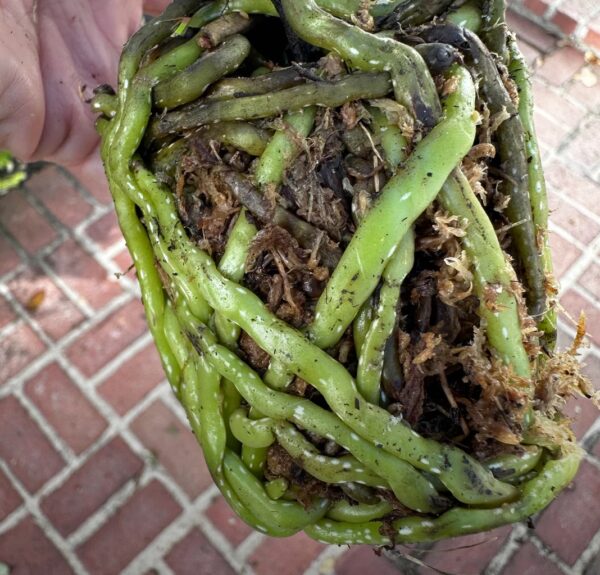
What Are Orchid Root Mealybugs?
Root mealybugs are small, soft-bodied insects that primarily attack orchid roots. Unlike leaf mealybugs, they remain hidden in the potting medium, making them difficult to detect until significant damage occurs. They feed on sap, weakening the plant and promoting mold or fungal infections. Understanding their behavior and early symptoms is key to saving infested orchids and preventing future outbreaks.
Identifying Root Mealybugs
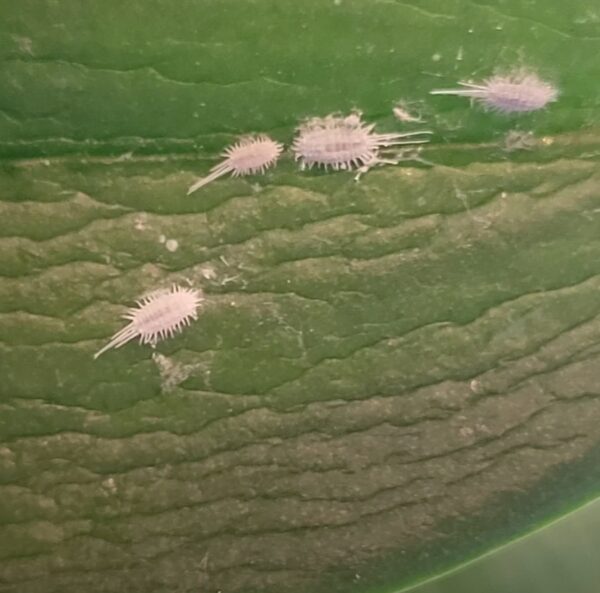
1. Symptoms on roots and leaves
Healthy orchid roots are firm, plump, and green or white, but infested roots may appear brown, mushy, or shriveled. Leaves may yellow, droop, or show stunted growth because the plant cannot absorb nutrients effectively. Observing these signs early allows orchid owners to take immediate action before the infestation worsens and spreads to other plants.
2. Visible signs in potting medium
Root mealybugs often leave behind cotton-like white masses in the bark, moss, or soil. These small clusters indicate active feeding sites and potential root damage. Inspecting the potting medium regularly, especially during repotting or seasonal checks, helps identify infestations early and allows for prompt treatment to protect the orchid’s overall health.
3. How to distinguish root mealybugs from other pests
Root mealybugs are soft, white, and fluffy, resembling tiny cotton balls. Unlike scale insects, which have hard shells, or spider mites, which create webbing, mealybugs can be gently crushed and will appear wet or sticky. Correct identification is critical for using the right treatment method and preventing ineffective pest control approaches.
Prevention Before Infestation
4. Quarantine new orchids
Always isolate newly purchased orchids for at least two to three weeks before introducing them to your collection. Quarantine allows you to observe for hidden pests such as root mealybugs, aphids, or fungal infections. By taking this precaution, you can avoid contaminating other healthy plants and protect your collection from potential infestations.
5. Use sterile potting medium
Reusing old potting media increases the risk of introducing pests and pathogens to orchids. Always use fresh, sterile medium, or sterilize bark, moss, or soil before planting. This provides a clean environment for orchid roots, reduces pest habitats, and improves water drainage and aeration, supporting overall root health and preventing future infestations.
6. Maintain good air circulation
Stagnant, humid air encourages pests like root mealybugs to thrive. Placing a small fan near orchids or ensuring adequate spacing between plants helps prevent excessive humidity buildup. Good airflow reduces fungal and bacterial growth, keeps roots healthy, and makes the environment less favorable for pests, promoting stronger, more resilient orchids.
7. Avoid overwatering
Mealybugs thrive in overly damp conditions. Allow the potting medium to dry slightly between waterings to discourage infestations. Overwatering not only attracts pests but also promotes root rot, which weakens orchids. By establishing a proper watering schedule, you maintain healthy roots while reducing the risk of mealybug infestations.
Physical & Manual Removal
8. Inspect and clean roots during repotting
When repotting orchids, carefully remove the plant from its container and rinse the roots under lukewarm running water. This process helps dislodge mealybugs and allows you to examine the root system for damage. Regular inspection and cleaning during repotting is an effective preventative measure to maintain strong, healthy roots.
9. Wash roots with water/soap solution
A mild soap solution, made from a few drops of liquid dish soap in water, can be used to wash roots and potting medium. This helps remove mealybugs while being safe for orchids. Gently apply the solution to affected areas, rinse thoroughly, and repeat as needed to reduce pest populations and prevent further root damage.
10. Trim off heavily infested roots
If roots are severely damaged or infested, use sterilized scissors or pruning shears to remove them. Removing infested roots prevents mealybugs from spreading further and allows healthy roots to thrive. Always sterilize tools before and after cutting to avoid spreading pests or diseases to other orchids in your collection.
Natural & Organic Treatments
11. Neem oil applications
Neem oil is a natural, eco-friendly insecticide that works effectively against root mealybugs without harming orchids when used properly. Mix a small amount of neem oil with water and apply it around the root zone. It disrupts the pest’s life cycle, prevents reproduction, and has antifungal properties, keeping the orchid’s potting medium clean and reducing the risk of future infestations.
12. Insecticidal soap sprays
Insecticidal soaps are a safe and effective method to control mealybugs. Spray the solution onto roots, stems, and the potting medium to break down the protective coating of the pests. Regular applications every few days help reduce infestations while being gentle on orchids, making it a preferred method for organic and chemical-free gardeners.
13. Hydrogen peroxide rinse
A diluted 3% hydrogen peroxide solution can be used as a root rinse to eliminate mealybugs and sanitize the potting medium. Pour the solution over the medium and allow it to drain naturally. Hydrogen peroxide kills pests and reduces fungal growth, promoting a healthier environment for orchid roots to recover and grow.
14. Rubbing alcohol (cotton swab method)
Apply a cotton swab dipped in 70% isopropyl alcohol directly to any mealybugs that are visible on exposed roots. Their protective layer is dissolved by the alcohol, which instantly kills them. Continue doing this every several days until the infestation is under control. This technique is safe, accurate, and works well for minor infestations without endangering the orchid.
Chemical Controls (Last Resort)
15. Systemic insecticides for severe infestations
If natural methods are insufficient, systemic insecticides containing imidacloprid or thiamethoxam can be used to control root mealybugs. These chemicals are absorbed by the roots, targeting pests that hide deep in the potting medium. Always follow label instructions carefully to protect your orchids, pollinators, and the environment.
16. Safe handling and precautions
When using chemical treatments, always wear gloves and protective clothing. Apply insecticides in well-ventilated areas or outdoors, and avoid contact with blooming orchids to protect pollinators. Store chemicals safely and follow recommended dosages. Proper precautions ensure both personal safety and effective pest control without damaging your orchids.
Cultural & Environmental Adjustments
17. Repotting into fresh medium
After treating an infested orchid, always repot it into fresh, sterile medium. This removes remaining mealybugs and their eggs while providing a clean, nutrient-rich environment for new root growth. Repotting also improves aeration and drainage, reducing conditions that favor pests and helping orchids recover quickly.
18. Improving drainage and pot hygiene
Choose pots with adequate drainage holes to prevent waterlogging, which encourages mealybug infestations. Sterilize pots before reuse with hot water or a mild bleach solution. Clean pots and trays reduce pest habitats and fungal growth, ensuring a healthier, more sustainable growing environment for your orchids.
19. Fertilizer balance to keep orchids healthy
Overfertilizing orchids can weaken plants and attract pests. Use a balanced orchid fertilizer sparingly, following the recommended schedule. Healthy, well-nourished orchids are more resistant to pests like mealybugs, recover faster from infestations, and maintain strong growth and blooms throughout the growing season.
Long-Term Management
20. Regular monitoring and early detection
Inspect your orchids monthly, paying close attention to roots, leaves, and potting media. Early detection allows you to address mealybug infestations before they spread. Maintaining a regular care routine, including proper watering, airflow, and sanitation, is the most effective long-term strategy to protect your orchids and keep them healthy for years to come.
Final Thoughts
Root mealybugs are persistent pests, but with the right combination of prevention, physical removal, natural treatments, and careful monitoring, your orchids can thrive again. Focus on maintaining healthy roots, good airflow, and proper watering schedules. Consistency is key, and catching infestations early ensures that your orchids remain strong, vibrant, and beautiful.
FAQs About Orchid Root Mealybugs
1. What are Orchid Root Mealybugs?
Orchid Root Mealybugs are tiny, white, cotton-like pests that infest the roots of orchid plants. They feed on the sap, weakening the plant and causing stunted growth. Detecting them early is essential because Orchid Root Mealybugs can quickly spread, affecting multiple plants if not treated promptly and effectively.
2. How can I identify Orchid Root Mealybugs?
You can identify Orchid Root Mealybugs by inspecting the roots and soil of your orchid. Look for white, fuzzy patches that resemble cotton or powder. They often hide deep in the root system, making them hard to spot. Severe infestations of Orchid Root Mealybugs may also cause yellowing leaves and slow growth.
3. What causes Orchid Root Mealybugs infestations?
Orchid Root Mealybugs thrive in overwatered soil, poor drainage, and humid environments. Contaminated tools, pots, or new plants can also introduce Orchid Root Mealybugs to healthy orchids. Ensuring clean pots, proper watering habits, and quarantining new plants can reduce the risk of Orchid Root Mealybugs spreading in your collection.
4. Are Orchid Root Mealybugs dangerous to my orchid?
Yes, Orchid Root Mealybugs are dangerous because they feed on the plant’s sap, weakening the roots and affecting nutrient uptake. If left untreated, Orchid Root Mealybugs can cause leaf yellowing, poor flowering, and even plant death. Prompt intervention is key to protecting your orchid from serious damage caused by Orchid Root Mealybugs.
5. How do I treat Orchid Root Mealybugs naturally?
Natural treatments for Orchid Root Mealybugs include using neem oil, insecticidal soap, or a diluted alcohol solution applied carefully to the roots. Repotting the orchid and cleaning the roots can also help. Regular monitoring is necessary to ensure Orchid Root Mealybugs are fully eliminated and do not return to your plants.
6. Can Orchid Root Mealybugs be prevented?
Yes, prevention is possible by maintaining healthy growing conditions. Avoid overwatering, provide proper airflow, and regularly inspect your orchids. Quarantine new plants and sterilize tools to prevent Orchid Root Mealybugs infestations. Consistent vigilance is key to keeping Orchid Root Mealybugs from becoming a recurring problem in your orchid collection.
7. How fast do Orchid Root Mealybugs spread?
Orchid Root Mealybugs can spread quickly through roots, soil, and plant contact. An infestation can move from one orchid to another in a matter of weeks if not addressed. Prompt treatment is critical because Orchid Root Mealybugs reproduce rapidly, and early detection is the most effective way to control their spread.
8. Can Orchid Root Mealybugs survive without a host?
Orchid Root Mealybugs can survive for a short period without a host, but they thrive on the nutrients from orchid roots. Even when removed from plants, Orchid Root Mealybugs can persist in soil and pots, making proper cleaning and sterilization essential to prevent reinfestation of other orchids.
9. Are chemical treatments effective against Orchid Root Mealybugs?
Chemical insecticides can be effective against Orchid Root Mealybugs, especially systemic treatments that target the roots. However, repeated applications may be necessary. Always follow safety instructions to avoid harming the orchid. Combining chemical and natural methods often yields the best results for eliminating Orchid Root Mealybugs completely.
10. Can Orchid Root Mealybugs affect other plants?
Yes, Orchid Root Mealybugs can infest nearby plants if conditions are favorable. They primarily target orchids, but they may spread through soil, pots, or contaminated tools. To protect your other plants, isolate infected orchids and treat the affected roots promptly to prevent Orchid Root Mealybugs from spreading.
11. How long does it take to get rid of Orchid Root Mealybugs?
Getting rid of Orchid Root Mealybugs can take several weeks depending on the infestation’s severity. Repeated treatments, root cleaning, and careful monitoring are usually required. Persistence is crucial because Orchid Root Mealybugs hide in hard-to-reach root areas, and incomplete treatment can result in reinfestation.
12. Do Orchid Root Mealybugs affect orchid flowering?
Yes, Orchid Root Mealybugs weaken the roots, reducing nutrient uptake and energy for blooming. Infested orchids may have fewer flowers, smaller blooms, or delayed flowering. Treating Orchid Root Mealybugs promptly helps restore plant health and encourages the orchid to bloom normally once the infestation is under control.
13. Can I repot an orchid with Orchid Root Mealybugs?
Repotting is a key step in treating Orchid Root Mealybugs. Remove infested soil, inspect the roots, and wash away pests carefully. Using fresh, sterile potting medium helps prevent reinfestation. Repotting not only controls Orchid Root Mealybugs but also supports overall orchid health by providing clean, well-draining roots.
14. How often should I check my orchids for Orchid Root Mealybugs?
Regular inspection is essential. Check orchids every few weeks, especially the roots and base of the plant, for signs of Orchid Root Mealybugs. Early detection ensures infestations are caught before they spread. Consistent monitoring reduces the risk of Orchid Root Mealybugs causing serious damage to your orchids.
15. Can Orchid Root Mealybugs return after treatment?
Yes, Orchid Root Mealybugs can return if the roots, pots, or surrounding area are not cleaned thoroughly. Continuous monitoring, proper care, and preventive measures are essential. Even after treatment, Orchid Root Mealybugs may reinfest if conditions remain favorable for their growth, so vigilance is key for long-term orchid health.