
Feel free to share!
Table of Contents 👈 Tap Here
Orchids are elegant and captivating plants, but caring for them can be challenging, especially when it comes to watering. Orchid Overwatering is one of the most frequent mistakes, often leading to root rot, yellowing leaves, and stunted growth. Even experienced plant lovers can unintentionally harm their orchids, shortening their bloom life and affecting overall plant health if moisture isn’t carefully managed.
Understanding how to prevent and correct overwatering is essential for keeping orchids strong and vibrant. In this guide, we’ll share Orchid Overwatering: 20 Best Expert Tips to Fix It, providing practical advice to recognize early warning signs, revive struggling plants, and maintain the ideal water balance so your orchids thrive beautifully, producing long-lasting, healthy blooms season after season.
Orchid Overwatering
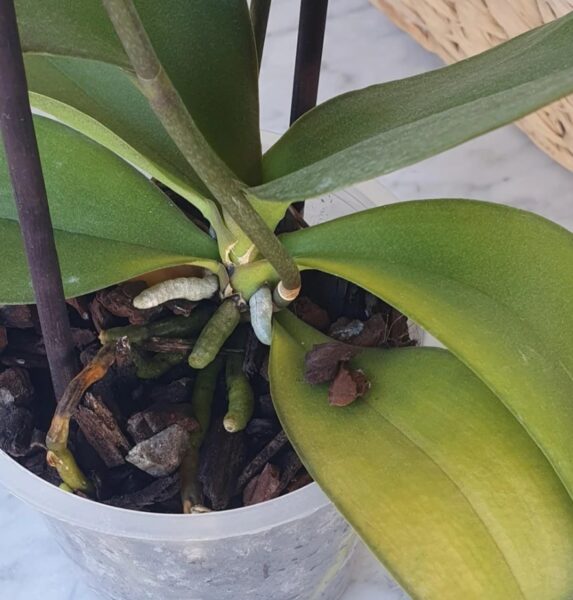
1. Recognize the Signs of Overwatering
Overwatered orchids show clear symptoms like yellow or limp leaves, soft or blackened roots, and a mushy crown. They may also develop an unpleasant smell from rotting roots. Early identification is crucial because the longer overwatering persists, the harder it is to save the plant. Observing your orchid daily can prevent serious damage.
2. Check the Roots Carefully
Examine the roots of your orchid after carefully removing it from its pot.Healthy roots are firm, white or green, while rotting roots are brown, black, or mushy. Knowing the difference allows you to act quickly. Root inspections also reveal hidden damage that leaves alone cannot show, helping you address problems before they worsen.
3. Trim Rotten Roots
Remove any rotten roots with pruning shears or sterile scissors.Removing damaged roots stops rot from spreading and promotes healthy root growth. After trimming, avoid watering for a few days to let the plant recover. This step is essential because even a small patch of rotted root can endanger the entire orchid.
4. Allow the Orchid to Dry
After trimming, place your orchid in a ventilated area to dry, keeping it out of direct sunlight initially. Proper airflow helps prevent fungal infections while giving the plant time to recover. This drying period is critical, especially for orchids with exposed roots, because wet roots are more susceptible to decay.
5. Use Fungicide if Needed
If your orchid has significant root rot or fungal infection, applying an orchid-safe fungicide can prevent further damage. Fungicides not only stop the spread of harmful microbes but also protect healthy roots. Always follow the instructions carefully, as overusing chemicals can stress the plant and delay recovery.
6. Understand Your Orchid Type
Different orchids have different watering needs. Phalaenopsis prefers moderate moisture, while Cymbidium and Vanda orchids may require more frequent watering. Understanding your orchid’s natural habitat and water requirements allows you to tailor care effectively, reducing the risk of overwatering and helping the plant flourish in your home environment.
7. Water Only When Roots Are Dry
Instead of following a strict schedule, check your orchid’s roots for dryness before watering. Only water when roots feel dry to the touch, which prevents excess moisture and root rot. This method encourages healthier growth by mimicking natural conditions, as orchids typically experience intermittent rainfall in their native habitats.
8. Watering Techniques Matter
Bottom watering, where the pot sits in water briefly, ensures the medium absorbs moisture without flooding the crown. Always let water drain completely afterward. Proper techniques reduce the risk of waterlogging and root rot while keeping your orchid hydrated enough for optimal growth and vibrant blooms.
9. Avoid Water in the Crown
Never let water accumulate in the crown of the orchid, as this can quickly cause crown rot—a serious condition that may kill the plant. After watering, always check for standing water and gently remove it if necessary. Maintaining dry crowns is essential for long-term orchid health.
10. Use Proper Potting Medium
Orchids require a well-draining medium such as bark, sphagnum moss, or coconut husk. These materials provide airflow around the roots while allowing water to drain freely. A good medium mimics natural epiphytic conditions and prevents root suffocation, helping your orchid grow stronger and flower more reliably.
11. Repot After Severe Overwatering
If overwatering has caused serious root damage, repotting in fresh, well-draining medium is essential. Choose a pot with drainage holes to prevent future water accumulation. Repotting not only removes old, soggy material but also refreshes the growing environment, giving your orchid a better chance to recover fully.
12. Choose the Right Pot
Use clear plastic pots with multiple drainage holes, which allow you to monitor root health and ensure proper water drainage. The transparency also lets you observe root color and growth patterns. Choosing the right pot improves orchid health, reduces overwatering risks, and simplifies ongoing care.
13. Ensure Proper Humidity
Orchids thrive in moderate humidity levels, around 50–70%. Too much ambient moisture combined with overwatering can accelerate root rot. Using a humidity tray or adjusting indoor conditions helps maintain ideal humidity, supporting strong root development and healthy leaves while reducing fungal issues.
14. Improve Airflow
Good airflow is crucial for drying roots and leaves, preventing fungal and bacterial infections. Place your orchid near a gentle fan or a window with a breeze, but avoid direct drafts. Proper air circulation keeps the plant healthy, supports strong root growth, and reduces the chance of water-related problems.
15. Adjust Light Exposure
Light helps evaporate excess water from the roots and leaves. Orchids grow best in indirect bright light. Too little light slows drying and weakens the plant, while direct harsh sunlight can scorch leaves. Finding the right balance encourages healthy growth and reduces the risks associated with overwatering.
16. Monitor Watering Frequency
Watering needs change with seasons. Orchids require less water in cooler months and more during active growth periods. Monitoring your plant and adjusting watering frequency seasonally prevents overwatering, encourages optimal root development, and helps flowers bloom at their best.
17. Keep a Watering Journal
Track when and how much you water your orchid. Recording observations about root and leaf health helps identify patterns, allowing you to adjust care routines and prevent overwatering. This practice increases your understanding of your orchid’s specific needs and improves long-term plant health.
18. Learn from Past Mistakes
Even experienced growers sometimes overwater. Observe how your orchid responds to different watering techniques and adjust accordingly. Each plant is unique, and learning from past mistakes will help you provide a care routine tailored to your orchid’s needs, resulting in stronger, healthier growth.
19. Use Gravity to Drain Excess Water
After watering, let your orchid sit in a sink or tray so excess water drains completely. Avoid letting water pool at the base or in the crown. Gravity drainage ensures the medium stays moist but not soggy, preventing root rot and encouraging vigorous growth.
20. Be Patient
Recovery from overwatering takes time. Healthy roots grow slowly, and orchids may require weeks to fully bounce back. Consistent care, proper watering, and the right environment are key. Patience combined with careful observation allows your orchid to regain strength and produce beautiful blooms once again.
Overwatering is a common orchid care challenge, but with the right knowledge and techniques, it is entirely fixable. Following these 20 expert tips ensures your orchid recovers and thrives, avoiding future water-related problems. Monitor your plant carefully, adjust watering practices, and provide the ideal environment for long-term growth and flowering success.
Best Tip to Stop Orchid Overwatering: The Pencil Test
Stick a clean pencil or skewer into your orchid’s potting mix. If it comes out dry, water your orchid. If it’s damp, wait. This simple trick prevents overwatering, protects roots from rot, and keeps your orchids healthy and blooming beautifully.
1. Use a Well-Draining Pot
Always plant orchids in pots with drainage holes. This ensures excess water escapes easily, preventing root rot and keeping your orchid’s roots healthy and happy.
2. Choose the Right Potting Medium
Use bark, sphagnum moss, or a specialized orchid mix. Avoid regular soil, which holds too much moisture and encourages overwatering.
3. Water Early in the Day
Watering in the morning allows the orchid’s roots to dry by evening, reducing the risk of fungal infections and root rot.
4. Lift and Feel the Pot
Before watering, lift your orchid pot. If it feels heavy, the medium is still wet. If light, it’s time to water.
5. Observe the Roots
Healthy roots are firm and green or silvery. Mushy or brown roots signal overwatering—reduce watering and let the medium dry before watering again.
FAQS
1. What is Orchid Overwatering?
Orchid Overwatering occurs when an orchid receives more water than it can absorb, causing the roots to stay constantly wet. This can lead to root rot, yellowing leaves, and stunted growth. Understanding the proper watering frequency, type of potting medium, and drainage methods is crucial to prevent Orchid Overwatering and keep your plant healthy.
2. How can I tell if my orchid has Orchid Overwatering?
Signs of Orchid Overwatering include soggy roots, black or mushy roots, yellowing or wilting leaves, and a foul smell from the potting medium. If the orchid’s leaves droop despite regular watering, it is a strong indicator of Orchid Overwatering. Regularly checking the roots and medium helps in early detection.
3. What are the common causes of Orchid Overwatering?
Orchid Overwatering is often caused by excessive watering, poor drainage, using the wrong potting medium, or keeping orchids in pots without proper airflow. Environmental factors such as low light and high humidity can also exacerbate the problem, making roots prone to rot and leaves to yellow due to excess moisture.
4. Can Orchid Overwatering kill my plant?
Yes, Orchid Overwatering can be fatal if not addressed quickly. Constantly wet roots cannot absorb nutrients, leading to root rot and eventual plant death. Early intervention, such as removing rotten roots and adjusting watering habits, is essential to save orchids suffering from Orchid Overwatering.
5. How often should I water orchids to prevent Orchid Overwatering?
To prevent Orchid Overwatering, water orchids only when the potting medium feels dry. Typically, orchids need watering once a week, but this can vary based on pot size, humidity, and temperature. Using a moisture meter or checking the roots visually can help maintain proper watering schedules.
6. Which potting media reduces the risk of Orchid Overwatering?
Well-draining potting media such as bark, sphagnum moss, or a mix of perlite and charcoal can prevent Orchid Overwatering. These media allow excess water to drain quickly, reducing the risk of root rot. Choosing the right medium based on the orchid type is essential to minimize the chances of overwatering.
7. Should I repot my orchid if it suffers from Orchid Overwatering?
Yes, repotting is often necessary if Orchid Overwatering has caused root rot. Remove the damaged roots, clean the healthy ones, and use fresh, well-draining media. Repotting not only improves aeration but also ensures that the orchid grows in an environment that prevents further Orchid Overwatering.
8. Can I save an orchid with severe Orchid Overwatering?
Orchids with severe Orchid Overwatering can be saved if action is taken promptly. Trim all rotten roots, sterilize tools to avoid infection, and let the plant dry before repotting in fresh medium. Adjust watering frequency afterward and monitor the plant closely to prevent future episodes of Orchid Overwatering.
9. Is Orchid Overwatering more common in certain orchid types?
Yes, epiphytic orchids like Phalaenopsis and Cattleya are more sensitive to Orchid Overwatering because their roots need airflow and dry periods. Terrestrial orchids may tolerate slightly more moisture, but all orchids can suffer if watering is excessive. Recognizing the specific water needs of your orchid type is key.
10. How does temperature affect Orchid Overwatering?
High humidity and low temperatures slow down water evaporation, increasing the risk of Orchid Overwatering. In cooler conditions, the roots may stay wet longer, making them prone to rot. Adjust watering schedules based on environmental factors to reduce the likelihood of Orchid Overwatering.
11. Can Orchid Overwatering cause leaf problems?
Yes, Orchid Overwatering often manifests in leaves turning yellow, drooping, or developing soft spots. This happens because excess water prevents roots from taking up nutrients effectively. Healthy leaf color and firmness indicate proper watering, whereas leaf damage is a warning of Orchid Overwatering.
12. Should I use fertilizers if my orchid has Orchid Overwatering?
Fertilizing an orchid suffering from Orchid Overwatering can worsen root damage. Avoid fertilizing until the plant recovers and roots are healthy. Once stabilized, use a diluted orchid fertilizer to restore nutrient balance. Overfeeding while dealing with Orchid Overwatering can stress the plant further.
13. How can I prevent Orchid Overwatering in the future?
Prevent Orchid Overwatering by checking the potting medium before watering, using well-draining pots and media, and maintaining proper airflow. Water only when needed, avoid leaving water in saucers, and monitor humidity. Regularly inspecting the orchid ensures early detection and reduces the risk of Orchid Overwatering.
14. Are there home remedies for Orchid Overwatering?
For mild Orchid Overwatering, remove the orchid from its pot, allow the roots to air dry, and repot in fresh bark or moss. Ensure good airflow and adjust watering habits. Avoid chemical treatments unless necessary. Simple care adjustments often resolve Orchid Overwatering without complex interventions.
15. How long does it take to recover from Orchid Overwatering?
Recovery time from Orchid Overwatering depends on the severity. Minor cases may recover within a few weeks, while severe root rot can take months to stabilize. Consistent care, proper watering, and repotting are key to restoring health. Patience and observation help ensure the orchid fully recovers from Orchid Overwatering.