
Feel free to share!
Orchids are admired worldwide for their elegance and vibrant colors, but sometimes growers encounter the frustrating problem of orchid flower discoloration. When blossoms lose their natural brightness, develop spots, or fade too quickly, it can leave plant lovers concerned about the health of their prized orchids. Discoloration often results from environmental stress, improper care, or natural aging, but with the right approach, these issues can usually be corrected.
Table of Contents 👈 Tap Here
The encouraging part is that orchid flower discoloration doesn’t always signal permanent damage. By identifying the underlying cause, such as lighting, watering, nutrition, or pests, you can bring back your orchid’s radiant beauty. In this guide, we’ll walk you through 20 effective fixes that not only restore the bloom’s vibrant colors but also ensure your orchids continue to thrive with healthier, longer-lasting flowers.
Fix: Always observe your orchid closely for subtle color changes, as early action prevents bigger problems.
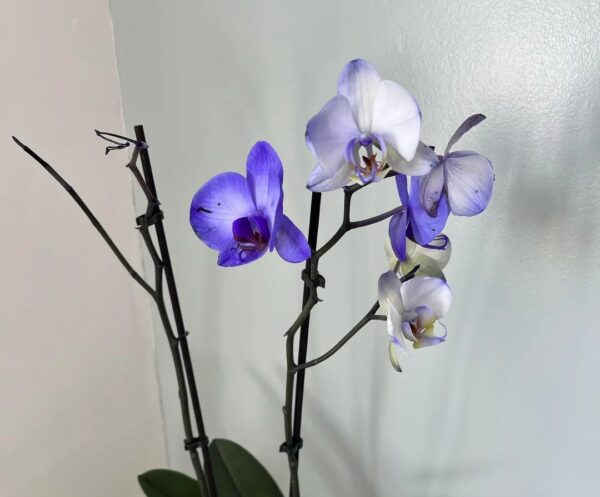
1. Too Much Sunlight
Direct sunlight may appear harmless, but for orchids, it can be damaging. Their delicate petals and leaves are prone to sunburn, which bleaches flowers and creates faded or yellow spots. Many beginners mistakenly place orchids near south-facing windows where afternoon rays are strongest. Sun stress weakens the blooms and shortens their lifespan significantly.
Fix: Provide bright, indirect light. An east-facing window or filtered light with sheer curtains is ideal.
2. Low Light Conditions
While excessive sunlight damages orchids, too little light is just as harmful. Orchids kept in shaded corners often produce weak, pale flowers that lack vibrancy. Photosynthesis slows down, preventing the plant from producing enough energy to maintain healthy pigments. Over time, blooms lose their brightness, appearing dull or washed-out compared to their usual striking colors.
Fix: Relocate orchids to a brighter space or supplement with LED grow lights for 10–12 hours daily.
3. Temperature Fluctuations
Orchids thrive in stable environments, but sudden temperature swings can shock the plant. If your orchids are near heaters, air conditioners, or drafty windows, blooms may discolor with dark patches or fade prematurely. These stress responses occur because orchids struggle to regulate water and energy when exposed to irregular hot and cold cycles, especially during seasonal changes.
Fix: Keep daytime temperatures steady between 65–75°F (18–24°C) and avoid extreme drafts or direct heating.
4. Low Humidity Levels
Orchids naturally grow in tropical climates where humidity supports their growth and bloom color. When kept in dry indoor air, petals may shrivel or discolor prematurely. Lack of humidity stresses the flowers, making them more vulnerable to environmental damage. This is especially common during winter when heaters dry out the air, leaving orchids thirsty for moisture.
Fix: Use a humidity tray, room humidifier, or group orchids together to maintain 50–70% humidity.
5. Poor Air Circulation
Stagnant air encourages fungal and bacterial growth, which often causes flower spotting and discoloration. Orchids need gentle airflow to stay healthy, much like their natural habitats where breezes keep them fresh. Without circulation, humidity builds up unevenly, creating the perfect environment for mold. Discolored petals are often the first visible symptom of this overlooked issue.
Fix: Place a small fan near your orchids to keep air moving, but avoid direct strong drafts.
6. Overwatering Stress
Overwatering is one of the most common causes of orchid problems. Constantly wet roots suffocate, leading to rot that eventually affects the flowers. Orchids in waterlogged media cannot absorb nutrients properly, resulting in wilted or faded blooms. Discoloration from root stress is often misdiagnosed as a light issue, but in reality, it begins beneath the surface.
Fix: Water only when the top inch of the potting mix feels dry, ensuring proper drainage holes.
7. Underwatering Issues
Just as too much water harms orchids, not giving enough can cause stress. Dehydrated orchids redirect energy from flowers to survival, leaving blooms faded and brittle. Petals may curl at the edges, and discoloration can appear as uneven patches. Many growers misjudge watering needs by sticking to a strict schedule instead of checking the plant’s real condition.
Fix: Adjust watering frequency according to the season and orchid type, ensuring roots stay moist but not soggy.
8. Water Quality Problems
Orchids are sensitive to the minerals and chemicals found in hard tap water. Excess salts or chlorine accumulate in the growing medium, interfering with nutrient absorption. Over time, this leads to weak flowers that lose their natural colors. Discoloration may appear gradually, with petals looking duller than usual and overall flower health declining despite regular care.
Fix: Use rainwater, distilled water, or filtered water to prevent mineral buildup and keep orchids healthy.
9. Nutrient Deficiency
Flowers rely on proper nutrition to maintain their vibrant pigments. A lack of essential nutrients, especially phosphorus and potassium, often results in faded or unevenly colored blooms. Nitrogen deficiency may weaken the entire plant, indirectly affecting flower quality. Many growers use plain water for too long, not realizing orchids in pots quickly exhaust their nutrient supply.
Fix: Feed orchids every 2–3 weeks with a balanced orchid fertilizer diluted to half strength.
10. Excess Fertilizer Burns
Fertilizers are essential, but too much can damage orchids instead of helping them. Over-fertilization leaves salt deposits in the potting mix, burning roots and stressing flowers. This often shows up as brown spots or streaks on petals, mistaken for disease. Discolored flowers may wilt early, and roots may appear shriveled or blackened if left untreated.
Fix: Flush the potting medium monthly with plain water and always fertilize lightly rather than heavily.
11. Fungal Infections
Fungi thrive in damp, poorly ventilated conditions, causing flower spots, patches, and rapid discoloration. Common infections like Botrytis start with tiny specks that quickly spread across petals, ruining their appearance. Left untreated, infections can spread from flowers to leaves and roots. Many beginners mistake fungal spots for natural aging, delaying treatment until the damage worsens.
Fix: Improve airflow, avoid wetting flowers, and apply a safe fungicide at the first sign of infection.
12. Bacterial Infections
Bacterial problems often show as soft, watery spots that enlarge rapidly and cause flower tissues to collapse. Discoloration spreads faster than with fungi, and an unpleasant odor may develop. Orchids in overly wet environments are most at risk, especially when leaves or flowers remain damp for long periods. Quick action is crucial to save the plant.
Fix: Remove affected flowers with sterilized scissors and treat the plant with a copper-based bactericide.
13. Viral Diseases
Unlike fungi or bacteria, viruses in orchids are incurable and often cause streaked, blotchy, or mottled flower colors. Some orchids may show mild symptoms for years, while others quickly lose bloom quality. Viruses spread easily through contaminated tools or contact with infected plants. Unfortunately, many growers only notice after multiple plants are already showing strange discoloration.
Fix: Isolate infected orchids, sterilize tools after every use, and discard heavily infected plants to prevent spread.
14. Insect Infestations
Pests such as aphids, thrips, spider mites, and mealybugs suck sap from orchid flowers, leaving behind discolored or deformed petals. Infested blooms may develop silvery streaks, pale patches, or sticky residues. If ignored, the damage worsens and spreads to buds and leaves. These pests also weaken the plant, making it more prone to diseases that discolor blooms.
Fix: Inspect orchids regularly and use neem oil or insecticidal soap to treat visible infestations promptly.
15. Snail and Slug Damage
Though less common indoors, snails and slugs can cause serious damage to orchids kept outdoors or in greenhouses. These pests chew on petals at night, leaving irregular holes, tears, or discoloration where tissues are damaged. Flowers may appear ragged or mottled, losing their natural beauty. Small trails of slime are often the only clue of their presence.
Fix: Handpick snails and slugs at night and use organic deterrents like crushed eggshells around pots.
16. Natural Flower Aging
Not all discoloration is harmful—sometimes it’s just the flower’s natural life cycle. As orchid blooms age, they gradually fade, change color, or develop translucent spots before falling off. Many growers panic at this stage, thinking it’s a disease, but it’s a normal process. Bloom life varies by species, with Phalaenopsis lasting longer than most orchids.
Fix: Accept natural fading, trim spent blooms, and focus on providing good care for the next flowering cycle.
17. Genetic Variations
Some orchids naturally change flower color due to genetic traits or hybrid influences. For example, certain varieties deepen or fade in hue as they mature, while others display multiple shades on the same flower. This genetic variation may be mistaken for discoloration, but it’s completely natural. Instead of worrying, it can be appreciated as part of orchid diversity.
Fix: Research your orchid’s variety to know whether color changes are normal or signs of stress.
18. Seasonal Stress
Seasonal changes, such as cold winters or hot summers, can stress orchids, causing temporary flower discoloration. Reduced daylight in winter may lead to paler blooms, while summer heat can cause petals to wilt or fade. These effects are usually short-term and improve once the plant adjusts. Many growers see noticeable differences in flower quality across seasons.
Fix: Protect orchids from seasonal extremes by adjusting light, watering, and humidity levels accordingly.
19. Improper Repotting Stress
Repotting is necessary for orchid health, but done carelessly, it shocks the plant. Damaged roots or sudden medium changes prevent orchids from absorbing enough nutrients, weakening the flowers. As a result, newly bloomed orchids may develop discolored petals or drop flowers early. Many growers overlook the stress repotting causes, assuming blooms should always remain unaffected.
Fix: Repot gently every 1–2 years using fresh orchid mix and avoid disturbing roots during flowering.
20. Neglect in Routine Care
Orchids require consistent attention, and neglect often leads to discoloration. Skipping inspections allows pests, diseases, or environmental imbalances to go unnoticed until damage appears on flowers. Even minor lapses, like letting dust accumulate on leaves, can reduce light absorption and weaken blooms. Healthy orchids reward consistent care with vibrant colors, while neglected ones fade quickly.
Fix: Inspect orchids weekly, clean leaves, and adjust care routines to prevent issues before they affect flowers.
Orchid flower discoloration can be caused by many factors—from too much light and water stress to pests, diseases, or simply natural bloom aging. The key is to recognize the problem early and apply the right fix before it worsens. With patience and consistent care, your orchids will reward you with stunning, long-lasting, and colorful blooms.
Tip: Keep a simple orchid care journal to track changes and prevent repeat problems.
FAQs on Orchid Flower Discoloration
1. What is orchid flower discoloration?
Orchid flower discoloration refers to any change in the natural color of orchid blooms, such as fading, browning, or developing spots. This condition often results from environmental stress, poor watering habits, or natural flower aging. Understanding the root cause of orchid flower discoloration helps gardeners apply the right fix and maintain healthy, vibrant orchids.
2. Why does orchid flower discoloration happen?
Orchid flower discoloration happens when the plant experiences stress due to factors like excess sunlight, insufficient light, low humidity, pests, or improper watering. In some cases, it may also occur naturally as the flowers age. Knowing why orchid flower discoloration occurs allows growers to prevent it and keep blooms looking beautiful for longer periods.
3. Can sunlight cause orchid flower discoloration?
Yes, too much direct sunlight can cause orchid flower discoloration by bleaching delicate petals and leaving pale or yellow spots. Orchids thrive best in filtered or indirect light, similar to their natural tropical environments. Preventing orchid flower discoloration from sun stress involves providing shade, sheer curtains, or moving the plant to an east-facing window.
4. Does overwatering lead to orchid flower discoloration?
Overwatering suffocates orchid roots, leading to rot that directly affects bloom health. Flowers may lose vibrancy, wilt, or show dull colors when roots cannot absorb nutrients properly. This root stress is a hidden but common reason for orchid flower discoloration. Correcting watering habits can restore orchid health and prevent future discoloration of flowers and leaves.
5. How does underwatering cause orchid flower discoloration?
When orchids don’t receive enough water, they become dehydrated, forcing the plant to redirect energy away from flowers. This often results in faded, brittle, or curled blooms. Underwatering is a common cause of orchid flower discoloration, especially in dry climates. Adjusting watering frequency based on plant needs is essential to prevent orchids from losing color.
6. Can poor water quality result in orchid flower discoloration?
Yes, orchids are sensitive to chemicals and salts in hard tap water. Over time, these minerals build up in the potting mix, disrupting nutrient absorption and weakening flowers. The result is dull, unhealthy-looking blooms that display orchid flower discoloration. Using rainwater, distilled, or filtered water helps protect orchids and ensures blooms remain vibrant and colorful.
7. Do pests contribute to orchid flower discoloration?
Absolutely, pests such as aphids, mites, and thrips feed on orchid blooms, leaving behind streaks, pale spots, or sticky residues. These infestations weaken plants, leading to orchid flower discoloration and distorted petals. Regular inspections, neem oil sprays, and good plant hygiene are effective methods to prevent pests from causing long-term discoloration problems in orchid flowers.
8. Can diseases be responsible for orchid flower discoloration?
Yes, fungal, bacterial, and viral infections are major causes of orchid flower discoloration. Fungal spots often appear as small specks, while bacterial infections spread quickly and cause mushy tissues. Viral infections may leave streaks or blotches that never go away. Prompt identification and treatment are crucial in controlling orchid flower discoloration caused by plant diseases.
9. Is orchid flower discoloration always a sign of poor care?
Not always—orchid flower discoloration can sometimes be natural. As blooms age, it is normal for them to fade or change color before falling off. This process doesn’t necessarily mean something is wrong with the plant. Distinguishing natural aging from harmful causes of orchid flower discoloration helps growers provide the right response without unnecessary worry.
10. Can seasonal changes trigger orchid flower discoloration?
Yes, seasonal stress is a common cause of orchid flower discoloration. In winter, reduced light may cause paler blooms, while hot summers can lead to faded or wilted petals. These seasonal effects are usually temporary. With proper adjustments to light, humidity, and temperature, orchid flower discoloration can be minimized and bloom quality maintained year-round.
11. How does repotting stress cause orchid flower discoloration?
Improper or poorly timed repotting can stress orchids, leading to weakened roots and reduced nutrient uptake. This often causes orchid flower discoloration, where blooms appear faded or drop early. Many growers overlook this connection. Repotting orchids gently every 1–2 years and avoiding it during blooming seasons helps reduce stress and prevents flower discoloration from occurring.
12. Can genetics influence orchid flower discoloration?
Yes, genetics play a role in natural color changes. Some orchids are bred to shift shades as they mature, while hybrids may display multiple colors on one bloom. This type of orchid flower discoloration is harmless and part of the plant’s charm. Learning the traits of your specific orchid helps you recognize when discoloration is natural.
13. How can I fix orchid flower discoloration caused by humidity?
Low humidity often leads to shriveled or discolored petals. Since orchids thrive in tropical environments, maintaining 50–70% humidity is crucial. Using humidity trays, grouping orchids, or running a humidifier prevents orchid flower discoloration related to dry air. Balanced humidity not only improves flower color but also supports overall orchid health and long-lasting, vibrant blooms.
14. Does orchid flower discoloration mean my orchid is dying?
No, orchid flower discoloration doesn’t always mean the plant is dying. It may be a temporary stress response or a natural part of the bloom cycle. As long as leaves and roots remain healthy, the orchid can recover and rebloom. Identifying the cause of orchid flower discoloration early ensures proper care and prevents unnecessary plant loss.
15. How do I prevent orchid flower discoloration in the future?
Preventing orchid flower discoloration involves consistent care. Provide proper lighting, balanced watering, good air circulation, and regular feeding with orchid fertilizer. Inspect plants weekly to catch pests or diseases early. By maintaining stable growing conditions and practicing routine orchid care, you can greatly reduce the chances of orchid flower discoloration and enjoy healthy, colorful blooms.