
Feel free to share!
Orchids are often labeled as difficult, fussy plants, but the truth is very different. Most orchids are tough survivors in nature and only struggle in homes because their basic needs are misunderstood. When orchid care isn’t working, it’s rarely because you lack a green thumb—it’s usually due to small, repeated mistakes that slowly weaken the plant. This guide breaks down the most common orchid care errors and shows you exactly how to fix them.
Table of Contents 👈 Tap Here
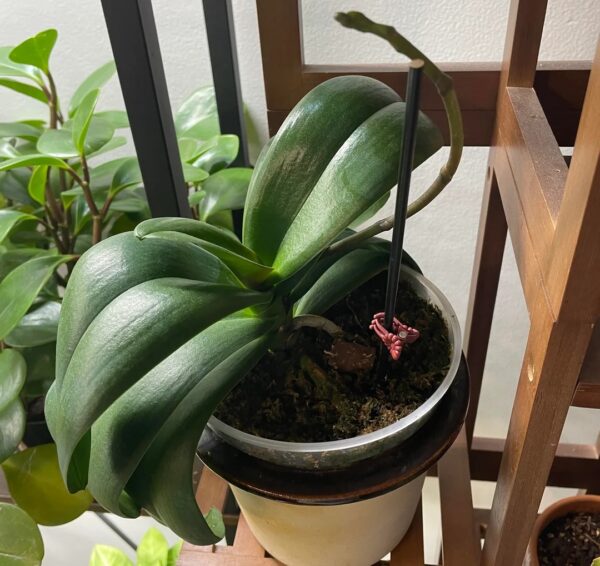
1. Overwatering Your Orchid
Overwatering is the number one reason orchids decline or die. Beginners often water on a fixed schedule without checking the potting mix or roots. Orchid roots need air as much as water, and constant moisture suffocates them, leading to rot. When roots rot, the plant cannot absorb nutrients, even if you fertilize regularly.
Easy Fix: Water only when the potting mix is nearly dry and roots look silvery instead of green. Always drain excess water completely.
2. Using the Wrong Potting Mix
Planting orchids in regular garden soil is a major mistake. Soil holds too much moisture and blocks airflow, which orchid roots desperately need. In nature, most orchids grow attached to trees, not buried in the ground. A dense mix slowly kills roots and causes yellow leaves.
Easy Fix: Use a chunky orchid mix made of bark, charcoal, and perlite to allow fast drainage and airflow.
3. Pots Without Drainage Holes
Even if you water correctly, a pot without drainage traps water at the bottom. This creates a hidden pool that keeps roots wet for days, encouraging rot and fungal disease. Decorative pots often look attractive but silently damage orchids over time.
Easy Fix: Always grow orchids in pots with multiple drainage holes and empty cache pots after watering.
4. Insufficient Light
Orchids need bright light to grow and bloom, but many are kept in dark corners of rooms. Low light causes slow growth, weak leaves, and no flowers. Without enough light, orchids cannot produce the energy required for blooming.
Easy Fix: Place orchids near an east- or west-facing window with bright, indirect light.
5. Too Much Direct Sunlight
While orchids need light, harsh direct sunlight can burn their leaves. Sunburn appears as white, yellow, or brown patches that never recover. Many orchids suffer when placed on sunny windowsills without protection.
Easy Fix: Use sheer curtains or move the orchid slightly away from direct midday sun.
6. Ignoring Root Health
Many people focus only on leaves and flowers, forgetting that roots reveal the plant’s true condition. Rotten, black, or mushy roots mean the orchid is struggling, even if the leaves look fine. Healthy roots are firm and green or silvery.
Easy Fix: Check roots regularly and trim dead roots with sterilized scissors.
7. Watering With Cold Water
Cold water shocks orchid roots, especially during winter. Sudden temperature changes stress the plant and can slow growth or damage roots. Orchids prefer stable, mild conditions similar to tropical rain.
Easy Fix: Use room-temperature water for every watering.
8. Low Humidity Levels
Orchids are tropical plants that thrive in humid air. Dry indoor air, especially from air conditioners or heaters, causes leaf dehydration, bud drop, and poor growth. Many orchids struggle silently in low humidity environments Many orchids struggle silently in low humidity environments, even when watering and light seem correct.
Easy Fix: Increase humidity by placing the orchid on a pebble tray with water, grouping plants together, or using a small humidifier nearby.
9. Poor Air Circulation
Stagnant air creates the perfect environment for fungal and bacterial diseases. Orchids evolved in breezy forest canopies, where fresh air constantly dries leaves and roots. Without airflow, moisture lingers too long and infections spread quickly.
Easy Fix: Ensure gentle air movement with an open window or a small fan set on low, never blowing directly on the plant.
10. Fertilizing Too Much
More fertilizer does not mean faster growth. Overfertilizing burns roots, causes salt buildup, and can stop blooming entirely. Many orchids decline slowly due to excess nutrients rather than deficiency.
Easy Fix: Fertilize lightly—about once every 2–3 weeks—with a balanced orchid fertilizer at half strength.
11. Not Fertilizing at All
While too much fertilizer is harmful, none at all also causes problems. Orchids grown in bark mixes receive almost no nutrients from their media. Without feeding, growth becomes weak and blooms disappear.
Easy Fix: Use a “weakly, weekly” approach—small amounts of fertilizer during active growth periods.
12. Leaving Salt Buildup in the Pot
Tap water and fertilizers leave mineral salts behind in the potting mix. Over time, these salts damage roots and block nutrient uptake, even if watering habits are correct.
Easy Fix: Flush the pot thoroughly with plain water once a month to wash away excess salts.
13. Repotting at the Wrong Time
Repotting while an orchid is blooming or stressed can shock the plant and cause flower drop. Many people repot immediately after buying an orchid, unknowingly disrupting its growth cycle.
Easy Fix: Repot only after flowering ends and when new roots begin to grow.
14. Waiting Too Long to Repot
Old potting mix breaks down and becomes compacted, suffocating roots. Orchids left in decomposed bark often show yellow leaves and stalled growth.
Easy Fix: Repot every 1–2 years using fresh orchid mix.
15. Cutting Healthy Roots
Beginners sometimes cut firm green or silvery roots during repotting, thinking they are dead. This weakens the plant and slows recovery.
Easy Fix: Only remove roots that are black, mushy, or hollow. Healthy roots should always be preserved.
16. Incorrect Temperature Exposurep
Orchids dislike extreme temperature swings. Cold drafts, heaters, or hot kitchens can cause stress, leaf damage, and bud drop.
Easy Fix: Keep orchids in a stable environment between 18–27°C (65–80°F), away from vents and drafts.
17. Expecting Continuous Blooms
Many orchid owners believe something is wrong when flowers fall. In reality, most orchids bloom once a year and rest afterward. Leaves and roots grow during this non-blooming phase.
Easy Fix: Focus on healthy leaves and roots, not constant flowers—blooms will return naturally.
18. Ignoring Seasonal Changes
Orchid care needs change with seasons. Watering and fertilizing the same way year-round often leads to problems in winter or extreme heat.
Easy Fix: Reduce watering and fertilizer during cooler, darker months and increase slightly during active growth.
19. Using Leaf Shine Products
Leaf shine sprays clog pores and attract dust, interfering with respiration and photosynthesis. While leaves may look glossy, the plant suffers underneath.
Easy Fix: Clean leaves gently with a damp cloth instead of chemical sprays.
20. Giving Up Too Soon
Orchids recover slowly. Many people discard orchids that look weak, not realizing recovery can take months. Orchids often appear worse before they improve.
Easy Fix: Be patient, correct the care issues, and give your orchid time to rebuild roots and strength.
Final Thoughts: Orchid Care Isn’t Hard—It’s About Balance
If your orchid care isn’t working, it doesn’t mean orchids are impossible to grow. It simply means one or two basic needs are out of balance. Light, water, airflow, and patience matter more than complicated routines. Once these common mistakes are corrected, orchids often surprise their owners by bouncing back stronger and blooming beautifully.
FAQS
1. Why does my orchid look unhealthy even though I water it regularly?
Many orchids decline not because of neglect, but because of overcare. Watering too frequently can suffocate roots and cause rot, even if the leaves look dry. Orchids prefer a wet-dry cycle that allows air to reach their roots, mimicking natural rainforest conditions. Overwatering is one of the most common beginner mistakes.
2. Why are my orchid leaves turning yellow?
Yellowing leaves can signal natural aging, but widespread yellowing often points to stress. Poor drainage, root damage, sudden temperature changes, or excessive sunlight may be responsible. Observing whether the yellowing starts from older or newer leaves helps identify the true cause before correcting care routines.
3. Why isn’t my orchid blooming?
Orchids need specific triggers to bloom, especially proper light exposure and temperature variation. Without enough indirect light or a slight drop in nighttime temperatures, orchids may grow leaves but never produce flowers. Blooming also requires patience, as many orchids flower only once per year
4. Can the wrong pot stop orchid growth?
Yes, the pot plays a critical role in orchid health. Pots without drainage holes trap moisture and restrict airflow, leading to root rot. Orchids thrive in breathable containers that allow excess water to drain quickly, keeping roots healthy and oxygenated.
5. Is orchid soil different from regular potting soil?
Orchids should never be planted in regular garden or houseplant soil. Dense soil holds too much water and blocks airflow. Orchid potting mixes are designed with bark, charcoal, or perlite to support roots while allowing rapid drainage and aeration.
6. Why do orchid roots turn brown or mushy?
Healthy orchid roots are firm and green or silvery. Brown, mushy roots indicate rot caused by excess moisture or poor ventilation. Once roots decay, the plant struggles to absorb nutrients and water, slowing growth and increasing the risk of plant collapse.
7. Does humidity really matter for orchids?
Yes, orchids evolved in humid
environments where moisture surrounds their leaves and roots. Dry indoor air can slow growth and cause leaf wrinkling. Maintaining moderate humidity through trays, grouping plants, or misting helps orchids stay hydrated without waterlogged roots.
8. Can too much light damage orchids?
Excessive sunlight can scorch orchid leaves, leaving yellow or black burn marks. Orchids prefer bright, indirect light rather than harsh direct sun. Placing them near filtered windows or behind sheer curtains helps provide enough light without causing damage.
9. Why do orchid buds fall off before opening?
Bud drop often occurs due to sudden environmental changes. Temperature fluctuations, dry air, repotting during blooming, or exposure to gas fumes can shock the plant. Orchids prefer stability, especially during bud formation and flowering stages.
10. Should orchids be fertilized often?
Orchids benefit from light, regular feeding rather than heavy fertilization. Overfertilizing can burn roots and damage leaves. Using a diluted orchid fertilizer during active growth supports healthy leaves and blooms without overwhelming the plant’s sensitive root system.
11. Why does my orchid grow leaves but no flowers?
Leaf growth without blooms usually means the plant lacks proper light or temperature cues. Orchids prioritize survival before flowering. Adjusting light levels and allowing cooler nighttime temperatures can help shift energy from leaf production to bloom development.
12. Can repotting stress an orchid?
Orchids are briefly stressed when they are repotted, particularly if their roots are damaged. But as the potting mix degrades, repotting is crucial. The secret is to handle orchids gently, use fresh medium, and give them time to heal before anticipating new growth or blossoms.
13. Why do orchid leaves look wrinkled?
Wrinkled leaves usually indicate dehydration, not always lack of water. Damaged or rotting roots may prevent water absorption even in moist conditions. Checking root health is crucial before increasing watering frequency, which could worsen the problem.
14. Do orchids need rest periods?
Many orchids require rest periods after blooming. During this time, growth slows and watering needs decrease. Forcing constant growth through excess water or fertilizer can weaken the plant. Allowing natural cycles supports long-term orchid health.
15. Why is my orchid leaning or unstable?
An unstable orchid often has weak or damaged roots that cannot anchor the plant. This may result from old potting mix, rot, or improper pot size. Securing the plant and improving root conditions helps restore stability and growth.
16. Can temperature affect orchid success?
Temperature directly impacts orchid metabolism and flowering. Extreme heat or cold can halt growth or cause stress. Most orchids prefer warm days and slightly cooler nights, which mimic their natural environment and encourage blooming cycles.
17. Why does orchid care feel confusing?
Orchid care seems complex because orchids differ greatly from common houseplants. Their roots, watering needs, and light preferences are unique. Once these differences are understood, orchid care becomes predictable and much easier to manage consistently.
18. When should I water my orchid?
The best time to water orchids is when the potting mix is nearly dry. Watering schedules vary based on climate, pot size, and season. Checking root color and pot weight is more reliable than following a fixed weekly routine.
19. Can pests affect orchid growth?
Yes, pests like mealybugs and spider mites weaken orchids by feeding on sap. This stress can prevent blooming and stunt growth. Regular inspection and early treatment keep infestations from spreading and protect overall plant health.
20. What should I do if Orchid Care Isn’t Working?
When Orchid Care Isn’t Working, step back and reassess the basics—light, water, airflow, and roots. Most problems come from overwatering or poor drainage. Correcting one issue at a time and observing plant response leads to steady improvement rather than quick fixes.