
Feel free to share!
The jasmine flower is celebrated worldwide for its romantic fragrance and timeless beauty. Its tiny white blossoms can turn any garden into a heavenly scented paradise. But to keep your jasmine healthy and blooming continuously, you must know its unique care secrets. This post reveals the 20 best secrets for fragrant jasmine blooms that every gardener should know.
Table of Contents 👈 Tap Here
Caring for jasmine goes beyond basic watering and sunlight. It’s about understanding what keeps its roots strong, what boosts flower fragrance, and how to maintain steady blooming through every season. Follow these science-backed tips to transform your jasmine into a lush, sweet-smelling masterpiece.
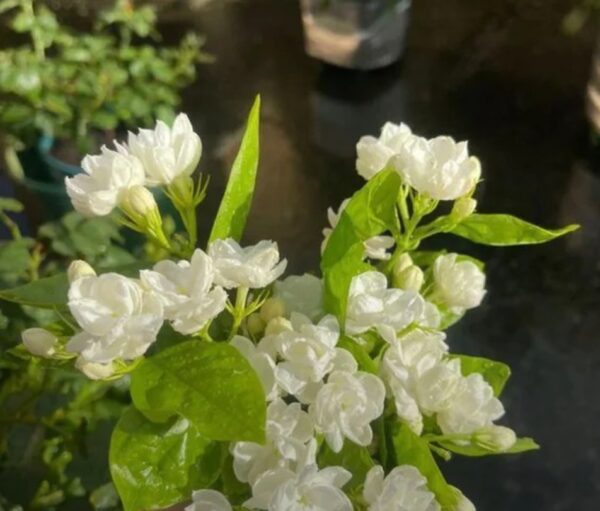
1. Choose the Right Jasmine Variety
Not all jasmines are equally fragrant. The Arabian jasmine (Jasminum sambac) produces small, intensely fragrant white flowers, while Common jasmine (Jasminum officinale) offers long, star-shaped blooms with a delicate scent. Gardeners in tropical regions can also try Spanish jasmine for high fragrance. Choosing the right type suited to your climate ensures consistent flowering and rich aroma.
2. Pick a Sunny Location
The jasmine flower thrives in bright sunlight. For the best results, provide 4–6 hours of direct sunlight daily. Sunlight strengthens stems, improves photosynthesis, and increases essential oil production within the blooms, which enhances their scent. If grown indoors, keep your jasmine near a south-facing window or balcony where it can soak up the sun’s warmth and light.
3. Use Well-Draining Soil
Healthy roots are the foundation of a fragrant jasmine plant. Use a well-draining soil mix that combines garden soil, compost, and coarse sand in equal parts. This ensures proper aeration and prevents waterlogging, which can lead to root rot. Jasmine thrives in slightly acidic soil (pH 6.0–6.5). Adding organic compost once a month keeps the soil nutrient-rich and boosts flower production.
4. Maintain Proper Watering Routine
The secret to beautiful jasmine blooms lies in balanced watering. Jasmine loves moisture but dislikes standing water. When the top inch of soil is dry to the touch, water it. During summer, increase watering frequency, and reduce it in winter. Always use room-temperature water. Overwatering suffocates roots, while underwatering stresses the plant, reducing both bloom size and fragrance intensity.
5. Feed with Organic Fertilizer
Fertilizing jasmine with organic compost or liquid seaweed extract provides essential nutrients for continuous flowering. During the active growth season (spring to early autumn), apply a balanced NPK fertilizer (10-10-10) every two weeks. Organic options like bone meal, vermicompost, or banana peel fertilizer improve soil fertility naturally and make the plant’s fragrance richer and longer-lasting.
6. Prune Regularly
Pruning is essential for jasmine health. Regularly remove dead, weak, or tangled stems after each flowering cycle. This encourages new shoots, improves air circulation, and prevents pests. Cutting just above leaf nodes stimulates branching, leading to more flower buds. Remember—clean pruning tools help avoid infection and keep your plant growing strong and productive.
7. Support with Trellis or Fence
Climbing jasmine varieties, like Star jasmine and Madagascar jasmine, need sturdy support. A trellis, bamboo stick, or wire fence helps the plant climb and display its flowers beautifully. Vertical growth increases sunlight exposure and prevents lower stems from drying out. Trained jasmine vines can cover pergolas, walls, or fences, creating a natural, aromatic green screen.
8. Use Mulch to Retain Moisture
Adding a 2–3 inch layer of organic mulch around the base helps retain soil moisture and regulate temperature. Materials like coconut husk chips, dried leaves, or straw work best. Mulch reduces weed growth, keeps roots cool in summer, and slowly decomposes to enrich the soil. This steady nourishment supports more vibrant blooms and greener foliage.
9. Maintain Ideal Temperature
Jasmine loves warmth and moderate humidity. The ideal range is 15°C to 30°C. In cooler climates, protect jasmine from frost by covering it at night or bringing pots indoors. High temperatures above 35°C may cause leaf burn, so provide partial shade during extreme heat. Maintaining stable temperatures keeps your jasmine in bloom longer with stronger, sweeter fragrances.
10. Avoid Overcrowding
Overcrowded plants block airflow, leading to fungal infections like powdery mildew. Always give your jasmine flower enough space—about 2–3 feet between plants. Proper spacing allows air to circulate freely and sunlight to reach every leaf. Healthy airflow keeps leaves dry, reduces pests, and ensures each plant receives enough light to produce abundant, aromatic blooms.
11. Control Pests Naturally
Pests like aphids, whiteflies, and spider mites can attack jasmine and weaken its blooms. Control them naturally with neem oil spray or homemade insecticidal soap. Mix neem oil with a few drops of dish soap and water, and spray weekly on affected areas. Regular leaf inspection helps detect problems early. Avoid harsh chemicals—they can damage flowers and reduce fragrance.
12. Repot When Needed
When jasmine becomes root-bound, growth slows and flowering decreases. Repot every 2–3 years in fresh soil using a container slightly larger than the old one. Trim any circling roots and add compost to the new pot. Repotting rejuvenates the plant, encourages fresh root growth, and enhances its ability to absorb nutrients for abundant blossoms.
13. Pinch Off Old Blooms
Deadheading—removing spent flowers—encourages jasmine to produce new buds instead of wasting energy on seed formation. Use clean scissors to snip faded flowers weekly. This simple step extends the blooming season and keeps the plant looking fresh. Consistent deadheading is a secret many gardeners overlook but it’s key to non-stop, fragrant flowering.
14. Keep Humidity Balanced
Jasmine thrives in moderate to high humidity. If grown indoors, maintain 50–60% humidity using a humidifier, pebble tray, or regular misting. Dry air can cause leaf drop and reduced scent. During monsoon season, ensure good ventilation to avoid fungal issues. Balanced humidity not only boosts leaf shine but also improves bloom longevity and fragrance intensity.
15. Use Epsom Salt Occasionally
Epsom salt contains magnesium and sulfur, which enhance chlorophyll production and improve flower fragrance. Dissolve one tablespoon of Epsom salt in one liter of water and apply monthly during the growing season. It strengthens stems, promotes lush green foliage, and triggers new buds. Avoid overuse, as excess salts can accumulate in the soil.
16. Provide Winter Protection
Cold winds and frost can severely damage jasmine. If you live in a cold region, move pots indoors or into a greenhouse. Cover outdoor plants with frost cloth or plastic sheeting on freezing nights. Reduce watering during winter dormancy. Protecting jasmine during cold months ensures it bounces back vigorously in spring with healthier, more fragrant blooms.
17. Propagate for More Plants
Propagating jasmine is rewarding and simple. Take 4–6 inch semi-hardwood cuttings from a healthy plant, remove lower leaves, and dip the base in rooting hormone. Plant in moist soil or perlite, cover with plastic, and keep warm. Within weeks, roots will form. This method helps expand your jasmine collection naturally without buying new plants.
18. Use Rainwater or Filtered Water
Hard water contains calcium and chlorine that may affect soil pH and block nutrient absorption. Whenever possible, use rainwater or filtered water for your jasmine. Collecting rainwater is eco-friendly and ideal for sensitive plants. If using tap water, let it sit overnight to allow chlorine to evaporate before watering. This keeps soil balanced and roots healthy.
19. Encourage Pollinators
Bees, butterflies, and other pollinators naturally boost jasmine’s bloom rate. Avoid synthetic pesticides that repel them. Instead, plant marigolds, zinnias, or basil nearby to attract helpful insects. Their activity stimulates pollen transfer, resulting in more frequent and larger blooms. A pollinator-friendly environment keeps your garden lively, balanced, and filled with fragrance.
20. Be Patient and Consistent
Growing jasmine requires patience, routine, and care. The plant takes time to adapt, grow, and bloom fully. Be consistent with watering, feeding, and pruning. Avoid sudden changes in light or temperature. Over time, your steady care will reward you with abundant blossoms and that enchanting fragrance that makes jasmine the queen of garden flowers.
The jasmine flower is more than just a beautiful plant—it’s a symbol of purity, peace, and love. By following these 20 expert secrets, you can create a garden that blooms with charm and fills your surroundings with irresistible fragrance. Remember, success with jas
mine comes from patience, natural care, and consistent attention. Start today, and let your garden become a paradise of scent and serenity.
FAQS
What is a Jasmine Flower and why is it so popular?
A Jasmine Flower is a beautiful, fragrant bloom known for its sweet scent and delicate white or yellow petals. The Jasmine Flower is widely used in perfumes, teas, and traditional ceremonies. People love the Jasmine Flower for its calming aroma, which symbolizes love, purity, and beauty in many cultures around the world.
2. How can I grow a Jasmine Flower at home?
To grow a Jasmine Flower at home, choose a sunny spot that receives at least 4–6 hours of sunlight daily. Plant the Jasmine Flower in well-draining soil, water it regularly, and provide support for climbing varieties. With proper care and pruning, your Jasmine Flower will thrive and fill your garden with an enchanting fragrance.
3. How often should I water my Jasmine Flower?
Watering a Jasmine Flower depends on its environment and weather. Generally, the Jasmine Flower prefers slightly moist but not soggy soil. During hot months, water the Jasmine Flower two to three times a week. Reduce watering in winter. Always ensure the Jasmine Flower roots are not sitting in water to prevent rot.
4. Does the Jasmine Flower need direct sunlight?
Yes, the Jasmine Flower thrives best in direct sunlight. It needs at least 4–6 hours of sunlight daily to produce healthy blooms. If grown indoors, place your Jasmine Flower near a sunny window. Without enough light, the Jasmine Flower may grow weak and produce fewer flowers, reducing its signature fragrance.
5. What are the different types of Jasmine Flower plants?
There are over 200 species of the Jasmine Flower. Popular ones include Arabian Jasmine, Winter Jasmine, and Spanish Jasmine. Each Jasmine Flower type varies in fragrance, bloom size, and growth habit. The Jasmine Flower family includes both vining and bushy varieties, making it versatile for gardens, balconies, or indoor spaces.
6. Can Jasmine Flower be grown indoors?
Yes, the Jasmine Flower can be successfully grown indoors if given proper care. Place your Jasmine Flower near a bright window with indirect sunlight. Ensure good air circulation and humidity. Indoor Jasmine Flower plants benefit from occasional misting and balanced fertilizer to maintain lush growth and continuous flowering throughout the year.
7. When does the Jasmine Flower bloom?
The Jasmine Flower generally blooms in late spring or summer, though some varieties bloom year-round in tropical regions. The Jasmine Flower prefers warm temperatures and long daylight hours. With proper sunlight, feeding, and pruning, your Jasmine Flower will reward you with abundant blossoms and an irresistible fragrance all season long.
8. How can I make my Jasmine Flower more fragrant?
To enhance the fragrance of your Jasmine Flower, provide it with full sunlight, regular watering, and nutrient-rich soil. The Jasmine Flower produces more scent when healthy and well-fed. Prune old stems to encourage new growth. Avoid overwatering, as root stress can reduce the natural fragrance of the Jasmine Flower blooms.
9. What are the medicinal uses of the Jasmine Flower?
The Jasmine Flower has been used in traditional medicine for centuries. Extracts from the Jasmine Flower help reduce stress, improve sleep, and promote relaxation. The Jasmine Flower is also used in teas and oils for its calming properties. Additionally, Jasmine Flower oils are believed to help with skin health and mood balance.
10. Can Jasmine Flower be used in cooking?
Yes, the Jasmine Flower is often used in culinary dishes and teas. Jasmine rice, for example, is scented with the Jasmine Flower’s natural aroma. The Jasmine Flower adds a delicate floral flavor to desserts, syrups, and herbal teas. Always ensure your Jasmine Flower is pesticide-free before using it for edible purposes.
11. Why is my Jasmine Flower not blooming?
If your Jasmine Flower isn’t blooming, it might not be getting enough sunlight or nutrients. The Jasmine Flower requires at least 4–6 hours of sun and proper pruning. Overwatering or using too much nitrogen fertilizer can also prevent blooms. Keep your Jasmine Flower healthy by balancing light, water, and feeding to encourage flowering.
12. How do I prune a Jasmine Flower plant properly?
Pruning your Jasmine Flower helps maintain shape and encourages new growth. Cut back weak or tangled stems after flowering. The Jasmine Flower responds well to light trimming throughout the growing season. Always use clean, sharp tools to prevent infections. Regular pruning keeps your Jasmine Flower bushy, vibrant, and full of fragrant blossoms.
13. What kind of fertilizer is best for J. Flowers?
A balanced, slow-release fertilizer works best for the J .Flowers. Feed the J. Flowers every 4–6 weeks during active growth with a fertilizer high in phosphorus to promote blooms. Avoid over-fertilizing, as it can cause leafy growth but fewer flowers. Always water your J Flowers before applying fertilizer to protect the roots.
14. Can J. Flowers grow in pots or containers?
Yes, the J. Flowers grows beautifully in pots and containers. Choose a medium-sized pot with drainage holes to prevent root rot. Use well-draining soil and place the J Flower in a sunny spot. Container-grown J. Flowers plants may need more frequent watering and feeding to stay healthy and produce abundant blossoms.
15. How can I protect my J. Flowers from pests?
The J .Flowers can be attacked by aphids, whiteflies, or spider mites. To protect your J. Flowers regularly inspect leaves and use neem oil or mild insecticidal soap. Good airflow and proper watering prevent pest buildup. Keeping your J. Flowers healthy and stress-free is the best way to avoid insect infestations naturally.