
Feel free to share!
Gifted orchids are often received on birthdays, anniversaries, or special occasions by people who have never cared for plants before. While orchids look delicate and expensive, they are not as difficult as many believe. With the right basic guidance, even complete beginners can keep their gifted orchid healthy, blooming, and beautiful for years.
Table of Contents 👈 Tap Here
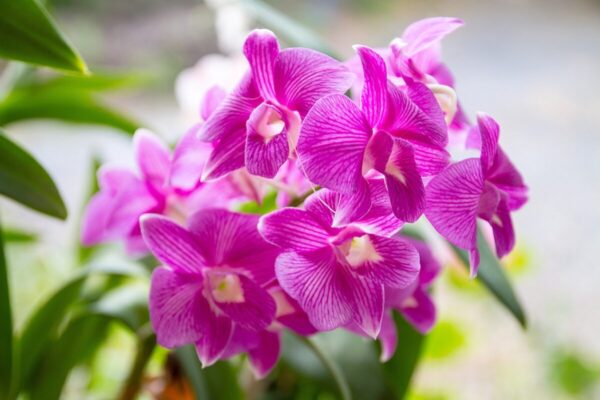
🌱 Understanding Your Gifted Orchid (Basics First)
1. Identify the Orchid Type
Most gifted orchids belong to beginner-friendly varieties like Phalaenopsis, Dendrobium, or Oncidium. Phalaenopsis orchids are the most common and easiest to care for indoors. Identifying your orchid helps you understand its light, water, and temperature needs, which prevents beginner mistakes early on.
2. Don’t Panic – Orchids Are Not Difficult
Many first-time owners panic after receiving an orchid because they believe orchids are fragile. In reality, orchids are hardy plants when cared for properly. They thrive in stable indoor environments and often need less attention than traditional houseplants once you understand their basic requirements.
💧 Watering & Humidity Essentials
3. How Often to Water Gifted Orchids
Orchid failure is most frequently caused by overwatering. Typically, gifted orchids require watering every seven to ten days. Prior to watering, always inspect the potting mix. Wait if it seems moist. Orchids would rather have somewhat dry roots than ones that are always wet, which can lead to root rot.
4. Best Water to Use
Room-temperature tap water is usually safe for orchids if it is not heavily chlorinated. Letting water sit overnight allows chemicals to dissipate. Avoid using ice cubes, as sudden cold can damage roots. Gentle, thorough watering is far better for beginners than shortcuts.
5. Humidity Needs Explained Simply
Orchids enjoy moderate humidity, ideally between 40% and 60%. Normal indoor humidity is often enough. Beginners can place the orchid near other plants or use a pebble tray with water underneath the pot. Misting is optional but should never soak the leaves or crown.
☀️ Light & Placement Guide
6. Best Light for Gifted Orchids
Bright, indirect light is perfect for gifted orchids. A spot near an east-facing or shaded south-facing window works well. Too little light slows growth, while direct sunlight can burn leaves. Healthy orchid leaves should be medium green, not dark or yellow.
7. Where NOT to Place Your Orchid
Avoid placing orchids in direct sunlight, near heaters, air conditioners, or kitchen appliances. Sudden temperature changes stress orchids and shorten flower life. A stable, calm location with good airflow helps beginners maintain healthy orchids with minimal effort.
🌸 Flower & Leaf Care
8. How Long Gifted Orchid Flowers Last
Orchid bloomsOrchid blooms typically last between six to twelve weeks, depending on care and environment. Flower drop after this period is normal and does not mean the plant is dying. Beginners should understand that orchids rest between flowering cycles, just like many other plants.
9. Should You Cut the Flower Spike?
After flowers fall, beginners often wonder whether to cut the spike. For Phalaenopsis orchids, cutting the spike above a visible node may encourage reblooming. If the spike turns brown, it should be fully trimmed. Clean scissors help prevent infections.
10. Healthy Leaves vs Warning Signs
Healthy orchid leaves are firm,
smooth, and green. Yellowing leaves may indicate overwatering or aging, while wrinkled leaves suggest dehydration. Beginners should observe leaves regularly, as they provide early warnings about watering, light, and root health.
Potting & Feeding Basics
11. Why Orchids Don’t Grow in Soil
Orchids
Orchids do not grow on soil; instead, they grow clinging to trees. Around their roots, they require air. For adequate drainage and airflow, gifted orchids are planted in bark or moss. A common starting error is using ordinary dirt, which suffocates roots and causes decay.
12. When to Repot a Gifted Orchid
Repotting is usually needed every one to two years or when roots outgrow the pot. Beginners should wait until flowering ends before repotting. Fresh orchid bark improves airflow and prevents disease. Repotting too often can stress the plant unnecessarily.
13. Beginner-Safe Orchid Fertilizer
Orchids need to be fed lightly. It is sufficient to use a balanced orchid fertiliser once or twice a month. To prevent root burn, novices should dilute fertiliser to half its strength. Feeding promotes future flowering and leaf growth, but it should never take the place of adequate light and watering.
❌ Common Beginner Mistakes
14. Overwatering – The #1 Orchid Killer
Many gifted orchids fail because beginners water too frequently. Orchids prefer drying slightly between watering. Wet roots suffocate and decay quickly. Learning to wait and observe the plant is one of the most important habits for long-term orchid success.
15. Ignoring Root Health
Orchid roots are visible and should be checked occasionally. Healthy roots are green or silvery, while unhealthy roots appear brown and mushy. Beginners should not fear inspecting roots, as early detection prevents serious problems and builds confidence in orchid care.
16. Moving the Orchid Too Often
Constantly moving an orchid causes stress. Orchids adapt slowly to their environment. Beginners should choose a good location and keep the orchid there. Stability helps maintain healthy growth and prevents bud drop or delayed reblooming.
🌼 Long-Term Care & Reblooming
17. Will Gifted Orchids Bloom Again?
Yes, gifted orchids can rebloom with proper care. Many beginners believe orchids flower only once, which is incorrect. With adequate light, watering, and patience, orchids often rebloom annually, sometimes producing even more flowers than before.
18. How to Encourage Reblooming
Slight nighttime temperature drops and good lighting encourage reblooming. Beginners should focus on healthy leaves and roots rather than forcing flowers. Orchids reward consistent care over time, not quick fixes or constant adjustments.
🛡️ Troubleshooting & Confidence Boost
19. What to Do If Flowers Fall Off
Flower loss is often normal and not a sign of failure. Beginners should focus on leaf and root health after blooming ends. Orchids rest before their next flowering cycle. Understanding this natural process helps reduce unnecessary worry and overcare.
20. Simple Daily Care Routine
A simple routine includes checking moisture, observing leaves, and ensuring good placement. Orchids do not need daily watering or attention. Two minutes of observation every few days builds confidence and ensures long-term success for first-time orchid owners.
Conclusion
Receiving gifted orchids is not a burden but an opportunity to enjoy a long-living, elegant plant. With basic understanding and patience, even beginners can keep orchids thriving and reblooming. Orchids reward calm, consistent care, making them one of the most satisfying plants for new owners.