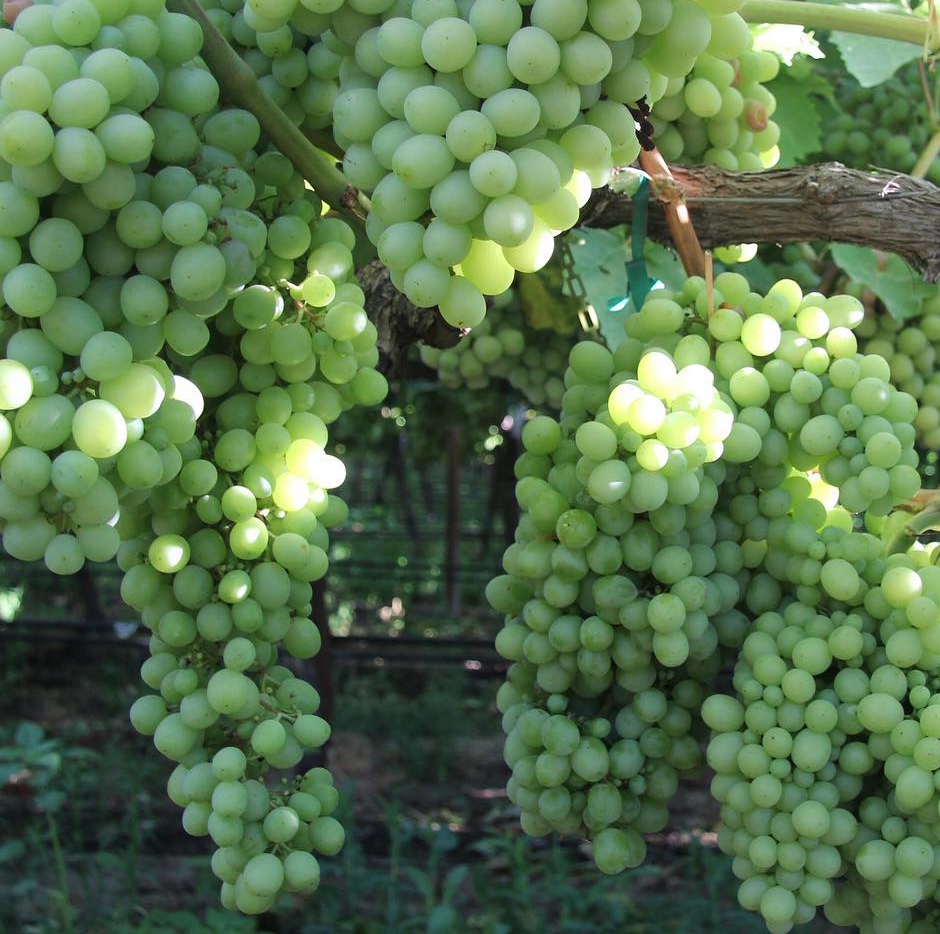
Feel free to share!
Growing sweet, juicy grapes in your own backyard can be a delightful experience, especially when it comes to the uniquely flavored Cotton Candy Grapes. Cotton Candy Grapes are not only a treat for the taste buds but also a fun gardening challenge for enthusiasts of all levels. With the right care, attention, and knowledge, you can enjoy these vibrant, sugary grapes right from your home garden.
Table of Contents 👈 Tap Here
In this guide, we’ll explore 20 best tips to grow Cotton Candy Grapes at home, helping you nurture healthy vines, boost fruit production, and savor the extraordinary flavor of this special variety. Whether you’re a beginner or an experienced gardener, these tips will make your grape-growing journey both enjoyable and rewarding.
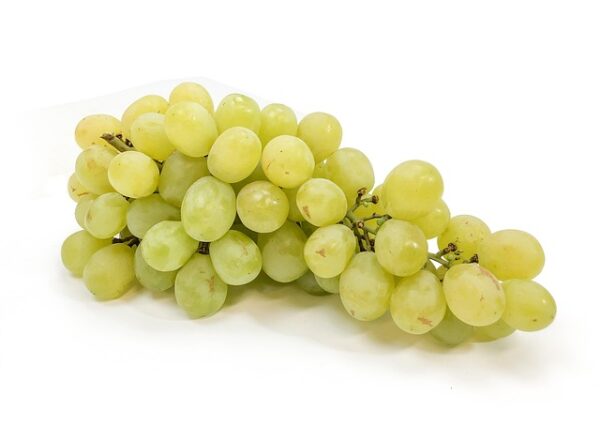
1. What Are Cotton Candy Grapes?
Cotton candy grapes are a special seedless variety that tastes surprisingly like the popular carnival treat. Unlike traditional grapes, their sweetness is naturally concentrated due to selective crossbreeding. Understanding the uniqueness of cotton candy grapes is essential for home growers, as they require proper sunlight, soil, and care. Growing them successfully depends on mimicking the right conditions to maximize flavor, yield, and overall plant health.
2. Where Should You Plant Cotton Candy Grapes?
These grapes thrive in full sunlight, needing at least 6 to 8 hours of direct light each day for strong growth and maximum sweetness. Choose a warm, south-facing spot in your garden or balcony. In cooler climates, a greenhouse or sun-exposed wall can help. Providing optimal sunlight ensures your vines grow healthy, produce abundant fruit, and develop the signature cotton candy flavor.
3. What Soil Works Best for Cotton Candy Grapes?
Cotton candy grapes grow best in well-draining, loamy soil with a pH between 6.0 and 6.5. Heavy clay soils can suffocate roots, while sandy soils may dry too quickly. To improve poor soil, mix in compost, aged manure, or organic matter. Healthy soil ensures strong root systems, better water retention, and nutrient uptake, which directly affects the flavor and quantity of grapes.
4. Can You Grow Cotton Candy Grapes in Containers?
Yes, cotton candy grapes can grow in large containers if space is limited. Choose pots at least 20–25 gallons in size with proper drainage. Use a rich mix of garden soil, compost, and sand for good nutrition and aeration. Install a sturdy trellis or support system for climbing. Container-growing allows control over water, soil, and sunlight while still producing high-quality fruit.
5. How Do You Choose the Right Vine?
Always buy certified cotton candy grape vines from reputable nurseries or online sellers. Check for healthy green stems and firm roots, and avoid plants with spots or signs of disease. Investing in high-quality vines reduces the risk of disease, poor yield, or flavorless grapes. Starting with strong, vigorous plants sets a solid foundation for productive growth and long-term success in home gardening.
6. What’s the Best Way to Plant Cotton Candy Grapes?
Plant vines in early spring when the soil warms up, spacing them 6–8 feet apart for adequate air circulation. Dig a hole deep enough to accommodate the roots while keeping the crown above the soil surface. Adding a trellis or arbor immediately helps the vine climb and spread. Proper planting ensures strong root establishment, better fruit production, and reduces the risk of disease or overcrowding.
7. How Much Water Do Cotton Candy Grapes Need?
Cotton candy grape vines need consistent watering, particularly during the first year of growth. Deep watering once or twice a week is better than frequent shallow watering, as it encourages strong root development. Avoid waterlogging, which can cause root rot. Using drip irrigation or soaker hoses provides even moisture, while mulching helps retain water and protects roots from temperature fluctuations and soil drying.
8. Which Fertilizer Is Best?
Balanced fertilizers like 10-10-10 NPK work well for cotton candy grapes, applied in early spring before new growth begins. Organic options like compost, bone meal, or fish emulsion are excellent alternatives. Avoid over-fertilizing, as excessive nitrogen promotes leaf growth over fruiting. Proper nutrition enhances vine health, improves grape size and sweetness, and ensures a strong, productive plant for many years.
9. How Do You Train the Vines?
Cotton candy grape vines need support to grow well. Use trellises, arbors, or wire systems to guide the vines. Training the shoots helps sunlight reach all leaves, prevents overcrowding, and makes harvesting easier. Tie young shoots loosely and adjust as they grow. Proper training encourages strong structure, better airflow, and higher fruit yield while reducing disease risk and ensuring each grape cluster receives adequate sunlight.
10. Why Is Pruning Important?
Pruning is essential for healthy grapevines. It removes dead or overcrowded shoots, allowing the plant to focus energy on fruit production. Prune during late winter when the vine is dormant, leaving around 15 buds per plant. Regular pruning improves air circulation, reduces disease, promotes even ripening, and ensures higher-quality grapes. Without pruning, vines may become overgrown, producing smaller, less sweet fruit over time.
11. How Do You Control Pests and Diseases?
Common pests for cotton candy grapes include aphids, spider mites, and mealybugs, while fungal diseases like powdery mildew can appear. Natural solutions like neem oil or insecticidal soap work well. Ensure good airflow by pruning and spacing vines properly. Avoid overhead watering to prevent fungal growth. Early detection and proper care keep your grapevines healthy, productive, and free from harmful pests.
12. Why Use Mulch?
Mulching around grapevines retains soil moisture, reduces weeds, and regulates soil temperature. Organic mulches such as straw, wood chips, or shredded leaves are ideal. Keep mulch a few inches away from the vine trunk to prevent rot. Mulching enhances root development, conserves water, and maintains healthier soil conditions, which directly improves grape yield and sweetness. It’s a simple but highly effective care technique.
13. Do Cotton Candy Grapes Need Pollination?
Cotton candy grapes are self-pollinating, so they don’t require hand pollination. However, pollinators like bees improve fruit set and quality. Maintaining a pollinator-friendly garden with flowers nearby encourages natural pollination. While the vines will produce fruit on their own, supporting pollinators ensures better yield, healthier grapes, and stronger vines that will thrive for multiple growing seasons.
14. What Seasonal Care Is Needed?
Seasonal care ensures healthy growth and high-quality grapes. In spring, fertilize and train new shoots. Summer requires regular watering and pest management. Fall is harvest time, followed by adding compost to enrich soil. In winter, prune vines and protect young plants from frost with mulch or covers. Following this cycle keeps vines productive, fruit sweet, and plants resilient year after year.
15. When Are Cotton Candy Grapes Ready to Harvest?
Grapes are usually ripe late summer to early fall. Look for golden-green grapes with a soft, sweet taste. Unlike some fruits, grapes do not ripen after picking, so timing is crucial. Harvest carefully to avoid bruising. Picking fully ripe grapes ensures the signature cotton candy flavor, higher sugar content, and the best eating experience.
16. How to Store and Preserve Grapes?
Fresh cotton candy grapes can last up to two weeks in the refrigerator. For longer storage, freeze them in airtight bags or make raisins. Frozen grapes are a refreshing, natural snack, perfect for hot weather. Proper storage prevents spoilage, preserves sweetness, and ensures you can enjoy your homegrown grapes even after harvest. Always handle grapes gently to maintain their quality.
17. What Mistakes Should You Avoid?
Common mistakes include overwatering, insufficient pruning, and planting in shade. Overwatering can cause root rot, while poor pruning reduces fruit yield. Shade reduces sugar concentration, making grapes less sweet. Avoiding these mistakes ensures your vines remain productive and your cotton candy grapes reach their full flavor potential. Careful attention to these details saves time and enhances results.
18. How to Boost Sweetness Naturally?
Sweetness improves with full sunlight, moderate water, and nutrient-rich soil. Reducing water slightly during ripening concentrates natural sugars. Healthy vines with proper pruning and pest control produce the sweetest grapes. Regular monitoring and care, including sunlight exposure and soil maintenance, ensures that your homegrown cotton candy grapes achieve the maximum flavor potential.
19. Can They Grow in Any Climate?
Cotton candy grapes prefer warm, sunny climates like California. In cooler regions, grow them near south-facing walls or in greenhouses. Winter protection with mulch or frost covers is essential in colder climates. With careful planning, even gardeners in temperate areas can enjoy these sweet grapes. Climate adaptation ensures consistent growth, fruit quality, and long-term vine survival.
20. How to Keep Vines Productive Long-Term?
Long-term productivity depends on consistent pruning, soil enrichment, and pest management. Remove old, unproductive canes annually and replace them with new shoots. Fertilize, mulch, and monitor water carefully. Well-maintained vines can produce high-quality grapes for decades. Following these steps ensures continuous yield, healthy plants, and sweet, cotton candy-flavored grapes season after season.
Growing cotton candy grapes at home requires patience, knowledge, and consistent care. By following these 20 best tips—from selecting healthy vines to pruning, training, and harvesting—you can enjoy sweet, flavorful grapes right from your garden. Start small, follow these proven practices, and in a few years, your vines will reward you with nature’s candy, making the effort truly worthwhile.
FAQS
1. What are Cotton Candy Grapes?
Cotton Candy Grapes are a special variety of grapes known for their sweet flavor that resembles cotton candy. Unlike regular grapes, Cotton C Grapes have a unique taste that makes them perfect for snacking, desserts, and even juices. Growing Cotton C . Grapes at home allows you to enjoy their distinctive flavor fresh from your garden anytime.
2. How do I grow Cotton C. Grapes at home?
To grow Cotton C . Grapes at home, start by selecting a sunny location with well-drained soil. These grapes need regular watering, proper pruning, and support structures like trellises for optimal growth. By following these steps, you can successfully cultivate Cotton C . Grapes in your backyard and enjoy a bountiful harvest each season.
3. How long does it take for Cotton C. Grapes to grow?
Cotton C .Grapes usually take about two to three years to produce fruit after planting. Proper care, including sunlight, watering, fertilization, and pruning, can help your vines grow faster and healthier. Patience is key when growing Cotton Candy Grapes at home, but the sweet, unique taste makes the wait worthwhile.
4. What soil is best for Cotton C Grapes?
Cotton C Grapes thrive in loamy, well-drained soil with a slightly acidic to neutral pH. Adding organic compost improves soil fertility and helps your Cotton Candy Grapes develop strong roots. Ensuring the right soil conditions is essential for growing healthy Cotton C. Grapes that produce abundant, sweet, and juicy fruits.
5. Can Cotton C . Grapes grow in pots?
Yes, Cotton C . Grapes can be grown in large pots or containers, provided they have enough space for roots to expand and receive full sunlight. Container-grown Cotton C. Grapes need regular watering, fertilization, and support for climbing. With proper care, growing Cotton C .Grapes in pots can be just as rewarding as in-ground planting.
6. How do I care for Cotton C . Grapes during winter?
During winter, Cotton C . Grapes require protection from frost and freezing temperatures. Mulching around the base and covering the vines with breathable fabric can help safeguard your Cotton C. Grapes. Proper winter care ensures that your vines remain healthy and ready to produce delicious Cotton Candy G . in the next growing season.
7. How often should I water Cotton C. Grapes?
Although overwatering can damage the roots, cotton c .grapes require regular watering, particularly during dry spells. Depending on the soil and weather, water deeply once or twice a week. Keeping your cotton c . grapes properly hydrated promotes healthy growth and guarantees that the grapes will acquire their distinctively sweet flavour.
8. How do I prune Cotton C. Grapes?
Pruning is crucial for healthy growth and fruit production in Cotton C. Grapes. Cut back old or weak stems each year to allow new shoots to flourish. Regular pruning encourages airflow, reduces disease, and maximizes the number of Cotton C .Grapes on each vine, helping you enjoy a bigger and tastier harvest.
9. How can I protect Cotton C . Grapes from pests?
Cotton C .Grapes are vulnerable to pests like aphids, birds, and grapevine moths. Using natural pesticides, netting, or companion plants can protect your vines. Consistent monitoring ensures that your Cotton C. Grapes remain healthy, allowing you to enjoy a plentiful harvest of these sweet and unique grapes.
10. When can I harvest Cotton C. Grapes?
Cotton Candy Grapes are usually ready for harvest in late summer to early fall when they turn a deep, translucent color. Taste-testing a few grapes helps determine the perfect time to pick. Harvesting at the right moment ensures the sweetest flavor and maximum enjoyment of your homegrown Cotton Candy Grapes.