Boat orchids: a guide to caring for these beautiful plant
Table of Contents 👈 Tap Here
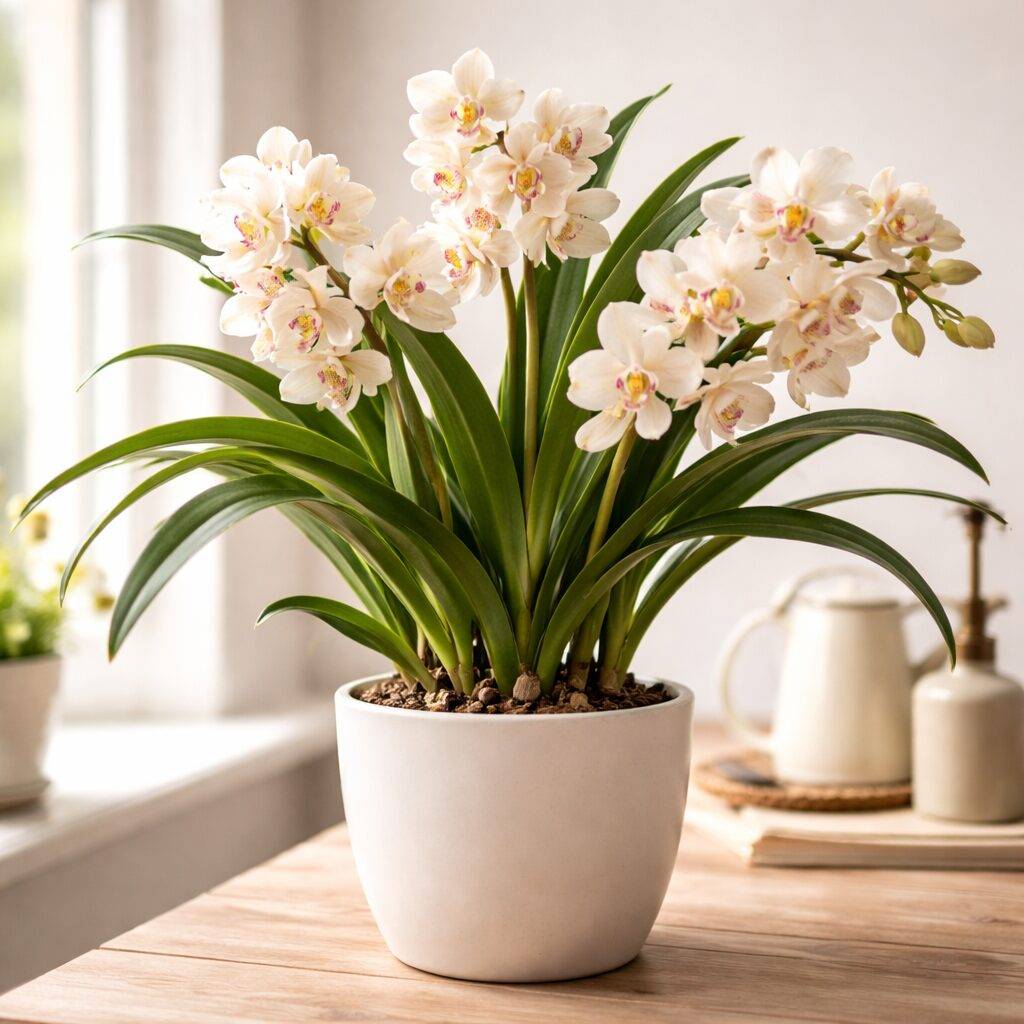
Boat orchids, also known as Cymbidium orchids, are among the most elegant and rewarding flowering plants you can grow. Loved for their long-lasting blooms, vibrant colours, and graceful arching spikes, these orchids bring a touch of natural luxury to any home or garden. Unlike many delicate orchid varieties, boat orchids are surprisingly hardy, making them an excellent choice for both beginners and experienced plant lovers.
Native to the cool, mountainous regions of Asia, Cymbidium orchids thrive in conditions that many other orchids struggle with, especially cooler temperatures. Their resilience, combined with their stunning floral display, makes them one of the most popular orchids worldwide.
In this complete guide, you’ll discover everything you need to know about caring for boat orchids—from light and watering to feeding and blooming—so you can grow healthy plants that flower beautifully year after year.
What Are Boat Orchids?
Boat orchids (Cymbidium) are a genus of evergreen orchids that hail from the cool, mountainous regions of the Himalayas, China, and Southeast Asia. These plants are cherished for their long, arching flower spikes, which can last several weeks or even months, bringing prolonged beauty to your home or garden.
The term “boat orchid” comes from the distinctive boat-shaped lip of the flowers, which is a genus-specific feature.
With their wide range of colours, including whites, pinks, yellows, and greens, boat orchids are truly a sight to behold.
Why Choose Boat Orchids?
Boat orchids are not only admired for their beauty but also for their hardiness. Unlike many other orchid species that require precise care and conditions, Cymbidiums are more forgiving and can tolerate cooler temperatures and less-than-perfect growing environments. This makes them an excellent choice for those who may be new to orchid care or who want a low-maintenance yet stunning plant. Their ability to bloom profusely in the winter months, when other plants may be dormant, adds to their appeal, making them a year-round favourite among orchid enthusiasts.
How to Care for Boat Orchids
1. Light requirements
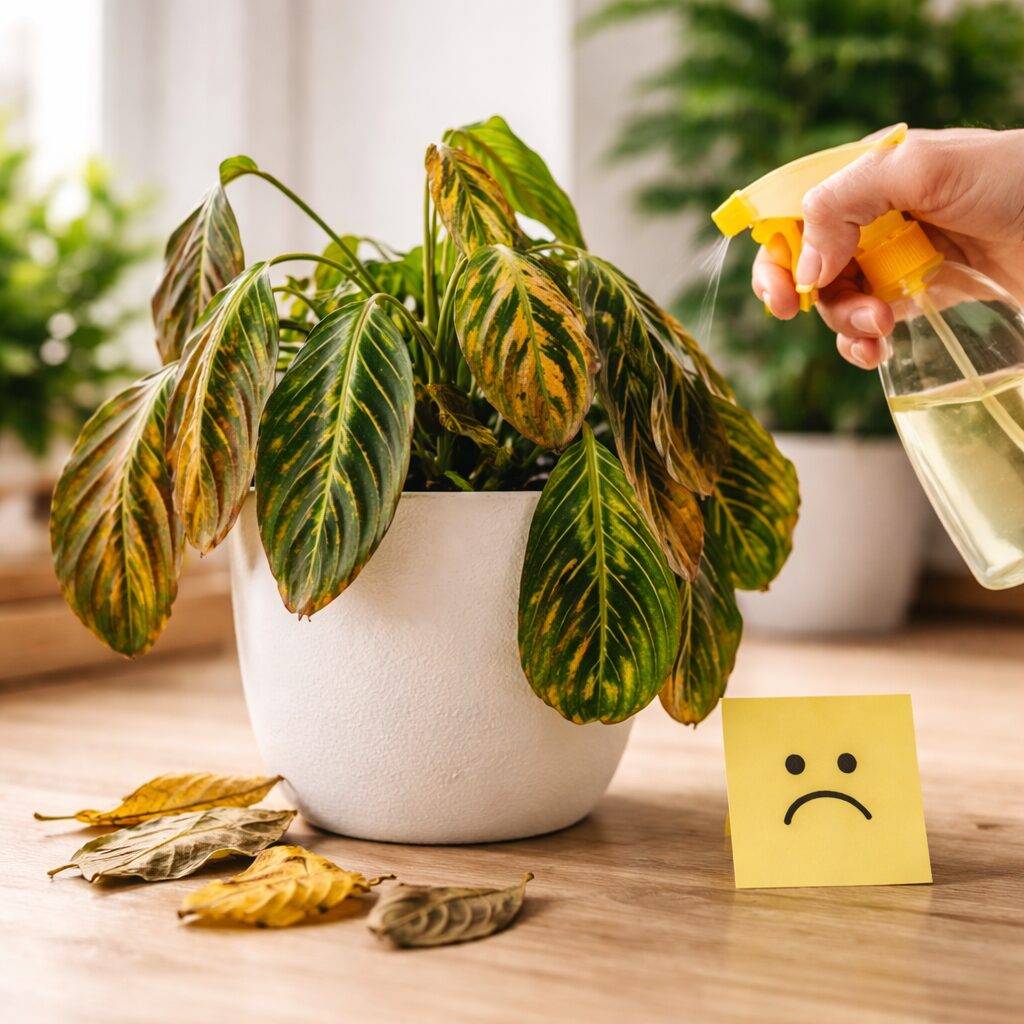
Proper lighting is essential for the healthy growth of boat orchids. These plants thrive in bright, indirect light. Ideally, they should be placed near a window where they can receive plenty of natural light without being exposed to direct sunlight, which can scorch their delicate leaves. If you notice that the leaves are turning yellow, it may be a sign that the plant is receiving too much light, while dark green leaves may indicate insufficient light. Striking the right balance is key to ensuring your orchid’s health and vitality.
2. Temperature and Humidity
One of the appealing aspects of boat orchids is their ability to tolerate cooler temperatures, which makes them suitable for a variety of indoor environments. During the growing season, which typically occurs in spring and summer, these orchids prefer daytime temperatures ranging from 75°F to 85°F (24°C to 29°C) and nighttime temperatures between 50°F and 60°F (10°C to 15°C).
As fall and winter approach, allowing cooler night temperatures can help trigger the plant’s flowering cycle. Boat orchids also thrive in moderate humidity levels, ideally between 50% and 70%. If your home tends to be dry, especially during the winter months, consider using a humidity tray or a humidifier to create a more suitable environment for your orchid.
3. Watering
Watering is a crucial aspect of boat orchid care. These plants prefer to be kept evenly moist, but they should never be waterlogged, as this can lead to root rot, a common issue with overwatered orchids. The key is to water thoroughly when the top inch of the potting mix feels dry to the touch.
During the growing season, you may need to water more frequently, especially if the weather is warm or your home is dry. In the dormant period, usually late fall to winter, you can reduce the watering frequency as the plant’s growth slows down. Always use well-draining potting mix specifically designed for orchids, often containing bark, charcoal, and perlite, to prevent water from accumulating around the roots.
4. Feeding
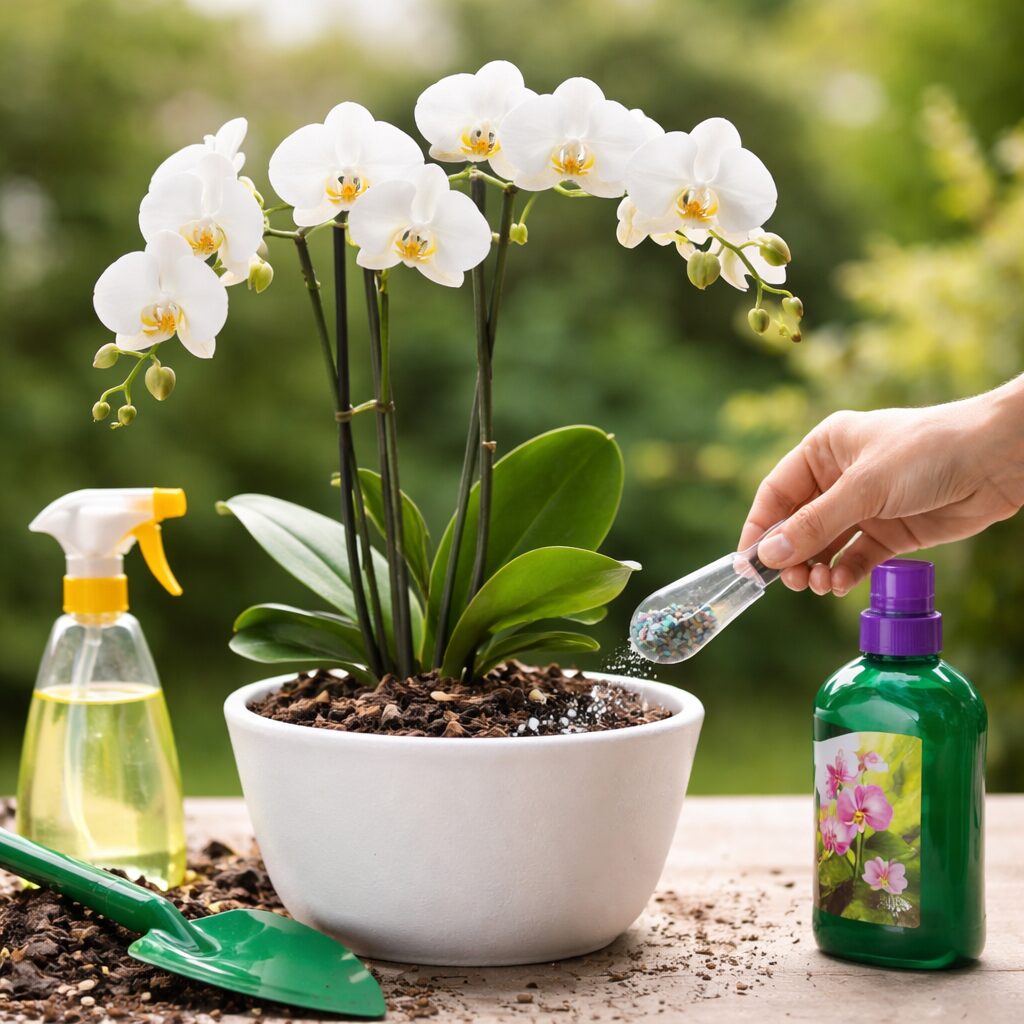
Feeding your boat orchid regularly is important for promoting healthy growth and encouraging abundant blooms. During the growing season, use a balanced orchid fertiliser (20-20-20) diluted to half strength and apply it every two weeks.
This will supply the nutrients to your plant needs to flourish.
In the fall and winter, when the plant’s growth slows down, you can reduce feeding to once a month. Be careful not to overfertilise, as this can lead to salt buildup in the potting mix, which can harm the plant’s roots.
5. Repotting
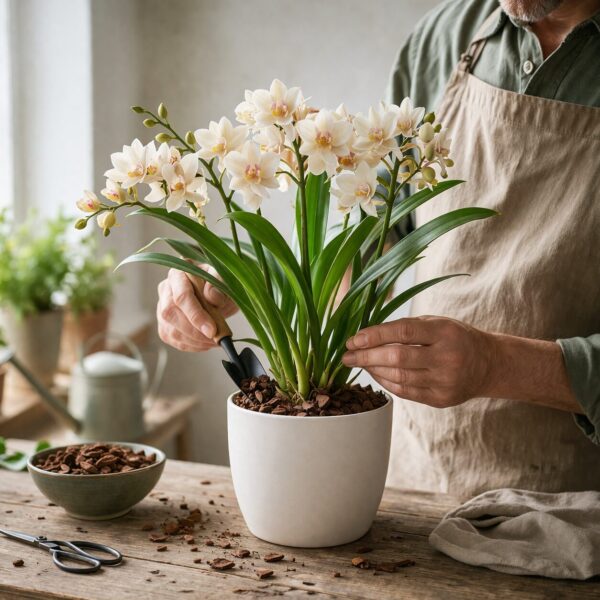
Boat orchids typically need to be repotted every 2 to 3 years, or when they outgrow their current container. Repotting is best done after the plant has finished flowering, usually in the spring or early summer. When repotting, choose a slightly larger pot to accommodate the plant’s growing root system and refresh the potting mix to provide fresh nutrients. Be sure to use an orchid-specific potting mix that allows for adequate drainage and aeration. During repotting, carefully trim away any dead or rotting roots to maintain the health of the plant.
6. Pest and Disease Management
While boat orchids are generally hardy, they are not entirely immune to pests and diseases. Common pests that may affect your orchid include aphids, spider mites, and scale insects. Regularly inspect your plants for any signs of infestation, such as discoloured leaves or sticky residue, and treat any issues promptly with insecticidal soap or neem oil. Root rot can also be a problem, particularly if the plant is overwatered or the potting mix does not drain well. To prevent this, ensure you are following proper watering practices and avoid letting the plant sit in standing water. Having enough airflow surrounding the plant can also aid in preventing fungal diseases.
Common Problems and Solutions
Even with the best care, boat orchids can sometimes encounter problems. Here are a few common issues and how to address them:
Yellowing Leaves: If your boat orchid’s leaves are turning yellow, this could be a sign of too much direct sunlight. Try moving your orchid to a location with bright, indirect light to prevent further damage.
No Blooms: If your orchid isn’t blooming, it might not be getting enough light, or the nighttime temperatures may not be cool enough. Ensure your orchid is receiving the right amount of light and adjust the temperatures, especially in the fall, to encourage blooming.Mushy Roots: Overwatering or inadequate drainage are common causes of rotten or mushy roots.
If you notice this issue, check the roots, trim away any damaged parts, and repot the plant in a fresh, well-draining mix. Be sure to adjust your watering habits to prevent future problems.
Boat orchids provide beauty and hardiness to any gardener’s collection, making them a great addition.
Their striking blooms and easy-care nature make them an ideal choice for those looking to add a touch of the exotic to their home or garden. By following the care tips outlined in this guide, you can enjoy healthy, thriving boat orchids that will reward you with their stunning flowers for years to come. Whether you’re a seasoned gardener or a beginner, boat orchids are sure to bring joy and elegance to your plant collection. Happy gardening!
FAQ on Boat Orchids
1. What are Cymbidium orchids and why are they popular?
Cymbidium orchids are a group of elegant flowering plants known for their long-lasting blooms and ability to thrive in cooler conditions compared to many other orchid varieties. Gardeners love Cymbidium orchids for their vibrant colours, strong flower spikes, and relatively easy care, making them a great choice for both beginners and experienced plant enthusiasts.
2. How do you care for Cymbidium orchids at home?
Caring for Cymbidium orchids involves providing bright, indirect sunlight, moderate watering, and a well-draining potting mix. These orchids prefer cooler temperatures and benefit from regular feeding during the growing season. With consistent care, Cymbidium orchids can produce healthy foliage and stunning blooms that last for several weeks.
3. How often do Cymbidium orchids bloom each year?
Cymbidium orchids typically bloom once a year, usually during the cooler months when temperatures drop at night. With proper care, including adequate light and seasonal temperature variation, Cymbidium orchids can produce multiple flower spikes that last for several weeks, making them a reliable and rewarding plant for consistent seasonal blooms.
4. What type of light do Cymbidium orchids need?
Cymbidium orchids thrive in bright, indirect light, which helps them grow strong leaves and develop flower spikes. While they can tolerate some direct morning sunlight, harsh afternoon sun may damage their foliage. Placing Cymbidium orchids near an east- or south-facing window ensures they receive enough light for healthy growth and blooming.
5. What is the ideal temperature for Cymbidium orchids?
Cymbidium orchids prefer daytime temperatures between 20°C and 30°C and cooler nights around 10°C to 15°C. This temperature difference is essential to trigger blooming. Unlike many tropical orchids, Cymbidium orchids tolerate cooler climates, which makes them suitable for growing in regions with mild winters or indoor environments.
6. How often should Cymbidium orchids be watered?
Cymbidium orchids should be watered when the top layer of the potting mix feels slightly dry. During active growth, they require more frequent watering, while in winter, watering can be reduced. It is important to keep Cymbidium orchids evenly moist but never waterlogged, as excess moisture can lead to root rot.
7. What type of soil is best for Cymbidium orchids?
Cymbidium orchids grow best in a well-draining orchid mix that typically includes bark, perlite, and charcoal. This type of medium allows proper airflow around the roots and prevents water retention. Using the right potting mix helps Cymbidium orchids maintain healthy roots and supports steady growth and flowering.
8. Do Cymbidium orchids need fertiliser?
Yes, Cymbidium orchids benefit from regular feeding during their growing season. A balanced orchid fertiliser applied every two weeks helps promote strong foliage and flower development. During the dormant period, feeding Cymbidium orchids once a month is sufficient to maintain plant health without overloading nutrients.
9. When should Cymbidium orchids be repotted?
Cymbidium orchids should be repotted every two to three years or when the pot becomes crowded with roots. The best time to repot Cymbidium orchids is after flowering, usually in spring. Repotting provides fresh growing medium and space for root expansion, which supports healthier growth and better blooming.
10. Can Cymbidium orchids be grown indoors?
Cymbidium orchids can grow successfully indoors if they receive enough bright, indirect light and proper air circulation. They perform well near windows where natural light is available. With the right care conditions, Cymbidium orchids can thrive indoors and produce beautiful blooms that enhance living spaces.
11. Why are the leaves of Cymbidium orchids turning yellow?
Yellowing leaves in Cymbidium orchids are often caused by excessive sunlight, overwatering, or nutrient imbalance. Adjusting light exposure and ensuring proper watering can help restore plant health. Healthy Cymbidium orchids typically have firm, green leaves, so monitoring these factors is important for maintaining their condition.
12. Why are Cymbidium orchids not blooming?
Cymbidium orchids may fail to bloom if they do not experience cooler night temperatures or receive insufficient light. Providing a temperature drop in the fall and ensuring bright lighting can encourage flowering. Proper care and seasonal adjustments help Cymbidium orchids develop strong flower spikes and blooms.
13. Do Cymbidium orchids need humidity?
.
Cymbidium orchids prefer moderate humidity levels between 50% and 70%, which helps maintain healthy leaves and roots. In dry indoor environments, increasing humidity with trays or humidifiers can benefit Cymbidium orchids and support better growth, especially during warmer months.
14. What pests affect Cymbidium orchids?
Cymbidium orchids can be affected by pests such as aphids, spider mites, and scale insects. Regular inspection and early treatment help prevent damage. Using natural solutions like neem oil or insecticidal soap can protect Cymbidium orchids and keep them healthy throughout the growing season.
15. Can Cymbidium orchids grow outdoors?
Cymbidium orchids can grow outdoors in mild climates where temperatures stay within their preferred range. They benefit from fresh air and natural light when placed in shaded areas. Outdoor conditions can enhance the growth of Cymbidium orchids, provided they are protected from extreme sunlight and frost.
16. How long do Cymbidium orchid flowers last?
The flowers of Cymbidium orchids are known for their longevity and can last several weeks to even months under the right conditions. This long-lasting bloom period makes Cymbidium orchids highly valued for decorative purposes and floral arrangements in homes and gardens.
17. What makes Cymbidium orchids different from other orchids?
Cymbidium orchids stand out because they tolerate cooler temperatures and produce multiple flowers on long spikes. Unlike many tropical orchids, Cymbidium orchids are more adaptable and easier to care for, making them suitable for beginners and those looking for low-maintenance flowering plants.
18. How do you encourage Cymbidium orchids to bloom?
To encourage blooming, Cymbidium orchids need bright light, proper feeding, and cooler night temperatures during the fall. This combination signals the plant to produce flower spikes. Consistent care and seasonal changes help Cymbidium orchids bloom reliably each year.
19. Are Cymbidium orchids suitable for beginners?
Cymbidium orchids are considered beginner-friendly due to their resilience and adaptability. They can tolerate a wider range of conditions compared to other orchids. With basic care, Cymbidium orchids can thrive and produce beautiful blooms, making them an excellent choice for new plant growers.
20. Do Cymbidium orchids have fragrance?
Some Cymbidium orchids produce a pleasant fragrance, although it varies by variety. Their scent can range from light and subtle to more noticeable, adding an extra layer of appeal. Fragrant Cymbidium orchids are especially popular for indoor spaces where both beauty and aroma are appreciated.
Hi, I’m Steve, an orchid grower with 30+ years of hands-on experience caring for indoor and outdoor plants. I share practical, tested tips and beginner-friendly guides to help plant enthusiasts nurture healthy, thriving plants.