
Feel free to share!
Onions are one of the most versatile and essential ingredients in kitchens worldwide. Their unique flavor enhances countless recipes, and they’re easy to grow in your backyard. Whether you are a home gardener looking to grow onions or a cooking enthusiast who wants to store and use them perfectly, this guide provides the best 20 expert tips to help you master onions like a true pro.
Table of Contents 👈 Tap Here
🌱 Part 1: 7 Essential Tips to Grow Onions Successfully
1️⃣ Choose the Right Onion Variety
Onions come in various types: short-day, long-day, and day-neutral varieties. Each type has its own growing requirement based on your region’s daylight hours. Short-day onions work best in southern regions with less daylight, while long-day onions flourish in northern areas with longer summer days. Choosing the right variety ensures strong growth and excellent bulb development.
2️⃣ Prepare the Soil Properly
Onions thrive in well-drained, fertile soil with a slightly acidic to neutral pH of 6.0 to 7.0. Before planting, enrich the soil with plenty of organic compost or well-rotted manure. This improves soil structure, fertility, and moisture retention. Proper soil preparation helps promote strong root growth and prevents waterlogging, which can damage delicate onion bulbs.
3️⃣ Plant at the Right Time
Timing is critical for successful onion cultivation. Plant onion sets or seedlings in early spring in colder regions, after the last frost passes. In warmer climates, fall planting works best. This ensures onions have enough time to establish before the hot summer or cold winter, depending on your local climate. Proper timing increases yield and bulb quality.
4️⃣ Proper Spacing and Depth
When planting onions, provide 4 to 6 inches of space between plants and plant them approximately 1 inch deep. Proper spacing helps prevent overcrowding, which reduces airflow and increases the risk of disease. Adequate depth protects the bulb while allowing proper root establishment. Well-spaced onions grow larger, healthier, and with better bulb formation.
5️⃣ Watering Best Practices
Onions need to be watered often, particularly during the most crucial stage of bulb growth. Depending on the soil type and amount of rainfall, water deeply once or twice a week. Do not overwater; this will cause decay. Keeping the soil damp but not wet is crucial. In addition to preventing stress, which slows development, proper watering guarantees consistent growth.
6️⃣ Fertilization Secrets
Start by using a balanced fertilizer rich in phosphorus and potassium during planting to promote root growth. As plants mature, switch to nitrogen-rich fertilizers every 3 to 4 weeks to boost leaf development. Avoid excessive nitrogen near harvest time, as it can delay bulb maturation. Proper fertilization supports strong plants and large, flavorful bulbs.
7️⃣ Pest & Disease Control
Onions can be affected by pests like onion maggots and thrips, as well as diseases such as downy mildew and onion rot. To combat these, use organic neem oil or insecticidal soap for pest control. Crop rotation prevents disease buildup. Regular monitoring helps catch early signs of infestation, so your crop stays healthy and productive.
🏠 Part 2: 6 Expert Tips for Storing Onions
8️⃣ Cure Onions Properly
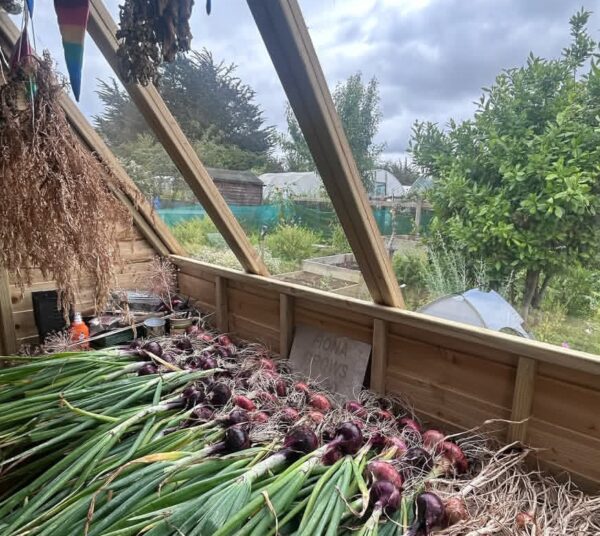
After harvesting onions, curing is essential to extend shelf life. Place them in a well-ventilated, dry location for 2 to 3 weeks until the outer skins harden. Proper curing allows the onion necks to dry and prevents rot. Well-cured onions can last several months when stored in the right conditions, offering long-term value.
9️⃣ Ideal Storage Conditions
Onions store best in a cool, dark, and dry area with good airflow. The ideal temperature is 32–40°F (0–4°C). Avoid direct sunlight and high humidity, which promote sprouting or spoilage. Keeping onions in breathable containers helps maintain the right environment. Proper storage prevents mold and maintains freshness, taste, and texture.
🔟 Avoid Mold & Rot
Plastic bags trap moisture, leading to mold or rot. Instead, use mesh bags, baskets, or slatted crates that allow air circulation. Regularly inspect stored onions for soft spots or mold and remove any affected bulbs to prevent spread. Proper handling at harvest and storage dramatically increases onion shelf life and keeps them usable for months.
1️⃣1️⃣ Use Mesh Bags or Baskets
Using mesh bags or baskets ensures constant airflow around the onions, preventing moisture buildup and mold formation. Unlike plastic bags, breathable storage containers maintain dryness and prevent condensation. Hanging onions in well-ventilated areas or storing them in wire racks provides the best environment, keeping your harvest in peak condition for long-term use.
1️⃣2️⃣ Freezing Onions
For long-term storage, peel and chop onions, then freeze them in airtight containers or freezer bags. Frozen onions retain flavor for cooked dishes like soups and stews but may lose crunch, making them unsuitable for fresh applications. Freezing is an excellent way to avoid waste and keep onions on hand when out of season.
1️⃣3️⃣ Storing Chopped Onions
Chopped onions can be stored in airtight containers in the refrigerator for up to 7 to 10 days. Label the container with the date to avoid spoilage. Keep the onions cold and dry to prevent bacterial growth. This makes meal prep faster and more convenient, while reducing waste and saving time.
🍳 Part 3: 7 Pro Tips for Using Onions in Cooking
1️⃣4️⃣ How to Cut Onions Perfectly
Learn proper cutting techniques for uniform results: peel, slice, dice, or chop. A sharp knife helps avoid crushing the onion, which releases excess sulfur and causes tears. Leave the root end intact while cutting to hold the onion together. Uniform pieces ensure even cooking and professional presentation.
1️⃣5️⃣ Reducing Onion Tears
To cut onions without tears, chill them in the fridge for 30 minutes beforehand. Cutting near running water or using a sharp knife reduces the release of tear-inducing sulfur compounds. Wearing goggles provides extra protection. These tricks allow a comfortable and efficient chopping experience without eye irritation.
1️⃣6️⃣ Caramelizing Onions the Right Way
For perfectly caramelized onions, cook them slowly over low heat using a small amount of oil or butter. Stir occasionally for 30 to 45 minutes until they turn golden brown and sweet. Avoid high heat, which burns the onions. Caramelized onions add rich flavor to soups, burgers, pizzas, and more.
1️⃣7️⃣ Using Raw vs Cooked Onions
Raw onions are ideal for salads, salsas, and sandwiches, providing a sharp bite. Cooked onions bring sweetness and depth to soups, stews, and sautés. Knowing when to use each depends on the recipe and desired flavor profile. Experiment with both to unlock versatile cooking options.
1️⃣8️⃣ Onion Pairings
Onions pair perfectly with garlic, tomatoes, peppers, and meats like beef or chicken. They complement herbs such as thyme, rosemary, and parsley. Combining onions with acidic ingredients like vinegar enhances flavor balance. Exploring different pairings expands your cooking possibilities and takes dishes to the next level.
1️⃣9️⃣ Making Onion Powder at Home
Onions can be thinly sliced and dried in a dehydrator or low-temperature oven for a few hours until they are crisp to make onion powder. Next, use a blender to ground them into a fine powder. Store away from moisture in sealed containers. Without the use of additives or preservatives, homemade onion powder enhances the flavour of food.
2️⃣0️⃣ Creative Onion Recipes
Don’t limit onions to the basics. Explore unique onion-based recipes like French onion soup, onion chutney, pickled onions, and crispy onion bhajis. These dishes highlight the versatility of onions in international cuisines and introduce bold flavors to your culinary repertoire, impressing both family and guests.
✅ Conclusion
Onions are easy to grow, store, and use when you follow the right methods. From choosing the right variety to curing, storing properly, and using them in delicious recipes, these 20 expert tips will help you make the most of this kitchen staple.
🌱 Grow healthy onions, 🏠 store them properly, and 🍳 cook them creatively.