Feel free to share!
Orchids are often misunderstood plants, especially once their beautiful flowers fade. Many people assume the plant’s life is over, but in reality, the end of blooming marks the beginning of a critical recovery and growth phase. Proper post-bloom care strengthens roots, leaves, and future flower spikes. By understanding what your orchid needs after blooming, you can significantly improve its health, longevity, and chances of reblooming stronger and more beautifully.
Table of Contents 👈 Tap Here
Orchids Finished Blooming
1. Confirm the Blooming Cycle Is Complete
Before taking any action, it is important to confirm that your orchid has truly finished blooming. A blooming cycle is considered complete when all flowers have naturally fallen off the spike and no new buds are forming. This stage allows the orchid to redirect energy from flowers to leaves and roots. Rushing into pruning or repotting too early can stress the plant and delay future blooms.
2. Inspect the Flower Spike Carefully
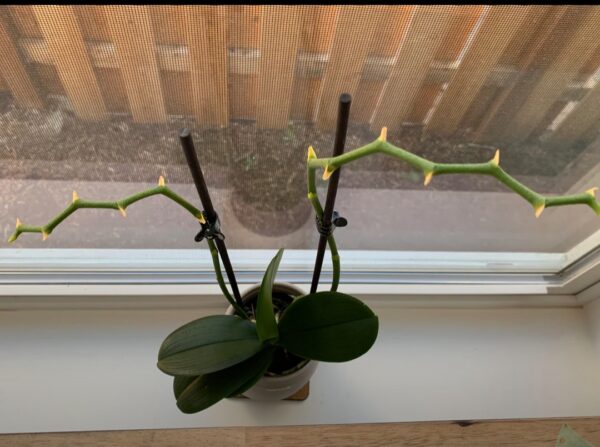
Once blooming has ended, closely examine the flower spike to determine its condition. A green, firm spike indicates that the orchid may still reuse it for side shoots or secondary blooms. A yellowing or browning spike usually signals that it has completed its purpose. Understanding the spike’s condition helps you decide the correct next step without weakening the orchid’s overall structure or growth potential.
3. Decide Whether to Cut or Keep the Flower Spike
If the flower spike remains green, you may leave it intact or trim it slightly above a visible node to encourage branching. This method can sometimes produce new flowers sooner. However, if the spike has turned completely brown and dry, cutting it at the base is best. Removing dead spikes helps the orchid conserve energy and prevents unnecessary stress during the recovery phase.
4. Support Leaf Health After Blooming
Healthy leaves are essential for orchids after blooming, as they store energy needed for future flower production. During this phase, leaves should appear firm, green, and glossy. Gently wiping them with a damp cloth removes dust and improves light absorption. Avoid water accumulation at the leaf base, as this can cause rot. Strong leaf health directly impacts the orchid’s ability to rebloom successfully.
5. Monitor and Protect Root Health
Roots play a vital role in orchid recovery after blooming. Healthy roots are firm and green or silvery, while unhealthy roots appear mushy or dark. Ensure proper airflow around the roots by using a well-draining orchid mix. Overwatering during this stage is one of the most common mistakes. Healthy roots allow efficient nutrient absorption and support steady growth throughout the resting phase.
6. Adjust Watering After Flowers Fall
After blooming, orchids generally require less frequent watering. The goal is to keep roots hydrated without allowing them to sit in soggy conditions.To avoid root rot, let the potting media dry somewhat in between waterings. Always water thoroughly, letting excess water drain completely. Consistent but controlled watering helps orchids recover gradually while preparing for new growth and flower spike development.
7. Maintain Proper Light and Temperature
Light and temperature play a crucial role in post-bloom orchid care. Orchids thrive in bright, indirect light, which supports photosynthesis without burning leaves. Slightly cooler nighttime temperatures can help trigger future blooming cycles. Avoid sudden changes in environment, as orchids are sensitive to stress. Stable light and temperature conditions ensure steady recovery and encourage the formation of healthy new spikes.
8. Repot Only If Necessary
Repotting is not always required after blooming and should only be done if the potting mix has broken down or roots are overcrowded. The post-bloom phase is the safest time to repot, as the plant is not actively flowering. Use fresh orchid mix and a pot that allows good drainage. Unnecessary repotting can disrupt root systems and slow down the reblooming process.
9. Prepare Your Orchid for the Next Bloom Cycle
Reblooming takes time, often several months, depending on the orchid variety and care conditions. During this period, focus on consistent watering, proper lighting, and light feeding during active growth. Avoid over-fertilizing, as this can harm roots. Patience and steady care are key. A well-maintained orchid will reward you with stronger spikes and longer-lasting blooms in the next cycle.
Conclusion
When orchids finish blooming, they enter a vital recovery stage that determines future flowering success. By understanding spike care, adjusting watering, protecting roots, and maintaining stable light conditions, you support the orchid’s long-term health. Orchids are hardy plants that thrive with careful maintenance. With patience and proper post-bloom maintenance, your orchid will not only survive but thrive and bloom again beautifully.
Frequently Asked Questions (FAQs)
1. What does it mean when orchids finished blooming?
When Orchids Finished Blooming, it means the plant has completed its natural flowering cycle and is entering a rest and recovery phase. During this time, energy shifts from producing flowers to strengthening roots and leaves. This stage is essential for long-term health and future blooms, so the plant should not be neglected or overhandled.
2. Are orchids dying when orchids finished blooming?
No, when Orchids Finished Blooming, the plant is not dying. Flower loss is a normal and healthy process in the orchid life cycle. With proper care, including correct watering, light, and root maintenance, orchids remain healthy and often rebloom. Misunderstanding this stage is one of the most common beginner mistakes.
3. Should I move my plant after orchids finished blooming?
After Orchids Finished Blooming, it is best to keep the orchid in a stable location with consistent light and temperature. Frequent movement can stress the plant during recovery. Choose a spot with bright, indirect light and good airflow so the orchid can rebuild strength without environmental shock.
4. Can orchids rebloom from the same spike after orchids finished blooming?
Yes, sometimes after Orchids Finished Blooming, a green flower spike can produce side branches or secondary blooms. This is more common in Phalaenopsis orchids. However, reblooming from the same spike may result in fewer flowers. Cutting the spike can redirect energy toward stronger future blooms.
5. How should I trim spikes when orchids finished blooming?
When Orchids Finished Blooming, inspect the spike color before trimming. Green spikes can be cut above a node to encourage branching, while brown or dry spikes should be removed at the base. Always use clean, sterilized tools to prevent disease and reduce stress on the plant.
6. What happens to roots after orchids finished blooming?
After Orchids Finished Blooming, roots continue growing and absorbing nutrients to prepare for the next flowering cycle. Healthy roots appear firm and green or silvery. This is a critical time to avoid overwatering and ensure proper drainage, as damaged roots can delay or completely prevent reblooming.
7. Should watering change after orchids finished blooming?
Yes, when Orchids Finished Blooming, watering usually needs to be slightly reduced. The plant uses less water without flowers, and excess moisture can lead to root rot. Allow the potting mix to dry partially between waterings while still maintaining consistent hydration for healthy recovery.
8. Is sunlight important after orchids finished blooming?
Light remains very important after Orchids Finished Blooming because leaves must photosynthesize to store energy. Bright, indirect light is ideal. Too little light can delay reblooming, while direct sunlight may scorch leaves. Balanced lighting supports steady growth and prepares the orchid for its next bloom cycle.
9. Should I fertilize after orchids finished blooming?
After Orchids Finished Blooming, light fertilization during active growth is beneficial. Use a diluted orchid fertilizer to support root and leaf development. Avoid heavy feeding during rest periods, as over-fertilization can damage roots and weaken the plant instead of promoting healthy future blooms.
10. When is the best time to repot after orchids finished blooming?
The safest time to repot is shortly after Orchids Finished Blooming, especially if the potting mix is old or roots are crowded. Repotting during this phase reduces stress because the orchid is not flowering. Fresh orchid mix improves airflow and helps maintain strong, disease-free roots.
11. Can orchids finished blooming still grow new leaves?
Yes, even when Orchids Finished Blooming, new leaf growth is common and healthy. Leaves act as energy storage for future flowers. Strong leaf development during this stage is a positive sign that the orchid is recovering properly and preparing for its next blooming cycle.
12. How long does dormancy last after orchids finished blooming?
After Orchids Finished Blooming, the resting period can last several months, depending on orchid type and care. Some orchids rebloom quickly, while others need extended recovery time. Consistent care during dormancy plays a major role in how soon and how well the orchid blooms again.
13. Can temperature changes help after orchids finished blooming?
Yes, gentle temperature changes can help after Orchids Finished Blooming. Slightly cooler nighttime temperatures often encourage spike formation later. Avoid extreme fluctuations, as orchids prefer stability. Controlled temperature differences signal seasonal changes and can naturally trigger the reblooming process.
14. Is it normal for leaves to drop after orchids finished blooming?
Leaf drop is not common after Orchids Finished Blooming and may indicate stress. Healthy orchids usually retain their leaves during recovery. If leaves yellow or fall, check watering, roots, and light conditions. Addressing these factors early prevents long-term damage and supports recovery.
15. Can I prune roots after orchids finished blooming?
After Orchids Finished Blooming, root pruning should only be done if roots are dead or rotting. Healthy roots should never be cut. Removing damaged roots during repotting improves airflow and prevents disease, but excessive pruning can slow recovery and delay future blooming.
16. Do orchids need humidity after orchids finished blooming?
Humidity remains beneficial after Orchids Finished Blooming, as orchids naturally thrive in moist air. Moderate humidity supports leaf and root health without encouraging rot. Using a humidity tray or light misting helps maintain balance, especially in dry indoor environments.
17. Can stress delay blooms after orchids finished blooming?
Yes, stress can significantly delay reblooming after Orchids Finished Blooming. Overwatering, poor light, frequent relocation, or damaged roots reduce stored energy. Minimizing stress during this phase allows orchids to recover efficiently and produce healthier flower spikes in the future.
18. Should I clean leaves after orchids finished blooming?
Cleaning leaves after Orchids Finished Blooming is helpful because it improves light absorption. Use a soft, damp cloth to remove dust and debris. Avoid leaf-shine products, as they can clog pores. Healthy, clean leaves directly contribute to energy storage and reblooming success.
19. Can orchids finished blooming grow keikis?
Yes, in some cases after Orchids Finished Blooming, orchids may produce keikis, which are baby plants growing from spikes or stems. This usually happens when the plant is healthy. Keikis should only be removed once they have developed strong roots of their own.
20. How can I ensure strong blooms after orchids finished blooming?
To ensure strong future flowers after Orchids Finished Blooming, focus on consistent care. Provide proper light, controlled watering, good airflow, and occasional feeding. Patience is essential, as orchids bloom on their own schedule. Healthy recovery habits almost always lead to better and longer-lasting blooms .