
Feel free to share!
Orchids are among the most beautiful and delicate flowering plants, but they can be surprisingly tricky to care for. One of the most common issues orchid growers face is underwatering. Failing to give orchids sufficient water can lead to multiple problems, from drooping leaves to stunted growth, and even prevent flowers from blooming. Proper watering is critical to maintain their lush foliage and vibrant blooms. This guide will cover the 20 best problems caused by orchid underwatering and their solutions, ensuring your orchids stay healthy, strong, and blooming throughout the year.
Table of Contents 👈 Tap Here
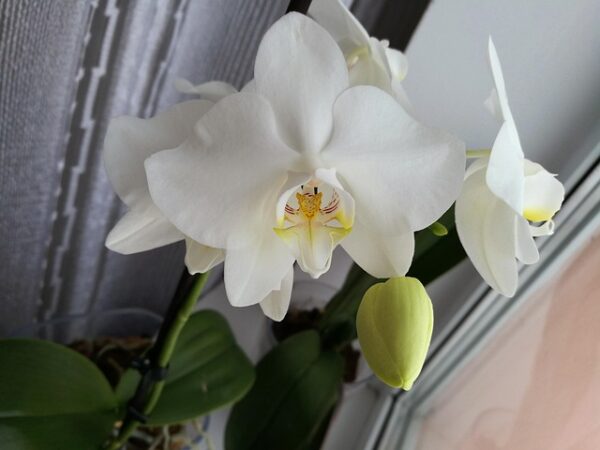
Signs of Orchid Underwatering
Recognizing underwatering early is key to saving your orchid and preventing irreversible damage. Orchids display subtle signs when stressed from lack of water. By observing the leaves, roots, and overall plant health, you can identify issues early and provide corrective measures. Early intervention helps restore the orchid’s vitality and encourages proper growth and flowering.
1. Wilting Leaves
Problem: Leaves start to droop, become limp, or lose their natural turgidity. Wilting often signals that the orchid is not receiving enough water and can lead to long-term stress if ignored.
Solution: Check the potting medium for dryness, and water your orchid thoroughly, ensuring water drains freely from the pot. Avoid letting the plant sit in standing water, which can cause other problems.
2. Dry or Shriveled Roots
Problem: Roots lose their plump, green appearance and become gray or brittle. Dry roots indicate insufficient water absorption and can compromise nutrient uptake.
Solution: Soak the orchid in lukewarm water for 15–20 minutes to rehydrate roots. Consider using a moisture-retentive medium or adding sphagnum moss to retain proper hydration while ensuring proper drainage.
3. Yellowing Leaves
Problem: Leaves turn yellow, typically starting at the tips or edges. Yellowing is a classic sign of underwatering but can also indicate nutrient deficiency if not corrected.
Solution: Adjust your watering schedule to maintain consistent moisture. Avoid overwatering while ensuring the orchid receives enough water to support healthy leaf and root function.
4. Slow or No Blooming
Problem: Orchids may produce leaves but fail to form flower spikes or bloom. Lack of water reduces energy for flowering, affecting overall plant aesthetics.
Solution: Maintain proper hydration and combine with sufficient light exposure and orchid-specific fertilizer. Consistent care can stimulate healthy blooms and encourage repeat flowering cycles.
5. Leaf Curl
Problem: Leaves curl inward or downward, indicating dehydration stress. Leaf curling can also occur under low humidity conditions, making the plant look unhealthy.
Solution: Increase humidity using a tray, misting, or indoor humidifier, and water your orchid correctly. Consistent moisture helps restore leaf shape and prevents further stress.
Leaf-Related Problems
6. Leaf Tips Turning Brown
Problem: Brown leaf tips appear due to insufficient water or inconsistent humidity. It diminishes the plant’s visual appeal and indicates stress.
Solution: Water evenly, ensuring all roots receive hydration. Maintain humidity around 50–70% to prevent further tip browning, and trim affected tips to encourage healthy growth.
7. Crispy Leaf Edges
Problem: Leaf edges feel dry, brittle, and fragile. This usually occurs when orchids are exposed to prolonged dry conditions or inconsistent watering.
Solution: Increase humidity, mist leaves regularly, and ensure proper watering. Correct environmental adjustments will restore healthy leaf texture and prevent further damage.
8. Leaves Falling Off
Problem: Premature leaf drop occurs due to stress from underwatering. Losing leaves reduces photosynthesis and slows growth.
Solution: Stabilize your watering routine and avoid sudden environmental changes, such as drastic temperature or humidity fluctuations. Consistent care promotes leaf retention and overall plant health.
Root-Related Problems
9. Brittle Roots
Problem: Roots lose flexibility and break easily when handled. This reduces the plant’s ability to absorb water and nutrients.
Solution: Soak roots briefly in water to restore moisture, and trim dead sections. Regular hydration and proper media will encourage healthy, plump roots for optimal plant growth.
10. Root Rot from Inconsistent Watering
Problem: Alternating underwatering and overwatering can damage roots, sometimes leading to rot and decay.
Solution: Use a well-draining pot, water consistently, and avoid letting water sit in the pot. Balanced watering promotes healthy roots and prevents rot while supporting plant vitality.
11. Stunted Root Growth
Problem: Roots stop growing or remain short, affecting nutrient absorption and overall plant health.
Solution: Provide consistent watering and fertilize regularly with a diluted orchid fertilizer. Healthy roots will lead to stronger growth and better flowering outcomes.
Bloom-Related Problems
12. Bud Drop
Problem: Flower buds fall before opening due to dehydration stress. This prevents beautiful blooms from forming and can be discouraging.
Solution: Maintain even watering, stable humidity, and avoid sudden temperature changes. Proper care during bud formation increases bloom success rates.
13. Flowers Fading Quickly
Problem: Blossoms wilt or fade faster than usual, reducing the plant’s aesthetic appeal.
Solution: Keep moisture levels stable, provide indirect light, and maintain adequate humidity. Proper hydration preserves flower longevity.
14. No Flower Spikes
Problem: Orchids grow leaves but fail to produce flower spikes, often caused by dehydration or lack of nutrients.
Solution: Ensure proper hydration, adequate light, and nutrient supply. Well-watered and nourished orchids are more likely to produce healthy flower spikes.
General Plant Health Problems
15. Stunted Growth
Problem: Orchids appear small, weak, or fail to thrive due to insufficient water. Growth slows and development is impaired.
Solution: Water consistently, provide indirect sunlight, and fertilize appropriately. Combined care improves growth and overall plant resilience.
16. Increased Susceptibility to Pests
Problem: Dry orchids are more vulnerable to pests like spider mites and scale insects. Weak plants attract infestations more easily.
Solution: Maintain proper hydration, monitor regularly, and promptly treat pests. Healthy orchids resist pests better and recover more quickly.
17. Wilting in Hot Weather
Problem: Orchids droop or wilt during hot conditions, exacerbated by underwatering.
Solution: Adjust watering frequency, provide shade, and maintain humidity to keep orchids hydrated and stress-free during extreme temperatures.
18. Soil Pulling Away from Pot
Problem: Dry potting media shrinks, creating gaps around roots that reduce nutrient absorption.
Solution: Re-pot with fresh, well-moisturized media and water evenly. Ensure roots make full contact with the substrate for optimal growth.
19. Potting Medium Drying Too Fast
Problem: Media dries out shortly after watering, leaving roots exposed to stress.
Solution: Use a moisture-retentive medium, like a bark-sphagnum mix, to keep roots hydrated while allowing adequate drainage. Proper media promotes healthy growth.
20. Overall Unhealthy Appearance
Problem: Orchids look weak, dull, or stressed, showing multiple signs of dehydration.
Solution: Combine all solutions above—consistent watering, humidity control, fertilization, and proper light exposure. Regular monitoring ensures your orchids remain healthy, vibrant, and flowering.
Orchid underwatering is one of the most common but manageable problems for orchid enthusiasts. By recognizing the 20 problems and solutions listed above, you can take proactive steps to keep your plants thriving. Consistent watering, humidity management, proper fertilization, and attentive care ensure healthy leaves, roots, and beautiful blooms for years.
FAQs on Orchid Underwatering
1. What is Orchid Underwatering and how can I identify it?
Orchid Underwatering occurs when an orchid does not receive enough water to sustain its growth. Signs include shriveled roots, dry leaves, and drooping flowers. If you notice these symptoms, your plant may be suffering from Orchid Underwatering. Regularly checking the moisture level of the potting medium helps prevent this issue and ensures your orchid thrives.
2. Can Orchid Underwatering affect blooming?
Yes, Orchid Underwatering can prevent your orchid from blooming properly. When orchids lack sufficient water, they may conserve energy, reducing flower production. Flowers may also become smaller, wilt, or drop prematurely. Maintaining a consistent watering schedule is crucial to avoid Orchid Underwatering and support healthy flowering cycles.
3. How often should I water my orchid to prevent Orchid Underwatering?
Watering frequency depends on the orchid type, potting medium, and environment. Generally, watering once a week is enough for many orchids. However, signs of Orchid Underwatering, like dry roots or leaves, indicate the need for more frequent watering. Monitoring moisture levels carefully helps prevent the stress caused by Orchid Underwatering.
4. What are the main causes of Orchid Underwatering?
Orchid Underwatering is often caused by irregular watering schedules, fast-draining potting mixes, or environmental factors such as low humidity. Ignoring these needs can stress the plant and stunt growth. Addressing the root causes of Orchid Underwatering ensures the orchid remains healthy, vibrant, and able to produce strong blooms year after year.
5. Can Orchid Underwatering damage roots permanently?
Yes, prolonged Orchid Underwatering can damage roots permanently. Dry, brittle, or shriveled roots cannot absorb water efficiently, worsening the plant’s condition. Repotting in fresh, moisture-retentive medium and correcting watering habits can help recover partially damaged roots. Avoiding chronic Orchid Underwatering is essential for long-term orchid health.
6. Are there visual signs that indicate Orchid Underwatering?
Visual signs of Orchid Underwatering include dry, crispy leaves, brown leaf tips, shriveled pseudobulbs, and dull or drooping flowers. Roots may appear thin and brittle. Recognizing these signs early is vital to prevent severe Orchid Underwatering, which can stunt growth or even cause plant death if not corrected promptly.
7. How does humidity affect Orchid Underwatering?
Low humidity increases the risk of Orchid Underwatering because orchids rely on ambient moisture to stay hydrated. In dry conditions, even regular watering might not be enough. Using a humidity tray, misting occasionally, or maintaining 50-70% humidity can help reduce Orchid Underwatering and create a healthier growing environment for your orchid.
8. Can Orchid Underwatering cause leaf drop?
Yes, leaf drop is a common symptom of Orchid Underwatering. When the plant struggles to maintain hydration, older leaves may turn yellow and fall off. Addressing Orchid Underwatering promptly with proper watering, appropriate potting mix, and humidity control can help prevent excessive leaf loss and maintain a thriving orchid.
9. Is it possible to recover an orchid from Orchid Underwatering?
Recovery from Orchid Underwatering is possible if action is taken early. Watering the plant adequately, checking roots, and repotting in suitable media can revive stressed orchids. Consistent care and attention prevent further dehydration, ensuring Orchid Underwatering does not recur and the plant regains healthy foliage and blooming capability.
10. Does Orchid Underwatering affect different orchid types differently?
Yes, different orchids react differently to Orchid Underwatering. Epiphytic orchids, like Phalaenopsis, are more tolerant, while terrestrial orchids may suffer faster. Recognizing the specific needs of your orchid species helps prevent Orchid Underwatering. Adjusting watering schedules and monitoring moisture levels reduces stress and promotes long-term orchid health.
11. Can Orchid Underwatering lead to flower bud drop?
Absolutely, Orchid Underwatering can cause flower buds to drop prematurely. Without sufficient water, orchids redirect energy to survival rather than flowering, leading to bud loss. Maintaining consistent watering and addressing any signs of Orchid Underwatering ensures flower buds develop fully and bloom successfully.
12. Are there any long-term effects of Orchid Underwatering?
Long-term Orchid Underwatering can result in stunted growth, root decay, poor flowering, and weakened immunity. Chronic dehydration prevents the plant from absorbing nutrients efficiently. Correcting watering practices and addressing Orchid Underwatering promptly can help restore the plant’s vigor and prevent permanent damage.
13. How can I prevent Orchid Underwatering during travel or absence?
To prevent Orchid Underwatering during travel, use self-watering systems, humidity trays, or water-retaining crystals. Grouping orchids together can also help maintain humidity. Planning ahead ensures your plants receive adequate hydration and avoids stress caused by Orchid Underwatering, even when you are away from home.
14. Does potting medium influence Orchid Underwatering?
Yes, the potting medium greatly affects Orchid Underwatering. Fast-draining media, such as bark, can dry quickly, leading to dehydration if watering is irregular. Choosing a medium that retains some moisture and checking its condition frequently helps prevent Orchid Underwatering and promotes healthy root and leaf development.
15. What are the best remedies for Orchid Underwatering?
The best remedies for Orchid Underwatering include consistent watering, misting, improving humidity, repotting in suitable media, and monitoring root health. Avoid overcompensation, as sudden excess water can damage roots. Proper care and attention prevent Orchid Underwatering, ensuring vibrant foliage, healthy roots, and abundant blooms for years to come.