
Feel free to share!
Orchids are admired worldwide for their breathtaking blooms, but many gardeners face a common challenge that can leave them worried—Orchid Leaves Turning Brown. Brown leaves are often a sign that your orchid is under stress, whether from watering mistakes, light issues, pests, or diseases. If left unchecked, this problem can quickly affect the overall health of your plant and even prevent it from flowering again.
Table of Contents 👈 Tap Here
The good news is that browning leaves don’t always mean your orchid is dying. With the right care and timely action, you can bring your plant back to vibrant health. In this guide, we’ll explore 20 effective fixes that every orchid grower should know. From adjusting watering techniques to improving humidity and checking for hidden pests, these solutions will help you identify the root cause and restore your orchid’s beauty.
👉 Tip: Monitor your orchid’s leaves every week. Early detection of browning helps you act before the problem worsens.
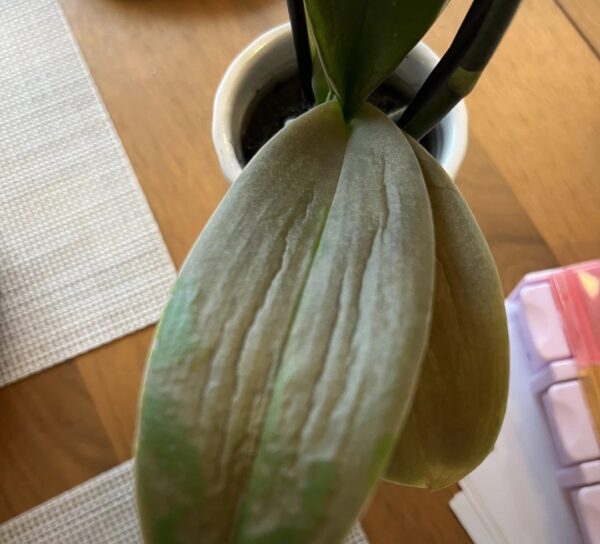
✅ 1. Overwatering – The Silent Killer
Overwatering is the most common reason orchids develop brown leaves. Orchids prefer a careful balance—too much water leads to root rot, depriving roots of oxygen. This causes leaves to turn brown from the base upwards. Always allow the potting medium to almost dry out before watering again. Use pots with sufficient drainage to avoid soggy roots.
👉 Tip: Water your orchid only when the top inch of the medium feels dry. Ensure pots have good drainage holes.
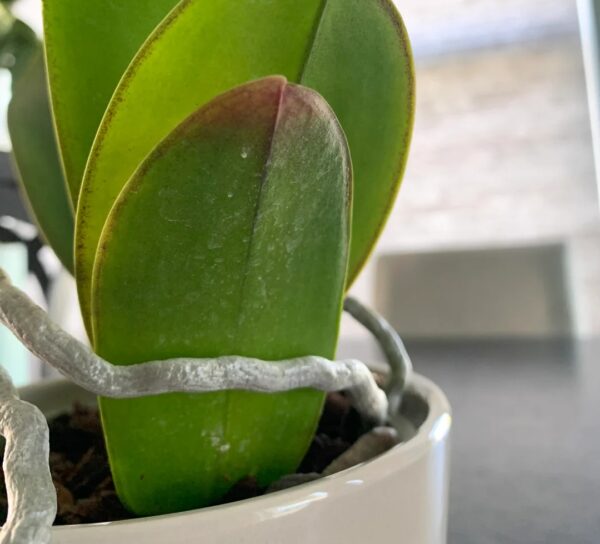
✅ 2. Underwatering – A Common Mistake
Just as overwatering causes problems, underwatering leads to brown, dry, and crispy leaves. Orchids rely on regular moisture to stay healthy. If leaves are turning brown and feel brittle, it signals insufficient water intake. The key is consistency—watering at proper intervals and using distilled water, which is free from harmful salts found in tap water.
👉 Tip: Water your orchid every 7–10 days using distilled or rainwater, especially in dry indoor environments.
✅ 3. Too Much Direct Sunlight
Orchids need bright light but not direct sunlight, which can scorch their leaves and cause permanent brown spots. Prolonged exposure leads to sunburn, weakening the plant over time. If you notice dark, dry patches forming suddenly, relocate the orchid to a spot with filtered light. Sheer curtains can help diffuse strong sunlight while still providing enough brightness.
👉 Tip: Place your orchid in an east-facing window or use sheer curtains to protect it from harsh midday sun.
✅ 4. Not Enough Light
In contrast, insufficient light prevents photosynthesis, making leaves pale and brown over time. Orchids thrive with 12–14 hours of light daily, and a lack of light weakens their growth cycle. During winter or in dim spaces, investing in affordable LED grow lights can provide the necessary spectrum of light, keeping your orchid vibrant and strong.
👉 Tip: Use a timer for LED grow lights to ensure your orchid receives consistent light every day.
✅ 5. Low Humidity Levels
Orchids naturally thrive in tropical climates where humidity ranges from 50–70%. Low humidity causes leaves to dry out, turning brown along edges. Homes with air conditioning or heating may have dangerously low humidity levels. Placing a shallow water tray nearby or using a humidifier creates a microclimate around the plant, supporting healthy leaf hydration.
👉 Tip: Use a small room humidifier or place your orchid pot on a tray filled with pebbles and water.
✅ 6. Poor Air Circulation
Stagnant air leads to the build-up of moisture and creates an ideal environment for fungal and bacterial infections, which manifest as brown spots. Orchids need gentle airflow to prevent disease development. Proper air circulation also helps leaves dry after watering, preventing rot and spotting. A small oscillating fan nearby can help maintain airflow without creating drafts.
👉 Tip: Position a small fan nearby, ensuring gentle airflow around your orchid, but avoid direct drafts.
✅ 7. Nutrient Deficiency
When orchids don’t receive adequate nutrients, their leaves can turn yellow or brown and weaken over time. A lack of nitrogen, potassium, or magnesium disrupts normal growth and causes poor leaf health. A balanced orchid fertilizer with a proper ratio of nutrients applied every two to three weeks during the growing season helps maintain deep green, healthy leaves.
👉 Tip: Apply a balanced orchid fertilizer (20-20-20) every 2 weeks during spring and summer for optimal nutrition.
✅ 8. Salt Buildup in the Soil
Over time, salts from tap water and chemical fertilizers accumulate in the potting mix, harming orchid roots and causing leaf tip browning. If you see white crusts on the soil surface, it’s a clear sign of salt buildup. Monthly flushing of the potting medium with distilled water helps remove harmful salt deposits and keeps roots healthy.
👉 Tip: Flush the orchid pot monthly with distilled water until no salty residue remains on the surface.
✅ 9. Root Rot
Constant sogginess from overwatering leads to root rot, causing the leaves to turn brown and mushy. This serious condition requires immediate action. Remove the orchid from its pot, trim off all mushy or blackened roots, and replant it in fresh orchid medium. Healthy roots should be firm and greenish-white.
👉 Tip: Inspect roots every 3 months. Trim any rotten roots and repot your orchid in fresh bark mix.
✅ 10. Fungal and Bacterial Infections
Fungal or bacterial infections can create brown spots on orchid leaves that spread fast. These infections thrive in humid but stagnant environments. Infected leaves should be cut off immediately, and the plant should be treated with a fungicide or bactericide specifically formulated for orchids. Follow the manufacturer’s instructions carefully for safe and effective treatment.
👉 Tip: Remove infected leaves immediately and apply orchid-safe fungicide as per the instructions.
🌱 Other Simple Yet Powerful Fixes
11. Repot orchids every 1–2 years to refresh the potting mix and improve drainage.
12. Use a well-draining orchid mix composed of bark, perlite, and sphagnum moss.
13. Opt for transparent pots to monitor root health easily.
14. Avoid over-fertilizing, which leads to nutrient burn and browning leaves.
15. Never touch leaves with wet hands to reduce infection risk.
16. Keep the room temperature stable between 65–75°F.
17. Prevent pets from chewing leaves or knocking over the plant.
18. Use neem oil to manage pest problems like aphids and spider mites.
19. Mist leaves lightly to maintain surface humidity without overdoing it.
20. Monitor your orchid weekly for early signs of trouble.
👉 Tip: Maintain a simple checklist for weekly orchid care—light, water, humidity, and pests.
⚠️ When to Seek Professional Help
If you’ve tried all the fixes and the brown patches keep spreading, it may be time to consult an orchid specialist. Some diseases are not easy to treat at home and require professional intervention. An expert can test for hidden infections, suggest advanced care techniques, and prevent further damage, saving your orchid from permanent harm.
👉 Tip: When in doubt, contact a local orchid expert or plant doctor for accurate diagnosis and treatment advice.
🌸 Final Thoughts
Orchid leaves turning brown don’t have to be your nightmare. With proper diagnosis and these 20 actionable fixes, you can bring your plant back to health. Remember, consistency in care, proper light, balanced watering, and humidity are the pillars of orchid success. Start applying these solutions today and enjoy vibrant, blooming orchids for years.
FAQS
🌿 FAQ: Orchid Leaves Turning Brown
1. Why are my Orchid Leaves Turning Brown?
Orchid Leaves Turning Brown can be caused by several factors such as overwatering, underwatering, direct sunlight exposure, fungal infections, or nutrient deficiencies. Orchids are delicate plants that need a balance between light, humidity, and temperature. If your orchid leaves are turning brown at the tips, it might be due to fertilizer burn or low humidity. On the other hand, if the entire leaf is browning, it could be a sign of root rot or prolonged stress. Always inspect the roots, leaves, and potting medium carefully to determine the exact reason behind Orchid Leaves Turning Brown.
2. Can direct sunlight cause Orchid Leaves Turning Brown?
Yes, direct sunlight is one of the most common reasons for Orchid Leaves Turning Brown. Orchids like Phalaenopsis, Cattleya, and Cymbidium prefer bright but indirect light. When placed in harsh sunlight, especially during midday, their leaves can scorch and develop brown patches that gradually spread. Sunburn damage is often permanent, meaning the leaf won’t turn green again. To prevent Orchid Leaves Turning Brown from sunburn, place your orchids near an east-facing window or provide filtered light using a sheer curtain. Consistent protection from direct rays will ensure healthy, vibrant leaves.
3. How does overwatering lead to Orchid Leaves Turning Brown?
Overwatering suffocates the orchid roots, preventing them from absorbing oxygen. When roots rot, they can no longer transport water and nutrients to the plant, which results in Orchid Leaves Turning Brown. Typically, you’ll notice leaves becoming soft, mushy, and discolored from the base upwards. This is a clear warning sign that too much water is being retained in the potting medium. Always ensure that the pot has proper drainage holes and that the growing medium dries slightly between waterings. By controlling watering habits, you can avoid the major issue of Orchid Leaves Turning Brown.
4. Can nutrient deficiency cause Orchid Leaves Turning Brown?
Yes, nutrient deficiency can also be a reason behind Orchid Leaves Turning Brown. Orchids require balanced fertilizers containing nitrogen, phosphorus, potassium, and micronutrients such as magnesium and calcium. If an orchid lacks magnesium, the leaves may turn yellow first and then brown at the edges. Similarly, too much fertilizer can lead to salt buildup, burning the leaves and causing Orchid Leaves Turning Brown. To prevent this, always use a diluted orchid-specific fertilizer once every two weeks during the growing season and flush the potting medium with plain water occasionally to remove salt deposits.
5. Do fungal and bacterial infections lead to Orchid Leaves Turning Brown?
Absolutely, fungal and bacterial infections are significant causes of Orchid Leaves Turning Brown. In high humidity and poorly ventilated conditions, fungi and bacteria can thrive on the leaves, creating brown or black spots that spread quickly. If untreated, the infection can cause the entire leaf to die. To manage this, remove the infected leaves with sterilized scissors, treat the plant with a fungicide or bactericide, and improve airflow around your orchids. Preventing infections is always better than curing them, so keep the foliage dry when watering to avoid Orchid Leaves Turning Brown due to disease.
6. Why are the tips of my Orchid Leaves Turning Brown?
When only the tips of Orchid Leaves Turning Brown, it’s usually a sign of low humidity, excessive fertilizer, or underwatering. Orchids thrive in humidity levels between 50–70%. If the surrounding air is too dry, the leaf tips lose moisture quickly, leading to brown, crispy edges. Another common cause is fertilizer burn from overfeeding. Using hard water with high mineral content can also result in tip browning. To fix this, maintain proper humidity, use distilled water if necessary, and feed orchids with a weak fertilizer solution. This will reduce the chances of Orchid Leaves Turning Brown at the tips.
7. Can underwatering be the reason for Orchid Leaves Turning Brown?
Yes, underwatering can definitely lead to Orchid Leaves Turning Brown. Orchids store water in their leaves and roots, so when deprived of adequate moisture, their leaves begin to shrivel, dry out, and eventually turn brown. Unlike overwatering, which causes soft and mushy leaves, underwatering leads to brittle, dry leaves that feel papery. To solve this, water your orchids thoroughly once the potting medium feels dry, but avoid letting them sit in stagnant water. Maintaining a consistent watering schedule is crucial to prevent Orchid Leaves Turning Brown caused by dehydration.
8. Are Orchid Leaves Turning Brown a sign of aging?
Yes, sometimes Orchid Leaves Turning Brown is a natural part of the plant’s life cycle. As orchids grow new leaves at the top, older leaves at the bottom may gradually yellow and turn brown before falling off. This aging process is completely normal and nothing to worry about. The difference between natural aging and a problem is that only one or two older leaves are affected, while the rest of the plant remains healthy. If multiple leaves are browning simultaneously, then it’s a sign of stress rather than normal aging. Understanding this distinction is vital when dealing with Orchid Leaves Turning Brown.
9. How can I stop Orchid Leaves Turning Brown permanently?
To stop Orchid Leaves Turning Brown, you need to create an optimal environment for growth. Ensure proper watering habits, provide filtered light, maintain humidity between 50–70%, and feed your orchids with a balanced fertilizer. Regularly inspect the roots for signs of rot or dehydration and trim away any damaged areas. Good air circulation will also help prevent fungal and bacterial infections. By following these practices, you not only stop Orchid Leaves Turning Brown but also encourage lush, green, and healthy orchid foliage year-round.
10. Will Orchid Leaves Turning Brown recover?
Unfortunately, once Orchid Leaves Turning Brown, the affected parts usually won’t return to their original green color. Plants cannot reverse leaf tissue damage. However, what you can do is stop the progression of browning by correcting the underlying issue. For example, if browning was caused by sunburn, simply move the plant to indirect light and let new healthy leaves grow. If root rot caused the browning, repot into fresh medium after trimming damaged roots. Although you cannot reverse Orchid Leaves Turning Brown, you can ensure future growth remains healthy.
11. Can temperature stress cause Orchid Leaves Turning Brown?
Yes, extreme temperatures can absolutely result in Orchid Leaves Turning Brown. Orchids are sensitive plants that thrive in stable conditions—most prefer daytime temperatures between 65–75°F and nighttime temperatures around 55–65°F. If exposed to sudden temperature drops or hot drafts from heaters, their leaves can become stressed and start turning brown. Cold damage usually shows as watery brown patches, while heat stress creates dry, scorched areas. To prevent Orchid Leaves Turning Brown from temperature shock, always place orchids away from heaters, air conditioners, and drafty windows. A stable climate helps orchids flourish without leaf browning.
12. Do Orchid Leaves Turning Brown indicate root problems?
Yes, Orchid Leaves Turning Brown often signal underlying root issues. When roots are damaged due to rot, pests, or compacted potting media, they cannot absorb enough nutrients and water. This lack of proper uptake directly affects the leaves, causing them to weaken and eventually turn brown. To confirm root problems, gently unpot your orchid and check for mushy, blackened roots. Healthy orchid roots should be firm and green or white. If you notice root rot, trim away the damaged portions and repot the orchid into fresh medium. This can stop further Orchid Leaves Turning Brown.
13. Can pests be responsible for Orchid Leaves Turning Brown?
Yes, pest infestations can also lead to Orchid Leaves Turning Brown. Common orchid pests include spider mites, scale insects, aphids, and mealybugs. These insects suck the sap from orchid leaves, leaving behind small brown or yellow spots that gradually expand. If left untreated, infestations can severely weaken the plant and cause entire leaves to brown and drop. To prevent this, inspect orchids regularly, clean leaves with a damp cloth, and use insecticidal soap or neem oil as a treatment. Maintaining pest-free plants is one of the best ways to avoid Orchid Leaves Turning Brown.
14. Is repotting helpful if Orchid Leaves are Turning Brown?
Repotting can definitely help when Orchid Leaves Turning Brown is caused by root rot, compacted medium, or poor drainage. Over time, orchid potting media breaks down, becoming soggy and suffocating the roots. This creates an environment for fungal growth, leading to leaf browning. Repotting every 1–2 years into fresh bark or sphagnum moss restores airflow and drainage around the roots. During repotting, remove any rotten roots and trim damaged leaves. By refreshing the plant’s environment, you can prevent future Orchid Leaves Turning Brown and encourage new, healthy growth.
15. Should I cut off Orchid Leaves Turning Brown?
Yes, in many cases, it’s best to trim away Orchid Leaves Turning Brown to prevent the spread of disease and encourage healthier growth. If only the tips are brown, you can trim just the affected parts. However, if the whole leaf is brown, cut it off completely using sterilized scissors to avoid infecting the rest of the plant. Removing dead or damaged leaves also redirects energy to new shoots and flowers. While pruning won’t reverse the damage, it will improve the orchid’s overall health and reduce the chance of more Orchid Leaves Turning Brown.