Wildeve Rose: 15 Care Mistakes That Prevent Beautiful Blooms
Table of Contents 👈 Tap Here
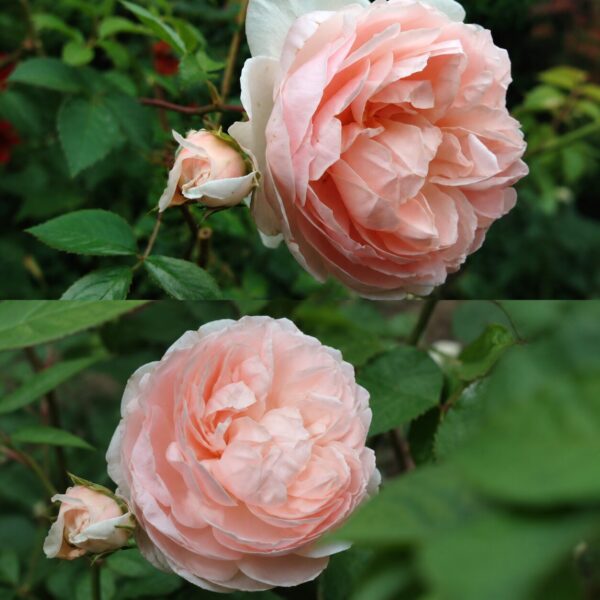
The Wildeve Rose is one of the most cherished English shrub roses, celebrated for its soft apricot-pink blooms, graceful arching habit, and intoxicating fragrance. When grown in the right conditions with consistent care, it rewards gardeners with wave after wave of flowers from early summer through autumn — a stunning centerpiece in any garden.
But even the most attentive gardeners can unknowingly make small mistakes that hold this rose back from its full potential. Improper watering, poor pruning technique, or simply planting in the wrong spot can quietly lead to weak growth, sparse blooms, and a plant that never quite lives up to expectations.
In this guide, you’ll discover 15 of the most common Wildeve Rose care mistakes — and the straightforward fixes that will help your rose grow stronger, flower more abundantly, and truly thrive season after season.
1. Planting in Too Much Shade
Wildeve roses are among the most enchanting shrub rose you can grow, producing cascading clusters of soft, blush-pink blooms that perfume the entire garden. But even experienced gardeners make simple care mistakes that silently rob these beauties of their full potential. If your Wildeve isn’t blooming the way you’d hoped, one of these 15 errors is likely to blame.
1. Planting in Too Much Shade
Wildeve roses need at least six hours of direct sunlight daily to bloom well. Many gardeners underestimate how much light a english shrubs rose actually demands and tuck them against shaded fences or under tree canopies. Without enough sun, the plant directs all its energy into foliage rather than flowers, leaving you with a lush green vine and very little colour.
2. Overwatering at the Wrong Time
Watering too frequently — or at the wrong time of day — creates persistently wet conditions around the roots and foliage. Wildeve roses are moderately drought-tolerant once established and prefer deep, infrequent watering over constant shallow dampness. Evening watering is especially problematic because leaves stay wet overnight, dramatically increasing the risk of fungal disease and black spot.
3. Ignoring Soil Quality Before Planting
Wildeve roses demand rich, well-draining soil with plenty of organic matter. Many gardeners plant directly into compacted or nutrient-poor ground and wonder why growth is slow and blooms are sparse. Before planting, dig a generous hole, work in good compost or aged manure, and check that water drains freely — waterlogged roots will weaken even the healthiest plant within a season.
4. Skipping the Autumn Feed
Most gardeners remember to feed roses in spring, but autumn feeding is just as critical. A late-season dose of potassium-rich fertiliser helps the plant harden off before winter, build strong root reserves, and prepare for vigorous spring growth. Skip this step and your Wildeve enters the cold months nutritionally depleted, which directly reduces the number and quality of blooms the following year.
5.Pruning at the Wrong Time of Year
Wildeve is a repeat-flowering English shrub rose that benefits from annual pruning to maintain its shape, health, and flowering performance. Prune in late winter or early spring by removing dead, damaged, or weak stems and lightly shaping the plant. Throughout the growing season, deadhead spent blooms to encourage repeat flowering. Avoid excessive pruning, as removing too much healthy growth can reduce the number of flowers and weaken the plant.
6. Not Training the Canes Properly
Left to grow vertically without training, Wildeve will produce most of its blooms only at the very top of the plant where the stems receive the most light. Gently bending and tying long canes horizontally or at an angle encourages the plant to break bud all along the stem, creating a far more generous and evenly distributed display of flowers throughout the entire structure.
7. Using High-Nitrogen Fertilisers All Season
Although nitrogen encourages green, vegetative development, it directly hinders flowering even though it appears spectacular early in the season. Wildeve is forced to produce bigger and more leaves at the expense of buds by gardeners who use high-nitrogen feeds throughout the summer. In order to actively promote blossoms rather than foliage, switch to a balanced rose fertilizer with adequate phosphorus and potassium levels starting in late May.
8. Neglecting Mulching
A generous layer of mulch around the base of your Wildeve does far more than most gardeners realise. It retains soil moisture, regulates root temperature through both summer heat and winter cold, suppresses competing weeds, and gradually enriches the soil as it breaks down. Without mulch, roots are stressed by fluctuating conditions, and a stressed rose will always prioritise survival over producing flowers.
9. Ignoring Early Signs of Black Spot
Black spot is the most common fungal disease affecting roses, and Wildeve — while reasonably disease-resistant — is not immune. Allowing infected leaves to remain on the plant spreads the fungus rapidly, weakening the rose significantly by late summer. Remove affected leaves immediately, avoid overhead watering, and clear fallen debris from around the base. A preventative fungicide spray during humid periods can save the whole season’s display.
10. Planting Too Close to Walls
Positioning Wildeve directly against a brick or stone wall seems like good logic for a climber, but walls create a dry, rain-shadow environment where soil moisture is severely depleted. The reflected heat can also stress the plant in summer. Plant at least 45–60 cm away from the wall base, lean the young canes inward, and ensure the roots sit in open ground where rainfall can reach them naturally.
11.Failing to Deadhead Properly
Wildeve is a repeat-flowering English shrub rose, and regular deadheading encourages it to produce more blooms throughout the season. Removing faded flowers prevents the plant from putting energy into seed production and instead directs that energy into new growth and additional flower buds. Snip spent blooms just above a healthy outward-facing leaf to keep the plant tidy and flowering for as long as possible.
12. Competing Root Pressure from Nearby Plants
Roses are heavy feeders with extensive root systems, and surrounding plants — especially large perennials, shrubs, or aggressive ground covers — compete directly for moisture and nutrients. Many gardeners crowd their Wildeve into busy borders without considering the underground competition happening constantly. Keep a clear zone of at least 60 cm around the base, or ensure any companion planting is chosen specifically to complement rather than compete.
13. Skipping Winter Protection in Cold Climates
Wildeve is a hardy rose, but in areas with harsh winters or severe frost, unprotected roots and lower canes can suffer cold damage that significantly reduces the following season’s performance. Mound the base with compost or soil in late autumn, wrap vulnerable young canes loosely with horticultural fleece, and avoid cutting back too hard before winter — the old growth provides some natural protection to the crown.
14. Not Checking for Aphid Infestations Early
Aphids cluster on soft new growth and flower buds, sucking sap and distorting emerging shoots before flowers can properly develop. Gardeners who only inspect leaves often miss infestations building on buds and new stems until significant damage is done. Check your Wildeve thoroughly at least once a week during spring and early summer, paying close attention to shoot tips. Early intervention with a strong water jet or neem oil keeps populations manageable without harsh chemicals.
15. Giving Up on an Established Plant Too Soon
Wildeve roses often take two to three full growing seasons to truly establish, develop a strong root system, and deliver the breathtaking bloom display they are capable of. Many gardeners become discouraged after one or two modest seasons and either move the plant or replace it entirely — just before it was about to reward their patience. Trust the process, maintain consistent care, and the results will follow.
Final Thought
Growing a Wildeve rose well is less about complicated techniques and more about understanding what the plant genuinely needs — sun, good soil, correct pruning timing, and a little consistent attention. Avoid these 15 mistakes and you’ll have a rose that fills your garden with beauty and fragrance every summer for decades to come.
FAQS: Wildeve Rose
1. What is a Wildeve Rose and why is it so popular among gardeners?
The Wildeve Rose is a stunning English shrubs rose bred by David Austin, admired for its cascading clusters of soft blush-pink blooms and rich, fruity fragrance. It is popular because it combines old-rose charm with strong disease resistance, making it a rewarding choice for both beginner and experienced gardeners who want a truly breathtaking garden display.
2. How much sunlight does a Wildeve Rose need to bloom well?
A Wildeve Rose performs best when it receives a minimum of six hours of direct sunlight each day. Without adequate light, the plant pushes energy into leafy growth rather than flower production, resulting in a lush but bloom-poor climber. Choose the sunniest spot available in your garden to unlock its full flowering potential every season.
3. When does the Wildeve Rose typically flower during the year?
The Wildeve Rose is a once-flowering variety that produces its magnificent bloom display during early to midsummer, usually peaking in June and July depending on your climate. While it does not repeat flower like modern roses, the sheer abundance and beauty of its single annual flush more than compensates, creating a spectacular seasonal display worth waiting for.
4. How do I plant a Wildeve Rose correctly for the best results?
When planting a Wildeve Rose, choose a sunny, open spot with rich, well-draining soil enriched with generous amounts of compost or aged manure. Dig a wide, deep hole, position the bud union just below soil level, and plant at least 45–60 cm away from walls or fences to ensure the roots access natural rainfall and good air circulation around the base.
5. What type of soil does a Wildeve Rose grow best in?
A Wildeve Rose thrives in deep, fertile, loamy soil with excellent drainage and a slightly acidic to neutral pH between 6.0 and 7.0. It strongly dislikes waterlogged or compacted ground, which suffocates roots and invites disease. Before planting, improve poor soil generously with organic matter, ensuring water drains freely and roots have rich, nourishing ground to establish themselves deeply and strongly.
6. How often should I water a Wildeve Rose throughout the growing season?
A Wildeve Rose prefers deep, infrequent watering rather than frequent shallow irrigation. During the growing season, water thoroughly once or twice a week depending on rainfall and temperature, always directing water at the base rather than over the foliage. Once well established after two to three seasons, the plant becomes moderately drought tolerant and requires significantly less supplemental watering from you.
7. What is the correct way to prune a Wildeve Rose without losing blooms?
Pruning a Wildeve Rose incorrectly is one of the most common mistakes gardeners make. Because it blooms on wood produced the previous season, pruning hard in late winter removes next year’s flowers entirely. Instead, prune lightly directly after flowering in midsummer, cutting out dead or crossing stems and shaping the plant while leaving plenty of healthy, mature wood to carry the following season’s blooms.
8. How should I train a Wildeve Rose to maximise its flowering display?
Training is essential for getting the most blooms from a Wildeve Rose. Rather than allowing canes to grow straight upward, gently bend and tie long stems horizontally or at a gentle diagonal angle along a trellis, fence, or pergola. This technique encourages the plant to break bud all along the length of each cane, producing far more flowers and a dramatically fuller, more generous display overall.
9. What fertiliser should I use on a Wildeve Rose and when should I apply it?
Feed your Wildeve Rose with a balanced, specialist rose fertiliser in early spring as growth begins, and again after the main flowering flush in midsummer to support recovery and root strength. Avoid high-nitrogen feeds in late summer as these encourage soft leafy growth that is vulnerable to frost damage. A potassium-rich autumn feed helps harden the plant and build strong reserves before winter arrives.
10. Is the Wildeve Rose disease resistant compared to other climbing roses?
The Wildeve Rose is considered highly disease resistant by rose standards, particularly regarding black spot and powdery mildew, which commonly affect many other shrubs varieties. However, no rose is entirely immune, and stress caused by poor growing conditions, improper watering, or overcrowding can reduce natural resistance. Maintaining good air circulation, correct watering habits, and healthy soil keeps the plant robust and largely trouble-free throughout the season.
11. How tall and wide does a Wildeve Rose grow at full maturity?
A fully mature Wildeve Rose typically reaches between 1.5 and 3 metres in height with a spread of around 1.5 to 2 metres, depending on growing conditions, climate, and how it is trained. In ideal conditions with generous feeding and a warm, sunny aspect, it can grow vigorously and fill large structures beautifully. Regular training and light pruning help manage its size and shape effectively.
12. Can I grow a Wildeve Rose in a container or pot successfully?
Growing a Wildeve Rose in a container is possible but challenging due to its vigorous climbing nature and substantial root system. If attempting container growing, choose the largest pot available — at least 60 litres — filled with quality loam-based compost, and water and feed far more frequently than you would with a garden-planted rose. Container-grown plants will naturally be smaller and produce fewer blooms than garden-planted specimens.
13. How do I protect a Wildeve Rose from aphids and common pests?
Inspect your Wildeve Rose thoroughly at least once weekly during spring and early summer, paying close attention to soft new shoot tips and emerging buds where aphids congregate first. Dislodge small infestations immediately with a strong jet of water. For larger colonies, apply neem oil or an insecticidal soap spray. Encouraging natural predators like ladybirds and lacewings into your garden provides excellent long-term biological pest control.
14. Does a Wildeve Rose need winter protection in colder climates?
In regions with harsh winters and severe ground frost, providing your Wildeve Rose with basic winter protection significantly improves its spring recovery and bloom performance. Mound the base with a thick layer of compost or garden soil in late autumn, loosely wrap vulnerable lower canes with horticultural fleece, and avoid cutting back hard before winter sets in, as retained old growth offers the crown some natural frost protection.
15. How long does it take for a Wildeve Rose to fully establish and bloom heavily?
Patience is essential with a Wildeve Rose. Most plants take a full two to three growing seasons to develop a deep, strong root system and begin delivering their most impressive bloom displays. The first season focuses primarily on root establishment, the second on cane development, and by the third season, with consistent care and correct training, the plant typically rewards you with its full, breathtaking flowering potential.
16. Can a Wildeve Rose be grown as a shrub?
Yes. The Wildeve Rose is an English shrub rose by nature and develops a graceful, arching habit as it matures. It can be grown as a standalone specimen, in mixed borders, or as an informal hedge. Although its long, flexible stems can be lightly trained against a trellis or other support for display, it is not a true climbing rose. Regular pruning in late winter or early spring helps maintain a healthy, attractive shape and encourages repeat flowering throughout the season.
17. What companion plants grow well alongside a Wildeve Rose in the garden?
The Wildeve Rose pairs beautifully with lavender, catmint, alliums, and hardy geraniums, all of which complement its soft blush tones without competing aggressively for root space or nutrients. Avoid planting vigorous large shrubs or spreading perennials too close to the base. Low-growing companions that suppress weeds without competing heavily for moisture and nutrition are the most harmonious partners for this rose.
18. Why are my Wildeve Rose buds dropping before they fully open?
Bud drop on a Wildeve Rose is commonly caused by sudden environmental stress, including dramatic temperature swings, inconsistent watering, severe aphid infestation on developing buds, or a late frost hitting emerging growth. Ensure watering is consistent, protect against unexpected cold snaps with fleece during vulnerable periods, and check buds closely for pest activity. A nutritionally balanced feed also helps buds develop the strength to open fully.
19. How do I multiply or propagate a Wildeve Rose at home?
The most reliable home propagation method for a Wildeve Rose is hardwood cuttings taken in autumn after flowering has finished. Cut healthy stems approximately 20–25 cm long, remove lower leaves, dip the cut end in rooting hormone powder, and insert firmly into pots filled with gritty, free-draining compost. Keep cuttings in a sheltered cold frame over winter, and new rooted plants should be ready for transplanting the following spring.
20. Is the Wildeve Rose a good choice for a beginner rose gardener?
The Wildeve Rose is an excellent choice for beginner gardeners who want a truly stunning result without excessive complexity. Its strong disease resistance, forgiving nature, and generous bloom production make it one of the most rewarding climbing roses available. As long as basic needs — good sunlight, rich soil, correct pruning timing, and consistent feeding — are reliably met, even a first-time rose grower can achieve outstanding results.
Hi, I’m Steve, an orchid grower with 30+ years of hands-on experience caring for indoor and outdoor plants. I share practical, tested tips and beginner-friendly guides to help plant enthusiasts nurture healthy, thriving plants.