Feel free to share!
Orchid leaves cracking is a common issue that worries many plant lovers. Healthy leaves are essential for photosynthesis and overall orchid strength. When leaves split or crack, it signals stress in growing conditions. Understanding why orchid leaves cracking happens helps gardeners prevent long-term damage and keep orchids thriving with simple, consistent care practices.
Table of Contents 👈 Tap Here
Orchid Leaves Are Cracking
2. What Does Orchid Leaf Cracking Look Like?
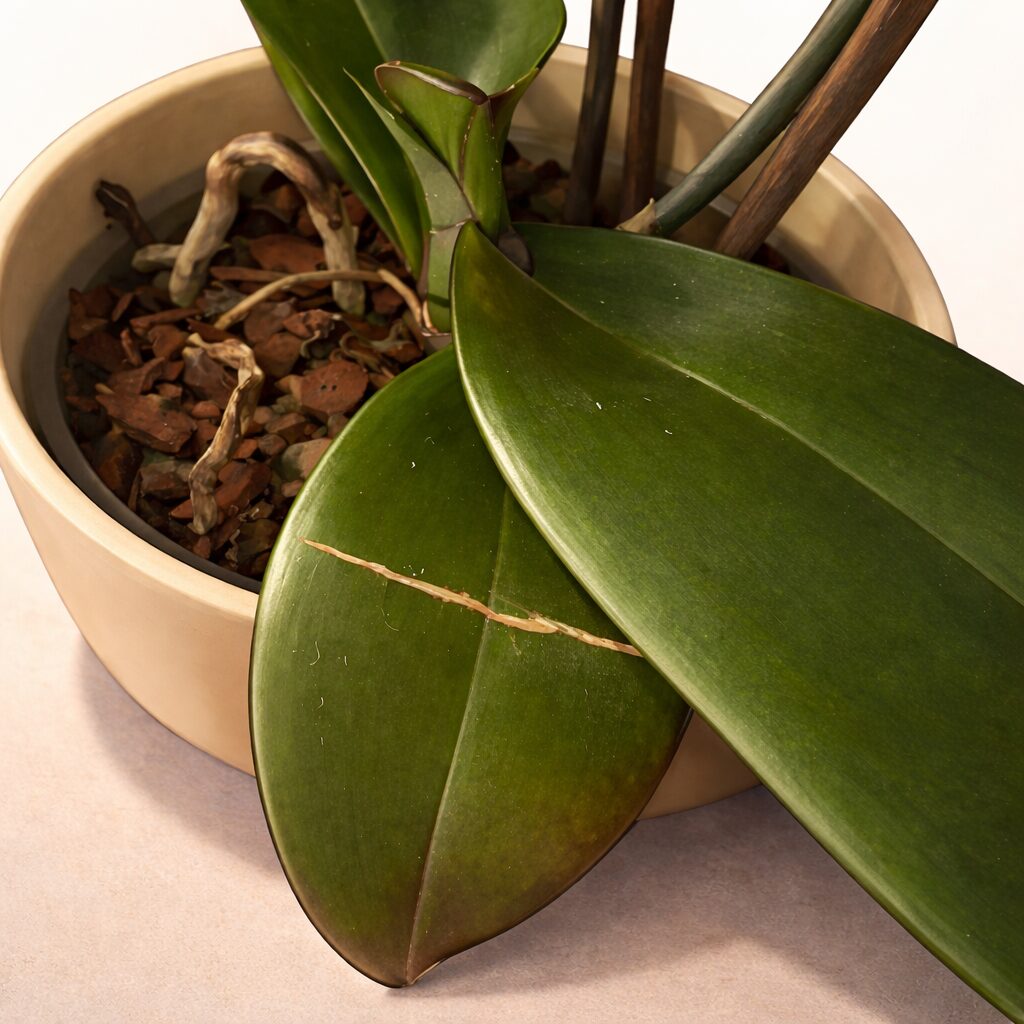
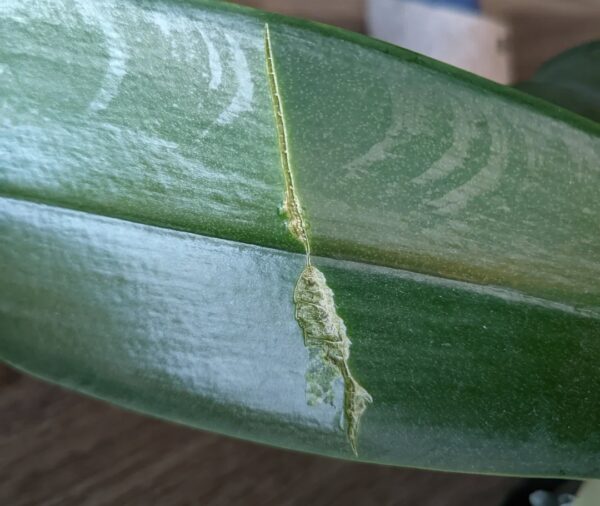
Orchid leaves cracking usually appears as vertical splits, surface breaks, or torn edges. Sometimes the leaf looks healthy but suddenly splits as it grows. This differs from normal aging, where older leaves yellow and drop naturally. Recognizing early cracking signs allows quick action before the plant experiences further stress or weakened growth.
3. Main Causes of Orchid Leaves Cracking
Several factors contribute to orchid leaves cracking, including environmental changes, watering mistakes, and physical pressure. Orchids are sensitive plants that respond quickly to stress. Sudden shifts in humidity, temperature, or light often weaken leaf tissue. Identifying the root cause is the first step toward effective prevention and healthier orchid care.
4. Low Humidity and Dry Air Problems
Low humidity is one of the top reasons for orchid leaves cracking. Dry air removes moisture from leaf cells, making them brittle and prone to splitting. Most orchids prefer humidity between 50% and 70%. Using a humidity tray, room humidifier, or grouping plants together helps maintain stable moisture levels around your orchids
5. Overwatering and Root Stress
Overwatering damages orchid roots, limiting their ability to supply nutrients and moisture to leaves. Weak roots result in soft, stressed leaves that may crack as they grow. Always allow the potting medium to dry slightly between watering. Good drainage and airy orchid bark mixes prevent root rot and keep leaf structure strong.
6. Underwatering and Dehydration Damage
Underwatering is another major cause of orchid leaves cracking. When orchids lack water, leaf cells shrink and lose flexibility. As growth continues, dry leaves split under pressure. Regular watering routines, checking pot weight, and observing root color help maintain proper hydration. Consistent moisture keeps leaves smooth and resilient.
7. Temperature Fluctuations Impact
Orchids dislike sudden temperature changes. Hot daytime temperatures followed by cold nights stress leaf tissue, leading to cracking. Most orchids thrive between 18°C and 30°C. Keep plants away from air conditioners, heaters, and open windows. Stable indoor temperatures protect leaves and encourage steady, healthy growth.
8. Light Intensity and Sunburn Cracks
Excessive direct sunlight causes leaf sunburn, making tissues weak and vulnerable to splitting. Orchid leaves should be bright green, not pale or scorched. Filtered light near windows or under shade cloth is ideal. Proper lighting prevents sun damage while supporting strong photosynthesis and balanced orchid development.
9. Nutrient Deficiency and Weak Leaf Growth
Lack of essential nutrients like calcium and magnesium weakens leaf cell walls, increasing orchid leaves cracking. Feeding orchids with a balanced fertilizer every two weeks during growth strengthens leaf structure. Occasional flushing with plain water prevents salt buildup and ensures nutrients are absorbed effectively for firm, healthy leaves.
10. Mechanical Damage During Growth
Sometimes orchid leaves crack due to physical pressure. Tight pot placement, overcrowded shelves, or rough handling during repotting can injure tender leaves. Always provide enough space for new leaves to expand freely. Gentle handling and proper spacing reduce accidental damage and allow natural, unrestricted leaf growth.
11. Pest and Disease Influence
Pests like spider mites and thrips weaken leaf tissue by feeding on plant sap. Damaged leaves lose strength and may crack easily. Regular inspection of leaf undersides and early treatment with neem oil or insecticidal soap prevents infestations. Healthy pest-free orchids maintain strong, flexible foliage.
12. Seasonal Changes and Growth Cycles
Orchid leaves cracking sometimes occurs during rapid growth seasons when leaves expand quickly. If care conditions are slightly off, fast-growing leaves split under stress. Adjust watering, feeding, and humidity during active growth periods. Understanding natural orchid growth cycles helps distinguish normal behavior from real problems.
13. 12 Best Prevention Tips Summary
Prevent orchid leaves cracking by maintaining steady humidity, proper watering, balanced light, stable temperatures, good airflow, correct fertilization, healthy roots, gentle handling, pest control, adequate spacing, quality potting media, and seasonal care adjustments. Following these simple prevention steps ensures strong leaves and long-lasting orchid beauty.
14. When to Worry and Seek Help
If cracking spreads rapidly, leaves turn mushy, or roots appear black, serious stress may be present. At this stage, changing care routines quickly is essential. Beginners should not panic — orchids recover well once conditions improve. Observing small changes early prevents major damage later.
15. Conclusion and Orchid Care Reminder
Orchid leaves cracking may look alarming, but it is usually easy to fix with proper care. By understanding environmental needs and providing consistent attention, your orchids will grow smooth, healthy leaves again. Remember, patience and observation are key. With simple adjustments, every orchid lover can enjoy thriving plants.
FAQS
FAQ 1: What does Orchid Leaves Are Cracking indicate?
Orchid Leaves Are Cracking is a sign that the plant is under environmental stress. Common causes include low humidity, irregular watering, or sudden temperature changes. When leaf cells lose moisture faster than they can absorb it, the surface splits. Correcting care routines usually stops further cracking and supports healthy new leaf growth.
FAQ 2: Is Orchid Leaves Are Cracking a serious problem?
Orchid Leaves Are Cracking is usually not fatal, but it signals improper growing conditions. If ignored, stress may weaken the plant over time. Fortunately, adjusting watering habits, humidity levels, and light exposure helps orchids recover. Damaged leaves won’t heal, but future growth can remain smooth and healthy.
FAQ 3: Does low humidity cause Orchid Leaves Are Cracking?
Yes, Orchid Leaves Are Cracking commonly results from dry air. Orchids naturally grow in humid environments, and low moisture levels make leaves lose flexibility. Using a humidifier, water trays, or grouping plants increases humidity and prevents further cracking in developing leaves.
FAQ 4: Can strong sunlight lead to Orchid Leaves Are Cracking?
Excessive direct sun can cause Orchid Leaves Are Cracking by dehydrating leaf tissues. Intense heat draws moisture out quickly, leaving leaves brittle. Providing bright but indirect light protects orchids while still supporting healthy photosynthesis and steady growth.
FAQ 5: Does underwatering cause Orchid Leaves Are Cracking?
Inconsistent or insufficient watering is a key reason Orchid Leaves Are Cracking appears. When roots dry for long periods, leaves lose internal moisture and elasticity. Watering thoroughly when the potting mix slightly dries helps maintain balanced hydration.
FAQ 6: Can overwatering result in Orchid Leaves Are Cracking?
Overwatering can indirectly cause Orchid Leaves Are Cracking by rotting roots. Damaged roots fail to absorb water properly, leaving leaves dehydrated despite wet soil. Ensuring good drainage and airy potting media prevents root issues and keeps hydration stable.
FAQ 7: Is poor air circulation linked to Orchid Leaves Are Cracking?
Stagnant air may contribute to Orchid Leaves Are Cracking by encouraging uneven moisture loss from leaves. Gentle airflow helps regulate temperature and humidity around orchids. A small fan nearby improves air movement without drying the plant excessively.
FAQ 8: Do temperature fluctuations cause Orchid Leaves Are Cracking?
Sudden temperature changes often trigger Orchid Leaves Are Cracking. Cold drafts, heaters, or air conditioners stress leaf cells. Keeping orchids in stable, moderate temperatures ensures leaves develop evenly without splitting.
FAQ 9: Can nutrient deficiency lead to Orchid Leaves Are Cracking?
Lack of essential nutrients weakens leaf structure, making Orchid Leaves Are Cracking more likely. Calcium and potassium play key roles in leaf strength. Using a balanced orchid fertilizer during active growth supports firm and flexible foliage.
FAQ 10: Does repotting stress cause Orchid Leaves Are Cracking?
After repotting, orchids may show Orchid Leaves Are Cracking due to temporary root disturbance. Roots need time to re-establish water absorption. Providing proper aftercare, light shade, and correct watering helps plants recover smoothly.
FAQ 11: Can hard water contribute to Orchid Leaves Are Cracking?
Mineral-heavy water may cause Orchid Leaves Are Cracking over time. Excess salts interfere with water absorption. Using rainwater, distilled water, or flushing the potting mix occasionally prevents mineral stress.
FAQ 12: Are certain orchid types prone to Orchid Leaves Are Cracking?
Some orchids with thin leaves are more sensitive, making Orchid Leaves Are Cracking easier to notice. Phalaenopsis and Dendrobium varieties may show splits under dry conditions. Providing species-appropriate care minimizes leaf damage risks.
FAQ 13: Will cracked leaves heal after Orchid Leaves Are Cracking occurs?
Leaves affected by Orchid Leaves Are Cracking do not repair themselves. However, new leaves will grow healthy once conditions improve. Focus on correcting care routines rather than removing cracked leaves unless they turn yellow or die back.
FAQ 14: Does potting mix affect Orchid Leaves Are Cracking?
Old or compacted media can retain too much water or dry too quickly, leading to Orchid Leaves Are Cracking. Fresh, well-aerated orchid bark or moss ensures proper root hydration and reduces stress on leaves.
FAQ 15: Can indoor heating cause Orchid Leaves Are Cracking?
Indoor heaters lower humidity drastically, increasing the risk of Orchid Leaves Are Cracking. Warm, dry air pulls moisture from leaves. Adding humidity trays or moving orchids away from heating vents protects foliage.
FAQ 16: Is misting helpful for Orchid Leaves Are Cracking?
Light misting can help reduce Orchid Leaves Are Cracking by improving surrounding humidity. However, misting alone is not enough. Combining misting with humidity trays or a humidifier gives longer-lasting moisture balance.
FAQ 17: Can pests cause Orchid Leaves Are Cracking?
While pests rarely directly cause Orchid Leaves Are Cracking, infestations weaken plants and disrupt water absorption. Treating pests promptly ensures orchids stay strong and less prone to leaf stress symptoms.
FAQ 18: Does seasonal change influence Orchid Leaves Are Cracking?
Seasonal shifts in temperature and humidity often trigger Orchid Leaves Are Cracking. Winter heating or summer heat waves change moisture levels rapidly. Adjusting care routines with each season keeps orchids stable year-round.
FAQ 19: Should I cut leaves affected by Orchid Leaves Are Cracking?
Leaves with Orchid Leaves Are Cracking should remain unless they turn yellow or die. Even cracked leaves still photosynthesize and support plant growth. Removing healthy green leaves may weaken the orchid unnecessarily.
FAQ 20: How do I prevent Orchid Leaves Are Cracking long term?
Preventing Orchid Leaves Are Cracking requires consistent watering, moderate light, stable temperatures, and proper humidity. Healthy roots, fresh potting media, and balanced feeding all contribute to strong leaf development. Routine observation ensures early correction before cracks appear.