
Feel free to share!
Table of Contents 👈 Tap Here
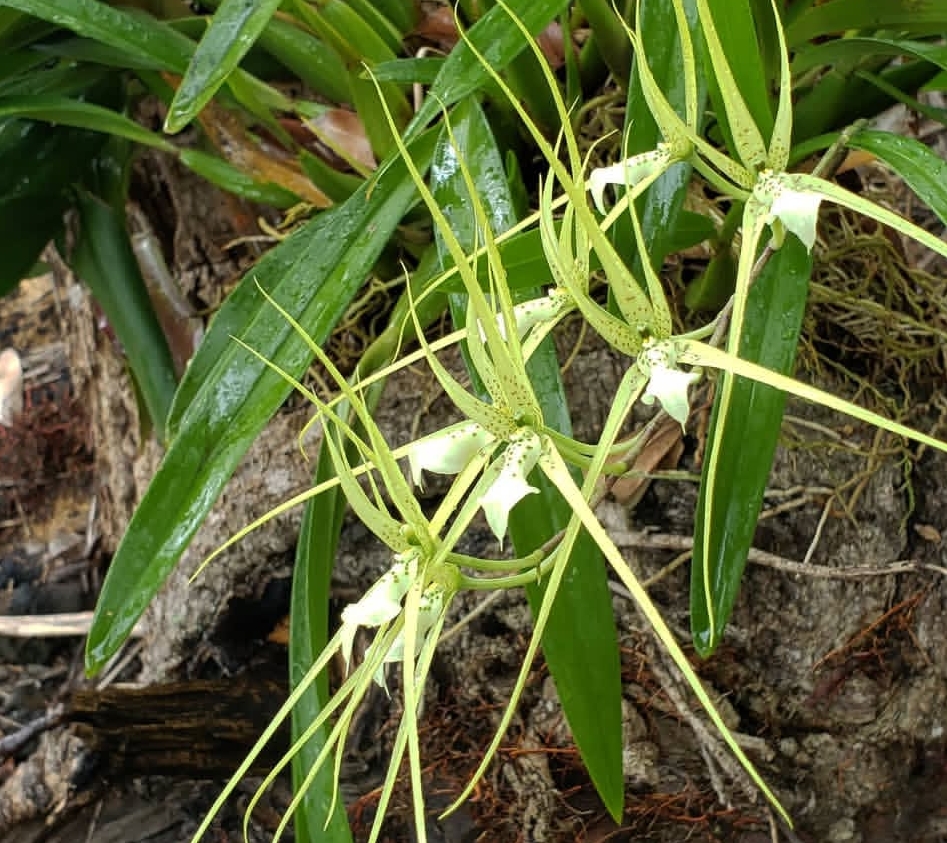
The Starfish Orchid (Brassia orchid) is an extraordinary plant that immediately captures attention with its long, narrow petals shaped like the arms of a starfish. Native to the tropical forests of Central and South America, it grows naturally on trees where light, air, and moisture flow freely. By recreating this environment at home, gardeners can enjoy its remarkable blooms.Caring for orchids often feels intimidating,
but the Starfish Orchid is more forgiving than many other orchid varieties, making it a great choice for beginners. With the correct balance of light, water, temperature, and humidity, this orchid thrives and produces stunning flower spikes. Below are 20 expert tips that can transform your growing experience.
🌱 Understanding the Starfish
OrchidWhat is a starfish orchid?The Starfish Orchid belongs to the Brassia family, a group of orchids famous for their spider- or star-shaped flowers. These orchids are epiphytes, meaning they grow on trees instead of in soil, absorbing water and nutrients from their surroundings. Their flowers are long-lasting, fragrant, and often attract pollinators such as wasps in their natural habitat.
Ideal Growing Conditions
The best way to care for a starfish orchid is to imitate its native environment as closely as possible. This means providing bright but filtered sunlight, warm daytime temperatures with cooler nights, and consistent humidity. Good airflow is equally important, as it prevents fungal issues and keeps the roots strong and healthy throughout the growing season.
🌟 20 Best Tips to Grow Like an Expert Gardener
Lighting & Placement
- Provide bright, indirect light. Place the starfish orchid near an east-facing window, where it receives gentle morning light but is protected from strong midday sun. This balance prevents the leaves from burning while still giving the plant the energy it needs to produce vigorous growth and encourage multiple flower spikes.
- Avoid harsh direct sunlight. While orchids love brightness, the intensity of full sun can cause irreparable damage to their leaves. If you notice scorched spots or yellowing, it’s a clear sign the plant is stressed. Instead, use a sheer curtain or move the plant to a bright but sheltered spot indoors or on a shaded balcony.
Watering & Humidity
- Follow the “soak and dry” method. When watering, let water run through the potting mix until it drains fully, ensuring the roots are hydrated. Then allow the medium to dry slightly before watering again. This cycle mimics natural rainfall and airflow in the rainforest, protecting the plant from root rot caused by stagnant water.
- Maintain 50–70% humidity. Starfish orchids flourish in a moist environment, just as they would in the tropical forests. If your home air is dry, especially during winter, place a humidity tray beneath the pot, mist the leaves occasionally, or use a small humidifier to keep the surrounding air consistently comfortable for the plant.
- Use distilled or rainwater. Salts, fluoride, and chlorine found in tap water can build up in the potting medium and damage orchid roots. Using distilled or collected rainwater prevents this problem and ensures your orchid receives clean hydration, resulting in healthier roots, greener foliage, and longer-lasting blooms over time.
Temperature & Airflow
- Keep daytime temperatures between 65 and 75°F (18–24°C). This temperature range supports photosynthesis and steady growth. If the environment gets too hot, the plant may wilt or slow its growth, while cooler conditions during the day can stunt development. Stable indoor conditions usually work perfectly, especially with proper light and airflow.
- Provide cooler nights around 55–60°F (13–16°C). Many orchids, including Brassia, need a nighttime temperature drop to trigger blooming. This fluctuation mimics the natural climate of tropical forests, signalling the plant that it is time to produce flower spikes. Without this difference, you may have healthy leaves but fewer or delayed blooms.
- Ensure good airflow. Orchids need circulating air to avoid fungal infections, prevent bacterial rot, and strengthen their leaves. A small oscillating fan in the room or simply opening windows for a breeze is often enough. Always make sure the orchid is not in a draughty spot, as cold draughts can damage delicate growth.
Soil & Potting Mix
- Use a well-draining orchid mix. Unlike typical houseplants, orchids cannot grow in regular soil, as it suffocates their roots. Instead, plant Starfish Orchids in a mix of bark, perlite, and sphagnum moss, which mimics their natural growing conditions by allowing air circulation and drainage while holding just enough moisture.
- Repot every 2–3 years. Over time, the orchid medium breaks down, becoming dense and holding too much water, which risks root rot. Repotting not only refreshes the potting mix but also gives you a chance to inspect root health, divide overcrowded plants, and encourage fresh growth that supports future blooming cycles.
Fertilisation
- Feed with balanced orchid fertiliser (20-20-20). Orchids require regular feeding because their airy potting mix provides very few nutrients. Apply a diluted, balanced fertiliser every two weeks during the active growing season to supply essential nitrogen, phosphorus, and potassium, all of which contribute to strong leaves, roots, and flower development.
- Switch to bloom booster fertiliser. When flower buds start forming, change to a fertiliser higher in phosphorus to support healthy flower spikes and vibrant blooms. This shift in nutrients mirrors natural changes in the plant’s seasonal cycle and ensures your starfish orchid produces strong, long-lasting flowers with intense colours and fragrance.
Blooming & Flower Care
- Mimic seasonal changes. Reduce watering slightly in winter and allow cooler night temperatures to encourage flower spikes. Orchids rely on seasonal cues to enter their blooming phase, and by imitating these conditions at home, you give your plant the signals it needs to put its energy into producing beautiful flowers.
- Cut old flower spikes properly. Once blooming ends, remove the spike using sterilised scissors, trimming just above a healthy node. This prevents the orchid from wasting energy on dead stems and encourages new growth. Always use clean tools to avoid introducing bacteria, which can harm the plant and delay its recovery.
Pests & Diseases
- Watch for pests like spider mites and scale. These tiny insects often hide under leaves and around roots, where they suck sap and weaken the plant. Regularly inspecting your orchid for signs of sticky residue, webbing, or discoloured patches allows you to act quickly and prevent an infestation from spreading.
- Use neem oil or insecticidal soap. These natural treatments are safe, effective, and less harmful than chemical pesticides. Spray the plant thoroughly, focusing on the underside of leaves, and repeat the treatment weekly until pests disappear. Neem oil also leaves a protective layer on the plant that helps prevent future infestations.
Propagation & Growth
- Propagate by division during repotting. The best time to divide a starfish orchid is when repotting, as this reduces stress. Each new division should have at least three healthy pseudobulbs and a good root system. This ensures the divided plants have enough stored energy to survive and continue producing healthy growth.
- Sterilise tools before cutting. Whether you are trimming roots, removing old spikes, or dividing the plant, always clean your tools with rubbing alcohol or heat. Sterilisation prevents the spread of fungal spores, bacteria, or viruses, all of which can cause irreversible damage to orchids. Good hygiene is essential for long-term plant health.
Expert-Level Care
- Use humidity trays or orchid humidifiers. If your indoor environment is consistently dry, especially during winter heating, a humidity tray or small humidifier creates the perfect balance. By maintaining steady moisture levels in the air, you replicate the natural conditions orchids love, reducing stress and supporting healthy leaf and flower growth.
- Keep an orchid care journal. Record your watering, fertilising, repotting, and blooming dates in a notebook.As time goes on, this personal journal becomes an invaluable resource for spotting trends, monitoring the growth cycle of your orchid, and modifying care regimens.One of the best-kept secrets of orchid growing, according to many seasoned gardeners, is writing.
🚫 Common Mistakes to Avoid
Growing a starfish orchid successfully requires patience and consistency, but beginners often run into problems by overwatering, leaving the plant in harsh direct sun, or neglecting seasonal temperature differences. These mistakes can lead to yellow leaves, root rot, or delayed blooming. By staying away from them, you can keep your orchid happy and healthy.
✅ Conclusion
The Starfish Orchid (Brassia orchid) is a captivating plant that rewards attentive care with unique star-shaped blooms. By applying these 20 expert tips, you can create the right balance of light, water, and nutrients, ensuring your orchid thrives. Consistency is the real secret, and with time, your starfish orchid will flourish beautifully