Feel free to share!
Table of Contents 👈 Tap Here
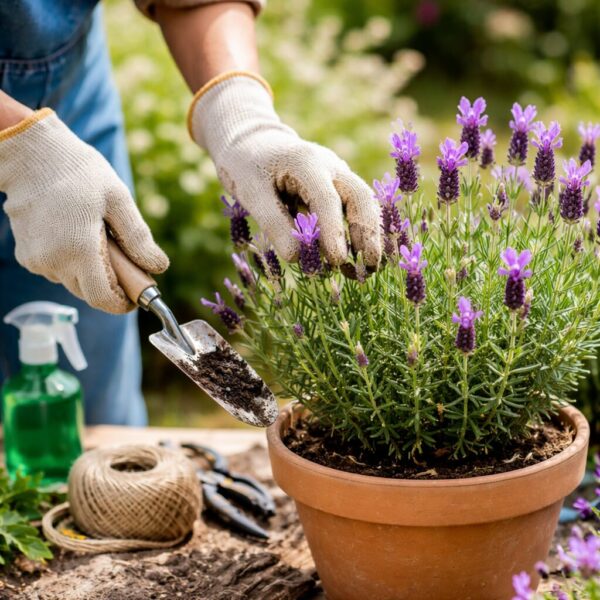
Spanish lavender is one of the most beautiful lavender varieties you can grow at home, especially because of its unique “rabbit ear” flowers and strong blooming habit. But the truth is, many gardeners lose this plant quickly because they treat it like a normal flowering plant. Spanish lavender has very specific needs, and small mistakes can slowly weaken it. If you avoid the most common care problems, your plant can stay healthy, green, and blooming for months. __
Before we jump into the mistakes, it’s important to understand one thing: Spanish lavender is not a water-loving plant. It is a Mediterranean plant that naturally grows in dry, sunny,
well-draining conditions. If you try to grow it in wet soil, heavy clay, shade, or humid spaces, it will struggle fast. Most Spanish lavender deaths happen from root rot, poor airflow, and lack of sunlight rather than pests.
Spanish lavender is different from English lavender in a few key ways. Spanish lavender can handle warmer climates better and often blooms longer in hot weather. However, it is also more sensitive to humidity and wet soil. English lavender is slightly more cold-hardy and often has a stronger fragrance. So if you want Spanish lavender to thrive, you must treat it like a dry-climate plant and give it the right environment.
Mistake #1: Keeping It in Shade
One of the biggest mistakes is placing Spanish lavender in shade or partial shade. This plant needs strong sunlight for healthy growth and flower production. When it sits in shade, the stems stretch out, the leaves become weak, and the plant starts looking thin and tired. The flowers also become fewer and smaller. For best results, place it where it gets at least 6 to 8 hours of direct sunlight daily.
Mistake #2: Overwatering
Overwatering is the number one reason Spanish lavender dies. Many people water it daily like a normal garden plant, but lavender hates constantly wet soil. Too much water suffocates the roots and quickly causes root rot. You may notice yellow leaves, drooping, black stems near the soil, and a bad smell. Always water only when the topsoil feels dry and never on a fixed daily schedule.
Mistake #3: Using Heavy Clay Soil
Spanish lavender cannot survive in heavy clay soil because clay holds water for too long. Even if you water less, clay stays damp and blocks airflow around the roots. This leads to weak roots and fungal infections. The best soil for Spanish lavender is sandy, gritty, and fast-draining. You can improve your soil by mixing sand, perlite, or small gravel into the potting mix so water drains quickly.
Mistake #4: No Drainage Holes in the Pot
A pot without drainage holes is a death trap for Spanish lavender. Even if you water carefully, extra water has nowhere to go and stays trapped at the bottom. This creates a wet zone that slowly rots the roots from below. Many people don’t realise the plant is dying until it suddenly collapses. Always choose a pot with proper drainage holes, and avoid decorative pots unless you use them as an outer cover only.
Mistake #5: Planting in a Pot That Is Too Big
Using a very large pot may seem like a good idea, but for Spanish lavender it often causes problems. A big pot holds more soil, and more soil holds more moisture. That means the roots stay wet for longer, especially after rain or watering. Spanish lavender prefers a pot that fits the root ball with only a little extra space. This helps the soil dry faster and keeps roots healthy.
Mistake #6: Using Too Much Compost
Many gardeners add lots of compost, thinking it will make the plant stronger. But Spanish lavender does not like rich soil. When the soil is too fertile, the plant focuses on producing soft leafy growth instead of flowers. It also becomes more vulnerable to fungus and weak stems. Lavender grows best in slightly poor soil with good drainage. Use compost only in small amounts, and focus more on making the soil light and airy.
Mistake #7: Fertilising Too Often
Fertiliser is not needed often for Spanish lavender, and too much can actually reduce flowering. High-nitrogen fertilisers create a lot of green growth, but flowers become fewer and less colourful. Overfeeding also makes the plant soft and more likely to get pests and diseases. If you want to fertilise, do it lightly during the growing season using a balanced or low-nitrogen fertiliser. In many cases, you can skip fertiliser completely.
Mistake #8: Watering From Above
Watering from above, especially on the leaves and flowers, can create fungal problems. Spanish lavender prefers dry leaves and good airflow. When water stays on the plant, it can cause mould, leaf spots, and flower rot, especially in humid weather. The best method is watering near the base of the plant so the roots get moisture without soaking the leaves. This small change can greatly improve plant health and blooming.
Mistake #9: Not Pruning After Flowering
If you don’t prune Spanish lavender after blooming, it becomes messy, woody, and weak over time. Pruning encourages fresh growth, helps the plant stay compact, and improves flowering for the next season. Without pruning, the plant can stretch out, lose shape, and stop blooming strongly. After the flowers fade, trim the flower stalks and lightly shape the plant. This keeps it neat and prevents the centre from becoming too woody.
Mistake #10: Cutting Into Old Woody Stems
Pruning is important, but cutting too deep into old woody stems is a serious mistake. Spanish lavender does not always regrow well from hardwood. If you cut into thick brown stems with no green growth, the plant may struggle to recover. The safe method is to prune only the soft green part and leave some leaves below the cut. This allows the plant to grow back faster and reduces the risk of dying back.
Mistake #11: Keeping It in a Humid Area
Spanish lavender hates humidity. Many people grow it in places where the air is heavy and wet, like closed balconies or crowded gardens. High humidity encourages fungal diseases and weak growth. You may see leaf drop, grey mould, or rotting flower heads. If you live in a humid climate, place your lavender where it gets strong sunlight and airflow. A breezy open area is much better than a closed corner.
Mistake #12: Planting Too Close to Other Plants
Crowding Spanish lavender with other plants reduces airflow, traps moisture, and increases the chance of fungal problems. Lavender needs space to breathe. When planted too close, it stays damp longer after watering or rain. It can also compete for sunlight, which reduces flowering. Whether in pots or garden beds, always give Spanish lavender enough space around it. Proper spacing keeps the plant dry, healthy, and much more resistant to disease.
Mistake #13: Trying to Grow It Indoors
Spanish lavender is not an indoor plant for most homes. Indoors, the light is usually too weak, and airflow is poor. The plant becomes leggy and weak and stops blooming. It may also develop pests like spider mites. If you want to grow it indoors, you must keep it near a very sunny window and rotate it regularly. Even then, outdoor growing is always better for long-term success and stronger flowers.
Mistake #14: Using Mulch Like Wood Chips
.
Lavender doesn’t require wood mulch, which many gardeners use to keep the soil moist. Wood chips can lead to rot by retaining moisture and raising the humidity level near the base of the plant. A dry crown area and dry soil are ideal for Spanish lavender. If you would like mulch, use sand, gravel, or small stones. These materials reflect sunshine, which lavender likes, keep the foundation dry, and enhance drainage.
.
Mistake #15: Ignoring Pests
Spanish lavender is usually not heavily attacked by pests, but problems can happen, especially when the plant is weak. Aphids, spider mites, and whiteflies can appear and slowly damage the leaves. You may notice curling leaves, sticky residue, or tiny webbing. Always check your plant regularly, especially under the leaves. If pests appear, spray with water, neem oil, or a mild soap solution. A healthy plant resists pests better than a stressed one.
Mistake #16: Not Checking for Root Rot Early
For Spanish lavender, root rot is the silent killer. The damage to the roots is already evident, although many people are unaware of it until the plant abruptly collapses. Black or squishy stems close to the base, drooping even in humid soil, and yellow foliage are early indicators. If you think the plant may have root rot, take it out of the pot and examine the roots. Remove any decayed roots, replace the soil, and repot in a dry, airy mixture.
Mistake #17: Not Repotting When Rootbound
If Spanish lavender stays in the same pot too long, it can become rootbound. This means the roots circle tightly inside the pot and have little room to grow. A rootbound plant dries out too fast, struggles to absorb nutrients, and may stop blooming. You may see roots coming out from drainage holes. Repot into a slightly larger pot, refresh the soil, and keep the plant stable so it can recover and grow strongly again.
Mistake #18: Not Protecting It During Heavy Rains
One of Spanish lavender’s greatest threats is heavy rain, particularly during the monsoon or rainy seasons. The plant may rot rapidly if there is excessive rainfall, which keeps the soil moist for days. During prolonged wet seasons, move your lavender in a pot beneath a roof or other protected spot. If you’re planting it in the ground, use sandy soil and raised beds to help with drainage. For survival, it is essential to keep it dry.
Best Care Routine for Spanish Lavender
Once you avoid these mistakes, Spanish lavender becomes an easy and rewarding plant. The most important rules are full sun, fast-draining soil, and careful watering. Keep it in a place where it gets strong light and air movement. Water only when the soil dries out, and never let the pot stay wet. Prune lightly after flowering to keep it compact and blooming. With these simple habits, your Spanish lavender can stay healthy and beautiful for a long time.
Seasonal Care Tips
Spanish lavender care changes slightly by season. In spring and summer, the plant grows fast and blooms, so it needs sunlight and occasional deep watering. In rainy seasons, your main job is protecting it from constant wet soil. In winter, watering should be reduced because the plant grows slower. The best approach is always observing the soil and plant condition rather than following strict schedules. A little attention each week keeps the plant thriving.
Conclusion
Spanish lavender is not difficult, but it does not forgive common mistakes. Most problems happen when people treat it like a regular flowering plant that enjoys rich soil and frequent watering. If you focus on sunlight, dry soil, and airflow, your plant will reward you with strong growth and beautiful blooms. Avoid these 18 mistakes, and you will quickly see the difference in how healthy, compact, and long-lasting your Spanish lavender becomes.
FAQs
Lavender Care
Q1: How often should I water Lavender Care plants?
Lavender Care needs watering only when the soil becomes dry. Overwatering is the biggest mistake because lavender roots rot quickly in soggy soil. In hot weather, you may water once a week, but always check soil moisture first. In cooler seasons, watering can drop to once every 2–3 weeks depending on your climate and soil type.
Q2: Does Lavender Care require full sunlight?
Yes, Lavender Care works best in full sun. Lavender plants love at least 6 to 8 hours of direct sunlight daily. Without enough sun, the plant becomes leggy, weak, and may not flower well. If you are growing it indoors, keep it near the brightest window and rotate the pot to help it grow evenly.
Q3: What type of soil is best for Lavender Care?
Sand, loose soil, and quick drainage are ideal for lavender care. Heavy clay soil retains too much moisture, which is why lavender dislikes it. It works well with a mixture of compost, sand, and garden soil. For optimal results when growing in pots, use a cactus or succulent soil mix and add perlite for further drainage.
Q4: Can Lavender Care plants grow in pots?
Yes, Lavender Care is perfect for pots if the container has drainage holes. Choose a pot that is at least 10–12 inches wide so the roots have enough space. Use a well-draining soil mix and avoid keeping the pot in a tray filled with water. Lavender in pots may need slightly more watering than garden lavender, but still do not overwater.
Q5: Why is my Lavender Care plant turning yellow?
The most common causes of yellow leaves in lavender care are excessive watering and inadequate drainage. The first indication of root stress is frequently yellow leaves, and lavender roots detest moist soil. Lack of sunlight can also occasionally cause yellowing. Before giving the plant another watering, move it to a more sunny location and let the soil to totally dry out.
Q6: When should I prune Lavender Care plants?
Lavender Care pruning is best done after the flowering season. Light pruning helps the plant stay compact and prevents it from becoming woody. You can remove faded flower stems and trim the plant slightly, but avoid cutting into old woody stems because lavender does not regrow well from hard cuts. A gentle yearly trim keeps the plant healthy and fuller.
Q7: How long does it take Lavender Care plants to bloom?
Lavender Care plants may bloom in the first year if grown from a healthy nursery plant. If grown from seed, blooming can take 1 to 2 years. Lavender usually blooms in late spring or summer depending on the variety and climate. The more sunlight and proper pruning it gets, the better the flowers will be.
Q8: Can Lavender Care survive in hot climates?
Yes, Lavender Care can survive in hot climates if it has good airflow and well-draining soil. Lavender naturally loves warm, dry conditions and handles heat better than most plants. The main problem in hot climates is humidity, not heat. If the area is too humid, fungal issues may appear, so spacing plants properly and avoiding wet leaves is important.
Q9: Can Lavender Care survive winter?
Lavender Care can survive winter depending on the variety. English lavender is the most cold-hardy type and can survive frost. However, lavender in pots is more sensitive because roots freeze faster. In cold regions, you can move pots indoors near sunlight or cover outdoor plants with mulch for protection. Avoid watering too much during winter dormancy.
Q10: Why is my Lavender Care plant not flowering?
When lavender care plants receive insufficient sunlight or excessive watering, they typically cease to bloom. Less flowers but more green growth can also result from overfertilizer. Instead of rich soil, lavender loves poor soil. After blooming, make sure your plant receives full sun and prune it appropriately. The following season’s flowering improves under the correct circumstances.
Q11: What fertilizer is best for Lavender Care?
Lavender Care does not need heavy fertilizer. In fact, too much fertilizer reduces fragrance and flower production. A light compost top-dressing once a year is enough. If you want to use fertilizer, choose a low-nitrogen type because high nitrogen makes lavender grow leaves instead of flowers. Most lavender grows best in slightly poor soil.
Q12: How do I stop Lavender Care plant from becoming woody?
Lavender Care plants become woody naturally as they age, but pruning helps slow it down. Trim the plant lightly every year after flowering and keep the shape rounded. Avoid cutting deep into old wood because it may not regrow. Starting regular pruning early, even in the first year, helps the plant stay bushy for many seasons.
Q13: Can I grow Lavender Care from seeds?
Yes, Lavender Care can be grown from seeds, but it takes patience. Lavender seeds can take 2 to 4 weeks to germinate and sometimes longer. They also need warmth and light to sprout. Many gardeners prefer growing from cuttings because it is faster and gives the same plant type as the parent. Seeds may produce slightly different plants.
Q14: How do I propagate Lavender Care using cuttings?
Lavender Care propagation is easiest using softwood or semi-hardwood cuttings. Cut a healthy stem about 4–6 inches long, remove the lower leaves, and place it in moist, well-draining soil. Keep it in bright indirect light until roots form. Avoid overwatering during propagation because lavender cuttings rot easily if kept too wet.
Q15: What pests affect Lavender Care plants?
Lavender Care plants are naturally pest-resistant, but they can sometimes attract aphids, spider mites, and whiteflies. These pests usually appear when the plant is stressed or grown in low airflow. Spraying with water or using neem oil can help control pests. Keeping the plant in full sun and not overwatering reduces pest problems naturally.
Q16: Why does Lavender Care plant smell weak?
Lavender Care fragrance becomes weak when the plant doesn’t get enough sunlight or is overfertilized. Lavender oils are strongest in dry, sunny conditions. If the soil is too rich or the plant is watered too often, the smell may reduce. For stronger fragrance, grow lavender in full sun, prune regularly, and keep the soil on the dry side.
Q17: How do I dry lavender flowers after Lavender Care harvesting?
Lavender Care harvesting is best done when flowers are just starting to open. Cut the stems and tie them in small bunches. Hang them upside down in a dry, shaded place with good airflow. Avoid direct sunlight because it fades color and reduces scent. In 1–2 weeks, the flowers will dry and can be stored in airtight jars.
Q18: Can Lavender Care be grown indoors?
Yes, Lavender Care can grow indoors, but it needs very bright light. Place it near a south-facing window where it gets at least 6 hours of sunlight. Indoor lavender also needs good airflow and a pot with drainage holes. Many indoor lavender plants struggle because of low light, so using a grow light can help a lot.
Q19: What is the best pot size for Lavender Care plants?
The best pot size for Lavender Care is usually 10–14 inches wide for one plant. Lavender roots like space, but the pot should not be too large because it holds excess moisture. A medium-sized pot with drainage holes works best. Terracotta pots are also great because they dry faster and prevent waterlogging.
Q20: How can I make Lavender Care plants grow bushier?
Lavender Care plants grow bushier when they are pruned regularly and get full sunlight. Trim the plant lightly after flowering and remove dead flower spikes. Avoid overwatering and avoid heavy fertilizers. When lavender gets the right sun and proper pruning, it naturally grows thicker, produces more branches, and gives better blooms every season.

