Feel free to share!
Table of Contents 👈 Tap Here
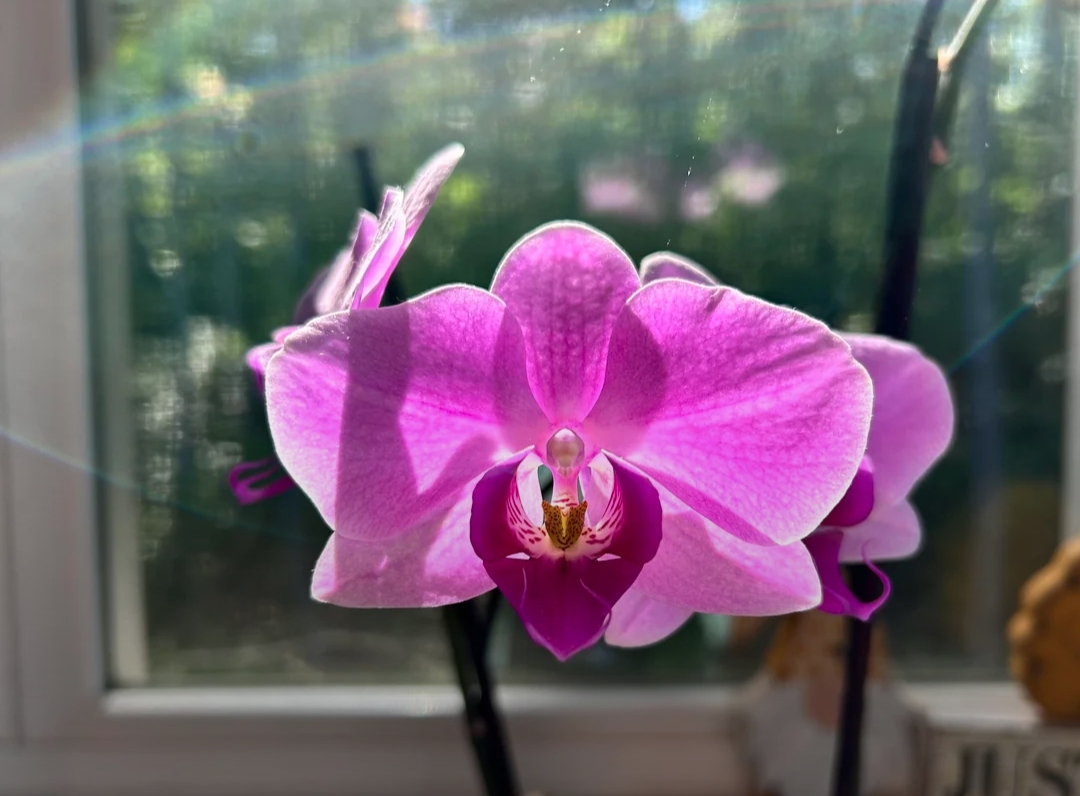
Orchids and Sunlight are essential factors in growing healthy, vibrant plants. Many beginners underestimate the importance of proper light care, which directly affects an orchid’s growth, leaf health, and flowering potential. Understanding how much sunlight your orchids need and how to provide it can mean the difference between a thriving plant and one that struggles to bloom. With the right approach, even indoor orchids can flourish beautifully.
Sunlight impacts not only photosynthesis but also the overall energy your orchid uses to produce flowers. Different orchid species require varying light intensities, making it crucial to observe their needs carefully. By learning proven sunlight care techniques, beginners can create optimal conditions for their orchids, ensuring strong roots, lush leaves, and consistent blooms throughout the year.
Orchids and Sunlight
1. Understand Orchid Light Requirements
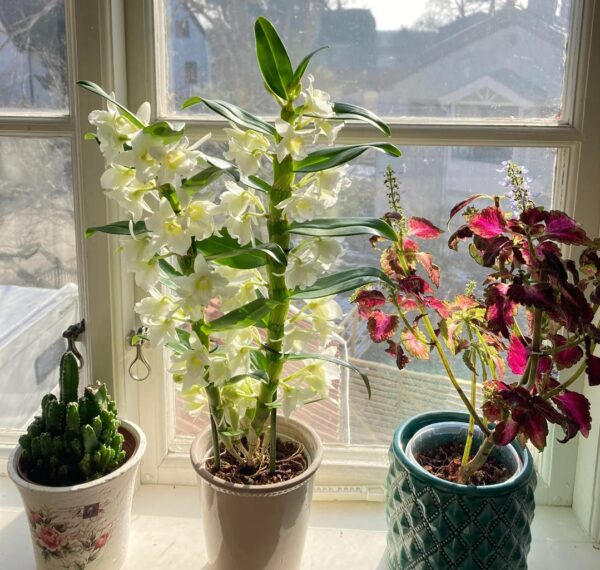
Different orchids have different light needs. Some thrive in bright, indirect sunlight, while others prefer medium or low light. Knowing your orchid type and its natural habitat is essential. Providing proper light ensures strong leaves, healthy roots, and consistent flowering. Avoid guessing—observe your orchid and adjust its position based on leaf color and growth patterns.
2. Types of Light Orchids Need
Orchids utilize sunlight for photosynthesis, converting light into energy for growth and flowering. Natural sunlight is ideal, but indirect light often works best indoors. Artificial grow lights can supplement sunlight during winter or in low-light rooms. Choosing the right type of light ensures your orchid develops vibrant flowers without the risk of sunburn or stunted growth.
3. Identify the Right Light for Your Orchid
Leaves are the best indicators of light levels. Dark green leaves may indicate insufficient light, while yellowish leaves or brown tips can signal too much exposure. Maintaining a balance ensures optimal growth and bloom production. Regularly monitor your orchids, adjusting their placement slightly until their foliage shows a healthy, bright green shade.
4. Choose the Best Spot for Orchids
The position of your orchid significantly impacts its health. East-facing windows provide gentle morning light, while south-facing windows deliver brighter sunlight, suitable for orchids needing high light. North-facing windows offer low light for shade-loving orchids. If sunlight is too harsh, consider filtering it or placing orchids slightly back from the window.
5. Consider Sunlight Intensity Throughout the Day
Not all sunlight is equal. Morning sun is gentler and ideal for sensitive orchids, while afternoon sun can be intense and cause leaf burn. Seasonal changes also affect sunlight intensity. Adjust your orchid’s location throughout the year to maintain consistent exposure. This helps prevent stress and ensures proper photosynthesis for healthy growth and flowering.
6. Filter Light When Necessary
Some orchids require indirect light, making light filtration essential. Using sheer curtains, blinds, or placing plants behind other objects can reduce intensity. Outdoor orchids benefit from partial shade to avoid scorching. Proper filtering mimics their natural environment and prevents sunburn while still providing enough light for photosynthesis and robust growth.
7. Maintain Humidity and Temperature with Sunlight
Sunlight directly affects temperature and humidity around orchids. Excess heat can dry out leaves and soil, while insufficient warmth slows growth. Monitor your orchid’s environment and adjust water, humidity, or placement to prevent stress. Combining ideal sunlight with proper humidity promotes strong roots, healthy foliage, and regular blooming cycles.
8. Rotate Orchids for Even Light
Light exposure is often uneven, causing orchids to grow lopsided. Rotate your plants regularly to ensure all leaves receive balanced light. This simple step promotes uniform growth, strengthens stems, and encourages blooms on all sides. Beginners often overlook rotation, but it’s key for achieving symmetrical and attractive orchids.
9. Use Artificial Grow Lights Effectively
Indoor orchids may require supplemental lighting, especially in rooms with limited natural sunlight. LED or fluorescent grow lights mimic sunlight, promoting photosynthesis and healthy flowering. Position lights 12–18 inches above the orchid and maintain 12–14 hours of light daily. Artificial light ensures orchids continue thriving even during short winter days.
10. Avoid Sunburn in Orchids
Sunburn appears as brown, crispy patches on leaves and can permanently damage the plant. To prevent sunburn, provide filtered sunlight or gradually acclimate orchids to higher light levels. Monitor leaf color daily, especially when moving plants outdoors. Proper sunlight management prevents stress and supports continuous blooming without harming foliage.
11. Know Light Needs for Different Orchid Types
Orchid species vary in light requirements. Phalaenopsis prefer low to medium light, Cattleya thrive in medium to bright light, Dendrobium need bright light, and Oncidium grow well in medium to bright conditions. Research your orchid species and provide the specific light they need. Tailoring care to species ensures longevity and maximum bloom potential.
12. Adjust for Seasonal Light Changes
Sunlight duration and intensity change with seasons. During winter, orchids may need supplemental light, while summer’s harsh sun may require shading. Observe your plant’s response to seasonal shifts, adjusting placement or using grow lights accordingly. This proactive approach prevents stress, supports growth, and helps your orchid bloom reliably throughout the year.
13. Provide the Right Daily Sunlight
Most orchids require 12–14 hours of light daily, though the exact amount depends on species. Insufficient light delays flowering and weakens leaves, while excessive light can burn foliage. Track the hours your orchid receives natural or artificial light, and adjust exposure to meet daily requirements for healthy growth and regular blooms.
14. Move Orchids Outdoors Safely
Some orchids benefit from outdoor sunlight, but sudden exposure can shock them. Gradually acclimate plants by increasing outdoor time incrementally. Avoid placing orchids in direct midday sun initially. Outdoor sunlight boosts flowering and growth, but careful acclimation prevents leaf burn and ensures the plant adapts successfully to a brighter environment.
15. Understand Light and Flowering Cycles
Proper sunlight is a natural trigger for orchid flowering. Insufficient light can delay blooms, while consistent, adequate light encourages robust flowering. Observe your orchid’s growth patterns and adjust lighting if it appears stagnant. Understanding the relationship between light and flowering ensures your orchids bloom at their peak, creating spectacular, long-lasting flowers.
16. Clean Orchid Leaves Regularly
Dust and debris on leaves block sunlight, reducing photosynthesis efficiency. Clean leaves gently with a soft, damp cloth to maximize light absorption. Healthy leaves reflect proper care and ensure energy is effectively produced for blooms. Regular cleaning prevents diseases, promotes growth, and keeps orchids visually vibrant while supporting strong flowering.
17. Use Light Meters for Precision
Beginners often rely on guesswork to measure light. Light meters provide accurate readings, helping you maintain optimal exposure for each orchid type. Affordable light meters allow you to monitor sunlight intensity indoors or outdoors, ensuring that orchids receive enough light without risk of burning or inadequate growth. Precision prevents mistakes common in beginner care.
18. Avoid Common Beginner Mistakes
Many beginners place orchids in direct sunlight without protection or fail to adjust for seasonal light changes. Others rely solely on window light without monitoring intensity. These mistakes can stunt growth or cause leaf burn. Awareness of orchid needs and careful observation helps beginners achieve healthy plants that consistently flower, making cultivation rewarding.
19. Monitor and Adapt
Every orchid is unique, and light needs may change with growth stages or seasonal shifts. Observe your plant regularly and adapt care accordingly. Adjust window placement, use shading, or supplement with artificial lights as necessary. Being proactive ensures your orchids remain strong, bloom beautifully, and thrive under conditions tailored to their specific sunlight requirements.
Providing proper sunlight is fundamental to orchid health and flowering. By understanding light requirements, adjusting for seasons, and avoiding common mistakes, beginners can create an environment that encourages lush foliage and spectacular blooms. These 19 proven tips help you master orchid sunlight care, ensuring your plants thrive and flourish year after year.
FAQS
Can orchids survive in low light?
Orchids and sunlight are essential, but some varieties can tolerate lower light levels. Low-light conditions may slow growth or reduce flowering frequency. For optimal health, place orchids where they receive filtered sunlight, ensuring a balance between orchids and sunlight to encourage photosynthesis and overall vitality without stressing the plant.
What is the best location for orchids indoors?
When placing orchids indoors, consider how orchids and sunlight interact. East- or west-facing windows provide ideal light, offering gentle morning or late afternoon sun. Avoid direct midday sun, which can damage leaves. Maintaining proper orchids and sunlight exposure promotes strong roots, lush foliage, and frequent blooms.
How can I tell if my orchid is getting too much sunlight?
Too much sunlight can harm your orchid. Signs include yellowing leaves or scorched spots. Regularly check the balance of orchids and sunlight by monitoring leaf color and growth patterns. Adjust the placement or use sheer curtains to protect your orchid while maintaining enough light for healthy development.
Do orchids need direct sunlight to bloom?
Orchids and sunlight do not always require direct exposure to bloom. Most orchids prefer indirect or filtered light for flowering. Properly managing orchids and sunlight helps stimulate blooms without risking leaf damage, ensuring your orchids thrive and produce vibrant, long-lasting flowers year after year.
What type of sunlight is best for orchids?
The best sunlight for orchids is bright, indirect light. Orchids and sunlight should be balanced, avoiding harsh midday rays. Gentle morning or late afternoon sunlight supports photosynthesis and encourages flowering. Correctly positioning orchids to receive ideal sunlight ensures healthy leaves, strong roots, and continuous blooming.
Can orchids be grown outdoors?
Yes, but careful consideration of orchids and sunlight is needed. Outdoor orchids thrive in filtered sunlight or partial shade. Direct exposure can burn leaves, while too much shade may stunt growth. Proper placement ensures orchids receive adequate sunlight while staying protected from harsh weather and extreme temperatures.
How does sunlight affect orchid growth?
Sunlight directly impacts orchid health. Proper orchids and sunlight exposure enhance photosynthesis, root development, and flowering. Without enough sunlight, orchids may become weak, fail to bloom, or develop pale leaves. Balancing orchids and sunlight ensures vigorous growth, vibrant colors, and a long lifespan for your plants.
Should orchids be rotated for even sunlight?
Yes, rotating orchids helps balance light exposure. Orchids and sunlight must reach all sides for uniform growth. Regular rotation prevents uneven leaf coloring and encourages symmetrical flowering, ensuring that each part of the orchid receives optimal sunlight while maintaining healthy overall development.
What is the effect of too little sunlight on orchids?
Insufficient sunlight can weaken orchids. Orchids and sunlight are vital for energy production and flowering. Without enough light, orchids may develop slow growth, fewer blooms, or elongated leaves. Ensuring a balance of orchids and sunlight promotes strong roots, lush foliage, and consistent flowering.
Can artificial light replace sunlight for orchids?
Artificial light can supplement sunlight but cannot completely replace it. For indoor orchids, balance between orchids and sunlight can be achieved using fluorescent or LED grow lights. Positioning lights correctly helps mimic natural sunlight cycles, supporting growth, flowering, and overall orchid health.
When is the best time of day for sunlight exposure?
Morning or late afternoon is ideal. Orchids and sunlight in gentle, indirect rays help prevent leaf burns while supporting growth and flowering. Avoid harsh midday sun to protect orchids’ delicate leaves. Proper timing ensures that orchids receive the right amount of sunlight without stress.
How do I adjust sunlight for orchids in different seasons?
Seasonal changes affect orchids and sunlight. In summer, provide filtered light to prevent scorching. In winter, move orchids closer to windows to maximize available light. Monitoring orchids and sunlight throughout the year ensures consistent growth, strong blooms, and healthy leaves regardless of seasonal changes.
What are signs my orchid needs more sunlight?
Indicators include slow growth, dark green leaves, and few flowers. Orchids and sunlight work together to drive photosynthesis, so insufficient light can stunt development. Gradually increasing exposure, while avoiding direct harsh rays, helps balance orchids and sunlight for optimal health and frequent blooming.
Can orchids get sunburned?
Yes, excessive direct sunlight can burn orchid leaves. Orchids and sunlight need careful moderation. Leaf tips may brown, and foliage can become crispy. Protect your orchids with shade cloth or filtered light, ensuring a safe balance between orchids and sunlight for sustained growth and beautiful blooms.