
Feel free to share!
Orchid stem pests are among the most destructive threats to healthy orchids, often hiding in leaf joints or stem crevices where they feed unnoticed. Because these pests attack the plant’s vascular system, they weaken orchids rapidly, affecting blooms and long-term growth. Understanding the causes and early signs is crucial for stopping infestations before they progress into severe and difficult-to-reverse damage.
Table of Contents 👈 Tap Here
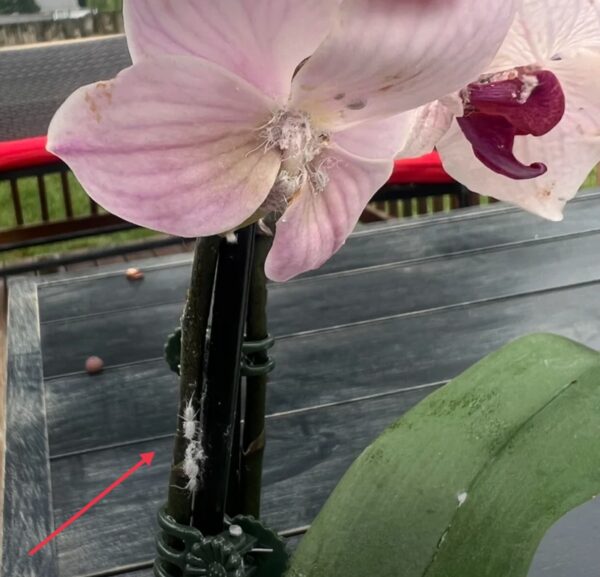
2. Identifying Stem Pest Damage
Early detection is key to saving affected orchids. Look for yellowing stems, shriveled canes, or sudden dehydration even when watering is consistent. Sticky residue, black sooty mold, tiny holes, and clusters of cotton-like spots often signal active pest colonies. When these symptoms appear, the infestation is already spreading internally, making prompt treatment essential to prevent further decline.
3. Major Orchid Stem Pests
Orchid stem pests vary widely in appearance and behavior. Scale insects form hard, shell-like bumps that cling to stems and sap nutrients slowly. Mealybugs appear as white cottony clumps and reproduce aggressively. Aphids cluster around tender stems, while spider mites thrive in dry conditions and leave fine webbing. Thrips, stem borers, fungus gnat larvae, snails, and slugs also attack stems.
4. Prevention Strategies
Prevention is the strongest defense against stem pests. Good airflow and balanced humidity discourage mites and fungal gnats, while proper watering reduces conditions pests find attractive. Sterilizing cutting tools prevents transmission during grooming. Always quarantine new orchids for at least two weeks to observe hidden infestations. Clean repotting practices further block pest introduction, keeping your collection stable.
5. 20 Proven Treatments for Orchid Stem Pests
1. Rubbing Alcohol Swab
Isopropyl alcohol dissolves the waxy coating protecting mealybugs and scale insects. Gently swab affected stems using a cotton pad to break down pest bodies instantly. This method works best for light infestations and avoids harsh chemicals. Repeat every three to four days until no active pests remain, ensuring all hidden clusters are removed effectively.
2. Neem Oil Spray
Neem oil is a natural insect growth regulator that disrupts pest feeding and reproduction. When sprayed on stems and leaf joints, it coats pests and prevents further development. It’s safe for most orchids when diluted correctly. Apply weekly for three weeks, targeting pests like aphids, spider mites, mealybugs, and thrips at various life stages.
3. Insecticidal Soap
Insecticidal soap breaks down soft-bodied pests by dissolving their outer membranes. It’s highly effective against aphids, mites, and young mealybugs. Spray thoroughly along the stems and underside of leaves. This treatment is gentle on orchids but powerful against pests, making it an excellent first-line solution for regular maintenance or moderate infestations.
4. Hydrogen Peroxide Flush
A mild hydrogen peroxide solution helps eliminate larvae hiding inside stem sheaths or potting mix. It releases oxygen that disrupts soft-bodied pests without harming roots when used carefully. Flush the base of the plant and visible infested areas, ensuring pests hidden in tight crevices are also affected. Repeat weekly for consistent control.
5. Cinnamon Paste for Wounds
Cinnamon acts as a natural antimicrobial and pest deterrent. Applying a paste to damaged stem areas protects exposed tissue and reduces reinfestation. It’s especially useful after removing scale insects or trimming infected parts. While not a standalone pest remedy, it supports healing and limits fungal growth in vulnerable sections of the orchid.
6. Systemic Pesticide (Imidacloprid)
Systemic pesticides travel through the plant’s tissues, killing pests that feed internally. Imidacloprid is effective against scale, mealybugs, and borers that hide deep within stems. It’s recommended for severe or recurring infestations where topical treatments fail. Use sparingly and responsibly, following safety instructions to protect beneficial insects and avoid excessive chemical exposure.
7. Horticultural Oil
Horticultural oil suffocates pests by blocking air exchange across their bodies. It works well against scale insects and mites when applied evenly across stems. Because orchids can be sensitive, use a light horticultural oil and apply during cooler hours. This prevents leaf burn while ensuring pests are thoroughly coated for effective treatment.
8. Garlic Extract Spray
Garlic extract acts as a natural insect repellent and mild pesticide. It disrupts feeding behavior and discourages pests from returning. Spray the mixture along stems and leaf joints where pests settle. While not as strong as chemical options, it’s excellent for low-level infestations or as part of a preventive rotation for healthier plants.
9. Soap + Alcohol Mix
Combining liquid soap and alcohol creates a powerful contact killer for soft-bodied insects. The soap breaks adhesion and suffocates pests, while alcohol dries them out rapidly. Use this mixture for stubborn mealybug or aphid clusters along stems. Apply carefully to avoid wetting flowers, and repeat treatment until all visible pests disappear.
10. Sticky Traps
Yellow sticky traps help monitor and control flying pests like fungus gnats and thrips. Although they don’t kill stem pests directly, reducing flying adults prevents new larvae from attacking roots and lower stems. Place traps near the plant base to catch emerging insects and track the severity of the infestation over time.
11. BT (Bacillus thuringiensis) for Caterpillars
BT is a biological pesticide specifically effective against caterpillars and stem borers. When ingested, it disrupts their digestive systems, stopping feeding quickly. Apply BT to stems and nearby potting areas where caterpillars hide. It’s safe for orchids and beneficial insects, making it an ideal targeted treatment for chewing pests.
12. Diatomaceous Earth
Diatomaceous earth is a natural, abrasive powder that damages pests’ exoskeletons, causing dehydration. Sprinkle it lightly around the pot surface and stem base to deter crawling insects such as slugs or mealybug crawlers. Ensure the powder stays dry for maximum effectiveness, as moisture reduces its ability to cut and dehydrate pests.
13. Biological Predators
Predatory insects like ladybugs and lacewings naturally consume aphids, mites, and mealybugs. Releasing them indoors or in greenhouses provides ongoing control without chemicals. These predators seek pests hidden within stem crevices, offering deep cleaning in hard-to-reach areas. Combine with botanical sprays for balanced, eco-friendly pest management.
14. Coffee Water Spray
Dilute brewed coffee creates a mild acidic environment that discourages pests and suppresses fungal activity. Spray lightly on stems and leaf bases to reduce minor infestations. The caffeine compounds interfere with certain insect nervous systems. Use sparingly, as repeated heavy use may alter potting media pH if not monitored carefully.
15. Baking Soda Spray
Baking soda solution helps control fungal issues that attract pests. While not a direct insect killer, it prevents secondary infections on stems damaged by pests. This supports faster recovery and reduces the likelihood of pests returning to weakened tissue. Use during mild infections or after pest removal to stabilize plant health.
16. Hot Water Root Dip
Gently dipping roots in warm—not hot—water can kill certain larvae and mites without harming the plant. This method works especially well for pests hiding in potting medium. The water temperature must be controlled carefully to avoid root burn. Use only during repotting or when larvae are confirmed in the medium.
17. Manual Removal & Pruning
Physically removing pests with tweezers or trimming infested stem sections provides immediate relief. This technique is essential for scale insects, which attach firmly and resist sprays. Prune only damaged areas and apply cinnamon afterward to protect open tissue. Manual removal is often the foundation of an effective multi-step treatment plan.
18. High-Pressure Water Spray
A strong but controlled water stream washes away mites, aphids, and early-stage pests clinging to stems. This method disrupts colonies and removes eggs before they mature. Use lukewarm water with moderate pressure to avoid damaging orchids. It works best as a first step before applying oils or insecticidal soaps.
19. Re-potting Infected Orchids
If pests occupy potting media or lower stems, repotting is essential. Removing old bark eliminates eggs, larvae, and pests hiding beneath. Wash roots thoroughly and trim softened or rotted stem sections. Fresh media prevents reinfestation and allows the plant to regain strength in a clean, pest-free environment.
20. Full Plant Isolation
Quarantining a pest-infected orchid prevents the spread to nearby plants. Place the orchid in a separate location with good airflow and lighting. This allows targeted treatment without risking the entire collection. Isolation also makes monitoring easier, helping you confirm when the infestation has ended completely before reintroducing the plant.
6. Aftercare
After treatment, monitor your orchid closely for at least two weeks. New pests often emerge from eggs that survived initial sprays, so consistent follow-up is critical. Support recovery with proper hydration and gentle fertilization. Strengthening the orchid after pest removal ensures long-term resilience, healthier stem growth, and improved flowering cycles.
7. Conclusion
Orchid stem pests can spread quickly, but with the right knowledge and targeted treatments, they are entirely manageable. A combination of early detection, preventive care, and the 20 proven solutions above provides strong, long-term protection. By following these expert strategies, you can restore your orchid’s health, prevent reinfestation, and maintain a thriving indoor orchid collection.
FAQS
FAQ 1: What are Orchid Stem Pests and how do they affect plant health?
Orchid Stem Pests weaken orchids by feeding on tender stems, causing yellowing, stunted growth, and collapsed tissue. These Orchid Stem Pests often hide in tight crevices, making early detection difficult. When Orchid Stem Pests spread, they interrupt nutrient flow, leading to dehydration and reduced blooming. Regular inspection and preventive care are essential to stop long-term damage caused by Orchid Stem Pests.
FAQ 2: How can I identify Orchid Stem Pests early?
Orchid Stem Pests can be identified by sticky residue, tiny crawling insects, cottony clusters, or discolored patches on stems. When Orchid Stem Pests begin feeding, orchids show swelling or soft spots that worsen over time. Spotting Orchid Stem Pests early allows growers to take quick action, preventing serious health decline and ensuring the plant maintains strong, vigorous growth without irreversible damage.
FAQ 3: What causes Orchid Stem Pests to appear on healthy orchids?
Orchid Stem Pests commonly appear when humidity is unstable, airflow is poor, or plants are overcrowded. These Orchid Stem Pests are attracted to weak or stressed orchids, especially those recovering from repotting or environmental changes. Once Orchid Stem Pests find a suitable host, they reproduce rapidly, making prevention through sanitation, consistent watering, and stable light conditions the key to long-term health.
FAQ 4: Are Orchid Stem Pests harmful to other nearby plants?
Yes, Orchid Stem Pests can spread quickly to nearby plants, especially in warm, humid environments that help them thrive. When Orchid Stem Pests move between orchids, they create colonies that grow rapidly, causing widespread damage. Preventing Orchid Stem Pests requires isolation of affected plants, routine cleaning, and monitoring, ensuring your entire plant collection stays protected from infestations.
FAQ 5: What treatments work best against Orchid Stem Pests?
Effective treatments for Orchid Stem Pests include neem oil, insecticidal soap, alcohol swabs, and systemic insecticides. These Orchid Stem Pests respond well to targeted care when treatments are applied consistently and correctly. Managing Orchid Stem Pests also involves improving airflow, reducing excess moisture, and maintaining cleanliness to prevent re-infestation and help the orchid regain strong, healthy growth after pest removal.