
Feel free to share!
Orchids are delicate and mesmerizing, but even the most experienced growers can face the alarming issue of stem collapse. A collapsed stem isn’t merely an aesthetic concern—it can threaten the orchid’s survival. Understanding the underlying causes and acting quickly is crucial. In this guide, we’ll explore 20 practical and proven solutions to restore weakened stems, strengthen the plant, and prevent future occurrences. By following these steps, your orchids can recover and flourish with healthier, sturdier stems.
Table of Contents 👈 Tap Here
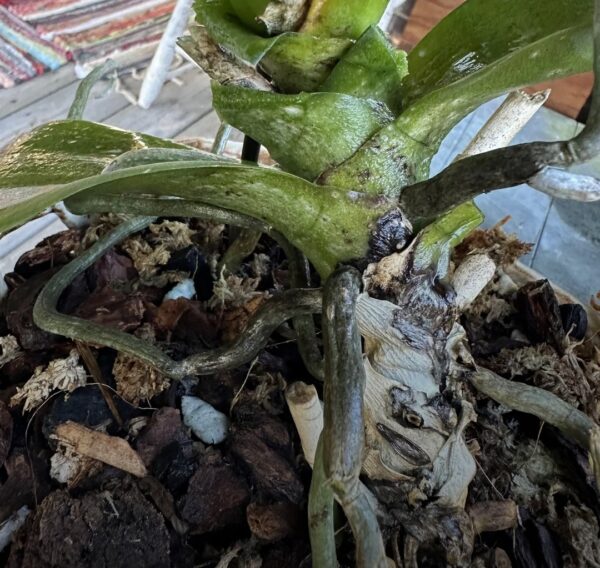
Understanding Orchid Stem Collapse
Before attempting to fix stem collapse, it’s essential to understand why it happens. Orchids can experience stem collapse due to several factors, including overwatering, poor drainage, fungal or bacterial infections, low humidity, temperature fluctuations, and insufficient light. Common signs include drooping or weak stems, yellowing leaves, blackened or rotting roots, and wilting flowers. Identifying these symptoms early allows growers to intervene promptly. Acting swiftly increases the chances of saving the orchid and restoring its structural health effectively.
20 Best Solutions to Fix Orchid Stem Collapse
A. Environmental Adjustments
1. Ensure Proper Humidity:
Orchids naturally thrive in 40%-70% humidity, and dry indoor air can quickly weaken stems. Using a humidity tray, a small room humidifier, or grouping plants together helps maintain stable moisture levels. Proper humidity prevents dehydration of the tissues, which is often the first step toward stem collapse. Consistent moisture in the surrounding environment strengthens both stems and leaves while creating optimal conditions for healthy root growth.
2. Maintain Optimal Temperature:
Most orchids prefer temperatures between 65–80°F (18–27°C) during the day and slightly cooler at night. Sudden temperature drops or prolonged exposure to cold air can stress stems, making them prone to collapse. To protect your orchid, avoid placing them near drafty windows, air conditioners, or heaters. A stable temperature range encourages strong cell structure within stems, which helps the plant maintain its upright posture even when flowering heavily.
3. Improve Air Circulation:
Stagnant air can create a breeding ground for fungal and bacterial infections, which can compromise stem strength. Introducing gentle air movement around your orchids with a small fan improves oxygen flow and reduces humidity pockets that harbor pathogens. Proper air circulation also helps in evaporating excess moisture, preventing crown rot and root rot. Healthy airflow ensures that stems and leaves remain strong while reducing the risk of collapse due to disease.
4. Filter Direct Sunlight:
While orchids require light for photosynthesis, intense direct sunlight can scorch leaves and weaken stems. East-facing windows or filtered light through sheer curtains offer the ideal balance. Providing adequate but gentle light allows stems to develop strength gradually, supporting healthy flower spikes. Monitoring light exposure, particularly during hot afternoons, is critical, as too much sunlight can dry stems and increase susceptibility to collapse.
5. Use a Humidity Tray:
A simple tray with water and pebbles placed beneath the pot helps maintain consistent humidity around the orchid. This setup ensures that the plant absorbs moisture without the risk of waterlogging roots. It’s a cost-effective method to stabilize the microenvironment, especially in dry indoor conditions. By keeping humidity steady, orchids retain turgor pressure in stems, preventing drooping and promoting overall plant vigor.
B. Watering Practices
6. Water Correctly:
Overwatering is the leading cause of stem collapse in orchids. Orchids should only be watered when the medium is slightly dry, avoiding soggy conditions that can rot roots. Watering at the base, not on the crown, helps prevent fungal infections. Developing a consistent watering schedule based on the specific orchid species, season, and potting medium ensures stems remain firm and resilient, allowing flowers and leaves to thrive without stress.
7. Use Clean Water:
Tap water may contain chlorine, fluoride, or salts that can damage delicate orchid tissues. Using distilled water, rainwater, or filtered water protects roots and stems from chemical stress. Water quality directly affects the plant’s ability to absorb nutrients efficiently. By providing clean water consistently, the orchid can maintain strong turgidity in stems, reducing the risk of collapse and supporting healthy foliage and blooms over the long term.
8. Allow Medium to Dry Slightly:
Orchids don’t tolerate constantly wet conditions. Allowing the medium to dry slightly between waterings promotes strong root growth and prevents fungal attacks that weaken stems. Slightly dry periods also stimulate the plant to maintain internal water balance, which strengthens tissues. Observing the moisture level in the medium ensures that stems remain upright and firm while avoiding stress caused by excessive moisture or stagnant conditions.
9. Avoid Water in the Crown:
Water trapped in the crown can lead to crown rot, which quickly spreads to stems. Always pour water around the base of the plant, allowing it to drain freely. Crown rot is one of the most common causes of stem collapse, and preventing water accumulation at the top is crucial for plant survival. Maintaining dry crowns while keeping the roots hydrated ensures orchids develop strong, healthy stems capable of supporting flowers effectively.
C. Potting and Medium Solutions
10. Repot with Fresh Medium:
Over time, potting media can break down and compact, restricting water drainage and root airflow. Repotting with fresh bark, sphagnum moss, or a perlite mix revitalizes the plant. Fresh media supports root health, which is directly linked to stem strength. Repotting also removes old decayed material that may harbor pathogens. A properly repotted orchid has a firmer base, reducing the chances of stem collapse and promoting vigorous growth.
11. Choose the Right Pot:
Orchids need a pot slightly larger than their root system. Too big a pot can retain excess water, while too small a pot restricts root expansion. Choosing the correct pot allows roots to anchor firmly and provides structural support to stems. It also ensures proper drainage, preventing waterlogging that weakens stems. A well-fitted pot helps maintain plant stability, allowing flower spikes to grow upright and healthy.
12. Ensure Drainage:
Orchid roots must never sit in water. Always use pots with drainage holes and a fast-draining medium. Good drainage prevents root rot, which directly affects stem stability. Ensuring water flows freely through the pot keeps roots healthy and stems firm. Consistently moist yet well-draining conditions create the ideal environment for orchids . to grow strong stems and long-lasting flowers without the risk of collapse.
13. Support Weak Stems:
If a stem is drooping, gently stake it using bamboo sticks or soft ties. This physical support prevents further collapse while the plant recovers. Supporting weakened stems reduces stress on the roots and allows the orchid to allocate energy toward recovery and growth. Proper staking encourages vertical growth and prevents flowers from bending or breaking, preserving both the health and beauty of your orchid.
D. Nutrient and Fertilizer Management
14. Balanced Fertilizer:
Using a balanced 20-20-20 fertilizer provides essential nutrients for strong stems, leaves, and roots. Orchids require a mix of nitrogen, phosphorus, and potassium for overall vigor. Regular feeding encourages structural growth while supporting flower development. A consistent nutrient supply strengthens the plant, helping prevent stem collapse caused by nutrient deficiencies or weak tissue structure.
15. Dilute Fertilizer:
Orchids are sensitive to concentrated fertilizers. Applying fertilizer at ¼ strength every two weeks ensures steady nutrient intake without risking root burn. Overfertilization can weaken stems, making them prone to collapse. Diluted, regular feeding helps maintain tissue firmness, supports vibrant growth, and ensures blooms remain strong and long-lasting throughout the flowering period.
16. Flush Medium Monthly:
Regularly flushing the medium with water removes accumulated salts from fertilizers, preventing root and stem damage. Salt buildup can dehydrate roots, leading to weaker stems and increased susceptibility to collapse. Flushing helps maintain a healthy root environment, allowing orchids to absorb nutrients efficiently. Strong roots directly contribute to strong stems, improving the plant’s overall resilience.
E. Disease and Pest Control
17. Inspect for Fungal or Bacterial Infections:
Regularly check stems, leaves, and roots for black spots, soft tissues, or oozing areas. Early detection prevents the spread of diseases that can cause stem collapse. Identifying infections promptly allows targeted treatment before significant damage occurs, protecting the plant’s structural integrity and long-term health.
18. Remove Affected Parts:
Carefully cut away damaged stems or leaves using sterilized scissors. Removing infected areas prevents disease from spreading to healthy tissues. Proper pruning encourages new growth while keeping the plant strong and upright. This step is essential in halting further collapse and promoting recovery.
19. Use Fungicide or Bactericide:
Applying the right fungicide or bactericide stops infections from worsening. Always follow manufacturer instructions and avoid overuse. Timely treatment helps preserve stem integrity and protects flowers from damage. Professional-grade treatments, when used correctly, restore plant health efficiently and safely.
20. Sterilize Tools:
Clean all cutting tools with alcohol or a bleach solution to prevent transmitting diseases between plants. Sterilization reduces the risk of infections spreading during pruning or repotting. Maintaining hygienic practices ensures orchids stay healthy, stems remain strong, and the risk of collapse is minimized.
Preventing Future Stem Collapse
Consistent monitoring is key to preventing future problems. Inspect stems, leaves, and roots weekly to catch early signs of stress or disease. Maintain proper watering, feeding, and light exposure, adjusting for seasonal changes. Creating a stable, nurturing environment ensures stems remain strong, flowers last longer, and your orchids thrive. Prevention is always better than cure—healthy orchids are less prone to stem collapse and grow beautifully for years.
Final Thoughts
Orchid stem collapse may seem intimidating, but with timely action and consistent care, your plants can recover fully. By implementing these 20 solutions, you’ll restore strength to weakened stems, prevent future issues, and create an environment where orchids flourish. The key is observation, patience, and attention to detail. With proper care, your orchids will reward you with sturdy stems, vibrant leaves, and spectacular blooms, bringing long-term joy to your garden or indoor collection.
FAQs on Orchid Stem Collapse
What is Orchid Stem Collapse?
Orchid Stem Collapse occurs when the main stem of an orchid becomes weak and bends or breaks. This condition usually signals underlying problems such as overwatering, root rot, or pest infestations. Early detection is key to prevent permanent damage and save the plant from further deterioration.
2. What causes Orchid Stem Collapse?
Orchid Stem Collapse is often caused by overwatering, fungal infections, or inadequate light. Environmental stress, such as extreme temperatures or low humidity, can also weaken stems. Ensuring proper care, including correct watering schedules, sufficient light, and pest control, is crucial to prevent the stem from collapsing.
3. How can I prevent Orchid Stem Collapse?
To prevent Orchid Stem Collapse, provide consistent care with proper watering and adequate sunlight. Avoid letting the roots sit in water, monitor for pests, and maintain humidity levels around 50–70%. Supporting weak stems with stakes early can also reduce the risk of full collapse and help the plant recover.
4. Can Orchid Stem Collapse be reversed?
Orchid Stem Collapse can sometimes be reversed if caught early. Trim damaged stems, treat underlying issues such as root rot or pests, and provide supportive care. While a collapsed stem may not recover fully, healthy new growth can emerge if the plant’s roots and leaves are kept in optimal condition.
5. Is Orchid Stem Collapse dangerous for my orchid?
Yes, Orchid Stem Collapse can threaten the overall health of the plant. If left untreated, it may lead to permanent structural damage, reduced flowering, or even plant death. Prompt action, including addressing watering habits, pest management, and environmental adjustments, is essential to prevent long-term harm.
6. How do I identify Orchid Stem Collapse early?
Early signs of Orchid Stem Collapse include drooping, soft, or discolored stems. Leaves may also wilt or yellow, and flowers may fail to bloom. Regularly inspecting the plant, checking for root health, and observing stem firmness can help you detect collapse before severe damage occurs.
7. Can pests cause Orchid Stem Collapse?
Yes, pests like aphids, mealybugs, and spider mites can weaken orchid stems, contributing to Orchid Stem Collapse. They damage plant tissues, reduce nutrient flow, and make stems brittle. Treating infestations promptly with insecticidal soap or natural remedies can prevent further collapse and protect overall plant health.
8. Does overwatering lead to Orchid Stem Collapse?
Overwatering is a major cause of Orchid Stem Collapse. Excess water leads to root rot, which prevents the plant from absorbing nutrients. Weak roots cannot support the stem, resulting in collapse. Adjusting watering schedules and ensuring proper drainage is critical to prevent this common problem.
9. Can Orchid Stem Collapse happen suddenly?
Yes, Orchid Stem Collapse can occur suddenly, especially if the plant suffers from root rot, pest infestation, or physical damage. Sudden collapse often indicates severe underlying issues, and immediate intervention, such as trimming damaged stems and treating roots, is necessary to save the orchid.
10. What role does light play in Orchid Stem Collapse?
Inadequate or excessive light can contribute to Orchid Stem Collapse. Too little light weakens stems, while too much direct sunlight can scorch them. Providing bright, indirect light ensures strong stem development, reduces stress, and helps prevent collapse, keeping your orchid healthy and vibrant.
11. How should I support an orchid with Orchid Stem Collapse?
Use stakes, clips, or plant supports to help an orchid with Orchid Stem Collapse. Secure the stem gently without causing damage and adjust supports as the plant grows. Proper support prevents further bending or breaking and encourages the orchid to redirect energy toward new healthy growth.
12. Can Orchid Stem Collapse affect flowering?
Yes, Orchid Stem Collapse can reduce flowering. When stems weaken or break, the plant may redirect energy to survival rather than blooming. Treating the underlying causes, supporting weak stems, and providing optimal care can help restore the plant’s vigor and increase chances of healthy flower production.
13. Are certain orchids more prone to Orchid Stem Collapse?
Some orchids, such as Phalaenopsis and Cymbidium, are more susceptible to Orchid Stem Collapse due to their long, delicate stems. Environmental stress, overwatering, and pest damage increase vulnerability. Understanding species-specific care requirements helps reduce the risk and maintain strong, healthy stems for optimal growth.
14. Can Orchid Stem Collapse be a sign of root problems?
Yes, Orchid Stem Collapse often indicates root problems. Diseased, rotting, or weakened roots cannot support the plant properly, causing stems to droop or break. Checking root health regularly and addressing issues like root rot is essential to prevent stem collapse and ensure long-term orchid survival.
15. How long does it take to recover from Orchid Stem Collapse?
Recovery from Orchid Stem Collapse depends on the severity and timely intervention. Mild cases may recover in a few weeks with proper care, while severe collapses require months for new growth. Consistent watering, light, and nutrient management are key to helping your orchid regain strength and vitality.