
Feel free to share!
If your orchid is not rooting, don’t panic! Orchid Not Rooting issues are quite common among growers and can often be resolved with the right care. Orchids are sensitive plants that respond quickly to environmental changes, especially when faced with overwatering, poor airflow, or inadequate light. Recognizing these early signs is the first step to restoring your orchid’s root health.
Table of Contents 👈 Tap Here
In this comprehensive guide, you’ll discover Orchid Not Rooting: 20 Best Proven Solutions for Healthy Growth. Each method is designed to help your orchid naturally rebuild strong, vibrant roots. From adjusting watering routines to improving potting mediums and humidity levels, these practical steps will guide you toward reviving your orchid’s health and ensuring beautiful, long-lasting blooms.
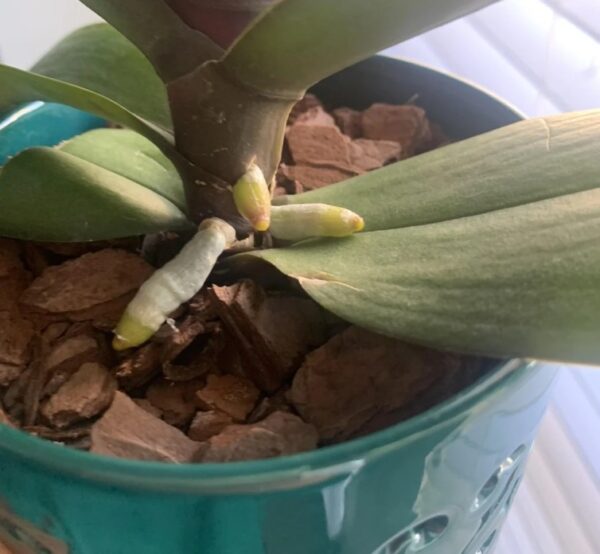
🌱 Why Is Your Orchid Not Rooting?
When your orchid stops producing new roots, it’s a clear signal that the plant is under stress. The problem often arises from compact soil, too much water, or sudden changes in temperature. Understanding the cause is the first step toward recovery. Once identified, applying the right care can bring your orchid’s root system back to life.
🌿 1. Maintain Ideal Humidity Levels
Orchids naturally grow in humid tropical environments. If the air in your home is too dry, the orchid may stop rooting. Keep humidity between 40–70% using a humidifier or a humidity tray. Grouping your orchids together also helps maintain moisture, creating the perfect environment for new root growth and healthier leaves.
☀️ 2. Provide Bright, Indirect Light
Light is one of the most crucial factors for rooting. Place your orchid near a window with filtered sunlight, such as an east-facing one. Too much direct sunlight can burn leaves, while too little light hinders root growth. Aim for bright but gentle light exposure for 6–8 hours daily to promote photosynthesis and energy production.
💨 3. Improve Air Circulation
Good airflow prevents fungal infections and allows orchid roots to breathe. If your orchid is not rooting, stagnant air might be the culprit. Use a small fan on a low setting or open windows periodically to increase air circulation. This will mimic the orchid’s natural forest environment and help stimulate new root formation.
🌡️ 4. Keep Temperature Stable
Orchids prefer consistent warmth to develop roots. Keep the temperature between 65–82°F (18–28°C) during the day and a slight drop at night. Avoid placing orchids near air conditioners, heaters, or drafty windows. Sudden temperature fluctuations can shock the plant and delay root growth, so stability is key for healthy orchids.
💧 5. Watering
The most frequent cause of orchids not rooting is overwatering. Only until the potting material is almost dry should you water it. Place a finger about an inch into the mixture; if it feels wet, wait before adding more water. In addition to preventing root rot, proper watering guarantees that oxygen can flow through the potting material.
💦 6. Use Quality Water
Tap water often contains chlorine, fluoride, or salts that can damage delicate orchid roots. Use distilled, filtered, or rainwater whenever possible. Pure water encourages root growth and helps your orchid absorb nutrients effectively. If your orchid is not rooting, switching to cleaner water can make a visible difference within weeks.
🌾 7. Let Roots Dry Between Watering
Orchid roots need both moisture and air. Let them dry slightly between watering to prevent fungal infections. This cycle of wet and dry encourages the roots to stretch out and grow. Remember, it’s better to underwater slightly than to overwater—healthy orchids always prefer a little dryness over constant wetness.
🪴 8. Choose the Right Pot
If your orchid is not rooting, your pot might be restricting airflow. Choose a transparent plastic pot with drainage holes at the bottom. Clear pots help you monitor root health and moisture levels easily. Proper drainage ensures roots never sit in stagnant water, promoting strong, white, and firm roots over time.
🌳 9. Use a Suitable Potting Mix
Regular garden soil is too dense for orchids. Instead, use a breathable mix of bark, sphagnum moss, and perlite. This combination provides excellent aeration and drainage. A well-aerated potting mix allows roots to cling naturally, just like they would on trees in their tropical habitat, promoting faster rooting and healthier growth.
🔁 10. Repot Regularly
Every 12–24 months, orchids need fresh potting media to breathe. Old bark or moss breaks down and traps moisture, which suffocates the roots. If your orchid is not rooting, repot it with fresh medium. Repotting also removes decayed roots and gives your plant a clean start for new, vigorous root growth.
🧴 11. Sterilize Tools and Pots
Always sterilize pruning shears, pots, and other tools before using them on orchids. Contaminated tools can spread bacteria or fungi, leading to root rot. Clean equipment ensures that your orchid’s tender roots stay healthy and infection-free, creating a safe environment where new roots can grow and flourish naturally.
🌼 12. Feed With Balanced Fertilizer
Use a balanced orchid fertilizer such as 20-20-20, diluted to half strength. Apply it every 2–3 weeks during active growth periods. Fertilizer provides essential nutrients like nitrogen and potassium that encourage both leaf and root development. When orchids are properly nourished, they root faster and bloom more beautifully.
🧂 13. Flush Out Salt Buildup
Fertilizers and hard water can leave salt deposits in your orchid’s potting medium. Over time, this buildup can prevent roots from absorbing nutrients. Once a month, flush your orchid pot with clean, pure water to rinse out these residues. This simple routine helps maintain a clean environment and encourages healthy root activity.
✂️ 14. Trim Dead or Rotting Roots
When roots turn brown, black, or mushy, they need to be removed immediately. Using sterilized scissors, trim away all dead or rotted parts. This stops the spread of infection and allows new roots to grow freely. Healthy roots should be white or green and firm to the touch—your goal is to encourage more of those.
🌱 15. Use Rooting Hormone
Rooting hormones can give your orchid a powerful boost. Dip the cut ends or base of your orchid in a powdered or gel rooting hormone before repotting. This stimulates new root growth and shortens recovery time. Natural options like cinnamon or aloe vera can also help disinfect and gently encourage root formation.
🌊 16. Try Seaweed Extract or Orchid Tonic
Seaweed extracts and orchid tonics contain growth-promoting hormones that activate dormant root cells. Use a diluted solution to mist or soak your orchid weekly. These organic supplements strengthen roots, enhance nutrient uptake, and speed up the recovery process when your orchid is not rooting as expected.
💨 17. Mist Aerial Roots
Many orchids develop aerial roots above the potting medium. These roots absorb moisture from the air, so mist them lightly each morning. Avoid soaking, as excess water can cause rot. Regular misting keeps aerial roots green and hydrated, helping your orchid grow vigorously and maintain overall health and balance.
🦠 18. Prevent Fungal Infections
If your orchid’s roots appear slimy or black, fungal infection might be stopping root growth. Treat it with a gentle fungicide or natural remedy like neem oil. Ensure your orchid has good airflow and avoid overwatering. Keeping the plant dry and clean at night prevents fungi from returning and damaging new roots.
🐛 19. Watch for Pests
Tiny insects like aphids, mealybugs, and scale can stress orchids and stunt root growth. Check your plant regularly for signs of pests under leaves or around roots. Use neem oil or insecticidal soap for safe control. Removing pests early prevents damage and helps your orchid focus its energy on new root formation.
🌸 20. Be Patient and Consistent
Rooting takes time—sometimes several weeks. Continue caring for your orchid with consistency. Avoid moving it around too often, as orchids dislike sudden changes. Patience is key: when conditions remain stable, you’ll soon see tiny white root tips emerging, proving your efforts to restore healthy root growth are working.
🌺 Bonus Tips for Long-Term Orchid Health
Keep a small care journal to track watering, fertilizing, and light exposure. Regular observation helps you detect stress early. Also, avoid using too many chemicals or changing care routines frequently. Consistency and gentle care always lead to thriving orchids that reward you with lasting beauty and vibrant blooms.
💬 Expert Insight
Professional orchid growers emphasize that strong roots are the foundation of a healthy orchid. Without them, even the most beautiful leaves and flowers cannot last. If your orchid is not rooting, focus on building the right environment rather than forcing growth. With time, you’ll see your orchid recover naturally and thrive.
FAQs About Orchid Not Rooting
1. Why is my Orchid Not Rooting even after regular watering?
If your Orchid Not Rooting issue continues despite regular watering, it may be due to overwatering or poor drainage. Orchids need moisture but also good airflow around the roots. Use a breathable orchid mix and ensure the pot has proper drainage to promote healthy root development.
2. Can lack of sunlight cause Orchid Not Rooting problems?
Yes, inadequate light is a common cause of Orchid Not Rooting issues. Orchids need bright, indirect sunlight to stimulate root growth. Place your orchid near a window with filtered light, or use a grow light to mimic natural sunlight conditions for better root activity.
3. How does overwatering lead to Orchid Not Rooting issues?
Overwatering is one of the main reasons for Orchid Not Rooting problems. Constantly soggy roots can rot and suffocate, preventing new roots from forming. Allow the potting mix to dry slightly between waterings and ensure proper air circulation to help roots recover.
4. Does temperature affect Orchid Not Rooting?
Yes, temperature fluctuations can directly impact Orchid Not Rooting. Orchids prefer consistent warmth—around 65–80°F (18–27°C). Exposure to cold drafts or sudden heat can stress the plant, halting root growth. Keep your orchid in a stable, humid environment for best results.
5. Can repotting help solve Orchid Not Rooting problems?
Repotting often helps when dealing with Orchid Not Rooting. Old potting media can break down and block airflow to the roots. Refresh your orchid mix every year with bark or sphagnum moss to create an ideal growing environment and stimulate new root growth.
6. What fertilizer is best for Orchid Not Rooting recovery?
To correct Orchid Not Rooting issues, use a balanced orchid fertilizer with nitrogen, phosphorus, and potassium in equal amounts. A weak, weekly feeding routine encourages root growth without burning delicate roots. Choose a formula labeled “for root growth” for faster results.
7. Is humidity important for fixing Orchid Not Rooting?
Absolutely. Low humidity is another cause of Orchid Not Rooting. Orchids thrive in 50–70% humidity. You can use a humidity tray, room humidifier, or misting routine to maintain moisture around the plant, encouraging stronger and healthier root formation.
8. Can damaged roots cause Orchid Not Rooting to continue?
Yes, damaged or rotten roots can prevent new ones from forming, worsening Orchid Not Rooting. Trim away all dead or blackened roots before repotting. This prevents rot from spreading and gives your orchid a better chance to grow new, healthy roots.
9. Does airflow influence Orchid Not Rooting recovery?
Proper airflow is essential for resolving Orchid Not Rooting. Stagnant air can lead to fungal infections that damage root tips. Keep your orchid in a well-ventilated area or use a small fan to provide gentle air movement to support healthy root development.
10. How long does it take to fix Orchid Not Rooting issues?
Recovery from Orchid Not Rooting can take several weeks to a few months, depending on the plant’s condition and care. With correct watering, light, and humidity, you’ll gradually see new root tips forming, signaling that your orchid is returning to health.
11. Can old potting mix be the reason for Orchid Not Rooting?
Yes, old or compacted potting mix often causes Orchid Not Rooting. Over time, the mix breaks down, reducing airflow and trapping too much moisture. Replace it with a fresh, airy mix made of bark or moss every 12–18 months to keep the roots breathing and growing well.
12. How can I encourage new roots when my Orchid Not Rooting persists?
When your Orchid Not Rooting persists, try soaking the plant in a weak fertilizer solution or using a rooting hormone spray. Providing bright, indirect light and consistent humidity also stimulates the growth of new roots. Patience and stable conditions are key to recovery.
13. Should I cut flower spikes if my Orchid Not Rooting?
Yes, trimming the flower spikes can help if your Orchid Not Rooting issue continues. Blooming consumes a lot of energy that could otherwise go to root growth. By cutting the spikes, you redirect the plant’s energy toward root regeneration and overall recovery.
14. Does using moss help with Orchid Not Rooting problems?
Yes, sphagnum moss can help fix Orchid Not Rooting by maintaining gentle moisture around the root zone. However, it must be airy and not packed too tightly. When used correctly, moss encourages root tips to emerge and stay hydrated without causing rot.
15. Can stress after shipping cause Orchid Not Rooting?
Definitely. Shipping stress is a common reason for Orchid Not Rooting. Changes in temperature, light, and humidity during transit can shock the plant. After receiving a new orchid, let it acclimate for a few days in a warm, humid area before watering or repotting.