
Feel free to share!
Orchid Leaves Fallen Off Seeing your orchid drop its leaves can be worrying, especially when it looks bare and unhealthy. However, this doesn’t always mean the plant is dying. Orchids can regrow leaves, roots, and even new shoots if their base and roots remain healthy. With proper care, patience, and consistency, recovery is very poor
Table of Contents 👈 Tap Here

🌿 Understanding Leaf Loss in Orchids
1. Natural Leaf Shedding
Orchids naturally shed their oldest leaves, usually the bottom ones, as part of their growth cycle. The plant can focus its energy on new growth thanks to this procedure.If only one or two lower leaves are dropping while the rest of the plant looks healthy, it’s likely nothing to worry about.
2. Stress-Related Leaf Drop
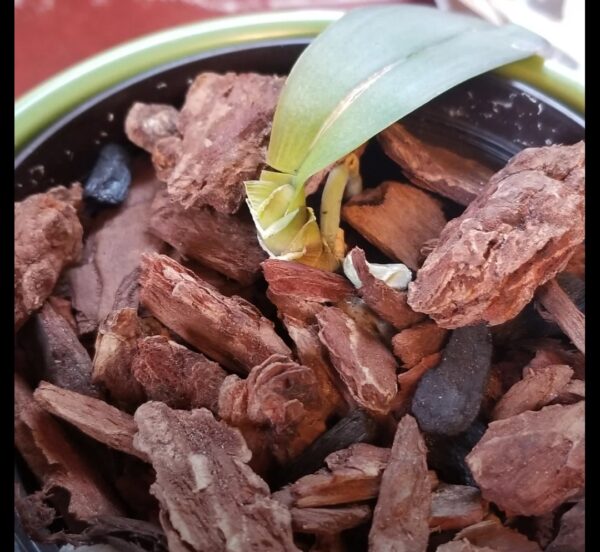
Sometimes orchids lose leaves due to stress, which can be caused by incorrect watering, sudden temperature changes, pests, or poor root conditions. If leaf drop happens suddenly and in larger amounts, it signals a problem. Identifying and correcting the stress factor early is key to helping your orchid recover.
3. Root and Crown Check
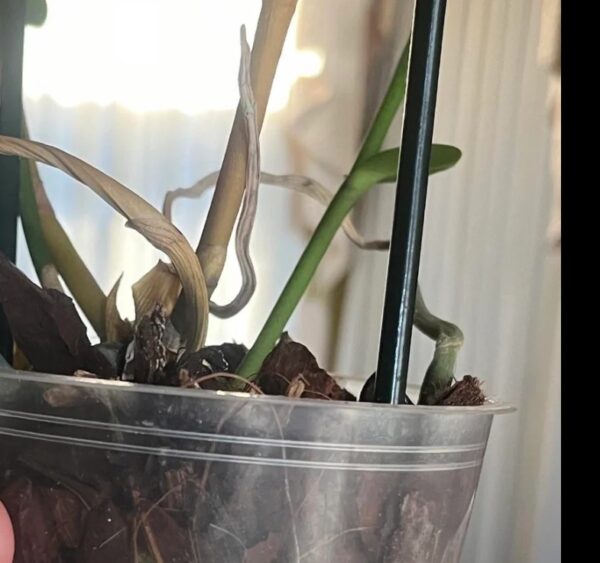
Always check the roots and crown before beginning any regrowth work. Healthy roots should look firm and green when watered, while unhealthy ones appear brown and mushy. The crown, which is the growth point, should feel firm and free from rot. These areas determine whether regrowth is possible or not.
🌱 20 Expert Tips for the Best Regrowth
✅ Root & Stem Health
4. Inspect the Roots Regularly
Healthy roots are essential for leaf regrowth.Carefully inspect the orchid’s roots after removing it from its pot. Strong roots will appear plump and green when hydrated, while weak ones look shriveled or brown. Regular inspections help you catch problems early and keep your orchid’s recovery process on track.
5. Trim Dead or Rotten Roots
If you notice roots that are mushy, hollow, or black, trim them away using sterilized scissors. Removing rotten roots prevents disease from spreading and allows the plant to redirect energy toward healthy growth. After trimming, dust the cuts with cinnamon powder or fungicide to protect against further infections and decay.
6. Repot with Fresh Orchid Mix
Repotting is essential when orchids lose leaves, as old growing medium may harbor bacteria or fungi.Always use a fresh orchid mix that drains well, like sphagnum moss or bark.This provides aeration and prevents root suffocation. Repotting also gives the plant a cleaner environment to stimulate new root and leaf growth.
7. Use Clear Pots for Monitoring
It is very advised to use clear pots since they let light into the roots, which promotes photosynthesis. They also facilitate the monitoring of moisture levels and root health. This helps you avoid overwatering, one of the most common causes of leaf loss. Transparent pots create the ideal setup for recovering orchids.
💧 Watering & Humidity
8. Water When Roots Turn Silvery-White
Overwatering is the top reason orchids lose leaves. Only water when the roots appear dry and silvery to prevent this.When hydrated, they should turn bright green. Sticking to this routine ensures the orchid receives enough moisture without drowning the roots, which encourages healthy regrowth of leaves and shoots.
9. Maintain Proper Humidity Levels
Tropical plants like orchids do best in environments with 50–70% humidity. Dehydration can result from low humidity, and the plant is further weakened by extreme dryness. To add more moisture to the air, use a room humidifier, a humidity tray, or a collection of orchids. Providing a stable, humid environment helps trigger regrowth and stronger leaves.
10. Avoid Crown Rot
When watering, avoid splashing water directly into the crown, as standing water can cause rot. If water accidentally collects in the crown, gently blot it dry with tissue or tilt the plant to drain it. Proper watering technique is critical, since crown rot can permanently damage the growing point.
☀️ Light & Temperature
11. Provide Bright, Indirect Light
Orchids need plenty of light to regrow leaves, but direct sunlight can scorch delicate tissue. Place your plant in bright, indirect light, such as near an east-facing window or behind sheer curtains. Correct lighting ensures the orchid photosynthesizes effectively, which fuels new growth and prevents further stress on the plant.
12. Keep Temperatures Stable
18 to 28°C (65 to 82°F) is the ideal temperature range for orchids. Unexpected drops or sharp variations put the plant under stress, which results in more leaf loss. Stay away from air conditioners, heaters, and chilly drafts with your orchid. Their original tropical habitat is replicated by stable temperatures, which make it possible for healthy leaves and shoots to regenerate slowly yet steadily.
13. Protect from Direct Heat Sources
Never place orchids near radiators, heating vents, or kitchen appliances that emit dry heat. Direct heat quickly dehydrates orchids, damaging roots and leaves. Instead, keep them in a warm but stable environment where air is moist and gentle. Proper placement prevents further stress and supports healthier regrowth of leaves over time.
🌸 Fertilizing & Nutrition
14. Feed with Weak Fertilizer Weekly
Orchids need extra nutrition to regrow after leaf loss. Every week, apply a half-strength diluted version of a balanced orchid fertiliser.This “weakly, weekly” feeding schedule provides steady nourishment without burning delicate roots. Fertilizer helps restore strength, encourages new leaves, and boosts root development for long-term plant recovery.
15. Add Calcium and Magnesium
Calcium and magnesium are vital nutrients often missing from standard orchid fertilizers. These minerals help plants regain their leaves by fortifying their cell walls and enhancing their general health. You can use supplements or orchid food with added calcium and magnesium. Providing these nutrients ensures your orchid grows back stronger and healthier.
🌱 Boosting Regrowth
16. Apply Rooting Hormone or Seaweed Extract
Special boosters like rooting hormone or liquid seaweed extract can speed up root development. These natural growth stimulants help the orchid recover faster after stress. They work by encouraging root tips to expand, which improves nutrient absorption. Stronger roots ultimately support new leaf growth, making recovery more reliable and effective.
17. Encourage Keiki Growth
Some orchids produce keikis, or baby plants, from nodes when stressed. If your orchid forms a keiki, care for it until it develops roots. Later, you can separate and pot it individually. Keikis are a natural way orchids regenerate, ensuring survival and giving you an extra plant in the process.
18. Reduce Repotting Stress
Orchids do not like being disturbed frequently. Repotting too often weakens them and delays recovery. Only repot when necessary, usually every one to two years, or if the potting medium has broken down. Keeping stress minimal allows the orchid to focus its energy on regrowing leaves and maintaining overall health.
19. Use a Mini Greenhouse Setup
Creating a mini greenhouse environment can speed up recovery. By covering your orchid with a clear plastic dome or placing it in a humid enclosure, you trap warmth and moisture. This simulates tropical conditions, which encourages new leaf and root growth. It’s especially useful for severely stressed orchids needing extra support.
20. Be Patient and Consistent
Orchid regrowth takes time, often several months. It’s important not to give up too quickly. Stay consistent with watering, light, and fertilizer, and avoid making sudden care changes. With patience and steady care, most orchids will eventually produce new leaves, rewarding you with healthy, beautiful growth once again.
🌼 Long-Term Care for Healthy Orchids
The best way to prevent leaf loss is by providing balanced care year-round. Stick to proper watering, light, and fertilization schedules, while keeping humidity and temperature stable. Watch for signs of stress early and correct them before they worsen. With patience and consistency, your orchid can thrive and bloom beautifully again.
FAQs: Orchid Leaves Fallen Off
Why have my Orchid Leaves Fallen Off suddenly?
Orchid Leaves Fallen Off suddenly may be due to stress from overwatering, sudden temperature changes, or pests.Because they are sensitive to their surroundings, orchids frequently drop their leaves as a means of survival. Always check root health, watering schedules, and ensure proper light conditions to help your orchid recover naturally.
Is it normal if Orchid Leaves Fallen Off during blooming?
Yes, sometimes Orchid Leaves Fallen Off while the plant focuses its energy on producing flowers. Orchids prioritize blooms over older leaves, especially lower ones. This is a natural cycle and not always a sign of disease. As long as new roots and leaves grow, your orchid is still healthy
3.What should I do if all of my orchid leaves have fallen off?
If your Orchid Leaves Fallen Off completely, don’t panic. First, inspect the roots to ensure they’re firm and green. Healthy roots can still produce new leaves. Repot the orchid in fresh medium, adjust watering, and provide adequate light. With patience, orchids can regenerate leaves even after severe leaf loss.
Can Orchid Leaves Fallen Off due to overwatering?
Yes, Orchid Leaves Fallen Off can be caused by overwatering. Excess moisture suffocates roots, leading to rot and nutrient deficiencies that weaken the plant. Always allow the potting mix to dry slightly before watering again. Proper drainage and breathable pots are essential to prevent root rot and leaf drop.
Do orchids die if Orchid Leaves Fallen Off?
Not necessarily. Even if Orchid Leaves Fallen Off, the plant may still survive if the roots are strong. Orchids rely heavily on their root system for water and nutrients. By providing the right care, such as adequate humidity and light, many orchids bounce back and produce new growth.
Why Orchid Leaves Fallen Off after repotting?
It’s common for Orchid Leaves Fallen Off after repotting because orchids experience shock when moved to new soil.The new medium may be difficult for older roots to adapt to, momentarily decreasing nutrient absorption. Keep the orchid in a stable environment, reduce watering slightly, and allow it to adapt for recovery.
Are pests a reason Orchid Leaves Fallen Off?
Yes, pests like scale, mealybugs, or spider mites can cause Orchid Leaves Fallen Off. The sap is drained by these insects, weakening the leaves till they fall. Regularly inspect your orchid for pests and treat infestations quickly with neem oil, insecticidal soap, or rubbing alcohol to prevent irreversible leaf loss and damage.
What nutrients help when Orchid Leaves Fallen Off?
When Orchid Leaves Fallen Off, the plant benefits from balanced fertilizers rich in nitrogen, phosphorus, and potassium. Nitrogen supports new leaf growth, while phosphorus strengthens roots. Use a diluted orchid-specific fertilizer every 2–3 weeks. Eating the orchid properly promotes the growth of healthy replacement leaves and helps it restore strength.
How can I prevent Orchid Leaves Fallen Off in the future?
To prevent Orchid Leaves Fallen Off, maintain consistent care: water only when the medium is dry, give bright but indirect light, and keep humidity moderate. Avoid sudden temperature changes and repot only when necessary. Healthy roots and steady conditions are the best way to prevent future leaf drop.
Will Orchid Leaves Fallen Off affect future blooms?
Yes, Orchid Leaves Fallen Off can affect future blooms if the plant loses too many leaves. Leaves help store energy for flowering, so without them, orchids may delay or skip blooming cycles. However, if roots remain healthy and care improves, orchids often recover and produce flowers again over time.
Can extreme temperatures cause Orchid Leaves Fallen Off?
Yes, Orchid Leaves Fallen Off can result from sudden exposure to cold drafts or extreme heat. Orchids thrive in moderate, stable temperatures. Too much heat dehydrates leaves, while cold stress weakens them. Always keep orchids in a controlled environment between 65–75°F to prevent temperature shock and unnecessary leaf drop.
Why Orchid Leaves Fallen Off on only the bottom leaves?
If Orchid Leaves Fallen Off only at the bottom, it may simply be natural aging. Orchids shed older leaves to focus on new growth and blooms. This process is normal and not always a concern. As long as upper leaves remain healthy, your orchid is thriving and adjusting normally.
How long until new leaves grow after Orchid Leaves Fallen Off?
After Orchid Leaves Fallen Off, new leaves may take several weeks or months to appear.Slow-growing orchids prioritise root recovery. With proper light, water, and fertilization, you’ll usually see fresh growth during the next active growing season, signaling the plant’s recovery and overall health.
Should I cut the stem if Orchid Leaves Fallen Off?
If Orchid Leaves Fallen Off but the stem remains green and healthy, don’t cut it yet. The stalk may continue to bear keikis (baby orchids) or flowers. It is safe to cut the stem if it becomes dry and brown. Always use sterilized scissors to prevent spreading disease when pruning orchids.
Is Orchid Leaves Fallen Off a sign of disease?
Yes, Orchid Leaves Fallen Off can sometimes indicate fungal or bacterial infections. Signs include black spots, mushy roots, or yellowing before leaf drop. If disease is present, remove affected parts, sterilize tools, and repot the orchid. Proper air circulation and watering practices are essential to prevent future infections.