
Feel free to share!
Orchids are renowned for their stunning beauty and delicate charm, making them a favorite among plant enthusiasts. However, even experienced growers can face challenges in maintaining their health, especially when dealing with common issues like Orchid Leaf Tip Burn. This condition, often caused by improper watering, low humidity, or excess fertilizer, can affect the appearance and overall vitality of your plant if not addressed promptly.
Table of Contents 👈 Tap Here
Understanding the causes and prevention methods for orchid leaf tip burn is essential for keeping your orchids thriving. By learning how to recognize the early signs and implementing proper care techniques, you can ensure that your orchids maintain their lush foliage and vibrant blooms year-round. With the right approach, managing this issue becomes a straightforward part of your orchid care routine.
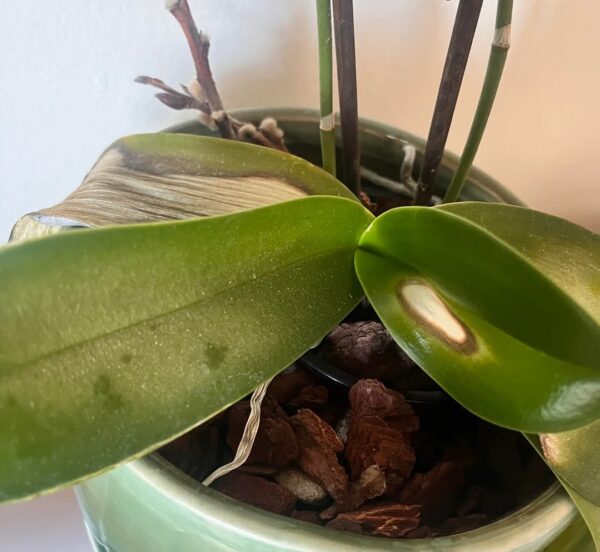
Understanding Leaf Tip Burn
Leaf tip burn is a common condition in orchids where the edges of the leaves turn brown, crispy, or yellow. Unlike diseases, it usually results from environmental stress or care-related issues. Identifying leaf tip burn early is crucial because it allows you to take corrective measures before the damage spreads, ensuring your orchid remains strong and visually appealing.
Causes of Orchid Leaf Tip Burn
1. Overwatering or Underwatering
Inconsistent watering can stress orchids and lead to leaf tip burn. Overwatering can cause root rot, while underwatering deprives the plant of essential moisture. Maintaining a balanced watering schedule, letting the medium dry slightly between waterings, can prevent tip burn and support overall plant health.
2. Low Humidity Levels
Orchids thrive in moderate to high humidity. Low humidity causes water loss through leaves, leading to dry, burnt tips. Increasing humidity with a humidifier, pebble tray, or regular misting helps maintain healthy leaf tissue and prevents the characteristic browning at leaf edges.
3. Excessive Fertilizer or Chemical Burn
Over-fertilizing or using harsh chemicals can burn orchid leaves. High concentrations of salts and nutrients accumulate at leaf tips, causing discoloration and damage. Always dilute fertilizers to half the recommended strength and feed orchids every two to four weeks for optimal growth without tip burn.
4. Direct Sunlight or Heat Stress
Orchids prefer bright, indirect light. Exposure to direct sunlight, especially during midday, can scorch leaves and cause tip burn. Move your orchids to filtered light or shaded areas and avoid placing them near heat sources like radiators to protect sensitive leaves.
5. Poor Water Quality
Hard water, chlorine, or fluoride can accumulate in the growing medium and irritate orchid leaves. Using distilled, rain, or filtered water helps prevent chemical burns and maintains the delicate balance orchids need for optimal leaf health.
6. Pest or Disease-Related Stress
Pests like spider mites, scale, or aphids can weaken orchids, leading to leaf tip damage. Similarly, fungal or bacterial infections may exacerbate leaf burn. Regularly inspect your orchids, clean leaves, and use appropriate treatments to prevent stress-induced tip damage.
7. Environmental Changes
Sudden temperature swings or drafts can shock orchids, triggering tip burn. Consistent temperatures between 65–75°F and avoiding cold drafts or hot air vents help orchids adapt and maintain healthy leaf tips without stress-related discoloration.
Quick Fixes for Leaf Tip Burn
8. Pruning Burned Tips Safely
Trimming burned leaf tips with sterilized scissors improves appearance and prevents further damage. Cut carefully, following the natural leaf shape, and avoid removing more than necessary. This helps the plant focus energy on healthy growth while improving overall aesthetics.
9. Adjusting Watering Routines
Consistent watering prevents both dehydration and root rot. Water your orchid when the medium is nearly dry, ensuring proper drainage. Adjusting your schedule to the plant’s growth phase and seasonal changes helps reduce tip burn and promotes vibrant, green leaves.
10. Improving Humidity Levels
Increasing humidity around orchids supports leaf hydration. Use humidifiers, pebble trays, or group plants together to create a microenvironment. This prevents leaves from drying out and reduces the risk of tip burn, especially in dry indoor conditions.
11. Using Filtered or Distilled Water
Replacing tap water with distilled or filtered water eliminates harmful chemicals that can burn leaves. Regular use ensures a healthy, chemical-free growing environment, protecting sensitive leaf tips from damage and supporting consistent growth.
12. Reducing or Balancing Fertilizer Use
Applying fertilizer sparingly prevents salt build-up at leaf tips. Use a balanced orchid fertilizer, diluted to half-strength, and feed only during active growth. This approach nourishes orchids without risking chemical burns or tip discoloration.
13. Relocating Orchids to Ideal Light Conditions
Proper light prevents both sunburn and etiolation. Move orchids to bright, indirect light, and avoid harsh midday sun. Adjusting light exposure promotes healthy photosynthesis and reduces stress that can lead to tip burn.
14. Protecting from Temperature Extremes
Maintaining stable temperatures shields orchids from stress-induced tip burn. Keep plants away from drafty windows, air conditioners, or heating vents. Consistent warmth supports healthy growth and reduces environmental stress on leaf tips.
Preventive Measures
15. Regular Leaf Inspection
Check your orchid leaves frequently for early signs of tip burn. Early detection allows prompt intervention, preventing more severe damage and ensuring long-term plant health.
16. Consistent Care Routine
Establishing a consistent watering, feeding, and light routine reduces stress. Orchids thrive on predictable care, which minimizes tip burn and promotes strong, healthy leaves.
17. Maintaining Optimal Orchid Environment
Keep orchids in an environment with stable humidity, light, and temperature. Using trays, humidity monitors, or grow lights can help create ideal conditions, reducing the risk of leaf tip damage.
18. Proper Air Circulation
Good airflow prevents fungal infections and helps regulate humidity. Avoid stagnant air around orchids while ensuring gentle circulation, which supports leaf health and reduces tip burn risk.
19. Use Quality Potting Medium
A well-draining, orchid-specific medium prevents waterlogging and root rot. Healthy roots allow proper nutrient uptake, indirectly protecting leaf tips from stress-related burn.
20. Avoid Sudden Environmental Shifts
Gradual changes in light, temperature, or placement help orchids acclimate. Sudden changes can shock the plant, causing leaf tip burn. Introduce adjustments slowly to ensure healthy adaptation.
Orchid leaf tip burn is a common but manageable issue when addressed early. By understanding its causes and implementing these 20 best tips, you can restore your orchids’ beauty and prevent future damage. Consistent care, proper watering, and attention to environmental conditions are key to keeping orchid leaves green, healthy, and thriving year-round.
FAQs on Orchid Leaf Tip Burn
1. What is Orchid Leaf Tip Burn?
Orchid Leaf Tip Burn is a common issue where the tips of orchid leaves turn brown or yellow, often signaling stress. Orchid Leaf Tip Burn can be caused by improper watering, low humidity, or chemical damage from fertilizers. Recognizing Orchid Leaf Tip Burn early helps prevent further damage and keeps your orchids healthy.
2. What causes Orchid Leaf Tip Burn?
Orchid Leaf Tip Burn is mainly caused by excess salts from fertilizers, tap water with high minerals, or inconsistent watering. Other factors include low humidity and direct sunlight. If Orchid Leaf Tip Burn appears, adjusting care routines and checking water quality can significantly reduce the risk and promote healthy leaf growth.
3. Can Orchid Leaf Tip Burn harm my orchid permanently?
Orchid Leaf Tip Burn typically affects only the leaf tips and does not permanently harm the plant if detected early. Persistent Orchid Leaf Tip Burn, however, can stress the orchid, making it prone to diseases. Prompt action, like adjusting watering and humidity, can reverse Orchid Leaf Tip Burn and prevent further issues.
4. How do I prevent Orchid Leaf Tip Burn?
Preventing Orchid Leaf Tip Burn requires careful watering, avoiding over-fertilization, and maintaining proper humidity. Using distilled or rainwater can reduce Orchid Leaf Tip Burn caused by tap water minerals. Regularly inspecting your orchids for early signs of Orchid Leaf Tip Burn ensures the plant remains vibrant and healthy.
5. Does Orchid Leaf Tip Burn indicate over-fertilizing?
Yes, Orchid Leaf Tip Burn is often a sign of over-fertilization. Excess salts from fertilizers accumulate in the soil, causing the tips of leaves to brown. Monitoring fertilizer use and flushing the potting medium can help prevent Orchid Leaf Tip Burn while ensuring your orchids get proper nutrients.
6. Is low humidity a factor in Orchid Leaf Tip Burn?
Low humidity is a major contributor to Orchid Leaf Tip Burn. Orchids thrive in moist environments, and when humidity is too low, leaf tips dry out, resulting in Orchid Leaf Tip Burn. Increasing humidity around your orchid using a tray or humidifier can significantly reduce Orchid Leaf Tip Burn occurrences.
7. Can improper watering lead to Orchid Leaf Tip Burn?
Yes, both overwatering and underwatering can trigger Orchid Leaf Tip Burn. Inconsistent watering stresses the plant, causing the leaf tips to brown. Observing your watering schedule and ensuring proper drainage can prevent Orchid Leaf Tip Burn and maintain overall orchid health.
8. Are certain orchid types more prone to Orchid Leaf Tip Burn?
Some orchid species with thin leaves, like Phalaenopsis, are more susceptible to Orchid Leaf Tip Burn. These species react quickly to water stress, low humidity, or chemical buildup. Regular care and monitoring help minimize Orchid Leaf Tip Burn and maintain their aesthetic appeal.
9. Can Orchid Leaf Tip Burn be reversed?
Orchid Leaf Tip Burn cannot turn brown tips back to green, but the plant can produce new healthy leaves once the cause is addressed. Treating the underlying issues like poor watering, low humidity, or over-fertilization stops further Orchid Leaf Tip Burn and supports new growth.
10. How do I trim leaves affected by Orchid Leaf Tip Burn?
When trimming Orchid Leaf Tip Burn, use sterilized scissors to remove only the brown tips. Avoid cutting too far into the green area. Proper trimming helps prevent further Orchid Leaf Tip Burn from spreading and keeps your orchid looking neat and healthy.
11. Can tap water cause Orchid Leaf Tip Burn?
Tap water with high mineral content or chlorine can cause Orchid Leaf Tip Burn over time. Minerals accumulate in the soil and irritate the leaves, leading to Orchid Leaf Tip Burn. Using filtered or distilled water significantly reduces the risk of Orchid Leaf Tip Burn in your orchids.
12. Does direct sunlight affect Orchid Leaf Tip Burn?
Yes, excessive direct sunlight can worsen Orchid Leaf Tip Burn. Strong light can dry out leaves and create brown tips. Positioning orchids in indirect sunlight prevents Orchid Leaf Tip Burn while still allowing them to thrive and maintain healthy foliage.
13. How long does it take for Orchid L. Tip Burn to heal?
While Orchid L.Tip Burn cannot turn already damaged tips green, new growth usually appears within weeks once proper care is implemented. By addressing the causes of Orchid L.Tip Burn, such as water quality, humidity, and fertilization, orchids can recover and produce fresh healthy leaves.
14. Can Orchid L. Tip Burn spread to other leaves?
Orchid L. Tip Burn itself does not spread like a disease but may appear on multiple leaves if underlying issues persist. If factors like low humidity or over-fertilization continue, Orchid Leaf Tip Burn can affect new leaves, making early intervention crucial to prevent widespread leaf damage.
15. Are there home remedies for Orchid L Tip Burn?
Yes, several home remedies can help manage Orchid L. Tip Burn. Flush the potting mix with distilled water to remove salts, increase humidity around the plant, and adjust fertilizer use. These steps prevent further Orchid L Tip Burn and encourage healthy, vibrant new growth on your orchid.