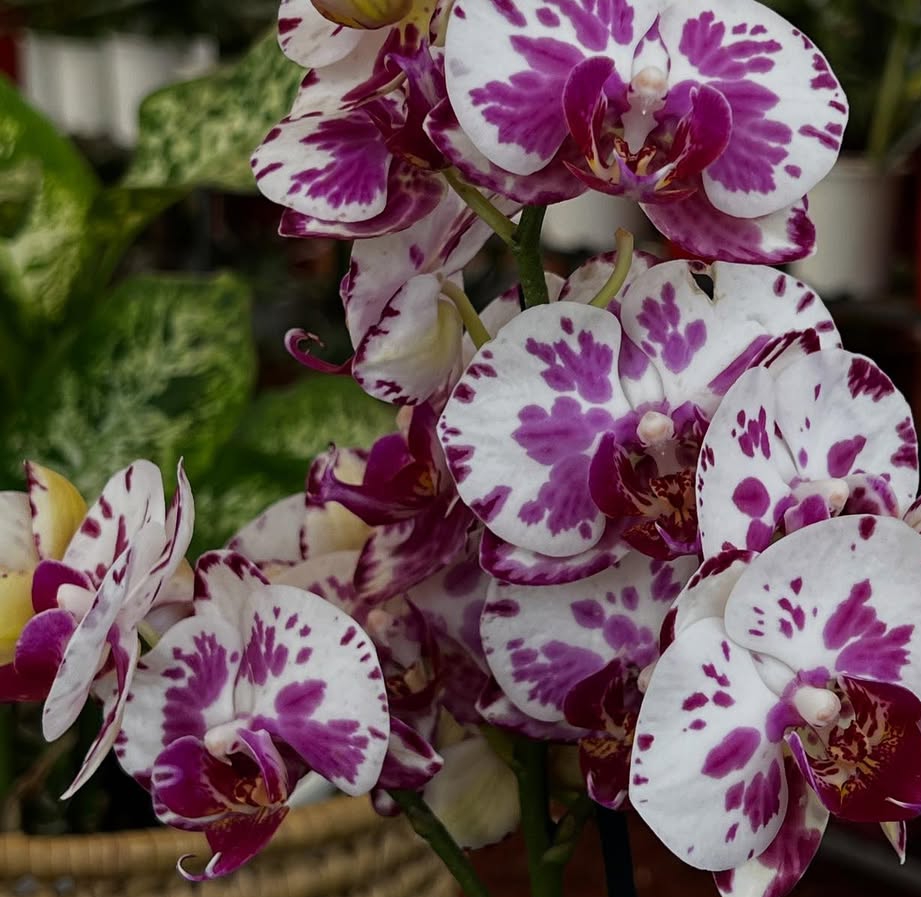
Feel free to share!
Orchids need consistent nutrition to grow strong roots, produce healthy leaves, and develop long-lasting blooms. Beginners often struggle with choosing the right fertilizer because orchids are sensitive to overfeeding. Using a proper balance of nutrients helps recreate the gentle nutrition orchids receive in nature. Understanding this foundation ensures your orchid grows steadily without stress. This guide simplifies everything for starters.
Table of Contents 👈 Tap Here
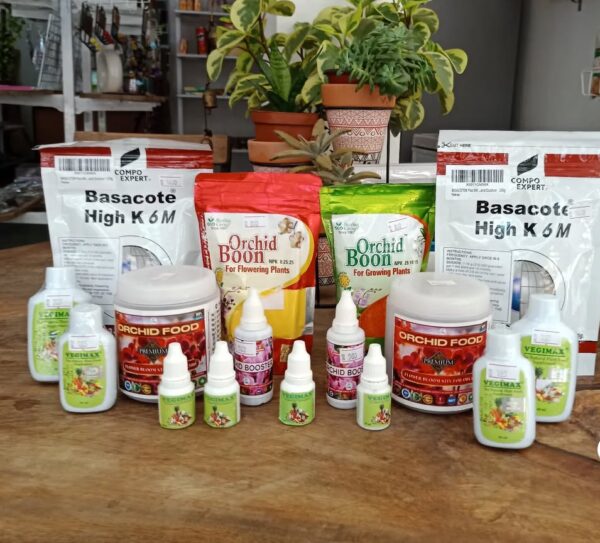
2. Understanding Orchid Nutrient Needs
Orchids rely on three primary nutrients known as NPK—nitrogen for leaf growth, phosphorus for blooms, and potassium for overall strength. Micronutrients like magnesium, calcium, and iron also support healthy development. Balanced nutrition ensures your orchid grows evenly through the year. Without these nutrients, orchids may produce poor leaves or weak roots. Learning nutrient needs helps prevent common beginner mistakes.
3. Organic vs. Chemical Orchid Fertilizers
Organic fertilizers release nutrients slowly, improving long-term root health and mimicking natural growth. Chemical fertilizers work faster and offer precise nutrient ratios, making them easier for beginners to control. Each type has advantages depending on your orchid’s condition. Organic options are safer but slower, while chemical options boost growth quickly. Understanding these differences helps you choose wisely.
4. The Weakly, Weekly Method
Orchids prefer light, frequent feeding instead of strong doses. The “weakly, weekly” method means using fertilizer at one-fourth strength every week. This keeps nutrients available without burning delicate roots. Beginners benefit from this method because it reduces the risk of overfeeding. It also keeps orchids in a steady growth rhythm throughout the season.
5. 20 Best Orchid Fertilizers (Organic & Chemical)
A. Best Organic Orchid Fertilizers
1. Seaweed/Kelp Extract Fertilizer
Seaweed extract is rich in natural growth hormones that improve root development and boost blooming. It strengthens orchids against stress caused by repotting or changing environments. This fertilizer works gently, making it ideal for beginners who want safe, consistent growth. It also stimulates new leaf and spike formation. Regular use supports stable, long-term health.
2. Fish Emulsion Fertilizer
Fish emulsion provides a natural source of nitrogen that encourages strong leaf growth. It’s mild and rarely burns roots, which is helpful for new growers. Despite its smell, the results are excellent for building plant strength. It improves soil microbiology in bark mixes. Beginners appreciate its steady, reliable performance.
3. Compost Tea
Compost tea gives orchids a gentle supply of nutrients and beneficial microorganisms. It improves root strength and enhances natural disease resistance. Beginners like it because it’s nearly impossible to overuse. The nutrients release slowly, supporting long-term growth. It’s also affordable and easy to prepare at home.
4. Banana Peel Tea Fertilizer
Banana peel tea is naturally rich in potassium, which helps orchids develop stronger stems and brighter blooms. It’s easy to make using simple kitchen waste, making it budget-friendly for beginners. The fertilizer works gradually, so it’s safe for regular use. It also improves flower longevity. This homemade booster is especially good during the blooming season.
5. Molasses-Based Fertilizer
Molasses provides natural sugars that feed beneficial microbes around orchid roots. These microbes help break down organic matter, making nutrients more accessible. Molasses also increases nutrient uptake efficiency. Beginners benefit from its gentle action and improved plant resilience. It contributes to healthier leaves and better flower production.
6. Worm Castings (Vermicompost Tea)
Vermicompost tea delivers a rich blend of nutrients and beneficial bacteria. It boosts root development and strengthens orchids naturally. It’s gentle enough for weekly use without risk of overfeeding. Beginners appreciate how it supports steady, consistent growth. It also improves moisture retention in bark-based mixes.
7. Coconut Water Booster
Coconut water acts as a natural growth enhancer due to its cytokinin content. It promotes new shoots, roots, and spikes. This natural fertilizer works quickly without burning plant tissue. Beginners like its simple application and noticeable growth improvements. It’s especially helpful for newly repotted or recovering orchids.
8. Rice Water Fertilizer
Rice water contains starches and trace minerals that support gentle orchid growth. It provides mild nutrition, making it safe for weekly use. Many beginners use rice water because it’s easy to prepare and cost-free. It strengthens root systems over time. Regular use improves leaf shine and overall vigor.
9. Eggshell Calcium Water
Eggshell water supplies orchids with natural calcium, helping prevent leaf-tip burn and weak root growth. Calcium supports cell wall strength, making plants more resilient. Beginners benefit because it’s safe, natural, and simple to prepare. The slow-release nutrients gradually support long-term health. It’s useful for orchids in bloom or those developing new roots.
10. Epsom Salt (Magnesium Supplement)
Epsom salt provides magnesium, which improves chlorophyll production. Orchids produce deeper green leaves and stronger root growth with regular use. Beginners should apply it sparingly, mixing it into their monthly feeding routine. It enhances nutrient absorption when combined with other fertilizers. It is especially beneficial for yellowing leaves caused by magnesium deficiency.
B. Best Chemical Orchid Fertilizers
11. Balanced 20-20-20 Orchid Fertilizer
A 20-20-20 formula offers equal nitrogen, phosphorus, and potassium, supporting overall plant health. Beginners like it because it works for all orchid types. It promotes strong leaves, healthy roots, and consistent growth. Diluting it weekly prevents burning sensitive roots. It’s an excellent all-purpose starting fertilizer.
12. 30-10-10 High-Nitrogen Fertilizer
This fertilizer is ideal for orchids in active leaf and root growth. High nitrogen stimulates new shoots and strengthens foliage. Beginners should use it during the growing season for best results. It helps young orchids establish themselves quickly. Proper dilution prevents nutrient overload.
13. 10-30-20 Bloom Booster Fertilizer
Bloom booster fertilizers increase flower spikes and bigger blooms. The high phosphorus content encourages strong bud formation. Beginners use this formula before and during the flowering period. It helps orchids produce richer colors and more blooms. It’s especially effective for Phalaenopsis and Cattleya orchids.
14. Slow-Release Osmocote Pellets
Osmocote pellets release nutrients gradually over several months. They’re convenient because beginners don’t need to fertilize weekly. The slow feeding prevents root burn and provides steady nutrition. They work well for orchids kept outdoors or in warm climates. The consistent release supports balanced growth.
15. Urea-Free Orchid Fertilizer
Urea-free fertilizers deliver nitrogen in a form orchids can absorb immediately. This is helpful because many orchids struggle to process urea-based nitrogen. Beginners see faster growth and healthier roots using this formula. It works well in bark-based media. It also reduces fertilizer waste.
16. MSU (Michigan State University) Orchid Formula
The MSU formula is created specifically for orchids grown in low-mineral water. It provides a balanced nutrient profile that supports vigorous growth. Beginners appreciate its reliability and steady results. It promotes strong root systems and frequent flowering. It’s popular among professional orchid growers.
17. Dyna-Gro Orchid Pro 7-8-6
Dyna-Gro delivers a complete blend of macro and micronutrients. It helps orchids grow lush leaves and develop consistent spikes. Beginners benefit from its easy mixing and predictable results. It supports year-round growth with minimal risk of overfeeding. Many growers use it as their primary fertilizer.
18. Schultz Orchid Food 19-31-17
This fertilizer is known for boosting flower spikes and enhancing bloom quality. The high phosphorus content encourages strong, colorful flowers. Beginners find it easy to dose with its drop-based measuring system. It works especially well for indoor orchids. Regular use increases bloom frequency.
19. Miracle-Gro Orchid Plant Food
Miracle-Gro offers a beginner-friendly formula designed specifically for orchids. It enhances root development and supports long-lasting flowers. It dissolves easily and works quickly. Beginners appreciate its affordability and availability. It’s suitable for monthly feedings during the growing season.
20. Jack’s Classic Orchid Special
Jack’s Classic provides professional-grade nutrients in an easy-to-use formula. It supports robust root systems and strong blooming cycles. Beginners like its balanced profile and predictable performance. It works for many orchid varieties, including Phalaenopsis and Dendrobium. It’s an excellent choice for year-round feeding.
6. How to Choose the Right Fertilizer for Your Orchid Type
Different orchids require different feeding strengths. Phalaenopsis orchids prefer balanced or bloom-boosting fertilizers. Cattleyas enjoy slightly higher potassium for stronger blooms. Vandas thrive with frequent feeding due to fast growth. Understanding your orchid type ensures you select the fertilizer that matches its natural growth pattern.
7. How to Apply Orchid Fertilizer Safely
Always water your orchid before feeding to prevent root burn. Apply diluted fertilizer weekly or biweekly depending on growth stage. Flush the pot monthly with plain water to remove salt buildup. Never fertilize dry orchids, as this damages roots. Consistent gentle feeding works far better than strong doses.
8. Common Fertilizer Mistakes Beginners Make
Beginners often overfeed orchids, causing burnt roots and yellowing leaves. Using full-strength fertilizer is the most common mistake. Others forget to flush salts from the potting mix. Some beginners fertilize stressed or sick orchids, which slows recovery. Avoiding these mistakes keeps orchids healthy and thriving.
9. Seasonal Fertilizing Guide
In spring, orchids enter active growth and need more nitrogen. Summer feeding maintains strength and root development. Fall requires reduced feeding as orchids prepare for dormancy. In winter, many orchids rest and need minimal or no fertilizer. Adjusting feeding seasonally helps orchids maintain natural growth cycles.
10. Final Tips for Healthy, Bloom-Ready Orchids
Provide bright indirect light, consistent humidity, and proper watering to support fertilizer effectiveness. Use clean water to avoid mineral buildup. Maintain stable temperatures for spikes to form properly. Watch your orchid closely to understand its nutrient responses. With patience and routine care, beginners can enjoy frequent blooms.