
Feel free to share!
Table of Contents 👈 Tap Here
Winter lawn care in Winter Springs, Florida, requires a different approach compared to colder regions. While freezing temperatures are rare, fluctuating weather, excess moisture, and sudden cold fronts can still damage warm-season grass. Proper winter preparation helps protect roots, prevent disease, and maintain lawn strength. Following proven local strategies ensures your lawn stays healthy, resilient, and ready for fast recovery when spring arrives.
Lawn Care Winter Springs FL
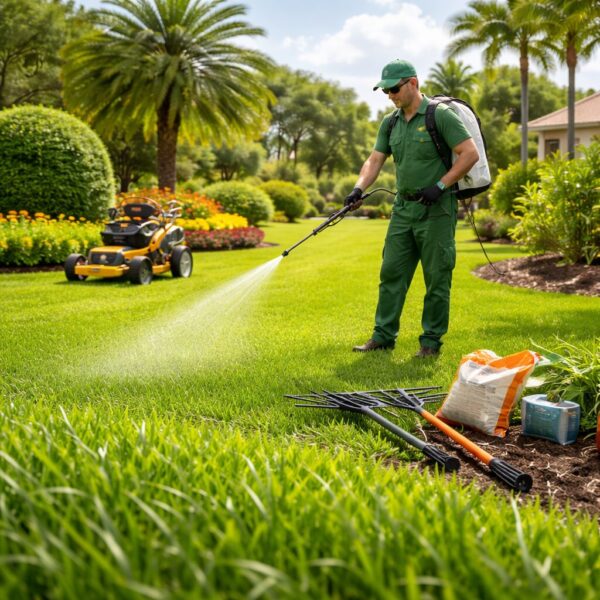
1. Understanding Winter Lawn Challenges in Winter Springs, FL
Winter Springs experiences mild winters with occasional cold snaps, high humidity, and seasonal rainfall. These conditions can stress warm-season grasses, causing slowed growth and vulnerability to disease. Many homeowners assume lawns need no care in winter, but neglect often leads to thinning, discoloration, and fungal issues. Understanding how winter weather impacts turf helps prevent long-term damage and keeps grass strong throughout the season.
2. Identify Your Grass Type Before Winter
Knowing your grass type is critical for effective winter lawn care in Winter Springs, FL. Common grasses like St. Augustine, Bahia, Zoysia, and Bermuda each respond differently to cooler temperatures. Some grasses enter partial dormancy, while others continue slow growth. Proper identification allows you to adjust watering, mowing, and fertilization practices, ensuring your lawn receives the right care without unnecessary stress.
3. Reduce Watering as Temperatures Drop
As winter approaches, lawns require significantly less water. Cooler temperatures slow evaporation and grass growth, meaning excess watering can quickly lead to soggy soil. Overwatering weakens roots and encourages fungal diseases common in Florida winters. Gradually reducing irrigation schedules helps maintain healthy soil moisture levels while preventing root rot and water-related lawn damage during cooler months.
4. Avoid Overwatering During Cool Months
Overwatering is one of the biggest winter lawn care mistakes in Winter Springs, FL. Warm-season grasses absorb less water during winter, making excess moisture harmful rather than helpful. Constantly wet soil reduces oxygen availability to roots and promotes disease. Monitoring rainfall and adjusting irrigation accordingly protects turf health and prevents unnecessary stress during the winter season.
5. Adjust Mowing Height for Winter
Proper mowing height plays a major role in winter lawn protection. Cutting grass too short before winter exposes roots and increases cold damage risk. Keeping grass slightly taller helps insulate the soil, retain moisture balance, and reduce weed invasion. Adjusting mower height based on your grass type ensures better winter resilience and healthier spring regrowth.
6. Stop Nitrogen-Heavy Fertilizers Before Winter
Applying nitrogen-heavy fertilizers late in the season forces new growth when grass should be slowing down. This weak growth becomes vulnerable to cold stress, disease, and damage. In Winter Springs, FL, stopping nitrogen applications before winter helps grass naturally harden off. This allows roots to conserve energy and survive temperature fluctuations more effectively.
7. Use a Winter-Safe Lawn Fertilizer If Needed
If your lawn shows signs of nutrient deficiency, a winter-safe fertilizer can help. Products high in potassium strengthen roots without stimulating excessive growth. Potassium improves stress tolerance and supports overall turf health during cooler months. Applying the right fertilizer at the right time ensures your lawn remains strong without risking winter damage or nutrient burn.
8. Control Weeds Before They Take Over
Winter weeds thrive in Florida lawns when grass growth slows. Weeds like chickweed and clover can quickly spread, stealing nutrients and sunlight. Preventive weed control is far easier than spring cleanup. Addressing weed issues early protects lawn density and reduces competition, helping your grass maintain strength throughout the winter months.
9. Apply Pre-Emergent Herbicides at the Right Time
Pre-emergent herbicides prevent weed seeds from germinating during winter and early spring. Timing is critical in Winter Springs, FL, as temperatures fluctuate. Applying too early or too late reduces effectiveness. When used correctly, pre-emergents create a protective barrier in the soil, minimizing weed outbreaks and preserving lawn health through seasonal transitions.
10. Protect Lawns From Frost and Cold Snaps
Although rare, frost events can still damage Florida lawns. Sudden cold fronts may cause grass discoloration and stress. Avoid mowing or walking on frosted grass, as it becomes brittle. Light irrigation before a freeze can help insulate roots. Taking simple protective measures reduces cold-related damage and speeds up recovery afterward.
11. Avoid Heavy Foot Traffic on Dormant Grass
Winter grass grows slowly and recovers poorly from stress. Excessive foot traffic compresses soil, damages blades, and weakens roots. Lawns in partial dormancy are especially vulnerable. Limiting activity on your lawn during winter helps preserve turf structure and prevents bare spots that can become weed-prone areas later.
12. Rake and Remove Fallen Leaves Regularly
Leaves left on the lawn trap moisture and block sunlight, creating the perfect environment for disease. In Winter Springs, FL, damp conditions worsen this issue. Regularly removing leaves allows air circulation and light penetration, reducing fungal risks. Clean lawns also prevent smothering, keeping grass healthier and more resilient during winter.
13. Watch for Winter Lawn Diseases
Fungal diseases are common in Florida winters due to moisture and mild temperatures. Brown patch and dollar spot can spread quickly if unnoticed. Early detection is key to prevention. Monitoring your lawn for unusual discoloration or thinning allows timely treatment, preventing minor issues from turning into widespread lawn damage.
14. Improve Soil Drainage Before Winter Rains
Poor drainage leads to standing water, which weakens roots and encourages disease. Winter Springs’ flat terrain can worsen pooling issues. Improving drainage through soil amendments or leveling helps excess water move away from roots. Proper drainage keeps oxygen flowing to the soil and prevents long-term turf damage during rainy winter periods.
15. Aerate Only If Necessary
Aeration helps relieve compacted soil but should be done carefully in winter. Unnecessary aeration can stress dormant grass. If your lawn suffers from severe compaction or drainage issues, light aeration may help. Otherwise, it’s best to wait until the active growing season to avoid disrupting winter lawn stability.
16. Repair Bare or Thin Lawn Spots Early
Thin or bare areas are more vulnerable to weeds, erosion, and disease. Addressing these spots before winter prevents further deterioration. Light overseeding or soil repair strengthens weak areas and improves overall lawn appearance. Early attention reduces recovery time and helps maintain consistent turf density throughout seasonal changes.
17. Maintain Lawn Edges and Borders
Clean edges improve airflow and reduce moisture buildup along walkways and garden beds. Neglected borders often harbor pests and weeds. Maintaining defined lawn edges during winter enhances appearance and prevents unwanted growth from spreading into turf. Simple edging also makes spring maintenance easier and more effective.
18. Keep Lawn Equipment Clean and Sharp
Dirty or dull lawn tools can spread disease and tear grass blades. Winter is a great time to clean, sharpen, and maintain equipment. Sharp mower blades create clean cuts that heal faster, reducing disease risk. Well-maintained tools improve lawn health and ensure better results when active growth resumes.
19. Monitor Weather Forecasts Closely
Florida weather can change quickly, even in winter. Staying aware of upcoming cold fronts or heavy rain allows proactive lawn care decisions. Adjusting watering schedules or protecting grass ahead of extreme conditions prevents unnecessary damage. Monitoring forecasts helps homeowners respond quickly and maintain consistent lawn health year-round.
20. Plan Early for Spring Lawn Recovery
Proper winter care sets the foundation for strong spring growth. Lawns protected during winter green up faster and require fewer repairs. Planning ahead allows you to address soil health, weed prevention, and maintenance schedules early. Investing time in winter lawn care in Winter Springs, FL, pays off with a healthier, greener lawn in spring.
FAQs
FAQ 1: Why is winter lawn care important in Winter Springs?
Winter lawn care is important because cooler temperatures slow grass growth but do not stop weed activity or soil issues. Proper maintenance during this season helps protect roots, prevent diseases, and prepare the turf for healthy spring growth. Professional Lawn Care Winter Springs, FL, services focus on soil conditioning, light fertilization, and weed prevention to keep lawns strong year-round.
FAQ 2: What lawn care services are needed during winter?
Winter lawn care typically includes mowing adjustments, weed control, aeration if needed, and monitoring for pests or fungal problems. Even though grass grows slowly, neglect can lead to thinning or damage. Hiring Lawn Care Winter Springs, FL, professionals ensures your lawn receives the right balance of care without stressing dormant grass during cooler months.
FAQ 3: Can weeds still grow in lawns during winter?
Yes, many cool-season weeds continue to grow during winter and can quickly spread if ignored. Applying pre-emergent treatments and spot weed control helps stop infestations early. Expert Lawn Care Winter Springs, FL, providers understand local weed cycles and apply targeted solutions that protect your lawn without harming grass health during winter.
FAQ 4: Should I water my lawn in winter?
Lawns still need occasional watering in winter, especially during dry spells, but overwatering can cause root rot or fungal issues. Watering schedules should be adjusted based on rainfall and soil condition. A professional lawn care service in Winter Springs, FL, can assess moisture needs and prevent damage caused by improper winter irrigation.
FAQ 5: How does winter lawn care help spring growth?
Winter lawn care strengthens roots, improves soil quality, and reduces weed pressure before spring arrives. This foundation allows grass to grow thicker and greener once temperatures rise. Consistent lawn care in Winter Springs, FL, during winter ensures your lawn transitions smoothly into spring with fewer problems and faster recovery.
FAQ 6: Does winter lawn care differ from summer lawn care?
Yes, winter lawn care focuses more on protection and prevention rather than growth. Grass grows slowly, so mowing, fertilizing, and watering are reduced to avoid stress. Professional Lawn Care Winter Springs, FL, services adjust treatments based on seasonal needs, ensuring lawns stay healthy without forcing unnecessary growth during colder months.
FAQ 7: Is fertilizing necessary during winter?
Light fertilization may be needed depending on grass type and soil condition, but heavy feeding should be avoided. The goal is to strengthen roots, not stimulate rapid growth. Experienced lawn care providers in Winter Springs, FL, apply balanced nutrients carefully, helping lawns maintain resilience and prepare for a strong spring comeback.
FAQ 8: Can pests damage lawns in winter?
Some lawn pests remain active during mild winter conditions and can damage roots or soil structure. Early detection is key to preventing long-term problems. Professional Lawn Care Winter Springs, FL, experts monitor pest activity and apply safe treatments when needed, protecting lawns even when visible growth slows down.
FAQ 9: Should fallen leaves be removed from the lawn?
Yes, leaving thick layers of leaves can block sunlight, trap moisture, and encourage fungal diseases. Regular leaf removal helps grass breathe and stay healthy. Reliable Lawn Care Winter Springs, FL, services include cleanup to prevent winter lawn suffocation and reduce the risk of damage before spring arrives.
FAQ 10: Does mowing stop completely in winter?
During the winter, mowing decreases in frequency but does not entirely cease. To shield roots from temperature fluctuations, grass should be kept somewhat higher. In order to prevent scalping and maintain clean, disease-free lawns, professional lawn care professionals in Winter Springs, Florida, modify the height and frequency of mowing.
FAQ 11: How does soil health affect winter lawns?
Healthy soil helps grass roots survive cooler temperatures and absorb nutrients efficiently. Winter is a good time to improve soil structure through aeration or organic treatments. Skilled Lawn Care Winter Springs, FL, professionals focus on soil conditioning to support long-term lawn strength and seasonal recovery.
FAQ 12: Is aeration recommended during winter?
Aeration may be beneficial if soil is compacted, but timing depends on grass type and condition. It improves airflow, water absorption, and root growth. A trusted Lawn Care Winter Springs, FL, service evaluates whether winter aeration is suitable, preventing unnecessary stress on dormant grass.
FAQ 13: Can winter lawn care prevent brown patches?
Yes, proper winter maintenance reduces the risk of fungal diseases that cause brown patches. Managing moisture levels and improving air circulation are essential. Professional Lawn Care Winter Springs, FL, treatments focus on disease prevention, helping lawns stay evenly colored and healthier throughout the season.
FAQ 14: How often should lawns be inspected in winter?
Even in winter, lawns should be inspected regularly to catch early signs of weeds, pests, or disease. Small issues can worsen if ignored. With routine Lawn Care Winter Springs, FL, inspections, homeowners can address problems early and maintain consistent lawn health year-round.
FAQ 15: Is professional winter lawn care worth it?
Professional care saves time, prevents costly repairs, and ensures lawns receive proper seasonal treatments. DIY mistakes during winter can weaken grass before spring. Investing in Lawn Care Winter Springs, FL, services helps maintain lawn quality, improve curb appeal, and ensure long-term turf health.