
Feel free to share!
Bonsai has long been admired as a living art form that blends patience, skill, and creativity. Bringing this tradition indoors allows plant lovers to enjoy its beauty year-round while enhancing their home décor. An indoor bonsai tree is not just a plant but a symbol of harmony and balance, offering a peaceful connection to nature within your living space. With the right techniques, anyone can successfully grow and care for these miniature masterpieces.
Table of Contents 👈 Tap Here
Caring for bonsai indoors may seem challenging at first, but with proper guidance, it becomes a rewarding experience. From choosing the right species and providing adequate light to mastering watering and pruning, every step contributes to the health and beauty of your tree. In this guide, you’ll discover 20 expert tips that will help your indoor bonsai thrive, ensuring it remains vibrant, healthy, and a centerpiece of natural elegance in your home.
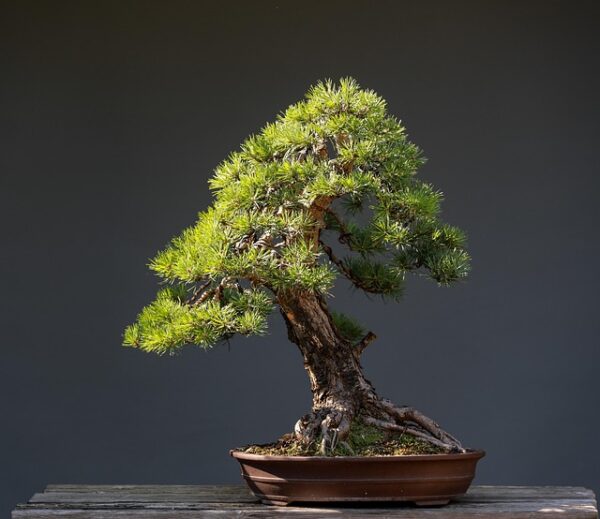
1. Choosing the Right Indoor Bonsai Tree
Selecting the right species is the foundation of bonsai success. Popular choices like Ficus, Jade, and Chinese Elm adapt well to indoor environments and require less demanding care. Avoid species that prefer outdoor conditions, such as pines or junipers, as they struggle indoors. Starting with a resilient species gives beginners confidence and ensures a rewarding bonsai experience.
2. Light Requirements for Indoor Bonsai
Light is critical for bonsai growth. Place your tree near a bright south-facing window where it receives direct sunlight for several hours daily. If natural light is limited, supplement with LED grow lights designed for indoor plants. Adequate lighting prevents weak, leggy growth and helps maintain vibrant foliage, making this one of the most important bonsai care practices indoors.
3. Proper Watering Techniques
Watering is the most common challenge for bonsai beginners. Always check the soil before watering; it should feel slightly dry but never bone dry. Overwatering can lead to root rot, while underwatering causes stress and leaf drop. Use a watering can with a fine nozzle to evenly moisten the soil until excess water drains from the pot.
4. Humidity Needs
Indoor air is often dry, especially with heating or air conditioning. Bonsai thrive in moderate humidity levels of around 50–60%. Placing a humidity tray filled with water beneath the bonsai pot or misting the leaves daily can help. Maintaining humidity reduces leaf browning, supports growth, and creates a healthier environment for your indoor bonsai tree.
5. Temperature Control
Bonsai trees need stable indoor temperatures to flourish. Most species prefer a range between 60–75°F (15–24°C). Avoid placing your bonsai near heating vents, air conditioners, or drafty windows, as sudden temperature changes stress the plant. Keeping your bonsai in a consistent environment ensures steady growth, prevents shock, and extends the overall health and lifespan of your tree.
6. Soil and Repotting
The right soil mix ensures proper drainage and aeration. A typical bonsai soil blend includes akadama, pumice, and lava rock. Repotting every 2–3 years prevents roots from becoming pot-bound and refreshes the soil. Look for signs such as slow growth or water not draining properly. Repotting revitalizes the tree, giving roots space to grow and absorb nutrients efficiently.
7. Fertilizing Indoor Bonsai
Indoor bonsai rely heavily on fertilizer since their soil nutrients deplete quickly. Use a balanced liquid fertilizer diluted to half strength every two weeks during the growing season. Reduce feeding in winter when growth slows. Regular fertilization promotes strong roots, vibrant foliage, and healthy development, ensuring your bonsai remains lush and full of life year after year.
8. Pruning and Shaping
Pruning keeps bonsai small and beautifully shaped. Maintenance pruning involves trimming new shoots, while structural pruning shapes the overall design. Always use sharp bonsai scissors to avoid damage. Regular pruning encourages branching, improves airflow, and enhances aesthetics. Shaping your bonsai not only maintains its miniature form but also allows you to express creativity and achieve artistic balance.
9. Wiring Techniques
Wiring is essential for training branches into desired positions. Wrap aluminum or copper wire gently around branches and bend them slowly into shape. Keep wires on for a few months, checking regularly to avoid scarring. Remove wires once branches hold their form. Wiring requires patience but transforms your bonsai into a striking masterpiece with elegant curves and balanced structure.
10. Pest and Disease Control
Even indoor bonsai are vulnerable to pests like aphids, scale insects, and spider mites. Inspect leaves and stems regularly for signs of infestation. Neem oil sprays and insecticidal soap are safe, natural treatments. Good airflow and clean surroundings reduce disease risk. Preventive care ensures your bonsai remains healthy, vibrant, and free from pests that can quickly cause serious damage.
11. Seasonal Care Adjustments
Although grown indoors, bonsai trees still respond to seasonal changes. During summer, they may require more frequent watering and fertilizing. In winter, growth slows, so reduce watering and feeding. Some bonsai benefit from brief outdoor exposure in mild seasons. Adjusting care according to seasonal needs helps keep your indoor bonsai balanced, resilient, and well adapted throughout the year.
12. Cleaning and Grooming
Regular grooming improves bonsai health and appearance. Remove fallen leaves, dead twigs, and debris from the soil surface to prevent pests and fungus. Wipe leaves gently with a damp cloth to remove dust, which improves photosynthesis. A well-groomed bonsai looks elegant, stays healthier, and grows more vigorously. This simple routine keeps your bonsai fresh and display-worthy indoors all year.
13. Pot and Container Choice
The pot is more than just decoration—it affects bonsai health. Choose a container with proper drainage holes to prevent waterlogging. The size should balance aesthetics with practicality, allowing root space without overwhelming the tree. Shallow pots highlight the tree’s miniature look while ensuring correct growth. Matching your bonsai with the right pot creates harmony and strengthens overall presentation.
14. Bonsai Placement Indoors
Where you place your bonsai determines its growth. Position it near a bright window, avoiding dark corners. Rotate the pot every week to ensure even light exposure, preventing lopsided growth. Keep it away from electronics that emit heat or vibrations. A thoughtful placement not only enhances décor but also provides your bonsai with the stable environment it requires indoors.
15. Propagation and Growing New Bonsai
Expanding your bonsai collection is rewarding. Propagation through cuttings, seeds, or air-layering allows you to create new trees. Ficus species are particularly easy to propagate indoors. Beginners should start with cuttings for quicker results. Growing bonsai from scratch takes patience but provides deep satisfaction, offering you the chance to shape your own miniature masterpiece from its earliest stages.
16. Creating a Bonsai Routine
Consistency is key to bonsai success. Establish a care routine that includes watering, misting, pruning, and inspecting for pests. Keep a simple journal to track care tasks and seasonal changes. A routine prevents neglect, reduces mistakes, and builds stronger bonsai habits. With regular attention, your indoor bonsai thrives, rewarding you with long-term beauty and peaceful companionship.
17. Handling Stress in Bonsai
Stress can weaken bonsai trees, making them vulnerable. Watch for signs such as yellowing leaves, drooping branches, or halted growth. Causes may include poor lighting, inconsistent watering, or sudden environmental shifts. Address stress immediately by adjusting care routines. With patience and proper attention, most bonsai recover fully. Learning to respond to stress ensures your bonsai stays healthy and strong.
18. Enhancing Bonsai Aesthetics
A bonsai’s beauty goes beyond the tree itself. Adding moss, pebbles, or miniature figurines enhances the display. Moss keeps soil moist while contributing to a natural look. Stones add texture and balance. These decorative elements elevate bonsai presentation, creating harmony between nature and art. Designing your bonsai landscape makes the display visually appealing and enjoyable for indoor settings.
19. Common Mistakes to Avoid
Beginners often make avoidable mistakes, such as overwatering, ignoring pruning, or placing bonsai in low-light areas. These errors can weaken the tree and undo months of effort. Learn from mistakes and adjust quickly. Bonsai care is a learning journey, and with experience, you’ll gain confidence. Avoiding these common pitfalls ensures your bonsai stays healthy, balanced, and visually stunning.
20. Conclusion
Caring for indoor bonsai is a rewarding practice that blends art, patience, and dedication. By following these 20 expert tips, you’ll nurture a healthy, vibrant bonsai that enhances your living space. Remember, every bonsai tells a story shaped by your care and attention. Share your journey with others, and let your bonsai bring peace, beauty, and inspiration into your home.
FAQs: Indoor Bonsai Tree
1. What is an Indoor Bonsai Tree?
An Indoor Bonsai Tree is a miniature version of a full-sized tree that can be grown and maintained indoors. It allows plant enthusiasts to enjoy the beauty of nature in small spaces, such as apartments or offices. Caring for an Indoor Bonsai Tree requires attention to watering, light, and soil conditions to ensure it thrives inside your home environment.
How frequently should my indoor bonsai tree be watered?
Watering an Indoor Bonsai Tree depends on the tree species, soil type, and indoor climate. Typically, you should water it when the topsoil feels dry. Overwatering can harm an Indoor Bonsai Tree, while underwatering may cause leaves to wilt. Proper care ensures your Indoor Bonsai Tree remains healthy and maintains its miniature beauty year-round.
3. What type of light does an Indoor Bonsai Tree need?
An Indoor Bonsai Tree needs bright, indirect sunlight to grow properly. Placing it near a window that receives morning light is ideal. Some Indoor Bonsai Tree species may tolerate artificial light, but natural light helps them thrive. Ensuring your Indoor Bonsai Tree gets adequate light promotes strong growth, healthy leaves, and beautiful seasonal changes.
4. How do I fertilize my Indoor Bonsai Tree?
An indoor bonsai tree’s health and tiny appearance depend on regular fertilisation. Throughout the growing season, apply a water-soluble, balanced fertiliser every two to four weeks. A healthy indoor bonsai tree will produce robust roots, thick leaves, and energetic growth, creating a beautiful focal point for your house or place of business.
5. Can I keep an Indoor Bonsai Tree in any room?
While an Indoor Bonsai Tree can be placed in various rooms, it thrives best where it receives enough light, proper humidity, and consistent temperature. Avoid areas with drafts or extreme heat. Choosing the right room ensures your Indoor Bonsai Tree grows steadily and retains its shape, making care easier and more rewarding.
6. How do I prune my Indoor Bonsai Tree?
Pruning an Indoor Bonsai Tree helps maintain its miniature size and artistic shape. Remove dead or overgrown branches carefully, using clean tools. Regular pruning keeps your Indoor Bonsai Tree balanced and healthy while encouraging new growth. Proper pruning techniques enhance the beauty and longevity of your Indoor Bonsai Tree indoors.
7. How often should I repot my Indoor Bonsai Tree?
Repotting an Indoor Bonsai Tree is necessary every 2–3 years to refresh soil and prevent root crowding. Choose a slightly larger pot with good drainage to support growth. Repotting helps your Indoor Bonsai Tree absorb nutrients better, maintain health, and continue thriving as a miniature indoor plant that adds charm to your living space.
8. How do I control pests on my Indoor Bonsai Tree?
Pests like aphids, spider mites, or scale insects can affect an Indoor Bonsai Tree. Regularly inspect leaves and stems, and remove pests with mild insecticidal soap or neem oil. Maintaining proper hygiene and care ensures your Indoor Bonsai Tree stays pest-free, healthy, and visually appealing as a miniature indoor tree for years to come.
9. What are the best soil types for an Indoor Bonsai Tree?
The ideal soil for an Indoor Bonsai Tree should be well-draining yet retain some moisture. A mix of akadama, pumice, and lava rock works well for most species. Good soil ensures your Indoor Bonsai Tree receives adequate nutrients, avoids root rot, and grows steadily. Choosing the right soil is crucial for maintaining a vibrant and thriving Indoor Bonsai Tree indoors.
10. Can an Indoor Bonsai Tree bloom indoors?
Yes, some species of Indoor Bonsai Tree can bloom indoors if provided with proper light, water, and nutrients. Flowering enhances the beauty and appeal of your Indoor Bonsai Tree, making it a stunning decorative piece. Regular care, including pruning, fertilizing, and pest control, increases the chances of blooms on your Indoor Bonsai Tree throughout the year.