
Feel free to share!
Table of Contents 👈 Tap Here
Growing your own kitchen vegetables at home is one of the easiest ways to get fresh, healthy food every day without spending extra money. Even if you only have a balcony, terrace, or a small backyard, you can still grow many useful vegetables that are used daily in cooking. The best part is that once you learn the basics, your plants start giving regular harvests and you won’t need to depend fully on the market. This guide will help you grow successfully with simple, proven steps.
Many beginners start with excitement but get disappointed when plants grow slowly, leaves turn yellow, or pests attack. The truth is, vegetables are not hard to grow, but they do need the right soil, sunlight, watering method, and care. Most failures happen because people either overwater, use poor soil, or choose the wrong vegetable for their space. In this post, you’ll learn 20 proven dos and don’ts that will make your kitchen garden healthier, more productive, and much easier to manage.
What Are Kitchen Vegetables?
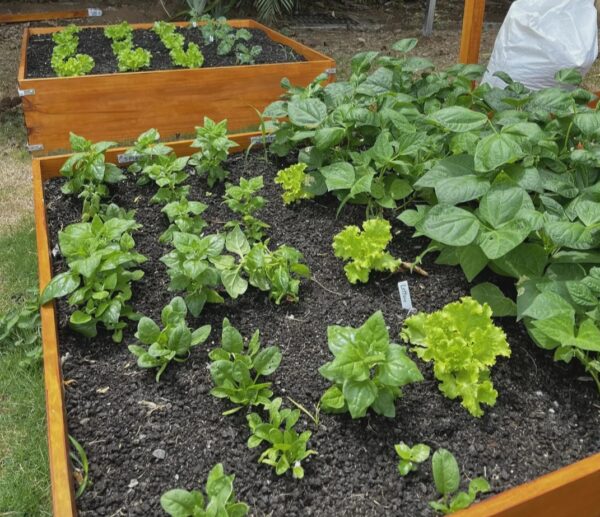
Kitchen vegetables are those vegetables and herbs that you use regularly while cooking daily meals. These include leafy greens, small fruits like tomatoes and chillies, and herbs like coriander and mint. They are perfect for home gardens because they grow well in pots, grow bags, or small garden beds, and most of them can be harvested again and again. When you grow these vegetables at home, you get better taste, better freshness, and you also reduce your grocery costs.
Kitchen vegetables are also ideal for beginners because they don’t require complicated farming methods. Many of them grow fast, and you can see results within a few weeks, which keeps you motivated. Another benefit is that you can control what goes into your soil, meaning you can avoid harmful chemicals and grow vegetables organically. Even a small space can produce a good amount if you follow the right routine and don’t make common mistakes.
What You Need Before You Start
Before you start growing vegetables, you should set up the basics so your plants don’t struggle. The most important requirement is sunlight, because most vegetables need at least 4 to 6 hours of direct sunlight daily. The second requirement is soil, which should be loose, airy, and rich in compost. You also need containers or grow bags with drainage holes so excess water can escape and roots don’t rot.
A few basic products are quite helpful, but you don’t need pricey tools to get started. All you need are nice seeds or saplings, compost, a small shovel, and a watering can. Select a growing location where you can easily check on the plants every day, like a backyard, terrace side, or balcony corner. When cultivating in pots, make sure the plants are positioned so they receive adequate sunlight and airflow without being overcrowded.
Best Places to Grow Kitchen Vegetables
If you live in an apartment, the balcony is one of the best places for a kitchen garden because it usually gets good sunlight and is easy to manage. Terraces are even better because you can place larger grow bags and grow more vegetables together. If you have a backyard, you can grow vegetables directly in the ground, which often gives bigger harvests. The main goal is to pick a place that gets sunlight and has good air circulation.
A window area can also work for herbs and leafy vegetables, especially if it gets bright light for many hours. However, vegetables like tomatoes, okra, brinjal, and chillies usually need stronger sunlight, so they do better on balconies and terraces. Always avoid places where rainwater collects, because standing water can quickly cause root rot and fungal diseases. Once your spot is fixed, your garden becomes easier to maintain daily.
20 Proven Dos and Don’ts for Growing Kitchen Vegetables
1) DO choose vegetables you actually cook daily
The smartest way to start is to grow vegetables that you use almost every day in your kitchen. When you grow what you cook regularly, your harvest will never go to waste and you stay motivated to care for your plants. Vegetables like coriander, mint, green chillies, tomatoes, and spinach are perfect examples. Don’t grow vegetables that look interesting but are rarely used, because they often end up neglected or unused.
2) DO start with easy vegetables first
If you are a beginner, it is better to start with vegetables that are easy and fast-growing. Leafy greens, coriander, mint, fenugreek, and chillies are much easier than vegetables that need complex care. When you get early success, you gain confidence and learn faster. Don’t start with difficult vegetables that need special temperature, deep soil, or long growing time, because beginners often lose interest when results are slow.
3) DO use good quality seeds
Good seeds make a huge difference in how your plants grow. Always buy seeds from a trusted source and check the packing date, because old seeds may not germinate properly. Healthy seeds give strong seedlings, better root growth, and higher yields. Don’t use seeds that are very old or stored badly, because poor germination wastes your time, soil, and effort. If possible, test a few seeds first before sowing a full pot.
4) DO use well-draining soil
Vegetables need soil that holds moisture but does not stay wet for too long. A loose soil mix helps roots breathe and prevents fungal problems. Compost-rich soil improves plant growth, while sand or cocopeat improves drainage. Don’t use heavy clay soil directly in pots, because it becomes hard and blocks airflow. When soil is too compact, water stays trapped and roots begin to rot, leading to weak plants and slow growth.
5) DO mix compost regularly
Compost is the main food source for kitchen vegetables, especially when growing in pots. Every 15 to 20 days, adding a small amount of compost helps the plant stay green, healthy, and productive. Compost improves soil structure and increases beneficial microbes. Don’t rely only on plain soil because after a few weeks, pot soil loses nutrients quickly. Regular compost feeding keeps your plants strong and improves taste in leafy vegetables.
6) DO give proper sunlight
Sunlight is one of the biggest factors in vegetable growth. Most vegetables need at least 4 to 6 hours of direct sunlight daily, while fruiting vegetables like tomatoes and chillies often need more. Proper sunlight helps plants grow faster, flower well, and produce more vegetables. Don’t keep sun-loving vegetables in shade, because the plants may look tall but weak, and they will produce fewer flowers and smaller harvests.
7) DO water early morning
Watering early morning is best because the soil stays moist during the day and plants handle heat better. Morning watering also reduces fungal diseases compared to evening watering. The water reaches roots properly and evaporates less. Don’t water in hot afternoon because the water evaporates quickly and can shock the plant roots. Also avoid watering late at night, because wet soil overnight increases the chances of fungus and root rot.
8) DO check soil moisture before watering
A common mistake is watering daily without checking the soil. Always touch the soil with your finger and water only when the top layer feels dry. This prevents overwatering and keeps roots healthy. Don’t water just because it is part of your routine, because too much water suffocates roots and causes yellow leaves. Plants grow best when soil is moist but not soggy, and this balance is the key to success.
9) DO use the right pot size
Pot size matters because roots need space to grow. Leafy vegetables can grow in smaller containers, but tomatoes, brinjal, and okra need larger grow bags or pots. Bigger containers hold more soil, which holds moisture better and provides more nutrients. Don’t use tiny pots for large vegetables, because plants become root-bound, growth slows down, and vegetables remain small. Choosing the right pot size is a simple but powerful step.
10) DO provide support to climbing vegetables
Some vegetables like beans, gourds, and certain varieties of tomatoes need support to grow properly. A small trellis, stick, or net helps the plant climb and keeps vegetables off the soil. This improves airflow and reduces pest attacks. Don’t let climbing vegetables spread on the ground because fruits can rot, pests increase, and harvesting becomes difficult. Supporting plants also helps them grow straighter and produce more consistently.
11) DO mulch the soil
Mulching means covering the soil surface with dry leaves, straw, or coco husk. This reduces water evaporation, keeps soil cooler, and prevents weeds. Mulch also improves soil health over time as it breaks down naturally. Don’t leave soil uncovered in summer because it dries out quickly and becomes hard. Mulching is especially useful for terrace and balcony gardens where pots heat up faster, causing plants to dry out sooner.
12) DO use organic pest control
Since these vegetables are for eating, it is always safer to use organic pest control methods. Neem oil spray, soap water spray, and manual removal of pests are effective for most home gardens. Organic methods protect your family and keep the soil healthy. Don’t use harsh chemical pesticides for edible crops, because chemicals can remain on leaves and fruits. Regular checking and early control is better than waiting for pests to spread fully.
13) DO rotate crops
Crop rotation means not growing the same vegetable in the same pot soil again and again. Different plants use different nutrients, and rotation reduces pest and disease buildup. For example, after growing spinach, you can grow coriander or fenugreek, and later grow chillies. Don’t keep growing the same vegetable repeatedly in the same soil, because soil becomes nutrient-poor and pests become more common. Rotation keeps your kitchen garden healthier long-term.
14) DO thin seedlings
When many seeds germinate together, seedlings become crowded and compete for sunlight, water, and nutrients. Thinning means removing weak seedlings so the strong ones can grow well. This improves airflow and prevents fungal problems. Don’t let seedlings overcrowd each other because they grow tall, weak, and produce less. It may feel difficult to remove extra seedlings, but it is necessary for healthy growth and better harvest later.
15) DO fertilize every 15–20 days
Vegetables in pots need regular feeding because nutrients wash out with watering. A simple routine of compost, vermicompost, or homemade liquid fertilizer keeps plants growing well. Feeding regularly improves leaf color, flowering, and vegetable production. Don’t over-fertilize because too much fertilizer can burn roots and cause weak growth. The best method is small feeding regularly instead of heavy feeding once in a long time.
16) DO harvest at the right time
Vegetables taste better and grow more when harvested at the ideal time. When harvesting leafy vegetables, take off the outer leaves; tomatoes and chillies should be plucked when they are fully grown. Harvesting the plant on a regular basis also encourages it to produce more. Harvesting vegetables should not be delayed since they may turn bitter, tough, or overripe. In addition to lowering the plant’s energy, overripe vegetables can also slow down the formation of new fruit.
17) DO prune leafy vegetables correctly
Leafy vegetables like spinach, fenugreek, and herbs grow better when harvested properly. Cutting the outer leaves allows the plant to keep producing new leaves from the center. This gives you multiple harvests from the same plant. Don’t cut the main stem incorrectly because it can stop growth completely. Gentle harvesting and pruning improves plant health and gives you fresh leaves regularly, making your kitchen garden much more productive.
18) DO protect plants from heavy rain
During heavy rain, pots can become waterlogged and soil can wash away. This causes root rot and fungal diseases. If you grow on a terrace or balcony, move pots under shade or cover them with a plastic sheet during strong rain. Don’t leave pots in areas where rainwater collects, because standing water is one of the fastest ways to kill vegetable plants. Proper protection keeps your plants safe in monsoon season.
19) DO keep pots clean
Clean pots reduce diseases and pest problems. If a plant gets infected, remove damaged leaves and avoid reusing the same soil without treatment. Washing pots occasionally and keeping the garden area clean improves overall plant health. Don’t reuse infected soil directly because pests and fungal spores can remain inside and attack new plants. If you want to reuse soil, mix compost and dry it in sunlight for a few days before planting again.
20) DO track growth and problems early
The best gardeners are not those who do complicated things, but those who observe regularly. Check your plants daily for yellow leaves, pests, slow growth, or dry soil. Early detection makes problems easier to fix. Don’t ignore warning signs because small issues quickly become big. A simple habit of daily checking for 2 minutes can save your entire kitchen garden and help you grow vegetables successfully throughout the year.
Best Vegetables to Grow for Daily Kitchen Use
If you want quick results and maximum usefulness, focus on vegetables and herbs that are used in daily Indian cooking. Coriander and mint are perfect for garnish and chutneys, while green chillies are used in almost every dish. Spinach and fenugreek grow fast and can be harvested multiple times. Tomatoes are extremely useful and taste much better when homegrown, while spring onions add flavor and are easy to grow in pots.
Other good vegetables include brinjal, okra, and curry leaves if you have enough sunlight. These vegetables require slightly more time but are still manageable for beginners if you follow the dos and don’ts. You don’t need to grow everything at once. Start with 3 to 5 vegetables, learn the routine, and then slowly expand. This approach gives you steady success and prevents you from feeling overwhelmed.
Common Problems and Quick Fixes
One common problem is yellow leaves, which usually happens due to overwatering, poor drainage, or lack of nutrients. The solution is to check soil moisture, improve drainage, and add compost. Another problem is flowers falling off in tomatoes and chillies, which can happen due to heat stress, irregular watering, or nutrient imbalance. Keeping watering consistent and giving proper sunlight usually solves it. Early care prevents these issues from affecting your harvest.
Pests like aphids, mealybugs, and caterpillars are also common in kitchen gardens. The best method is to inspect leaves regularly and spray neem oil or soap water if you notice pests. Slow growth often happens when the pot is too small, soil is poor, or sunlight is low. Shifting to a bigger pot and improving soil mix can fix this quickly. Most problems are easy to solve when you act early instead of waiting too long.
Best Soil Mix for Kitchen Vegetables (Simple Recipe)
A good soil mix is the foundation of a successful kitchen garden. For most vegetables, you can use a simple and effective recipe that works in pots and grow bags. Mix 40% normal garden soil, 30% compost or vermicompost, 20% cocopeat, and 10% sand or perlite. This mix holds enough moisture while still draining well, which prevents root rot and keeps roots healthy.
If you don’t have cocopeat, you can use dry leaf compost or rice husk as a replacement. Always ensure your pot has drainage holes, because even the best soil mix will fail if water cannot escape. Before planting, mix the soil well and remove stones or hard clumps. Good soil reduces most beginner problems automatically, and it also improves vegetable taste and plant strength over time.
Conclusion
Growing kitchen vegetables at home is not difficult when you follow the right steps and avoid common mistakes. The biggest secrets are good soil, proper sunlight, correct watering, and regular observation. Start small with a few vegetables you use daily, and once you get comfortable, you can expand your garden slowly. Following these 20 proven dos and don’ts will help you grow healthy plants, get regular harvests, and enjoy fresh vegetables directly from your own home.
A kitchen garden is not only about saving money, but also about eating healthier food and enjoying the satisfaction of growing something with your own hands. Even if you make mistakes at first, you will learn quickly with practice. Keep your routine simple, stay consistent, and don’t give up .
FAQS
1) What are the easiest Kitchen Vegetables to grow at home?
Fast-growing vegetables that don’t require deep soil or extra attention are the simplest to raise at home. Beginner-friendly vegetables include green onions, tomatoes, fenugreek, spinach, coriander, mint, and chillies. Pots, balcony planters, or even tiny grow bags can be used to cultivate them. Fresh harvests can be obtained rapidly with adequate soil, light watering, and regular sunlight.
2) How much sunlight do Kitchen Vegetables need daily?
Most Kitchen Vegetables need at least 4 to 6 hours of sunlight daily for healthy growth and better yield. Leafy vegetables can grow in partial sunlight, but fruiting vegetables like tomatoes and chilies need stronger sunlight. If your home gets limited sunlight, place the pots near the brightest window or balcony area. Sunlight helps plants grow faster and prevents weak stems.
3) Can I grow Kitchen Vegetables in small pots or containers?
Yes, you can easily grow Kitchen Vegetables in small pots, but you must choose the right plant for the container size. Leafy greens, herbs, and green onions can grow well in small pots. For bigger vegetables like tomatoes or brinjal, you need medium to large containers with good drainage. Always ensure the pot has holes and use loose, fertile soil for best results.
4) What type of soil is best for growing Kitchen Vegetables?
Loose soil that drains easily and is high in organic matter is ideal for growing kitchen vegetables. To keep it moist and airy, an ideal mixture contains cocopeat, compost, and garden soil. Excessive water retention in heavy soil can lead to root rot. Composting enhances the natural nutrition of plants and promotes healthier vegetable growth. Hard clay soil should never be used since it prevents healthy root growth.
5) How often should I water Kitchen Vegetables at home?
In the kitchen Watering vegetables should be done once a day in the summer and every two to three days in the winter, depending on the pot size and the weather. Maintaining a damp but not saturated soil is crucial. A typical error is overwatering, which can result in root rot or fungal disease. Before watering, always feel with your finger over the top layer of soil. Apply a little water if it seems dry.
6) What are common pests that attack Kitchen Vegetables?
Common pests that attack Kitchen Vegetables include aphids, mealybugs, whiteflies, spider mites, and caterpillars. These pests suck plant juices, damage leaves, and reduce growth. You can prevent them by keeping plants clean, removing damaged leaves, and checking regularly. Natural sprays like neem oil and mild soap water work well if used early. Healthy plants with good airflow are less likely to get pest problems.
7) Can I grow Kitchen Vegetables from kitchen scraps?
Yes, many Kitchen Vegetables can be grown from kitchen scraps, which is a great way to save money and reduce waste. You can regrow green onions, coriander stems, mint cuttings, and even some types of lettuce from leftover roots. Place them in water for a few days, then shift them into soil once roots grow. This method works best for leafy greens and herbs rather than large vegetables.
8) How long does it take to harvest Kitchen Vegetables?
The harvesting time for Kitchen Vegetables depends on the type you grow. Leafy greens like spinach and fenugreek can be harvested in 20 to 30 days. Herbs may take around 3 to 5 weeks. Fruiting vegetables like tomatoes, chilies, and brinjal may take 60 to 90 days. If you harvest regularly, many plants will continue producing for a longer period.
9) Which fertilizers are safe for Kitchen Vegetables grown at home?
The safest fertilizers for Kitchen Vegetables are organic options like compost, vermicompost, cow dung manure, and homemade liquid fertilizer. These improve soil quality and provide slow, steady nutrition without harmful chemicals. You can also use banana peel water for potassium and diluted buttermilk for soil health. Avoid overusing fertilizers because too much can burn roots and reduce plant growth. Organic feeding once every 15 days is usually enough.
10) How can I grow Kitchen Vegetables year-round in India?
To grow Kitchen Vegetables year-round in India, you should choose vegetables based on the season and temperature. In winter, grow spinach, peas, coriander, and fenugreek. In summer, grow chilies, tomatoes, okra, and cucumbers. During monsoon, protect plants from excess rain using shade nets or covered areas. Rotating crops, using compost regularly, and keeping good drainage helps you grow fresh vegetables throughout the year.