Feel free to share!
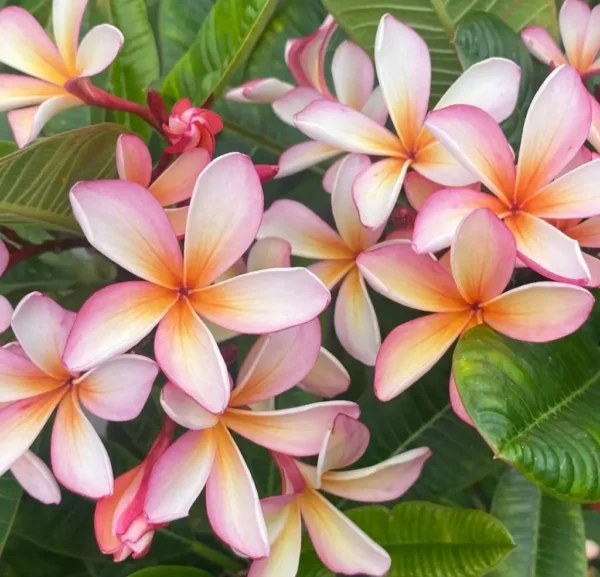
The Hawaiian plumeria lei is a breathtaking tropical plant loved for its rich fragrance, vibrant blooms, and deep cultural meaning. Often used in traditional Hawaiian leis, this stunning flower symbolises love, beauty, and new beginnings. With its glossy leaves and clusters of colourful blossoms ranging from white and yellow to pink and red, plumeria adds an exotic island charm to gardens, patios, and even balconies.
Table of Contents 👈 Tap Here
Although Hawaiian lei plumeria thrives naturally in warm tropical climates, it can be successfully grown in many regions with proper care. By understanding its sunlight needs, watering routine, soil requirements, and seasonal growth habits, even beginners can enjoy healthy plants and abundant blooms. In this guide, you’ll discover the 18 best tips on how to care for and grow your plumeria so it flourishes beautifully year after year.
Hawaiian Lei Plumeria
Understanding the Plumeria Plant
Plumeria plants come from the warm, humid areas of the Pacific Islands, the Caribbean, and Central America. They love the heat and moisture. To grow them well, you can use greenhouses or warm outdoor spots.
There are many plumeria varieties, each with its own look and growth pattern. For example, Plumeria obtusa is small and has sweet-smelling flowers. Plumeria rubra, on the other hand, has bright pink flowers.
Origins and Natural Habitat
Plumeria plants are used to the warm, moist places they come from. They need lots of sunlight and soil that drains well. In the wild, they can grow tall, but gardeners often prune them to keep them smaller.
Different Plumeria Varieties
Some well-known plumeria varieties are:
Plumeria obtusa: compact growth, fragrant flowers
Plumeria rubra: vibrant pink blooms, fast growth
Plumeria alba: white flowers, slow growth
Growth Characteristics
Plumeria plants grow quickly in warm weather. They grow slower in cooler weather. They need to be pruned to keep their shape.
Knowing your plumeria plant’s special traits helps you care for it better. This way, you can make a great plumeria habitat in your garden.
| Plumeria Variety | Growth Habit | Flower Color |
|---|---|---|
| Plumeria obtusa | Compact | White |
| Plumeria rubra | Fast | Pink |
| Plumeria alba | Slow | White |
Essential Growing Requirements
Plumeria plants need certain conditions to grow well. Plumeria growing requirements include enough sunlight, water, and nutrients. They like well-draining soil and need full sun to partial shade.Watering them frequently but sparingly is crucial.
To make your plumeria plant happy, follow these plumeria care tips:
Make sure they receive at least six hours of direct sunlight every day.
Water them often, but don’t overdo it
Use soil that drains well to avoid root rot
By following these plumeria care tips and knowing the plumeria growing requirements, you can make a great home for your plant.
Soil and Potting Requirements for Plumeria
Growing plumeria plants needs the right soil and potting conditions. They do well in well-draining soil rich in organic matter. A mix of peat moss, perlite, and vermiculite is perfect, offering good drainage and aeration.
Choosing the right plumeria potting mix and container is key. A pot with good drainage holes is crucial to avoid waterlogged soil. This prevents root rot and other issues. Plumeria containers should also provide enough aeration for healthy root growth.
Ideal Soil Composition
Peat moss for moisture retention
Perlite for drainage and aeration
Vermiculite for nutrient retention and root growth
Drainage Requirements
Good drainage is vital to avoid waterlogged soil. Among other issues, this may result in root rot.Make sure your plumeria containers have enough drainage holes.
Container Selection
Choose a pot that’s well-ventilated and has good drainage holes. The right plumeria potting mix and container promote healthy root growth. This ensures your plumeria plant thrives.
Watering Your Plumeria Plant
Proper plumeria watering is key for your plant’s health and growth. Too much water can cause root rot, while too little can stress the plant and make it sick. To know when to water, check the soil by inserting your finger up to the first knuckle. It’s time to water if it’s dry.
When you water, make sure not to get water on the leaves or crown. This may result in decay and other issues.Water at the soil level and ensure the pot drains well to avoid waterlogged soil. Knowing your plant’s plumeria water requirements is crucial.
Water your plumeria in the morning so it can absorb the water all day.
Check the soil moisture often, especially when it’s hot or dry.
Change your watering schedule with the seasons. During the winter, when the plant is dormant, water it less.
By following these tips and understanding the plumeria water requirements, your plant will thrive. You’ll enjoy its beautiful flowers and fragrance.
Light and Temperature Needs
Plumeria plants need specific conditions to grow well. They need the right amount of light, temperature, and climate. To help your plant bloom, give it enough sunlight and keep the temperature steady.
The best light for plumeria plants depends on the type. Most like full sun to partial shade. Direct sun is good, but don’t let it burn the leaves. The ideal temperature is between 65-90°F (18-32°C). Temperatures over 95°F (35°C) can harm the plant.
Sunlight Requirements
It’s important to find the right balance of sunlight for your plumeria. Here are some tips:
Put your plumeria in a spot that gets direct sunlight for 4-6 hours a day.
Use a sheer curtain or shade cloth to filter the sun and prevent burning.
Don’t put your plumeria in full shade, as it can make the plant weak and spindly.
Temperature Ranges
Keeping your plumeria at a steady temperature is key. Here’s how to keep it in the right range:
Keep your plumeria away from drafts and extreme temperature changes. Don’t place it near heating or cooling vents, fireplaces, or air conditioning units.
Climate Considerations
Light and temperature are just part of what your plumeria needs. You also need to think about the climate. This includes humidity, wind, and rain. A good climate helps your plant thrive and bloom beautifully.
Fertilizing and Nutrition Guide
Plumeria plants need a balanced diet to grow well. Proper plumeria fertilization is key for healthy growth and blooms. A fertilizer rich in phosphorus helps the plant produce more flowers and fruit.
Plumeria plants also benefit from plumeria nutrition supplements like iron and magnesium. These nutrients prevent deficiencies and boost health. Here are some tips for feeding your plumeria plant right:
Use a balanced fertilizer during the growing season (spring and summer)
Supplement with iron and magnesium to prevent deficiencies
Repot your plumeria plant every 2-3 years to refresh the soil and provide new nutrients
By following these tips and giving your plumeria the right plumeria fertilization and plumeria nutrition, it will thrive. You’ll enjoy its stunning flowers and fragrance.
Pruning and Maintenance
Proper plumeria pruning and maintenance are key for your Plumeria plant’s health and look. Pruning encourages new growth, blooming, and keeps the shape right. It’s important to prune at the right time and use the right tools.
Timing is crucial for plumeria pruning.During the dormant season of late winter or early spring, prune the plant. This helps the plant focus on growing and blooming. Remove dead or damaged branches and shape the plant to keep its plumeria shape.
Some important plumeria maintenance tips include:
Watering regularly, but not too much
Fertilizing during the growing season
Ensuring enough sunlight and the right temperature
By following these tips and pruning correctly, your Plumeria plant will stay healthy and beautiful. Always use clean, sharp tools and make cuts just above a node to encourage new growth.
With regular care and pruning, your Plumeria plant will bloom and fragrance for many years.
| Plumeria Maintenance Tips | Frequency |
|---|---|
| Watering | Regularly |
| Fertilizing | During growing season |
| Pruning | Dormant season |
Propagation Methods
Sharing plumeria plants with friends and family is easy. One popular way is through plumeria stem cutting. This method involves cutting a stem section and rooting it in soil. To boost success, knowing how to prepare the cutting and encourage root growth is key.
When propagating plumeria, consider the season, cutting size and health, and soil and water conditions. By following these tips and using the right techniques, you can successfully grow new plumeria plants. Enjoy their beautiful flowers and fragrance.
Stem Cutting Propagation
Stem cutting is a common method. Cut a 12-18 inch stem section and root it in soil. Choose a healthy plant and remove lower leaves to prevent rot and encourage root growth.
Root Development
For root growth, plant the cutting in well-draining soil and keep it moist. Ensure it gets the right light and temperature. With care, the cutting will develop roots and grow into a new plant in a few weeks.
Common Propagation Mistakes
Avoid common mistakes like overwatering, which causes rot, and underwatering, which dries out the cutting. Also, provide the correct light and temperature for successful rooting.
| Method | Description |
|---|---|
| Plumeria Stem Cutting | Cutting a section of the stem and rooting it in soil |
| Plumeria Root Development | Promoting root growth through proper care and conditions |
Common Pests and Diseases
Plumeria plants face plumeria pests and plumeria diseases like any other plant. Pests like mealybugs, spider mites, and scale can harm them. To fight these, it’s key to check your plants often and use natural pest control.
Plumeria diseases include root rot, leaf spot, and powdery mildew. These can come from too much water, bad air flow, or too much humidity. To avoid these, give your plants good soil, enough air, and the right amount of water.
To manage plumeria pests and plumeria diseases well, here are some tips:
Check your plants frequently for symptoms of illnesses or pests.
Use organic pest control methods whenever possible
Provide your plants with well-draining soil and adequate air circulation
Water your plants properly to prevent overwatering
By following these tips and keeping up with plumeria pest control, your Plumeria plants will stay healthy and strong.
Seasonal Care Tips
Plumeria plants need care all year to grow well. It’s important to give them the right conditions in each season.
For plumeria seasonal care, knowing what your plant needs each time of year is key. This includes plumeria summer care, where you give them enough water and nutrients for growth and blooms.
Summer Care
Water your plumeria plant often, but don’t overdo it
Feed it nutrients to help it grow and bloom
Trim your plant to keep its shape and encourage new growth
Winter Protection
To keep your plumeria safe from cold, you need to provide plumeria winter protection. You can move it inside or cover it with a frost blanket.
Spring Preparation
In spring, get your plumeria ready for the growing season. This means pruning, fertilizing, and repotting to give it a fresh start.
By following these plumeria seasonal care tips, your plant will thrive all year. And you’ll get to enjoy its stunning blooms.
| Season | Care Tips |
|---|---|
| Summer | Water regularly, fertilize, prune |
| Winter | Protect from frost, bring indoors or cover with frost blanket |
| Spring | Prune, fertilize, repot |
Troubleshooting Growth Issues
Plumeria plants can face plumeria growth issues even with good care. Problems like yellow leaves, droopy stems, and no blooms are common. The objective is to identify the reason and address it.
Causes include too much water, too little, and not enough nutrients. Here’s how to fix these plumeria plant problems:
Check soil moisture by sticking your finger in up to the first knuckle
Adjust your watering to avoid plumeria growth issues
Fertilize regularly to give your plant the nutrients it needs
By following these steps and watching for plumeria plant problems, your plant can thrive. Plumeria troubleshooting needs patience and attention. With time, you’ll get better at solving common issues.
To help with plumeria troubleshooting, keep a care and issue journal. This helps you spot patterns and make better decisions. By tackling plumeria growth issues early, you’ll enjoy your plant’s beauty and scent for many years.
| Common Plumeria Plant Problems | Causes | Solutions |
|---|---|---|
| Yellowing leaves | Overwatering, nutrient deficiencies | Adjust watering schedule, fertilize regularly |
| Droopy stems | Underwatering, lack of support | Water thoroughly, provide support with stakes or trellis |
| Lack of blooming | Inadequate light, poor nutrition | Provide sufficient light, fertilize regularly |
Nurturing a plumeria plant is very rewarding. By following the plumeria growing tips in this plumeria plant guide, you can help your plant thrive. It’s all about the right soil, water, sunlight, and pruning.
Being patient and caring is crucial. This way, you’ll enjoy the beautiful blooms and lush leaves of your plumeria plant. With what you’ve learned, you can make your outdoor space a vibrant oasis. It will be filled with the beauty of these tropical wonders.
FAQ
What are the origins and natural habitat of Plumeria plants?
Plumeria plants come from the warm, tropical areas of the Pacific Islands, the Caribbean, and Central America. They love warm weather and high humidity. This makes them perfect for greenhouses or outdoor spaces in warm places.
What are the different varieties of Plumeria plants?
There are many types of Plumeria plants, each with its own look and growth style. Knowing these differences helps you care for your plant the best way.
What are the ideal soil and potting requirements for Plumeria plants?
Plumeria plants like soil that drains well and is rich in organic matter. A mix of peat moss, perlite, and vermiculite is best. Also, choose a pot with good drainage to avoid waterlogged soil.
What are the light and temperature requirements for Plumeria plants?
Plumeria plants need the right light and temperature to grow well. They like full sun to partial shade, and temperatures between 65-90°F (18-32°C). Protect them from frost and freezing.
When and how should I prune my Plumeria plant?
Pruning is crucial for your Plumeria plant’s health and look. It promotes new growth, blooming, and keeps the plant’s shape. Prune at the right time with the right tools
How can I propagate my Plumeria plant?
Propagating Plumeria plants is rewarding. You can use stem cutting propagation. Understand how to prepare the cutting, promote root growth, and avoid mistakes
What are the common pests and diseases that can affect Plumeria plants?
Plumeria plants can get pests like mealybugs, spider mites, and scale. They can also get diseases like root rot, leaf spot, and powdery mildew. Stay alert and take action to prevent and control these issues.
How do I care for my Plumeria plant throughout the different seasons?
Plumeria plants need different care in different seasons. In summer, give them enough water and nutrients for growth and blooming. In winter, protect them from frost. In spring, prepare them for the growing season by pruning, fertilizing, and repotting.
How can I troubleshoot and resolve growth issues with my Plumeria plant?
Even with good care, Plumeria plants can face growth problems. Issues like yellow leaves, droopy stems, and no blooming can happen. Know the signs and take steps to fix these problems to help your plant thrive.

