
Feel free to share!
Orchids are among the most stunning and diverse flowering plants in the world, admired for their elegant shapes and captivating colors. However, these tropical beauties demand very specific growing conditions, and light plays the most crucial role of all. When natural sunlight fades during winter or rainy seasons, grow lights become the secret to year-round success.
Table of Contents 👈 Tap Here
With proper lighting, your orchids can flourish continuously — producing strong leaves, healthy roots, and abundant blooms no matter the season. This guide explores the 29 most important do’s and don’ts for growing orchids year-round using artificial lighting. Whether you grow Phalaenopsis on a windowsill or Cattleyas in a grow tent, these expert-tested tips will help you maintain perfect light balance every day of the year.
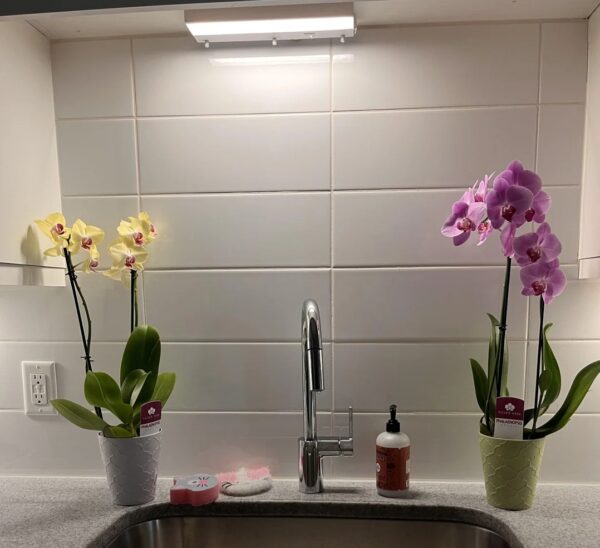
💡 Note: The top light in this picture is not enough for orchids to grow healthy and bloom again.
✅ Recommended: Use a full-spectrum LED grow light (white or daylight type) designed for orchids.
Choose lights that provide 10,000–15,000 lux and run them 10–12 hours daily.
⭐ Best options to recommend:
1. GE Grow Light LED (Balanced Spectrum) – easy to find, fits under cabinets.
2. Barrina T5 LED Grow Light (Full Spectrum) – slim and great for kitchen setups.
3. Sansi Full Spectrum Grow Light Bulb (15W–24W) – perfect for single plant spots.
4. Monios-L T5 Grow Light Strip – bright and energy efficient.
✅ Here’s what you can do next:
1. Download a light meter app (free options):
📱 Lux Light Meter Free (Android/iOS)
📱 Plant Light Meter by Studio Nano (iOS)
📱 Lux Meter (by Crunchy ByteBox) (Android)
2. How to use it:
Open the app and measure the light right where your orchid leaves are.
Phalaenopsis orchids (like yours) need around 10,000–15,000 lux (1,000–1,500 foot-candles) for optimal growth.
The reading under your kitchen light is probably below 500 lux, which is far too low.
3. Best solution:
Replace that light with a full-spectrum LED grow light (rated for indoor plants).
Mount it 8–12 inches above the orchids and keep it on for 10–12 hours daily.
💡 Why Orchids Need the Right Light All Year
Light drives photosynthesis, which fuels every aspect of orchid growth — from new root tips to colorful flower spikes. In their natural tropical environments, orchids receive bright but filtered sunlight for long hours daily. Indoors, however, this balance is hard to achieve. Using full-spectrum grow lights ensures your orchids receive consistent light intensity, color, and duration all year.
When daylight shortens in winter, orchids often stop blooming or grow weak stems. By using artificial lighting, you can simulate a natural day cycle and keep your orchids thriving even when outdoor light conditions are poor. With careful adjustment of light distance and timing, you can make your orchids believe it’s spring every single month.
🌼 The 29 Best Do’s and Don’ts to Grow Orchids Year-Round
✅ 15 Do’s for Healthy, Year-Round Orchid Growth
1. Do use full-spectrum LED grow lights. These lights provide balanced wavelengths of blue and red needed for strong leaf and flower development, closely mimicking natural sunlight.
2. Do maintain 12–14 hours of light daily. Orchids require long, steady exposure to grow and bloom continuously, especially during shorter winter days.
3. Do keep lights 10–12 inches above the leaves. This ensures proper light absorption without overheating or burning delicate orchid tissue.
4. Do use a timer to automate lighting. Consistent day and night cycles help orchids regulate photosynthesis efficiently and reduce stress.
5. Do rotate your orchids weekly. Light distribution matters; turning your orchids ensures even exposure on all sides and prevents uneven growth.
6. Do observe leaf color regularly. A healthy orchid leaf should be medium green; pale or dark shades often indicate light imbalance or stress.
7. Do adjust the light height as plants grow. Taller orchids or new spikes might need slightly higher lights to prevent burning and maintain proper coverage.
8. Do combine grow lights with natural light. A mix of both creates ideal brightness and helps maintain the orchid’s internal rhythm.
9. Do clean your light fixtures monthly. Dust and residue on bulbs or reflectors can block light intensity, reducing efficiency by up to 20%.
10. Do choose adjustable-spectrum lights. Being able to shift between cool and warm tones helps match seasonal changes and supports different growth stages.
11. Do monitor temperature carefully. Lights can raise room heat; orchids prefer stable conditions between 18°C and 28°C to avoid stress.
12. Do create airflow with a gentle fan. Air circulation prevents fungal problems and keeps orchids comfortable under continuous lighting.
13. Do pair lighting with proper humidity. Ideal humidity (50–70%) allows orchids to absorb moisture efficiently under bright conditions.
14. Do schedule a short rest period. Some orchids, such as Cattleyas, bloom better when given a few weeks of slightly reduced light after flowering.
15. Do record your results each season. Keeping notes helps fine-tune your setup and understand what works best for your unique growing space.
❌ 14 Don’ts That Can Harm Orchid Growth
1. Don’t leave lights on 24/7. Orchids need darkness for respiration; constant light prevents them from resting properly.
2. Don’t use heat or incandescent lamps. These lights generate too much heat and can scorch orchid leaves or dry out the growing medium.
3. Don’t place lights too close. Even LEDs can burn leaves if they are within a few inches; maintain at least a 10-inch gap.
4. Don’t change lighting abruptly. Sudden shifts in brightness or color spectrum can shock orchids and delay flowering.
5. Don’t rely only on window sunlight in winter. Natural light becomes too weak; supplement with LEDs for better results.
6. Don’t let leaves touch light surfaces. Direct contact with hot bulbs can cause permanent burns and spots.
7. Don’t ignore ventilation. Stagnant air leads to mold and leaf rot, especially in high-humidity environments.
8. Don’t expose orchids to double light sources. Combining intense sunlight with strong LEDs can overheat the plant quickly.
9. Don’t let dust accumulate on leaves. Clean gently with a soft cloth so light can penetrate effectively.
10. Don’t overlook leaf color warnings. Dark green means low light, while yellow or red patches indicate excess brightness.
11. Don’t skip surge protection. LED grow lights are electronic devices that need proper safety measures.
12. Don’t use narrow-spectrum bulbs. Blue-only or red-only lights limit natural growth and distort flowering cycles.
13. Don’t overwater during bright lighting. Orchids need a balance of moisture and airflow, not soggy roots.
14. Don’t forget to shorten light hours in summer. Natural days are longer, and too much artificial light can stress your orchids.
🌤️ Setting a Year-Round Orchid Lighting Schedule
Season Daily Light Duration Ideal Distance Notes
| Season | Daily Light Duration | Ideal Distance | Notes |
|---|---|---|---|
| Winter | 14 hours | 8–10 inches | Compensate for weak daylight |
| Spring | 12 hours | 10–12 inches | Encourage new root and leaf growth |
| Summer | 10 hours | 12–15 inches | Prevent overheating and leaf burn |
| Autumn | 12–13 hours | 10 inches | Prepare orchids for the next blooming cycle |
A good lighting schedule mimics nature as closely as possible. Automating your grow lights with a timer or smart plug ensures consistent sunrise and sunset transitions. Orchids respond best to predictable routines that allow energy storage at night and growth during the day.
💡 Pro Tip: Automate your grow lights with smart plugs or timers to simulate sunrise and sunset transitions — orchids respond beautifully to gradual changes.
🌺 Signs Your Orchid Lighting Is Just Right
When your orchids receive ideal lighting, you’ll notice medium-green leaves, firm roots, and steady flower spikes forming without much effort. The blooms last longer, and new shoots appear healthy and symmetrical. If leaves look pale, burnt, or dull, reassess your light setup — distance, duration, and spectrum make all the difference.
Proper light control often means fewer diseases, stronger photosynthesis, and even secondary blooming in some varieties. The key is consistency: small, steady adjustments work far better than sudden changes.
Expert Recommendations
For beginners, Spider Farmer SF-1000 LED Grow Light or GE 32W Full-Spectrum Panel offers reliable performance with adjustable brightness. Advanced growers with multiple orchids can invest in dimmable bar lights for greater coverage.
Always check the PAR rating (Photosynthetically Active Radiation) — aim for 150–250 µmol/m²/s for most orchids. This ensures your orchids get light strong enough to grow but gentle enough to avoid stress.
🌸 Final Thoughts
With the right grow light setup, you can transform your orchid-growing experience from seasonal to year-round success. Light is the lifeline of every orchid, and when you balance intensity, color, and duration, your plants reward you with endless blooms. Follow these 29 do’s and don’ts, and your orchids will flourish beautifully — every month, in every season.
Frequently Asked Questions About Grow Lights
1. What are Grow Lights and why are they important for plants?
Grow Lights are artificial light sources designed to mimic natural sunlight for plants grown indoors or in low-light environments. They provide the correct spectrum and intensity of light that supports photosynthesis, helping plants grow strong, healthy, and vibrant. Using Grow Lights allows gardeners to cultivate plants year-round, regardless of seasonal daylight limitations.
2. Which types of Grow Lights are best for indoor gardening?
The most popular Grow Lights for indoor gardening are LED, fluorescent, and HID (High-Intensity Discharge) types. LED Grow Lights are energy-efficient, long-lasting, and produce minimal heat, making them ideal for homes and greenhouses. Fluorescent options are affordable for beginners, while HID lights are preferred for professional growers who require maximum brightness and coverage.
3. How long should Grow Lights be kept on each day?
Most plants thrive when Grow Lights are used between 12 to 16 hours daily. This duration replicates the length of natural daylight in tropical or springtime environments. However, plants also need darkness for respiration, so leaving Grow Lights on continuously can cause stress and slow growth. Use timers to maintain a consistent day-night schedule for best results.
4. Can Grow Lights be used for orchids and tropical plants?
Yes, Grow Lights are excellent for orchids and other tropical houseplants. These plants typically need bright but filtered light similar to what they’d receive beneath a tree canopy. Full-spectrum LED Grow Lights provide this balance perfectly, promoting vibrant blooms and strong leaves. Position the light 10–12 inches above the plants for safe and effective growth.
5. Do Grow Lights help plants bloom faster?
Properly used Grow Lights can indeed encourage faster and more frequent blooming. By maintaining consistent light intensity and spectrum, plants can photosynthesize efficiently throughout the year. Blooming species like orchids, African violets, and anthuriums respond especially well to full-spectrum Grow Lights, producing brighter colors and longer-lasting flowers even during dark winter months.
6. What color spectrum is best in Grow Lights?
The ideal Grow Lights emit a full spectrum that includes both blue and red wavelengths. Blue light supports healthy leaf growth, while red light promotes flowering and fruiting. Full-spectrum Grow Lights combine these along with white light to mimic the sun, ensuring balanced growth from seedlings to mature, flowering plants without overstimulation or color distortion.
7. How far should Grow Lights be from plants?
The distance between Grow Lights and plants depends on the light type and intensity. For LEDs, 10–12 inches above the foliage is generally safe, while fluorescent lights can be placed closer at 6–8 inches. Too much proximity can cause leaf burns, while excessive distance reduces light effectiveness. Adjust Grow Lights height as your plants grow taller.
8. Can Grow Lights replace sunlight completely?
While Grow Lights can’t replicate every natural benefit of sunlight, high-quality full-spectrum LEDs come remarkably close. They provide consistent brightness and balanced color wavelengths needed for healthy growth, even in windowless spaces. For many indoor gardeners, Grow Lights are a practical and effective replacement for sunlight during winter or in low-light apartments.
9. Are Grow Lights safe to use around people and pets?
Yes, Grow Lights are safe for homes when used properly. Modern LED Grow Lights produce minimal heat, use non-toxic materials, and emit no harmful UV rays. Always ensure they’re securely mounted and not left on 24/7. For extra safety, avoid direct eye exposure and choose models certified for indoor residential use.
10. How can I choose the best Grow Lights for my plants?
When selecting Grow Lights, consider light intensity, color spectrum, power efficiency, and the size of your growing area. Full-spectrum LED Grow Lights are ideal for most plants because they’re energy-efficient, durable, and customizable. Always read manufacturer specifications and match your light type to the plant’s natural environment for consistent, healthy year-round growth.
11. Do Grow Lights increase electricity bills?
Modern LED Grow Lights are highly energy-efficient, consuming far less electricity than traditional bulbs. While running Grow Lights for 12–14 hours daily may slightly raise your bill, the increase is minimal compared to the benefits. Choosing LED fixtures with timers and dimmable settings ensures optimal light usage without wasting energy or overheating your space.
12. How do I know if my plants are getting enough light from Grow Lights?
Plants under ideal Grow Lights show healthy, medium-green leaves and consistent new growth. If leaves appear pale, weak, or overly dark, adjust the light distance or duration. Lack of flowering often indicates insufficient intensity. Observing your plants regularly helps fine-tune Grow Lights settings and maintain a thriving indoor garden environment.
13. Can I use regular LED bulbs instead of Grow Lights?
Regular LED bulbs emit light but lack the balanced spectrum required for plant growth. Grow Lights are designed to produce the exact wavelengths plants need for photosynthesis. While standard bulbs may keep foliage alive, only true Grow Lights support full development — including strong roots, vibrant colors, and consistent flowering cycles.
14. Are Grow Lights effective during winter months?
Absolutely, Grow Lights are especially beneficial in winter when natural sunlight is limited. They ensure plants continue photosynthesizing even in dark, cold weather. Consistent exposure from Grow Lights keeps orchids, herbs, and succulents thriving when days are short, preventing dormancy and maintaining active growth all year long indoors.
15. How long do Grow Lights last before needing replacement?
Most LED Grow Lights last between 30,000 to 50,000 hours, equivalent to several years of continuous use. Their long lifespan and low heat output make them more cost-effective than fluorescent or HID lights. Regularly cleaning lenses and reflectors helps maintain brightness, ensuring your Grow Lights remain effective and reliable for years.