
Feel free to share!
Table of Contents 👈 Tap Here
If your lawn looks patchy, brown, or just plain ugly, don’t worry—you’re not alone. Many beginners struggle with mistakes like overwatering, mowing too short, or neglecting soil health. The good news is transforming your lawn doesn’t have to be complicated. Follow these 20 easy steps for fast results, and you’ll enjoy a lush, green yard without hiring a professional.
Fix Ugly Lawn
Step 1: Inspect Your Lawn
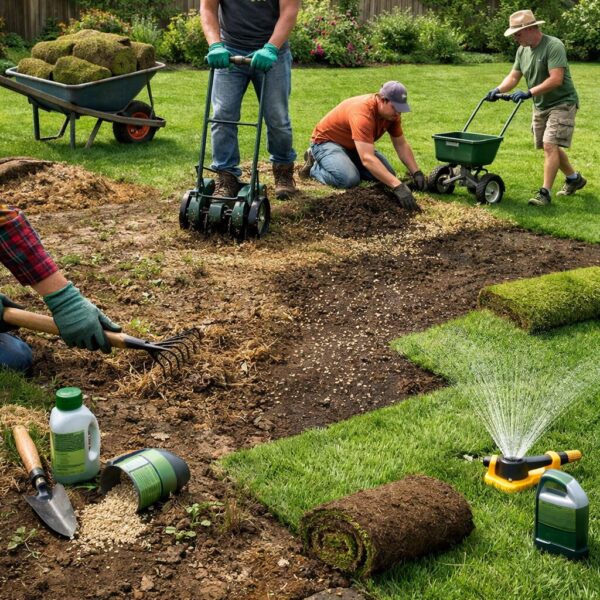
Take a close look at your lawn to identify problem areas, including bare patches, weeds, uneven spots, or signs of pests. Understanding your lawn’s current condition helps prioritise the most important tasks first. By assessing your yard carefully, you’ll know exactly what needs fixing and can plan the fastest route to a beautiful, healthy lawn.
Step 2: Test Your Soil
Healthy grass starts with healthy soil, so test for pH, nutrients, and drainage. Most lawns thrive in slightly acidic to neutral soil (pH 6–7). Soil testing ensures you apply the right fertilisers and amendments, preventing wasted effort and helping your lawn recover faster. Strong roots and proper nutrients lead to greener, thicker grass in a shorter time.
Step 3: Clear the Area
Remove debris, rocks, sticks, and dead grass from your lawn before starting any other work. A clear surface allows sunlight and water to reach the soil properly, which encourages healthy grass growth. This simple step immediately improves your yard’s appearance and ensures that all subsequent steps, like seeding or fertilising, are much more effective in producing a lush, green lawn.
Prepare Your Lawn (Steps 4–7)
Step 4: Mow Properly
Mowing your lawn the right way is essential for healthy growth. Avoid cutting too short, which weakens the grass and exposes it to weeds. Set the mower to the recommended height for your grass type, and mow consistently. Proper mowing encourages thick, strong growth, reduces weeds, and improves the overall look of your lawn, giving it a fuller and healthier appearance.
Step 5: Aerate the Soil
Aeration is the process of creating small holes in your soil to allow oxygen, water, and nutrients to reach the roots more effectively. Compacted soil prevents grass from growing thickly. Aerating your lawn helps roots expand, improves nutrient absorption, and strengthens grass, resulting in a greener, healthier lawn that grows faster and can handle stress like drought or heavy foot traffic.
Step 6: Dethatch if Needed
Thatch is a layer of dead grass and roots that can prevent nutrients from reaching your soil. If your lawn has more than half an inch of thatch, use a dethatching rake or machine to remove it. Dethatching improves air circulation, allows water and nutrients to penetrate more easily, and helps grass grow stronger, thicker, and more resistant to weeds and diseases over time.
Step 7: Level Uneven Areas
Uneven spots in your lawn can cause water pooling, poor grass growth, and a messy appearance. Fill low areas and smooth bumps with topsoil to create a level surface. Levelling improves water distribution, encourages uniform growth, and makes your lawn easier to maintain. A smooth, even lawn not only looks great but also provides the perfect foundation for seeding or fertilising.
Feed & Water (Steps 8–12)
Step 8: Choose the Right Fertiliser
Different grass types require different nutrients, so choose a fertiliser that matches your lawn. Cool-season grasses and warm-season grasses have different needs. Using the correct fertiliser ensures your lawn receives essential nutrients, encourages faster growth, improves colour, and strengthens resistance to pests and weeds. Proper feeding is key for long-term lawn health and a consistently lush appearance.
Step 9: Apply Fertiliser Correctly
Even the best fertiliser won’t help if applied incorrectly. Spread it evenly according to the instructions, and avoid over- or under-applying. Over-fertilising can burn your grass, while under-fertilising slows growth. Correct application ensures nutrients penetrate the soil properly, promoting thicker, greener grass and giving your lawn a healthier appearance faster than guessing or skipping this essential step.
Step 10: Water Smartly
Watering deeply and sparingly is preferable to watering shallowly and frequently. In order to minimise evaporation and avoid disease, water your grass early in the morning. Proper watering strengthens the grass, promotes deep root development, and prolongs its greenness. Avoiding regular shallow watering weakens roots, encourages weed growth, and slows down the growth of the lawn overall. This small change is crucial for quick effects.
Step 11: Use Mulch or Compost
Adding a layer of mulch or compost enriches your soil naturally and retains moisture, improving grass health. Compost feeds beneficial soil microbes and enhances soil structure. Mulching reduces water loss, prevents weed growth, and boosts nutrient availability. By adding organic matter, your lawn grows thicker, greener, and more resilient, allowing you to see real improvements in both health and appearance quickly.
Step 12: Prevent Overwatering
Too much water can cause yellowing, shallow roots, and fungal growth. Monitor rainfall and adjust watering accordingly. Maintaining the right balance strengthens grass, prevents disease, and encourages deep root systems. Overwatering is one of the most common beginner mistakes, so controlling water ensures your lawn remains healthy and vibrant without wasted effort or damage to your hard work.
Fix Common Problems (Steps 13–16)
Step 13: Control Weeds Naturally
Grass and weeds compete for sunlight, water, and nutrients. They can be pulled by hand or treated with environmentally safe herbicides in spots. The general health of your lawn is enhanced by weed control, which also guarantees that the grass grows stronger and thicker and avoids ugly areas. For a lovely, consistent, and healthy lawn that is simple for novices to maintain, regular weed control is crucial.
Step 14: Treat Pests & Diseases
Insects, grubs, and fungal diseases can quickly damage a lawn if left untreated. Identify the problem and use targeted treatments to prevent spread. Prompt action protects grass health, strengthens roots, and ensures your lawn remains vibrant. Treating pests and diseases early helps beginners achieve a lawn that looks cared for and keeps improving week after week.
Step 15: Repair Bare Spots
For thin or bare patches, reseed or patch with sod matching the surrounding grass type. Proper repair ensures your lawn looks full and consistent, eliminating unattractive gaps. Water and fertilise the patched areas carefully. Over time, the repaired spots blend seamlessly, creating an even, lush lawn. This step is essential for beginners who want quick visual results.
Step 16: Edge the Lawn
Keeping the margins of flower beds, driveways, and walkways clean immediately enhances the look of the grass. In addition to keeping grass from spreading into undesirable spots, edging provides your yard with a polished, expert appearance. Maintaining regular edging makes your lawn stand out and is simple, improving kerb appeal and the overall perception of a lovely, well-kept outdoor area.
Maintain Your Lawn (Steps 17–20)
Step 17: Mow Regularly
Consistent mowing is crucial for strong, healthy grass. Avoid cutting more than one-third of the blade at a time. Regular mowing encourages thick growth, keeps weeds under control, and maintains a neat, tidy lawn. By following a consistent mowing schedule, beginners can keep their lawns looking lush and vibrant throughout the season without extra effort.
Step 18: Fertilise Seasonally
Seasonal fertilisation keeps your lawn nourished year-round. Apply fertilisers in spring and fall for most grass types to encourage strong root development and healthy growth. Seasonal care prevents nutrient deficiencies, supports colour and thickness, and ensures the lawn is resilient against weather stress. Proper timing makes a huge difference for beginners seeking consistent, visible improvements.
Step 19: Water Consistently
Stick to a regular watering schedule based on soil type, grass species, and weather conditions. Consistent watering promotes deep roots, reduces stress on the grass, and keeps your lawn green and vibrant. By maintaining proper hydration without overdoing it, you ensure a healthier lawn that recovers quickly and remains strong throughout dry periods.
Step 20: Monitor & Adjust
Keep observing your lawn for colour changes, growth patterns, and soil conditions. Adjust your care routine as needed, including watering, fertilising, or mowing. Monitoring helps catch small issues early, preventing major problems. For beginners, this step ensures your lawn remains consistently healthy, lush, and visually appealing, giving you long-term satisfaction from your hard work.
Conclusion
Fixing an ugly lawn may seem overwhelming, but following these 20 easy steps makes it achievable for beginners. By assessing, preparing, feeding, addressing problems, and maintaining your lawn consistently, you’ll enjoy a lush, green yard in weeks. Start today, follow this guide, and watch your lawn transform into a healthy, beautiful outdoor space you’ll be proud of.
FAQS
1. How can I quickly fix an ugly lawn?
To fix ugly lawn quickly, start by identifying problem areas such as brown patches, weeds, or compacted soil. Aerate the soil to improve airflow and water absorption, remove weeds manually, and reseed bare spots with grass suitable for your climate. Regular watering and fertilization will help the lawn recover faster and restore its lush green appearance.
2. What is the first step to fix an ugly lawn?
The first step to fix ugly lawn is assessing its current condition. Check for soil compaction, poor drainage, or uneven growth. Understanding the underlying issues will guide your next steps, whether it’s aeration, fertilization, reseeding, or weed removal. Proper preparation ensures that any treatments applied will be effective and result in a healthier, more uniform lawn.
3. Can I fix an ugly lawn without professional help?
Yes, you can fix ugly lawn without professional help by using simple tools and following a step-by-step approach. Start with mowing, weeding, aerating, and watering properly. Apply a suitable fertilizer and overseed if necessary. Consistent care over a few weeks or months can revive the lawn, making it lush and healthy without hiring a landscaper or spending a fortune.
4. How long does it take to fix an ugly lawn?
The time to fix ugly lawn depends on its condition. Minor issues like weeds or uneven growth can improve in a few weeks with proper care. More serious problems such as bare patches, poor soil, or pest damage may take a few months of consistent watering, fertilization, and overseeding. Patience and regular maintenance are key to achieving a healthy, green lawn.
5. What tools do I need to fix an ugly lawn?
To fix ugly lawn, you’ll need basic tools such as a lawnmower, rake, garden hose or sprinkler, aerator, and a spreader for seeds or fertilizer. Additionally, gloves, a hoe, and a weeding tool will help manage weeds. Using these tools correctly ensures that your lawn receives proper care, including aeration, mowing, and nutrient distribution, which are all essential for a healthy lawn.
6. How do I remove weeds to fix an ugly lawn?
Weeds are a common cause of an unattractive lawn. To fix ugly lawn, remove weeds manually or use a safe herbicide. Be careful not to damage surrounding grass. Regular mowing, watering, and fertilization help prevent weed growth. Maintaining the lawn properly creates a dense, healthy grass cover, which naturally suppresses weeds and improves the overall appearance of your outdoor space.
7. Should I aerate my lawn to fix an ugly lawn?
Especially if the soil is compacted or the water drains properly, aeration is a very good way to improve an unsightly lawn. By making tiny holes in the soil, aeration increases the amount of oxygen, nutrients, and water that reaches the roots. Additionally, it promotes the growth of thicker grass. Aerating the lawn on a regular basis in the spring or fall can greatly enhance its health, making it more robust, greener, and less vulnerable to bare spots or weeds.
8. What type of grass should I use to fix an ugly lawn?
Choosing the right grass is crucial to fix ugly lawn. Select a grass type that suits your climate, sunlight exposure, and soil type. For example, Bermuda grass works well in warm regions, while fescue or bluegrass suits cooler areas. Using appropriate grass seed ensures uniform growth, fewer maintenance problems, and a more vibrant lawn. Always check local recommendations for the best grass varieties.
9. How often should I water my lawn to fix an ugly lawn?
The key to fixing an unsightly lawn is proper irrigation. Water sparingly and deeply, perhaps once or twice a week, depending on your climate. Weak roots are encouraged by frequent, shallow watering. The best time to water is in the morning to minimise evaporation and fungal growth. In order to help your lawn recover more quickly and keep its green appearance, adequate hydration encourages healthy root development, luxuriant grass, and enhanced stress tolerance.
10. Can fertilizer help fix an ugly lawn?
Fertilizer is key to fix ugly lawn because it provides essential nutrients like nitrogen, phosphorus, and potassium. Apply a slow-release fertilizer appropriate for your grass type during the growing season. Avoid over-fertilization, which can burn the grass. Combining fertilization with proper watering, aeration, and mowing will restore color, density, and overall health to your lawn over time.
11. How do I repair bare patches to fix an ugly lawn?
To fix ugly lawn with bare patches, start by loosening the soil, removing debris, and adding compost or topsoil. Then, overseed with grass suitable for your region and water regularly to encourage germination. Protect new seedlings from heavy foot traffic. Over time, these areas will grow thicker and blend with the existing lawn, restoring a uniform, healthy appearance.
12. Is mowing important to fix an ugly lawn?
Yes, mowing is crucial to fix ugly lawn because it promotes healthy growth and prevents weeds. Keep the mower blade sharp and cut no more than one-third of the grass height at a time. Regular mowing encourages dense turf, improves appearance, and strengthens roots. Adjust the height according to grass type and season for optimal results and a consistently green lawn.
13. Can sunlight improve my efforts to fix an ugly lawn?
Sunlight is essential to fix ugly lawn, as grass needs light for photosynthesis. Ensure your lawn receives adequate sunlight by trimming overhanging branches or removing objects that cast long shadows. Some grass types tolerate shade better than others, so consider shade-tolerant varieties for darker areas. Adequate sunlight promotes strong root growth, greener grass, and faster recovery of damaged or thin patches.
14. How do I prevent pests to fix an ugly lawn?
Pests can damage grass, making it harder to fix ugly lawn. Regular inspection helps identify problems early. Use natural predators, insecticidal soaps, or lawn-safe pesticides to control infestations. Maintaining a healthy lawn with proper watering, fertilization, and mowing strengthens grass, making it less attractive to pests. Healthy soil and thick turf are your best defense against future pest problems.
15. How can soil quality affect my plan to fix an ugly lawn?
Soil quality directly impacts your ability to fix ugly lawn. Poor, compacted, or nutrient-deficient soil leads to weak grass, bare patches, and weeds. Testing soil pH and nutrient levels allows you to add lime, compost, or fertilizers as needed. Healthy soil improves water retention, root development, and nutrient absorption, helping your lawn grow lush, green, and strong over time.
16. Can topdressing help fix an ugly lawn?
Topdressing can effectively fix ugly lawn by adding a thin layer of compost or soil over existing grass. This improves soil structure, levels uneven areas, and promotes healthy root growth. Topdressing also aids in seed germination for bare spots and reduces compaction. Combined with aeration, proper watering, and fertilization, this technique helps rejuvenate the lawn and maintain a uniform, healthy appearance.
17. Are organic methods effective to fix an ugly lawn?
Yes, organic methods can effectively fix ugly lawn by using natural fertilizers, compost, and weed control techniques. Organic care improves soil health, encourages strong roots, and reduces chemical exposure. Mulching, aeration, and proper watering all support sustainable growth. Over time, a lawn nurtured with organic methods will become dense, green, and resilient, providing a natural and environmentally friendly solution for improving its appearance.
18. Can seasonal care help fix an ugly lawn?
Seasonal care is important to fix ugly lawn because grass growth varies throughout the year. In spring and fall, focus on aeration, fertilization, and overseeding. Summer requires consistent watering and mowing, while winter may need leaf removal and minimal traffic. Adjusting lawn care to each season helps maintain optimal growth, prevent damage, and ensures your lawn recovers quickly from stress or seasonal wear.
19. How does mowing height impact my attempt to fix an ugly lawn?
Mowing height is crucial when trying to fix ugly lawn because cutting too short stresses the grass and exposes soil, inviting weeds. Maintain the recommended height for your grass type to encourage strong roots, thicker growth, and better drought tolerance. Gradual mowing and proper blade maintenance help the lawn recover faster, stay lush, and maintain its aesthetic appeal without creating additional problems.
20. Can I fix an ugly lawn naturally without chemicals?
Absolutely, you can fix ugly lawn naturally without chemicals by relying on compost, organic fertilizers, proper watering, aeration, and overseeding. Regular mowing, sunlight management, and natural pest control methods improve lawn health sustainably. Over time, these natural techniques strengthen the soil, promote dense grass gro
wth, and minimize weeds, helping you achieve a beautiful, green lawn without relying on harsh chemicals or synthetic treatments.