
Feel free to share!
David Austin roses are admired worldwide for their romantic blooms, rich fragrance, and timeless garden elegance.
Table of Contents 👈 Tap Here
David Austin Roses require specific care practices, and even small mistakes in planting, watering, or pruning can limit their full ornamental potential. Understanding these common errors helps gardeners create healthier plants that blend beautifully into structured landscapes and modern garden designs.
Many rose problems are not caused by poor-quality plants but by avoidable care habits. This guide highlights the most frequent mistakes gardeners make and explains simple, practical fixes that restore plant health and enhance visual appeal. With the right approach, these iconic roses can thrive, bloom abundantly, and remain a stunning focal point in any garden space.
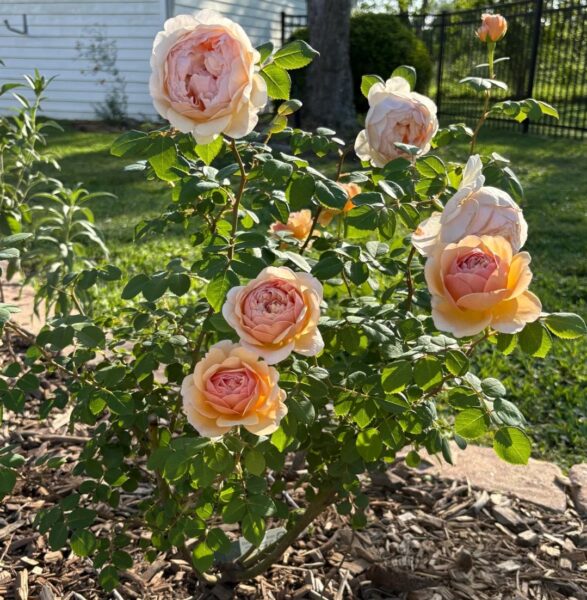
Wrong Planting Location
David Austin roses are bred for beauty and structure, but they struggle when planted in shaded or cramped areas. Limited sunlight reduces flower production, while poor airflow encourages fungal problems that affect leaves and stems. Choosing the right location improves not only plant health but also the visual balance of your garden design, allowing these roses to act as elegant focal points rather than weak background plants.
Problem: Roses planted in shade produce fewer blooms.
Solution: Plant in full sun with good air circulation.
Poor Soil Preparation
Healthy soil is the foundation of thriving David Austin roses, yet many gardeners overlook this step. Heavy clay or sandy soil limits nutrient uptake and root expansion, leading to weak growth. Well-prepared soil enhances moisture retention while draining excess water, creating an ideal balance. Rich soil also improves bloom colour and fragrance, making roses look fuller and more refined in ornamental landscapes.
Problem: Poor soil restricts root growth.
Solution: Improve soil with compost and organic matter.
Overwatering the Plant
While roses love moisture, constant overwatering suffocates roots and encourages rot. Waterlogged soil prevents oxygen from reaching the root zone, weakening the plant over time. Excess moisture also increases the risk of fungal diseases that damage foliage. A balanced watering routine keeps the plant hydrated without compromising root health or overall garden aesthetics.
Problem: Too much water causes root damage.
Solution: Water deeply but only when the soil surface dries.
Underwatering During Hot Weather
In warm climates, David Austin roses lose moisture quickly through leaves and blooms. Inconsistent watering during hot periods causes stress, drooping flowers, and reduced blooming cycles. Adequate hydration supports lush foliage and continuous flowering, maintaining the rose’s visual appeal throughout the season. Proper watering habits protect both plant health and decorative value.
Problem: Heat stress weakens roses.
Solution: Increase deep watering during hot weather.
Incorrect Planting Depth
Planting roses too deep can suffocate the crown, while planting too shallow exposes roots to temperature extremes. Both mistakes slow growth and reduce flowering potential. Correct planting depth allows roots to establish firmly while protecting the graft union, resulting in stronger plants that integrate beautifully into structured garden beds.
Problem: Incorrect depth limits growth.
Solution: Plant with the graft union just above soil level.
Skipping Regular Pruning
Pruning shapes the plant and encourages fresh growth, yet many gardeners avoid it out of fear. Without pruning, roses become woody, leggy, and less productive. Proper pruning enhances airflow, promotes larger blooms, and keeps plants visually balanced, which is essential for clean, modern garden designs.
Problem: Unpruned roses bloom poorly.
Solution: Prune annually to encourage new shoots.
Pruning at the Wrong Time
Timing matters when pruning David Austin roses. Pruning too early exposes new growth to frost, while late pruning delays flowering. Seasonal pruning aligns growth cycles with climate conditions, ensuring healthy shoots and abundant blooms that elevate the garden’s aesthetic appeal.
Problem: Incorrect timing damages growth.
Solution: Prune in late winter or early spring.
Using the Wrong Fertiliser
Not all fertilisers suit roses. High-nitrogen formulas may promote leafy growth but reduce flowering. Balanced nutrition supports roots, foliage, and blooms equally. Using the right fertiliser enhances flower size, colour depth, and fragrance, making roses more visually striking in decorative landscapes.
Problem: Improper feeding reduces blooms.
Solution: Use a balanced rose-specific fertiliser.
Overfertilising the Roses
Too much fertiliser burns roots and causes excessive leaf growth at the expense of flowers. Overfed plants become vulnerable to pests and diseases, diminishing their ornamental value. Moderation ensures steady growth and long-lasting blooms that maintain elegance in garden layouts.
Problem: Excess fertiliser damages plants.
Solution: Feed only as recommended and avoid excess.
Ignoring Pest Problems
Aphids, spider mites, and thrips can quickly damage rose foliage and buds. Ignoring early signs allows infestations to spread, affecting plant appearance and health. Early pest control preserves leaf texture and bloom quality, keeping roses visually flawless.
Problem: Pests weaken roses quickly.
Solution: Inspect regularly and treat early.
Delaying Disease Control
Fungal diseases like black spot and powdery mildew spread fast in roses. Delayed treatment causes leaf drop and poor flowering. Early prevention maintains lush foliage and keeps roses looking polished and well-maintained in decorative gardens.
Problem: Diseases spread rapidly if ignored.
Solution: Apply preventive fungicides and remove infected leaves.
Poor Air Circulation
Crowded planting restricts airflow, creating damp conditions ideal for disease. Proper spacing improves plant health and enhances visual symmetry in garden beds. Well-spaced roses appear fuller, healthier, and more intentional in landscape design.
Problem: Stagnant air causes disease.
Solution: Space plants correctly and prune for airflow.
Incorrect Mulching
Mulch protects roots and improves moisture retention, but improper application can trap excess moisture against stems. Correct mulching supports root health while enhancing soil appearance, contributing to a clean and polished garden finish.
Problem: Improper mulch causes rot.
Solution: Apply mulch lightly, away from stems.
Skipping Deadheading
Spent blooms drain energy from the plant when left untouched. Deadheading encourages repeat flowering and maintains a tidy, decorative look. Regular removal of faded flowers keeps rose beds vibrant and visually appealing throughout the season.
Problem: Old blooms reduce flowering.
Solution: Remove spent flowers regularly.
Heat Stress Exposure
Extreme heat causes wilting and faded blooms, reducing ornamental quality. Protecting roses during heatwaves preserves flower colour and leaf texture, ensuring they remain a standout feature in summer gardens.
Problem: High temperatures stress roses.
Solution: Provide shade and consistent watering.
Lack of Winter Protection
Cold temperatures can damage roots and canes if roses are left unprotected. Proper winter care ensures strong spring regrowth and continuous garden beauty year after year.
Problem: Frost damages plants.
Solution: Mulch heavily and protect crowns in winter.
Poor Container Drainage
Container-grown roses require excellent drainage to avoid root rot. Without proper drainage holes, water accumulates and damages roots. Well-designed containers enhance both plant health and modern garden aesthetics.
Problem: Waterlogged pots harm roots.
Solution: Use containers with adequate drainage holes.
Dirty Gardening Tools
Unclean tools spread diseases between plants, causing unnecessary infections. Clean tools support healthier roses and preserve the visual harmony of the garden.
Problem: Tools transmit disease.
Solution: Disinfect tools after each use.
Unrealistic Growth Expectations
David Austin roses take time to establish and mature. Expecting instant results leads to overfeeding or excessive pruning. Patience allows plants to develop naturally into strong, elegant garden features.
Problem: Impatience leads to poor care.
Solution: Allow time for natural growth cycles.
Conclusion
Growing David Austin roses successfully is less about perfection and more about understanding their needs. Most problems come from small, avoidable mistakes that can be corrected with the right knowledge and consistent care. By applying these easy fixes, gardeners can improve plant health, encourage repeat flowering, and maintain a refined garden aesthetic. With patience and proper maintenance, these roses will reward you with lasting beauty, fragrance, and timeless charm.
FAQS
1. What makes David Austin Roses different from other rose varieties?
David Austin Roses are known for combining the classic charm of old-fashioned roses with the strength and repeat-flowering ability of modern hybrids. These roses are specially bred to offer strong fragrance, full blooms, and elegant shapes. Gardeners love them because they provide long flowering seasons, rich colors, and a romantic look that suits both traditional and modern garden designs.
2. Are David Austin Roses suitable for beginners?
David Austin Roses are a good choice for beginners because they are bred to be healthier and more resilient than many traditional roses. With basic care like proper sunlight, watering, and pruning, these roses perform well. They reward even new gardeners with abundant blooms and fragrance, making rose gardening less intimidating and more enjoyable from the start.
3. How much sunlight do David Austin Roses need?
David Austin Roses thrive best when planted in a location that receives at least six hours of direct sunlight daily. Adequate sunlight helps promote strong growth, vibrant blooms, and better disease resistance. While they can tolerate partial shade, more sun usually results in healthier plants and more frequent flowering throughout the growing season.
4. What type of soil is best for David Austin Roses?
David Austin Roses prefer rich, well-draining soil that holds moisture without becoming waterlogged. Adding compost or organic matter improves soil structure and nutrient content. Slightly acidic to neutral soil supports strong root development and healthy blooms. Good soil preparation before planting ensures long-term success and reduces stress on the plant.
5. How often should David Austin Roses be watered?
David Austin Roses require regular watering, especially during dry or hot weather. Deep watering once or twice a week is better than frequent shallow watering. This encourages deep root growth and stronger plants. Consistent moisture helps maintain lush foliage and continuous blooming while reducing the risk of stress-related diseases.
6. Do David Austin Roses have a strong fragrance?
David Austin Roses are famous for their rich and diverse fragrances, ranging from classic old-rose scents to fruity, citrus, or myrrh notes. Fragrance strength can vary by variety and growing conditions, but most are intentionally bred for scent. This makes them ideal for gardens where aroma is just as important as appearance.
7. When is the best time to plant David Austin Roses?
David Austin Roses are best planted during cooler seasons, such as early spring or late autumn. Planting during these times allows roots to establish before extreme heat or cold. Proper timing reduces transplant shock and helps the rose adapt quickly, leading to healthier growth and stronger flowering in the first season.
8. How should David Austin Roses be pruned?
Annual trimming helps David Austin roses keep their shape, promote new growth, and enhance flowering. Prior to the onset of new growth, pruning is often done in late winter or early spring. In addition to improving air circulation and lowering illness, removing weak, dead, or crossed stems encourages bigger, healthier flowers.
9. Are David Austin Roses resistant to diseases?
David Austin Roses are bred with improved disease resistance compared to many older rose types. While no rose is completely disease-proof, these varieties handle common issues like black spot and mildew better with proper care. Good airflow, sunlight, and hygiene further reduce disease risks and keep plants healthy.
10. Can David Austin Roses be grown in containers?
David Austin Roses can grow well in large containers if given enough space, nutrients, and water. Choose a deep pot with good drainage and use high-quality soil. Container growing allows flexibility in placement and is ideal for patios or balconies while still enjoying the beauty and fragrance of these roses.
11. How long do David Austin Roses bloom?
David Austin Roses are repeat bloomers, meaning they flower multiple times throughout the growing season. With proper care, blooms appear from late spring until autumn. Regular feeding and deadheading help extend the flowering period, ensuring the garden remains colorful and fragrant for many months.
12. Do David Austin Roses attract pollinators?
David Austin Roses attract pollinators such as bees due to their open blooms and fragrance. While some varieties are more pollinator-friendly than others, many provide valuable nectar. Including these roses in your garden supports local ecosystems while adding beauty, scent, and movement to the landscape.
13. How should David Austin Roses be fertilized?
David Austin Roses benefit from regular feeding during the growing season to support continuous blooms. A balanced rose fertilizer applied every few weeks works well. Organic options like compost or well-rotted manure also improve soil health. Proper fertilization encourages strong stems, healthy leaves, and vibrant flowers.
14. Are David Austin Roses suitable for hot climates?
David Austin Roses can grow in hot climates if given extra care, such as adequate watering and some afternoon shade. Mulching helps retain soil moisture and regulate temperature. Choosing heat-tolerant varieties and maintaining good soil health allows these roses to perform well even in warmer regions.
15. How long do David Austin Roses live?
David Austin Roses can live for many years when properly cared for, often thriving for decades in suitable conditions. Regular pruning, feeding, and disease management contribute to their longevity. With consistent care, these roses become long-lasting garden features, improving in beauty and performance over time.