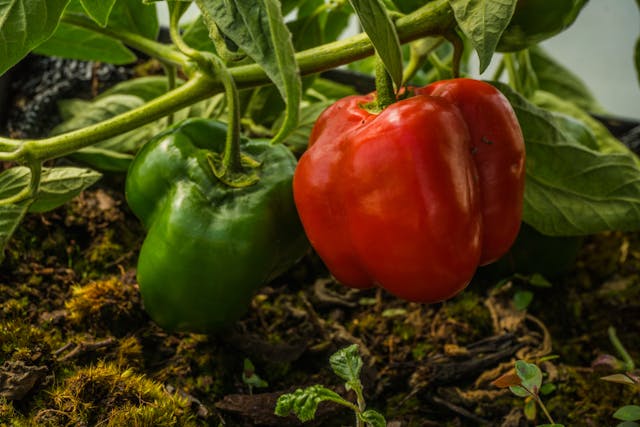
Growing your own vegetables at home can be both fun and rewarding, offering fresh produce right from your garden. The Capsicum Plant is a favorite choice for gardeners due to its colorful fruits and versatility in cooking. With proper care, you can enjoy a vibrant harvest that adds flavor, nutrition, and visual appeal to your meals.
Table of Contents 👈 Tap Here
Successfully cultivating capsicum requires attention to sunlight, soil quality, watering, and pest management. From selecting the right variety to harvesting at the perfect time, every step plays a crucial role in plant health. In this guide, we share 20 best tips for growing a healthy capsicum plant, helping you achieve strong growth and plentiful, delicious peppers.

1. Choosing the Right Variety of Capsicum Plant
Selecting the proper variety of capsicum plant is essential for successful cultivation. Sweet varieties like bell peppers are beginner-friendly, while hot chili varieties need more care and attention. Consider your climate, space, and culinary preferences when choosing seeds. Disease-resistant varieties can prevent common problems, reduce the need for chemicals, and ensure a productive and healthy crop.
2. Selecting the Ideal Location
Capsicum plants thrive in full sunlight, requiring six to eight hours of direct light daily. Outdoors, choose a well-ventilated spot free from shade and strong winds. Indoors, position plants near a south-facing window or use grow lights to supplement sunlight. Adequate sunlight boosts flowering, fruit development, and overall plant vigor, leading to stronger, more productive capsicum plants.
3. Soil Preparation for Healthy Capsicum Plants
Healthy capsicum plants need nutrient-rich, well-draining soil with a slightly acidic to neutral pH of 6.0–7.0. Mixing in compost or well-rotted manure improves fertility and promotes strong root growth. Steer clear of thick clay soils that trap moisture and lead to root rot. Proper soil preparation ensures optimal nutrient availability, supports plant health, and increases the yield of colorful, flavorful peppers.
4. Planting Capsicum Seeds or Seedlings
Start capsicum seeds indoors 8–10 weeks before the last frost date using seed trays or small pots. Use light, well-draining soil to prevent damping-off disease. Once seedlings develop two to three true leaves, transplant them carefully into larger containers or garden beds spaced 18–24 inches apart. Proper spacing promotes airflow, reduces disease risk, and encourages healthy, robust plants.
5. Watering Techniques
Consistent, deep watering is crucial for healthy capsicum plants. Avoid overwatering, which can lead to root rot, and aim for soil that is moist but not soggy. Water early in the morning to reduce evaporation and allow leaves to dry before evening. Adding mulch around the base helps retain moisture, stabilizes soil temperature, and reduces weed growth effectively.
6. Fertilizing Your Capsicum Plant
Fertilize capsicum plants every two to three weeks with a balanced fertilizer or organic compost. Nitrogen encourages leafy growth, while phosphorus and potassium support flowering and fruit development. Over-fertilization can hinder fruit production and make plants more susceptible to pests. Regular feeding ensures consistent growth, vibrant flowers, and a bountiful harvest of colorful, flavorful peppers.
7. Pruning and Supporting Capsicum Plants
Pruning increases air flow, lowers the danger of illness, and focuses energy on fruit production. Remove yellowing or weak leaves and trim overcrowded branches. Taller varieties may need stakes or cages to support heavy fruits, preventing stems from bending or breaking. Proper pruning and support enhance plant structure, prevent rot, and ensure healthier, stronger, and more productive capsicum plants throughout the season.
8. Controlling Pests and Diseases
Capsicum plants are susceptible to pests such as aphids, spider mites, and whiteflies. Fungal diseases like powdery mildew can also appear in humid conditions. Use natural remedies such as neem oil or insecticidal soaps, and maintain proper spacing and airflow. Early detection and treatment prevent infestations from spreading, ensuring the plants remain healthy, strong, and capable of producing abundant fruit.
9. Temperature and Climate Management
Capsicum plants grow best in 70–85°F (21–29°C) during the day and slightly cooler nights. Temperatures below 60°F (15°C) can slow growth, while extreme heat may cause flower drop. Protect plants from frost with row covers or greenhouses and shade them during scorching midday sun. Maintaining an ideal climate ensures optimal flowering, fruit set, and overall plant health.
10. Encouraging Flowering and Fruit Setting
Healthy flowering is key for abundant capsicum harvests. Use balanced fertilizers with extra phosphorus to promote blooms. Hand pollination with a soft brush or gentle shaking helps set fruit, particularly for indoor plants or areas with few pollinators. Consistent watering and proper nutrient management reduce blossom drop, resulting in a higher number of fruits per plant and a more productive garden.
11. Harvesting Capsicum Fruits
Harvest peppers when they reach their desired color and size. Bell peppers may ripen from green to red, yellow, or orange depending on the variety. Use scissors or pruners to cut fruits carefully without damaging stems. Regular harvesting encourages continuous production, prevents overripe fruits from rotting on the plant, and ensures a steady supply of fresh, nutritious peppers.
12. Storing and Using Capsicum Peppers
Fresh capsicum peppers can be stored in the refrigerator for up to two weeks. For longer storage, freeze, dry, or pickle them. These versatile vegetables enhance salads, stir-fries, sauces, and other dishes. Rich in vitamin C and antioxidants, capsicum peppers not only add color and flavor but also provide important nutrients, supporting overall health and wellbeing.
13. Common Problems and Troubleshooting
Yellow leaves, stunted growth, and blossom drop are common issues in capsicum cultivation. Overwatering or nutrient deficiencies can cause yellowing, while inconsistent watering or heat stress may lead to flower drop. Early problem detection and adjustment of care routines, including watering, fertilizing, and pest control, are essential to maintain healthy, strong plants and ensure a bountiful harvest.
14. Companion Planting for Capsicum Plants
Companion plants enhance capsicum growth and reduce pest infestations. Basil, marigold, and onions naturally repel insects, while beans and carrots enrich soil nutrients. Avoid planting capsicum near fennel or kohlrabi, which may stunt growth. Strategic companion planting promotes plant health, increases yield, and supports a balanced, thriving garden ecosystem.
15. Growing Capsicum Plants in Containers
Container gardening is perfect for small spaces, patios, or balconies. Use pots with a minimum depth of 12 inches and ensure proper drainage. Lightweight, nutrient-rich potting mix supports strong root growth. Container-grown capsicum plants may require more frequent watering and fertilization compared to garden beds but can still produce abundant, healthy fruits when managed properly.
16. Organic Tips for a Chemical-Free Garden
Promote healthy capsicum growth naturally by using compost, manure, or worm castings. To keep pests under control, promote beneficial insects like lacewings and ladybirds. Mulching and crop rotation maintain soil fertility and prevent disease. Organic gardening reduces chemical exposure, strengthens plants, and produces healthier, more flavorful peppers for a sustainable and environmentally-friendly garden.
17. Extending the Growing Season
Mulching conserves moisture and regulates soil temperature, while row covers or greenhouses protect plants from frost. Starting seeds indoors and transplanting them after frost extends the growing season. These techniques allow for early planting, longer harvest periods, and increased yields, even in cooler climates, providing more vibrant and productive capsicum plants throughout the year.
18. Fun Facts About Capsicum Plants
Capsicum plants are native to Central and South America and are rich in vitamin C, antioxidants, and other nutrients. They come in a variety of shapes, colors, and heat levels, from sweet bell peppers to extremely hot chili peppers. Cultivating different varieties adds visual appeal to the garden while offering exciting culinary possibilities and health benefits.
19. Tips for Beginners
Start with a few capsicum plants and gradually expand your garden. Track watering, fertilizing, and pest control routines to identify what works best. Experiment with different varieties and planting techniques to learn through experience. With patience and attention to detail, even beginners can grow healthy, productive capsicum plants that yield colorful, flavorful fruits season after season.
20. Conclusion and Final Tips
Growing healthy capsicum plants requires proper planning, care, and patience. By following these 20 best tips—from selecting varieties to watering, fertilizing, pruning, and pest control—you can enjoy a vibrant, productive garden. Consistent attention and knowledge application ensure strong, healthy plants that provide an abundant harvest of colorful, nutritious peppers for your home or kitchen.
FAQs on Capsicum Plant
1. What is a C Plant?
A C Plant is a versatile vegetable and spice-producing plant known for its colorful peppers. The C Plant includes varieties like bell peppers, chili peppers, and sweet peppers. With proper sunlight, water, and soil nutrition, a C Plant can thrive and produce a bountiful harvest. Growing a healthy C Plant ensures flavorful fruits for your meals.
2. How do I grow a C Plant from seeds?
To grow a C Plant from seeds, plant them in seed trays with nutrient-rich soil. Keep the soil moist and warm for your C Plant to germinate. Once seedlings are strong, transplant them into larger pots or garden beds. With proper care, your C Plant will grow healthy stems, vibrant leaves, and eventually produce delicious peppers.
3. What type of soil is best for a C Plant?
A C Plant grows best in well-draining, fertile soil with a slightly acidic to neutral pH. Adding compost or organic matter enriches the soil, supporting the C Plant’s growth. Avoid waterlogged soil as it can harm the roots of your C Plant. Healthy soil ensures your C Plant thrives, producing robust leaves and colorful peppers consistently.
4. How much sunlight does a C Plant need?
A C Plant needs at least 6-8 hours of direct sunlight each day. Adequate sunlight promotes flowering and fruiting in the C Plant. Without proper sunlight, the C Plant may grow weak and yield fewer peppers. Placing your C Plant in a sunny location ensures it grows strong, vibrant, and produces a rich harvest.
5. How often should I water a C Plant?
Water your C Plant consistently to keep the soil moist but not soggy. Overwatering can harm the roots, while underwatering may stunt the growth of your C Plant. Regular watering ensures healthy leaves, strong stems, and abundant fruits. A well-cared-for C Plant thrives in ideal moisture conditions and develops colorful, flavorful peppers efficiently.
6. How can I prevent pests on my C Plant?
Common pests like aphids, mites, and whiteflies can damage a C Plant. Inspect your C Plant regularly and use natural remedies, neem oil, or insecticidal soaps to prevent infestations. Healthy plants naturally resist pests, so proper sunlight, watering, and nutrients are essential. A pest-free C Plant will produce vibrant leaves and plentiful peppers.
7. When does a C Plant start producing fruits?
A healthy C Plant generally begins producing fruits about 60-90 days after transplanting. Flowering is the first sign your C Plant is ready to fruit. Providing optimal care, including sunlight, water, and nutrients, ensures that your C Plant produces abundant, colorful peppers. Harvesting at the right time maximizes yield and flavor from your C Plant.
8. How do I fertilize a C Plant?
Fertilizing your C Plant regularly encourages strong growth and abundant fruiting. Use a balanced fertilizer or organic compost for your C Plant every 2-3 weeks. Proper fertilization boosts flower and pepper development. Maintaining consistent nutrition ensures your C Plant grows healthy leaves, robust stems, and high-quality peppers throughout the growing season.
9. Can I grow a C Plant in a pot?
Yes, a C Plant can thrive in pots or containers. Use a pot with drainage holes and nutrient-rich soil to support your C Plant’s roots. Container-grown C Plants require regular watering and sunlight. With proper care, a potted C Plant can produce vibrant peppers and healthy foliage, making it perfect for balconies, patios, or small gardens.
10. How do I harvest peppers from a C Plant?
Harvest peppers from your C Plant when they reach full size and vibrant color. Use clean scissors or hands to pick fruits without damaging the C Plant. Regular harvesting encourages your C Plant to produce more flowers and peppers. Proper care and timely harvesting ensure your C Plant remains healthy and continues to provide delicious, fresh peppers.