Feel free to share!
Table of Contents 👈 Tap Here
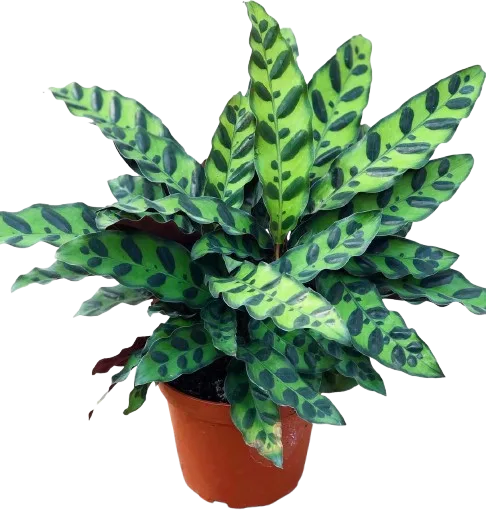
The Calathea lancifolia, also known as the Rattlesnake Plant, is a stunning addition to any indoor garden. Its long, wavy leaves with intricate patterns not only bring a vibrant tropical vibe to your home but also hold a special place in Vastu Shastra. According to Vastu, plants like the Calathea lancifolia can influence the energy flow within your living space, promoting positivity and harmony.
This plant is more than just a decorative element; it has a deep connection to Vastu principles, symbolising growth, balance, and renewal. Whether you’re looking to enhance the aesthetics of your home or create a harmonious living environment, understanding the care and placement of this plant can make a big difference.
Calathea lancifolia and its significance in Vastu, helping you create a balanced and nurturing environment in your home.
Significance of Calathea Lancifolia in Vastu
In Vastu Shastra, plants are considered living entities that radiate energy. The Calathea lancifolia is particularly valued for its ability to attract positive vibrations and create a peaceful ambiance. Its vibrant green leaves are a symbol of growth, renewal, and vitality, which are essential qualities for maintaining a balanced and happy home.
Additionally, this plant is believed to have air-purifying properties that enhance the energy of any space it occupies. By reducing toxins in the air, it promotes mental clarity, emotional stability, and overall well-being. Its unique patterns also add a dynamic aesthetic, symbolising the harmony between nature and human life.
Best Placement According to Vastu
To maximise the benefits of the Calathea lancifolia, proper placement is crucial. According to Vastu principles:
North or East Direction: These directions are associated with growth and prosperity, making them ideal for plants tsymboliselize renewal and balance.
Living Room or Study Area: Placing the plant in these spaces enhances focus, creativity, and harmony, fostering a productive and peaceful environment.
Avoid Bedrooms: While the plant is beautiful, keeping it in the bedroom may disrupt the energy balance, as Vastu recommends more serene and passive elements for sleeping areas.
Calathea Lancifolia Plant Care Guide
Caring for your Calathea lancifolia is essential to ensure it thrives and continues to radiate positive energy. While it’s a relatively low-maintenance plant, understanding its specific needs will help it grow healthy and vibrant.
1. Light Requirements
Calathea lancifolia thrives in bright, indirect light, mimicking the dappled sunlight it receives in its natural tropical habitat. Placing it near a window with filtered light or behind sheer curtains will ensure it gets the right amount of light.
Although it can tolerate low-light conditions, prolonged exposure to such environments may cause its vibrant patterns to fade. To prevent yellowing and scorching of the fragile leaves, avoid direct sunlight.
2. Watering Needs
This plant prefers consistently moist soil, so water it regularly, ensuring the topsoil remains slightly damp. But, since standing water can cause root rot, don’t overwater.
Using distilled or rainwater is highly recommended, as the plant is sensitive to the chemicals found in tap water, such as chlorine and fluoride. This simple step will keep its foliage lush and healthy.
3. Humidity Levels
As a tropical plant, the Calathea lancifolia thrives in high humidity. A dry environment can cause its leaves to curl or develop brown edges. To maintain optimal humidity levels:
Mist the leaves sometimes
Place a pebble tray with water near the plant to increase the surrounding humidity.
Alternatively, use a humidifier to ensure consistent moisture levels in the air.
4. Soil and Fertiliser
The plant prefers well-draining, nutrient-rich soil that retains moisture without becoming waterlogged. A mix of peat, perlite, and organic compost works best for its growth.
Every four to six weeks during the spring and summer growing season, give the plant a balanced liquid fertiliser.Reduce feeding during the dormant winter months to avoid over-fertilising.
5. Temperature
The ideal temperature range for Calathea lancifolia is 65°F to 80°F (18°C to 27°C). It is sensitive to extreme temperature changes, so keep it away from cold drafts, air conditioners, or heaters. Maintaining a stable and warm environment is key to its well-being.
6. Pruning and Maintenance
Regular pruning helps the plant stay healthy and vibrant. Remove any damaged or yellowed leaves to refocus the plant’s energy on growing new ones.
Additionally, cleaning the leaves with a damp cloth not only enhances their natural shine but also allows them to absorb light more efficiently, promoting overall growth.
Pests and Diseases:
Calathea lancifolia is susceptible to pests such as spider mites and mealybugs. Regularly inspecting the plant and removing any pests you see can help prevent infestations. Overwatering can also lead to root rot, so be sure to only water the plant when the topsoil is dry to the touch.
Additional Vastu Tips
Incorporating the Calathea lancifolia into your home can transform your living space when paired with these Vastu tips:
Pair with Other Plants: Combine it with other Vastu-friendly plants like Tulsi (Holy Basil) or Money Plant to create a synergy of positive energy.
Use Decorative Pots: Opt for pots in calmcolourslors like green, white, or gold to amplify its positive vibrations.
Cleanse the Energy Regularly: Sprinkle holy water around the plant or place a small crystal nearby to maintain its spiritual energy.
By introducing the Calathea lancifolia into your home, you can create an indoor sanctuary that blends beauty, serenity, and positive energy. Its ability to purify air and enhance the flow of positivity aligns perfectly with Vastu principles, making it a must-have for anyone seeking harmony and well-being.
Transform your home into a heaven of peace and prosperity with the Calathea lancifolia today!
Calathea lancifolia is a beautiful and versatile indoor houseplant that can bring both aesthetic appeal and positive energy to your home or office. With proper care and attention, this plant can thrive for years and provide numerous health benefits. Remember to place the plant in a location that provides bright, indirect light and to keep the soil moist but not waterlogged. Additionally, following Vastu principles when positioning your Calathea lancifolia
FAQS
What is Calathea Lancifolia commonly called?
Calathea Lancifolia is commonly known as the Rattlesnake Plant because of its long, wavy leaves marked with dark green spots that resemble a rattlesnake’s pattern. The purple underside of the leaves adds to its visual appeal, making Calathea Lancifolia a popular choice for indoor plant lovers.
Where does Calathea Lancifolia come from?
Calathea Lancifolia is native to the tropical rainforests of Brazil. In its natural habitat, it grows under the canopy of trees where it receives filtered light and high humidity. These conditions explain why Calathea Lancifolia prefers indirect light and moist air when grown indoors.
Is Calathea Lancifolia an indoor plant?
Yes, Calathea Lancifolia is primarily grown as an indoor plant. It adapts well to indoor environments when given proper care, stable temperatures, and sufficient humidity. Because it is sensitive to direct sunlight and cold drafts, Calathea Lancifolia performs best inside homes or offices.
How much light does Calathea Lancifolia need daily?
Calathea Lancifolia needs several hours of bright, indirect light each day. Too much direct sunlight can burn its leaves, while very low light may slow growth. Placing Calathea Lancifolia near an east- or north-facing window usually provides ideal lighting conditions.
What kind of soil is best for Calathea Lancifolia?
Calathea Lancifolia grows best in well-draining, nutrient-rich soil that retains some moisture without becoming soggy. A mix of peat, coco coir, perlite, and compost works well. Good soil structure helps protect the sensitive roots of Calathea Lancifolia from rot and stress.
How often should Calathea Lancifolia be watered?
Calathea Lancifolia prefers consistently moist soil but should never sit in standing water. Watering once or twice a week is common, depending on climate and season. Always check the topsoil before watering, as Calathea Lancifolia reacts poorly to both overwatering and dryness.
Can Calathea Lancifolia survive in low humidity?
Calathea Lancifolia does not thrive in low humidity for long periods. Dry air can cause brown edges, leaf curling, and dull foliage. For best results, humidity levels should be kept above 60%. Using a humidifier helps Calathea Lancifolia stay healthy and vibrant.
Why does Calathea Lancifolia close its leaves at night?
Calathea Lancifolia displays a natural movement called nyctinasty, where its leaves fold upward at night and reopen during the day. This behavior is completely normal and indicates a healthy plant. The movement allows Calathea Lancifolia to respond to light changes in its environment.
Is Calathea Lancifolia safe for cats and dogs?
Yes, Calathea Lancifolia is non-toxic to cats and dogs. This makes it a safe choice for pet owners who want decorative houseplants without health risks. Even if pets chew on Calathea Lancifolia leaves, it generally does not cause serious harm or poisoning.
How big does Calathea Lancifolia grow?
Calathea Lancifolia can grow up to 2 to 3 feet tall and wide under proper care. Its long leaves create a full, bushy appearance over time. With good light, humidity, and watering, Calathea Lancifolia can become a striking focal plant indoors.
Why are the edges of my Calathea Lancifolia turning brown?
Brown leaf edges on Calathea Lancifolia are often caused by low humidity, chemical-filled water, or inconsistent watering. Using distilled or rainwater and maintaining higher humidity levels can help prevent this issue and keep Calathea Lancifolia leaves looking fresh and healthy.
Does Calathea Lancifolia need fertilizer?
Calathea Lancifolia benefits from light feeding during the growing season. A balanced, diluted liquid fertilizer applied once a month is usually sufficient. Over-fertilizing can damage the roots, so gentle feeding supports steady growth without stressing Calathea Lancifolia.
How do you propagate Calathea Lancifolia?
Calathea Lancifolia is propagated through division rather than cuttings. During repotting, the root clumps can be carefully separated and planted individually. Each division should have healthy roots and leaves to ensure successful growth and survival of the new Calathea Lancifolia plant.
What temperature is ideal for Calathea Lancifolia?
Calathea Lancifolia prefers warm temperatures between 18°C and 27°C. Cold air, sudden temperature drops, and drafts can cause stress and leaf damage. Keeping Calathea Lancifolia in a stable, warm environment helps maintain healthy foliage and steady growth.
Is Calathea Lancifolia good for beginners?
Calathea Lancifolia can be suitable for beginners who are willing to follow consistent care routines. While it needs more attention than low-maintenance plants, learning to manage light, humidity, and watering makes Calathea Lancifolia a rewarding and visually stunning houseplant.