Cactus Potting Mix for Snake Plant: 20 Best Tips to Prevent Root Rot
Table of Contents 👈 Tap Here
Snake plants are known for being low-maintenance, yet one common mistake—poor soil choice—can silently kill them. Many plant owners struggle with root rot because the soil retains too much moisture. Using a cactus potting mix can dramatically improve drainage and protect your plant’s roots. In this guide, you’ll learn how to choose, adjust, and use the right mix to keep your snake plant healthy for years.
Cactus Potting Mix for Snake Plant
1. What Is a Cactus Potting Mix?
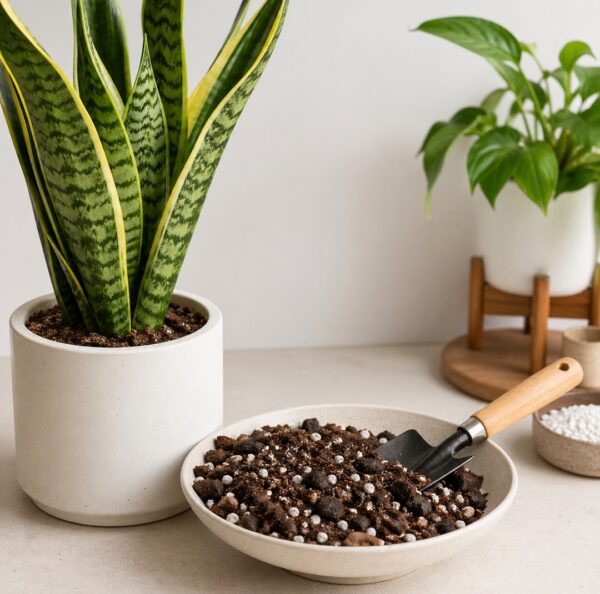
A cactus potting mix is a specially formulated soil blend designed to drain water quickly and prevent moisture buildup around roots. It typically contains ingredients like sand, perlite, and light organic matter that create air pockets. Unlike regular potting soil, it doesn’t stay soggy for long, making it ideal for plants that prefer dry conditions, such as snake plants and other succulents.
2. Why Snake Plants Need Well-Draining Soil
Snake plants naturally grow in dry, rocky environments where water drains rapidly. When planted in dense or water-retentive soil, their roots sit in moisture for too long, leading to rot. Well-draining soil mimics their natural habitat and allows oxygen to reach the roots. This simple adjustment can prevent the most common cause of snake plant death—overwatering combined with poor soil.
3. Is Cactus Potting Mix Good for Snake Plants?
Cactus potting mix is generally a great option for snake plants because it promotes fast drainage and prevents waterlogging. However, not all mixes are perfect straight out of the bag. Some may still hold too much moisture, depending on the brand. Enhancing it with extra perlite or sand can make it even more suitable and tailored to your plant’s specific needs.
4. Choose a Fast-Draining Cactus Mix
Selecting a high-quality cactus mix is the first step toward preventing root rot. Look for a mix that feels light and gritty rather than dense or compact. A good mix should allow water to pass through quickly while still retaining minimal moisture. This balance ensures your snake plant gets hydration without being exposed to excess water for extended periods.
5. Add Perlite for Better Aeration
Perlite is a lightweight material that improves airflow in the soil and helps excess water escape faster. Adding extra perlite to your cactus mix creates more air pockets, reducing the risk of soggy roots. This is especially helpful if you live in a humid climate where soil tends to stay wet longer than usual.
6. Mix in Coarse Sand for Drainage
Coarse sand enhances the drainage capability of your potting mix by preventing compaction. It allows water to flow freely through the soil instead of pooling around the roots. When combined with cactus mix, it creates a structure that closely resembles the snake plant’s natural environment, making it easier for the plant to thrive indoors.
7. Avoid Heavy Garden Soil
Using garden soil for snake plants is a common mistake that often leads to root rot. Garden soil is dense, retains too much water, and lacks proper aeration when used in pots. Even mixing it with other materials doesn’t always solve the problem. It’s best to stick with a well-draining cactus mix specifically designed for container gardening.
8. Use Pumice for Improved Drainage
Pumice is another excellent addition to cactus potting mix because it is porous and lightweight. It absorbs a small amount of water while still allowing excess moisture to drain away. This helps maintain the right balance of hydration and dryness, ensuring that your snake plant roots remain healthy and free from rot.
9. Always Use Pots with Drainage Holes
No matter how good your soil mix is, a pot without drainage holes can trap water at the bottom. This creates a high-risk environment for root rot. Drainage holes allow excess water to escape, preventing it from accumulating around the roots. Pairing the right soil with proper drainage is essential for long-term plant health.
10. Choose Terracotta Pots Over Plastic
Terracotta pots are porous, allowing moisture to evaporate through their walls. This helps the soil dry out faster compared to plastic pots, which tend to retain moisture. For snake plants, this added breathability can make a significant difference in preventing overwatering and maintaining a healthy root system.
11. Avoid Oversized Pots
Using a pot that is too large can lead to excess soil retaining more water than necessary. This creates a damp environment where roots are more likely to rot. Choosing a pot that is slightly larger than the root ball ensures better moisture control and encourages healthy growth without unnecessary risk.
12. Understand the Drainage Layer Myth
Many gardeners believe adding rocks at the bottom of a pot improves drainage, but this can actually trap water above the layer. Instead of helping, it may worsen root rot issues. A well-draining cactus mix throughout the pot is far more effective than relying on a drainage layer.
13. Water Only When Soil Is Completely Dry
Overwatering is the leading cause of root rot in snake plants. Always check the soil before watering and ensure it is completely dry. This simple habit prevents excess moisture buildup and allows the roots to breathe. Using your finger or a moisture meter can help you make accurate watering decisions.
14. Reduce Watering During Winter
Snake plants enter a slower growth phase during winter, meaning they require less water. Continuing a regular watering schedule during this period can lead to overwatering. Adjusting your watering routine based on seasonal changes helps maintain the right moisture balance and prevents root damage.
15. Avoid Misting the Leaves
Misting may seem beneficial, but snake plants do not need extra humidity. Water sitting on the leaves can encourage fungal issues and does not contribute to root health. Instead, focus on proper soil moisture and airflow to keep your plant thriving.
16. Use the Soak-and-Dry Method
The soak-and-dry method involves watering the plant thoroughly and then allowing the soil to dry out completely before watering again. This approach mimics natural rainfall patterns and prevents constant moisture exposure. It is one of the most effective ways to keep your snake plant healthy.
17. Provide Bright Indirect Light
Light plays a key role in how quickly soil dries out. Snake plants thrive in bright, indirect light, which helps regulate moisture levels in the soil. Poor lighting conditions can slow down evaporation, increasing the risk of root rot. Proper placement is just as important as soil quality.
18. Ensure Good Airflow Around the Plant
Air circulation helps soil dry faster and prevents stagnant moisture from building up. Placing your snake plant in a well-ventilated area reduces humidity around the plant and supports healthy growth. This small environmental adjustment can make a noticeable difference in preventing root issues.
19. Check Roots Regularly
Inspecting your plant’s roots occasionally allows you to catch early signs of rot before they become severe. Healthy roots are firm and white, while rotten roots appear mushy and dark. Early detection makes it easier to take corrective action and save your plant.
20. Remove Rotten Roots Immediately
If you notice signs of root rot, act quickly by trimming away affected roots with clean tools. Removing damaged areas prevents the spread of disease and gives the plant a chance to recover. Repotting in fresh cactus mix afterward ensures a healthier environment for regrowth.
21. Use Fungicide When Necessary
In severe cases of root rot, applying a fungicide can help eliminate harmful pathogens in the soil. While not always required, it can be a useful step when dealing with persistent issues. Combined with proper soil and watering practices, it helps restore your plant’s health more effectively.
Conclusion
Preventing root rot in snake plants comes down to one key principle: controlling moisture. By using a well-draining cactus potting mix and following proper care techniques, you create an environment where roots can thrive. Small adjustments in soil, watering, and pot choice can make a significant difference, helping your snake plant stay healthy, strong, and visually stunning for years.
FAQS
1. Can I use cactus potting mix for snake plant without mixing anything else?
Yes, you can use cactus potting mix for snake plant directly, but results depend on the quality of the mix. Some commercial blends may still retain slight moisture, so improving cactus potting mix for snake plant with perlite or sand can boost drainage and reduce root rot risk, especially in humid environments or low-light indoor spaces.
2. How often should I water when using cactus potting mix for snake plant?
When using cactus potting mix for snake plant, watering frequency naturally decreases because the soil drains quickly. Most snake plants only need water every two to three weeks, depending on light and climate. Always check if the cactus potting mix for snake plant is completely dry before watering to avoid overwatering and root rot issues.
3. Is cactus potting mix for snake plant better than regular potting soil?
Cactus potting mix for snake plant is generally better than regular potting soil because it drains faster and prevents excess moisture buildup. Regular soil tends to hold water longer, increasing the chances of root rot. Choosing cactus potting mix for snake plant creates a safer growing environment and supports healthier root development over time.
4. Can cactus potting mix for snake plant prevent root rot completely?
Cactus potting mix for snake plant significantly reduces the risk of root rot, but it does not completely eliminate it. Overwatering, poor drainage pots, or low light conditions can still cause issues. Combining cactus potting mix for snake plant with proper watering habits and good airflow gives the best protection against root rot.
5. Do I need to add perlite to cactus potting mix for snake plant?
Adding perlite to cactus potting mix for snake plant is not always necessary, but it is highly recommended. Extra perlite improves aeration and ensures faster drainage, especially in humid climates. Enhancing cactus potting mix for snake plant this way creates a more breathable environment that helps roots stay dry and healthy.
6. Can I use cactus potting mix for snake plant indoors?
Yes, cactus potting mix for snake plant is ideal for indoor use because it prevents water from sitting in the pot. Indoor environments often have less airflow, so using cactus potting mix for snake plant helps reduce moisture buildup and keeps the plant’s roots from becoming soggy.
7. What ingredients should cactus potting mix for snake plant contain?
A good cactus potting mix for snake plant should include materials like sand, perlite, and lightweight organic matter. These ingredients ensure proper drainage and airflow. Choosing the right cactus potting mix for snake plant with these components helps mimic the plant’s natural growing conditions and prevents root problems.
8. Can cactus potting mix for snake plant dry out too quickly?
Cactus potting mix for snake plant is designed to dry quickly, but it usually does not dry too fast for snake plants. Since these plants prefer dry conditions, fast drainage is beneficial. If cactus potting mix for snake plant dries extremely fast, you can slightly adjust it by adding a small amount of organic material.
9. Is cactus potting mix for snake plant suitable for all snake plant varieties?
Indeed, the majority of snake plant varieties—both popular and uncommon—work well with cactus potting mix. All snake plants require soil that drains properly. For snake plants of all kinds, using cactus potting mix guarantees uniform maintenance and helps avoid overwatering problems.
10. Can I reuse cactus potting mix for snake plant after repotting?
Reusing cactus potting mix for snake plant is possible if it is still clean and free from disease. However, it’s best to refresh or partially replace it to maintain good drainage and nutrient levels. Fresh cactus potting mix for snake plant provides a healthier environment and reduces the risk of pests or root issues.
11. Does cactus potting mix for snake plant need fertilizer?
Cactus potting mix for snake plant contains limited nutrients, so occasional fertilization can support growth. Using a balanced, diluted fertilizer during the growing season works well. While cactus potting mix for snake plant ensures proper drainage, adding nutrients helps maintain overall plant health.
12. Can cactus potting mix for snake plant be used in humid climates?
Yes, cactus potting mix for snake plant is especially useful in humid climates because it prevents excess moisture retention. High humidity slows down soil drying, so using cactus potting mix for snake plant helps balance moisture levels and protects the roots from rot.
13. How do I know if my cactus potting mix for snake plant is draining well?
You can test cactus potting mix for snake plant by watering and observing how quickly water flows through the pot. If water drains within seconds and doesn’t pool, the mix is working well. Proper cactus potting mix for snake plant should feel light and never stay soggy for long.
14. Can cactus potting mix for snake plant be used for other plants?
Yes, cactus potting mix for snake plant can also be used for other succulents and drought-tolerant plants. Its fast-draining nature suits plants that dislike excess moisture. Using cactus potting mix for snake plant across similar plant types simplifies your soil choices and care routine.
15. Should I mix coco coir with cactus potting mix for snake plant?
Adding a small amount of coco coir to cactus potting mix for snake plant can improve moisture balance without making the soil too heavy. This combination helps retain just enough water while still allowing drainage. Adjusting cactus potting mix for snake plant this way works well in very dry climates.
16. Is cactus potting mix for snake plant expensive?
Cactus potting mix for snake plant is generally affordable and widely available. While some premium brands cost more, basic mixes work well when properly amended. Investing in quality cactus potting mix for snake plant can save money in the long run by preventing plant loss.
17. Can cactus potting mix for snake plant cause nutrient deficiency?
Cactus potting mix for snake plant is low in nutrients by design, which can lead to slower growth if not supplemented. However, occasional feeding solves this issue easily. Using cactus potting mix for snake plant with light fertilization ensures both proper drainage and adequate nutrition.
18. How often should I replace cactus potting mix for snake plant?
It’s recommended to refresh cactus potting mix for snake plant every one to two years. Over time, the mix can break down and lose its drainage properties. Replacing cactus potting mix for snake plant keeps the soil structure healthy and reduces the risk of root rot.
19. Can cactus potting mix for snake plant help with pest control?
Cactus potting mix for snake plant can indirectly reduce pest problems because it dries quickly and doesn’t stay damp. Many pests thrive in moist soil, so using cactus potting mix for snake plant creates a less favorable environment for them to survive and multiply.
20. What is the best way to prepare cactus potting mix for snake plant?
The best way to prepare cactus potting mix for snake plant is to combine it with extra perlite or sand for improved drainage. Mixing thoroughly ensures even distribution of materials. Customizing cactus potting mix for snake plant based on your environment helps achieve the best results for healthy growth.
Hi, I’m Steve, an orchid grower with 30+ years of hands-on experience caring for indoor and outdoor plants. I share practical, tested tips and beginner-friendly guides to help plant enthusiasts nurture healthy, thriving plants.