
Feel free to share!
The Butterfly Pea Flower is a vibrant and stunning creeper that can transform any garden into a colorful and lively space. Growing this beautiful plant can be incredibly rewarding, as it not only produces striking blue blossoms but also attracts pollinators, enhances your garden’s aesthetics, and adds a touch of elegance to outdoor spaces with proper care and attention.
Table of Contents 👈 Tap Here
The Butterfly Pea Flower is admired for its versatility, being used in teas, natural dyes, and herbal remedies. In this guide, we will share 18 essential steps to grow a thriving Butterfly Pea Flower, covering everything from planting, sunlight, and watering to pruning, fertilization, and eco-friendly care. Following these steps ensures abundant blooms and a healthy, long-lasting creeper.
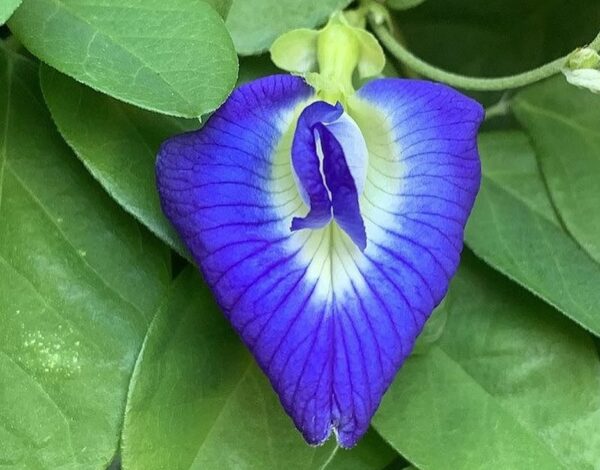
1. What is the Butterfly Pea Flower?
The Butterfly Pea Flower, scientifically known as Clitoria ternatea, is a climbing plant with striking deep blue flowers that brighten any garden. Beyond its beauty, this plant offers medicinal benefits, aids pollinators, and is often used in herbal teas. Learning about its growth habits and flowering cycle is key to cultivating a thriving Butterfly Pea Flower in your garden.
2. Why Grow the Butterfly Pea Creeper Plant?
Growing Butterfly Pea Flower not only adds aesthetic appeal but also improves garden biodiversity. Its blooms attract bees and butterflies, supporting pollination. Additionally, the flowers are edible, rich in antioxidants, and can be used for teas, dyes, and natural remedies. A healthy Butterfly Pea Flower creeper is both beautiful and functional, making it a must-have for eco-conscious gardeners.
3. Choosing the Right Variety
Butterfly Pea Flower comes in various types, including single-petal, double-petal, blue, and white varieties. When selecting the right plant, consider your climate, garden space, and personal preferences. For faster flowering, choose a variety suited to your region. Picking the right Butterfly Pea Flower variety lays the foundation for a robust, vibrant, and long-lasting creeper.
4. Ideal Climate and Temperature
The Butterfly Pea Flower thrives in warm climates between 20°C and 35°C, with plenty of sunlight. While it can tolerate moderate heat, extreme temperatures may stress the plant, reducing flowering. Protect your Butterfly Pea Flower from frost and harsh winds by providing shelter or planting in pots that can be moved during extreme weather.
5. Best Soil for Butterfly Pea Flower
For optimal growth, Butterfly Pea Flower prefers well-draining, loamy soil rich in organic matter. Slightly acidic to neutral pH (6–7) is ideal. Avoid waterlogged soil, as it can cause root rot. Mixing compost or aged manure into the soil ensures your Butterfly Pea Flower receives essential nutrients, supporting lush foliage and abundant blooms.
6. How to Plant Butterfly Pea Flower Seeds
Planting Butterfly Pea Flower seeds requires soaking them in warm water for 12–24 hours to enhance germination. Sow seeds 1–2 cm deep in nutrient-rich soil, keeping the soil moist but not soggy. Within 1–2 weeks, you should see sprouting. Healthy seedlings are the first step toward a flourishing Butterfly Pea Flower creeper.
7. Sunlight Requirements
Butterfly Pea Flower requires 4–6 hours of direct sunlight daily to bloom profusely. Insufficient light can cause leggy growth and fewer flowers. If growing indoors, place your Butterfly Pea Flower near a south-facing window or provide supplemental grow lights to ensure optimal flowering and vibrant foliage.
8. Watering Schedule
Water Butterfly Pea Flower regularly, keeping the soil consistently moist without waterlogging. During hot weather, increase frequency, while reducing watering in cooler months. Overwatering can lead to root rot, while underwatering causes leaves to wilt. Monitoring moisture ensures your Butterfly Pea Flower stays healthy and produces abundant flowers.
9. Fertilization Tips
Fertilize Butterfly Pea Flower every 4–6 weeks using organic fertilizers like compost, vermicompost, or a balanced NPK fertilizer. Avoid excessive nitrogen, which promotes foliage over flowers. Proper feeding encourages more blooms, stronger vines, and vibrant blue flowers, making your Butterfly Pea Flower creeper a showstopper in your garden.
10. Supporting the Creeper Plant
Butterfly Pea Flower is a climbing plant and requires support such as trellises, fences, or stakes. Guiding vines upward improves airflow, reduces disease risk, and encourages more flowering. Proper support ensures your Butterfly Pea Flower grows in an organized manner, creating a beautiful display that enhances your garden’s visual appeal.
11. Pruning and Maintenance
Regular pruning of Butterfly Pea Flower promotes new growth and encourages more flowers. Trim old, damaged, or overcrowded vines to maintain plant shape. Pruning also improves air circulation and prevents fungal infections. Well-maintained Butterfly Pea Flower creepers look fuller, healthier, and produce blooms consistently throughout the season.
12. Pest and Disease Management
Butterfly Pea Flower may face pests like aphids, mealybugs, or caterpillars. Use natural remedies such as neem oil or insecticidal soap. Prevent fungal infections by avoiding water on leaves and ensuring proper spacing. Keeping your Butterfly Pea Flower healthy requires vigilance, but proactive care ensures it remains vibrant and disease-free.
13. Propagation Techniques
Butterfly Pea Flower can be propagated from seeds or stem cuttings. Cuttings root easily in water or moist soil, producing new plants quickly. Propagating your Butterfly Pea Flower allows you to expand your garden and share plants with friends, creating multiple thriving creepers from a single healthy plant.
14. Seasonal Care Tips
Adjust care based on the season. In summer, water more frequently and provide partial shade during extreme heat. During winter, reduce watering and protect young vines from frost. Seasonal adjustments ensure your Butterfly Pea Flower remains healthy, blooms consistently, and avoids stress throughout the year.
15. Harvesting Butterfly Pea Flowers
Harvest flowers in the morning when fully open for maximum color and freshness. Use them immediately for teas, natural dyes, or decoration. Proper harvesting techniques ensure your Butterfly Pea Flower continues to produce blooms while keeping the plant healthy and vibrant for longer periods.
16. Uses of Butterfly Pea Flower
Butterfly Pea Flower is popular for herbal teas, natural food coloring, and skincare remedies. Its edible petals can be used in desserts or beverages, while its vibrant blue hue makes it a favorite for natural dyeing. Growing your own Butterfly Pea Flower ensures fresh, chemical-free flowers year-round.
17. Common Mistakes to Avoid
Avoid overwatering, planting in poor soil, or neglecting sunlight requirements. Neglecting pruning or support can lead to weak vines and fewer blooms. Learning from these mistakes helps you maintain a thriving Butterfly Pea Flower creeper that produces vibrant flowers consistently.
18. Eco-Friendly Gardening Tips
Use organic fertilizers, rainwater, and companion planting to grow Butterfly Pea Flower sustainably. Avoid chemical pesticides, and encourage pollinators like bees and butterflies. Eco-friendly practices not only benefit your Butterfly Pea Flower but also contribute positively to your garden ecosystem.
By following these 18 steps, your Butterfly Pea Flower creeper can thrive beautifully, producing vibrant blooms and supporting garden biodiversity. Consistent care, proper sunlight, watering, and pruning ensure a healthy plant. Growing Butterfly Pea Flower is rewarding, offering aesthetic appeal, edible flowers, and environmental benefits, making it a must-have for any plant enthusiast.
Butterfly Pea Flower FAQs
1. What is a Butterfly Pea Flower?
The Butterfly Pea Flower, scientifically known as Clitoria ternatea, is a climbing plant prized for its vibrant blue blooms and attractive foliage. Commonly grown in gardens, the Butterfly Pea Flower is also used for herbal teas, natural dyes, and even skincare. Its versatility and ease of growth make it a favorite among gardeners worldwide.
2. How do I grow B. Pea Flower from seeds?
Growing Butterfly Pea Flower from seeds is simple but requires some preparation. Soak the seeds in warm water for 12–24 hours to improve germination. Plant them in well-draining, nutrient-rich soil, keep it moist, and provide sufficient sunlight. Proper care ensures your Butterfly Pea Flower seedlings grow strong, healthy, and ready to climb trellises or fences.
3. How much sunlight does B. Pea Flower need?
B. Pea Flower thrives in full sun but can tolerate partial shade. For optimal flowering, provide 4–6 hours of direct sunlight daily. Insufficient sunlight may result in fewer blooms and leggy growth. By ensuring adequate light, your B. Pea Flower will develop lush foliage and vibrant blue flowers that enhance your garden’s beauty.
4. How often should I water B. Pea Flower?
Watering B. Pea Flower requires a balance—keep the soil consistently moist but avoid waterlogging. During hot weather, increase watering frequency, while reducing it in cooler months. Proper watering helps maintain healthy roots and prevents stress, ensuring that your B Pea Flower continues to bloom profusely throughout the growing season.
5. What type of soil is best for B. Pea Flower?
B. Pea Flower grows best in well-draining, loamy soil enriched with organic matter. A slightly acidic to neutral pH (6–7) is ideal. Incorporating compost or aged manure boosts soil fertility, helping your B.Pea Flower develop strong roots, lush foliage, and more vibrant blooms. Good soil ensures long-term health and growth.
6. Can B.Pea Flower be grown indoors?
Yes, B. Pea Flower can be grown indoors in containers with proper care. Place it near a sunny window or provide grow lights to mimic sunlight. Use well-draining potting soil and provide a small trellis for support. With the right indoor environment, your B. Pea Flower will produce beautiful blooms and maintain healthy growth.
7. How do I propagate B. Pea Flower?
B. Pea Flower can be propagated from seeds or stem cuttings. Seeds are ideal for starting new plants, while cuttings root easily in water or moist soil. Propagating B .Pea Flower allows gardeners to expand their garden quickly, producing multiple thriving creepers from a single plant, ensuring long-term enjoyment of its vibrant flowers.
8. What are common pests of B. Pea Flower?
B .Pea Flower may attract pests such as aphids, mealybugs, and caterpillars. Regular monitoring is essential, and natural remedies like neem oil or insecticidal soap are effective. Preventive care keeps your B. Pea Flower healthy, ensuring strong growth, vibrant flowers, and a garden free from damage caused by insects.
9. How can I use B. Pea Flower in the kitchen?
The B
B .Pea Flower is edible and popular for culinary uses. Its vibrant blue petals are used to brew teas, color desserts, and make natural beverages. By using fresh B. Pea Flower, you can create visually stunning and healthy dishes, adding both flavor and aesthetic appeal to your culinary creations.
10. What are the health benefits of B. Pea Flower?
B. Pea Flower is rich in antioxidants and bioactive compounds that support overall health. Consuming B Pea Flower tea may improve skin health, boost immunity, and reduce stress. By growing Butterfly Pea Flower at home, you have easy access to fresh, natural blooms that enhance both your diet and well-being.
11. How do I support a B. Pea Flower creeper?
B .Pea Flower is a climbing plant and requires trellises, fences, or stakes for support. Training the vines upward promotes better airflow, reduces disease risk, and encourages more Flowering proper support ensures your B Pea Flower grows in a structured manner, maximizing blooms and maintaining a healthy, attractive appearance in your garden.
12. How often should I fertilize B Pea Flower?
Fertilize B Pea Flower every 4–6 weeks with organic compost or a balanced NPK fertilizer. Avoid over-fertilizing with nitrogen, as it promotes foliage over blooms. Proper feeding ensures your B Pea Flower produces vibrant flowers, strong vines, and a lush, healthy appearance, enhancing the overall beauty and longevity of the plant.
13. How do I prune B. Pea Flower?
Regular pruning encourages new growth and more flowers on your B Pea Flower creeper. Trim dead, damaged, or overcrowded vines to improve airflow and maintain plant shape. Pruning also prevents disease and keeps your B. Pea Flower looking full, healthy, and productive throughout the growing season.
14. Can B. Pea Flower survive in different climates?
B. Pea Flower grows best in warm climates but is adaptable to moderate temperature changes. Protect it from frost or extreme heat for optimal growth. By adjusting care routines based on your local climate, your B. Pea Flower will remain healthy, bloom consistently, and continue to thrive year after year.
15. When should I harvest Butterfly Pea F ?
Harvest B Pea Flower petals in the morning when they are fully open for maximum freshness and color. Proper harvesting techniques ensure the plant continues to bloom while providing fresh petals for teas, natural dyes, or culinary uses. Regular harvesting also encourages new blooms, keeping your B. Pea Flower vibrant and productive.