
Feel free to share!
Broccoli Raab, also known as Rapini, is a fast-growing leafy green celebrated for its slightly bitter taste and tender shoots. Popular in Italian and Asian cuisines, it brings a distinctive flavor and rich nutrition to the table. Home gardeners love it for its quick harvest and versatility in the kitchen.
Table of Contents 👈 Tap Here
Growing Broccoli Raab successfully requires understanding its unique needs. From choosing the right soil and sunlight to proper watering and harvesting, every step influences the plant’s flavor and yield. With the right techniques, you can enjoy continuous, healthy harvests of this nutrient-rich green packed with vitamins, fiber, and antioxidants.
🌱 2. Understanding the Broccoli Raab Plant
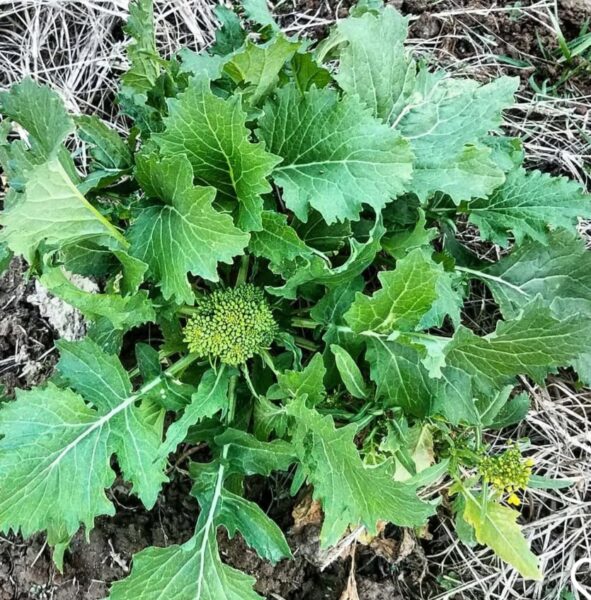
Despite its name, Broccoli Raab isn’t a true broccoli. It’s more closely related to turnips and mustard greens The plant features leafy greens with small, broccoli-like buds. Rich in vitamins A, C, and K, along with calcium and iron, it’s a powerhouse of nutrition. Its quick growth and versatility make it a great crop for beginners.
☀️ 3. Ideal Growing Conditions
Broccoli Raab thrives best in cool weather, ideally between 50°F and 75°F (10°C–24°C). It prefers full sun but can tolerate partial shade in hotter regions. Well-draining, fertile soil enriched with compost ensures steady growth. Maintaining consistent moisture helps prevent the leaves from turning bitter while keeping the stalks tender and crisp.
🪴 4. Choosing the Right Variety
There are several varieties of Broccoli Raab, each suited for different climates and harvest times. Popular types include Sessantina Grossa, Zamboni, and Quarantina. Sessantina matures quickly in about 40 days, while Zamboni offers larger leaves. Choose a variety based on your region’s climate—early maturing for cooler zones and heat-tolerant types for warmer areas.
🌸 5. When to Plant Broccoli Raab
This cool-season crop grows best when planted in early spring or late summer. Avoid mid-summer planting since high temperatures cause it to bolt quickly. For continuous harvests, sow new seeds every two to three weeks. The ideal soil temperature for germination is around 45°F to 85°F, ensuring rapid sprouting and healthy seedlings.
🌾 6. How to Prepare the Soil
A fertile, well-draining soil ensures strong growth and a better yield. Before planting, enrich your garden bed with organic compost or well-rotted manure. Broccoli Raab prefers slightly acidic to neutral soil with a pH between 6.0 and 7.0. Loosen the top 6–8 inches of soil and remove any stones or debris before sowing.
🌰 7. Sowing Broccoli Raab Seeds
Broccoli Raab grows best when directly sown in the garden. Plant seeds about ¼ inch deep and space them 4–6 inches apart. Rows should be around 12 inches apart to allow airflow. Keep the soil moist until germination, which usually takes 5–10 days. Thin out overcrowded seedlings once they reach 2 inches tall.
💧 8. Watering Requirements
Broccoli Raab loves consistent moisture. Water deeply at least two to three times a week, depending on rainfall. Avoid overhead watering, as wet leaves may attract fungal diseases. Rather, water the plant’s base first thing in the morning.Keeping the soil evenly moist helps prevent bitterness and encourages tender, flavorful greens.
🌿 9. Fertilization Tips
A balanced organic fertilizer or compost tea boosts growth and nutrient content. Apply fertilizer after thinning and again halfway through the growing cycle. Avoid excessive nitrogen, which encourages leafy growth but delays flower stalk formation. Feeding your plants naturally improves soil health and enhances Broccoli Raab’s signature earthy flavor and nutrient density.
🍂 10. Mulching and Weed Control
Mulching helps retain soil moisture and suppress weeds. Use organic mulch such as straw, compost, or shredded leaves around the base of the plants. Mulch also stabilizes soil temperature and prevents splashing dirt on the leaves during watering. Keep a 1-inch gap around the stems to avoid rot and improve air circulation.
🌼 11. Companion Planting
Broccoli Raab grows best alongside plants that deter pests and improve soil nutrients. Great companions include onions, garlic, beets, and carrots. Avoid planting near other brassicas like cabbage or cauliflower, as they attract similar pests and compete for nutrients. Companion planting encourages healthier growth, fewer pest issues, and a more productive garden ecosystem naturally.
🐛 12. Pests and Diseases
Common pests attacking Broccoli Raab include aphids, flea beetles, and cabbage worms. Inspect leaves regularly and remove pests by hand or spray with neem oil. Diseases like downy mildew or clubroot may occur in damp conditions, so avoid overwatering. Crop rotation and using organic pest controls help keep your plants healthy and thriving.
✂️ 13. Pruning and Thinning
Thinning seedlings is vital to ensure each plant has enough space to grow strong. Once plants are 2–3 inches tall, thin them to 4–6 inches apart. Remove yellow or damaged leaves to boost airflow and prevent fungal infections. Pruning also channels energy toward developing tender flower shoots, giving you a healthier and tastier harvest.
🌺 14. How to Promote Flowering Stalks
Broccoli Raab is prized for its edible flower stalks, which are most flavorful before full bloom. To encourage flowering, reduce nitrogen fertilizer and maintain moderate watering. Cool temperatures and steady sunlight help trigger stalk formation. Harvest the shoots when buds are small and firm—waiting too long can cause them to turn tough and bitter.
🧺 15. Harvesting Broccoli Raab
Harvest when flower buds are tight and stalks are 6–8 inches tall.Cut the stems slightly above the soil line using clean scissors or a sharp knife. Frequent harvesting encourages regrowth for a second crop. The leaves, stems, and buds are all edible—freshly harvested Broccoli Raab offers the best flavor and nutrient value.
🥬 16. Post-Harvest Care
To keep Broccoli Raab fresh, rinse it in cool water and let it air-dry. Store it in the refrigerator in a perforated plastic bag for up to five days. Avoid washing until you’re ready to use it, as excess moisture speeds spoilage. For longer storage, blanch and freeze the greens to preserve their vibrant flavor.
⚠️ 17. Common Growing Problems
If your Broccoli Raab bolts too early, it’s usually due to heat stress or irregular watering. Bitter leaves indicate a lack of moisture or harvesting too late. Yellowing may signal nitrogen deficiency or poor drainage. Observing your plants daily helps you spot issues early and fix them naturally before they affect your entire crop.
🪴 18. Growing Broccoli Raab in Containers
Broccoli Raab can thrive in pots if given proper care. Use a container at least 10 inches deep with rich, well-draining soil. Place it in full sun and water regularly to keep the soil moist. Container gardening is perfect for small spaces or balconies, allowing you to harvest fresh, homegrown greens all year round.
🌏 19. Organic and Sustainable Gardening Tips
Growing Broccoli Raab organically is simple and rewarding. Use compost, natural fertilizers, and beneficial insects to enrich your garden without chemicals. Rotate crops annually to keep soil healthy and disease-free. Sustainable gardening not only protects the environment but also yields cleaner, tastier produce rich in natural nutrients and authentic flavor.
🥗 20. Health & Culinary Uses
Broccoli Raab’s slightly bitter, nutty flavor adds depth to countless dishes. It’s commonly sautéed with garlic and olive oil, added to pasta, soups, or stir-fries. Packed with vitamins A, C, and K, along with calcium and fiber, it supports bone and immune health. Eating this green regularly brings both taste and nutrition to your table.
🌻 Conclusion
Broccoli Raab is a gardener’s delight—easy to grow, quick to harvest, and bursting with nutrients. Whether planted in a garden bed or container, this versatile green rewards you with tender, flavorful shoots. By following these 20 best planting and care tips, you can enjoy a continuous supply of healthy, homegrown Broccoli Raab right from your garden.
🌱 (FAQs) About Broccoli Care
1. What are the basics of Broccoli care for beginners?
Broccoli care starts with choosing the right spot—full sun and fertile, well-drained soil. Regular watering and maintaining soil moisture are vital for strong heads. Proper Broccoli care also includes early pest monitoring, mulching, and timely feeding to ensure steady growth and high yields throughout the growing season.
2. How often should I water my plants for proper Broccoli care?
Consistent watering is crucial for successful Broccoli care. Broccoli needs about 1 to 1.5 inches of water per week, especially during dry spells. Always water deeply rather than frequently, as shallow watering can cause poor root development. Good Broccoli care keeps the soil evenly moist but not waterlogged.
3. What type of fertilizer is best for effective Broccoli care?
Balanced fertilizers high in nitrogen are perfect for Broccoli care because they promote lush, green growth. Apply compost or organic fertilizer before planting, then side-dress every few weeks. Quality Broccoli care means feeding your plants regularly so they have enough nutrients to form firm, flavorful heads.
4. How can I protect my plants from pests with proper Broccoli care?
Cabbage worms, aphids, and flea beetles are common pests that affect Broccoli care. To prevent damage, use floating row covers, handpick insects, and encourage beneficial predators. Natural pest control is a key step in Broccoli care, keeping your plants healthy without relying heavily on chemicals.
5. What soil conditions help improve Broccoli care and growth?
For excellent Broccoli care, the soil should be rich in organic matter and have a pH between 6.0 and 7.0. Adding compost improves soil structure and drainage. Consistent Broccoli care means maintaining loose, nutrient-rich soil that helps the roots absorb water and nutrients effectively.
6. How much sunlight is ideal for Broccoli care success?
Full sunlight—at least six hours per day—is essential for Broccoli care. Insufficient light leads to weak plants and small heads. Position your plants in an open area with no shading. Consistent Broccoli care under bright sunlight ensures compact, tasty heads and vigorous plant development.
7. What are some common mistakes in Broccoli care to avoid?
A frequent Broccoli care mistake is planting during hot weather. Broccoli thrives in cool seasons, so improper timing leads to bolting. Over-fertilizing and inconsistent watering can also harm growth. Learning these Broccoli care errors early helps gardeners produce healthy, productive crops.
8. When and how should I harvest for the best Broccoli care results?
Timely harvesting is a big part of Broccoli care. Cut the central head before the yellow flowers appear, leaving side shoots for later harvests. Early morning harvests help preserve freshness. Following this Broccoli care tip gives you crisp, sweet-tasting produce for your kitchen.
9. How do temperature changes affect Broccoli care and yield?
Temperature plays a major role in Broccoli care. Ideal growing temperatures range from 60°F to 70°F. Heat stress causes bolting, while frost can damage young plants. Smart Broccoli care involves monitoring weather changes and providing shade or row covers when needed.
10. Can Broccoli care differ between containers and garden beds?
Yes, Broccoli care varies slightly depending on where you grow it. Container Broccoli care requires large pots with good drainage and frequent watering, while garden-grown plants benefit from deeper soil. Whichever method you choose, consistent Broccoli care practices will ensure robust, nutrient-dense harvests.
Want to explore more plant care guides and orchid tips? Visit our FreePlantsCare homepage for expert advice.