Feel free to share!
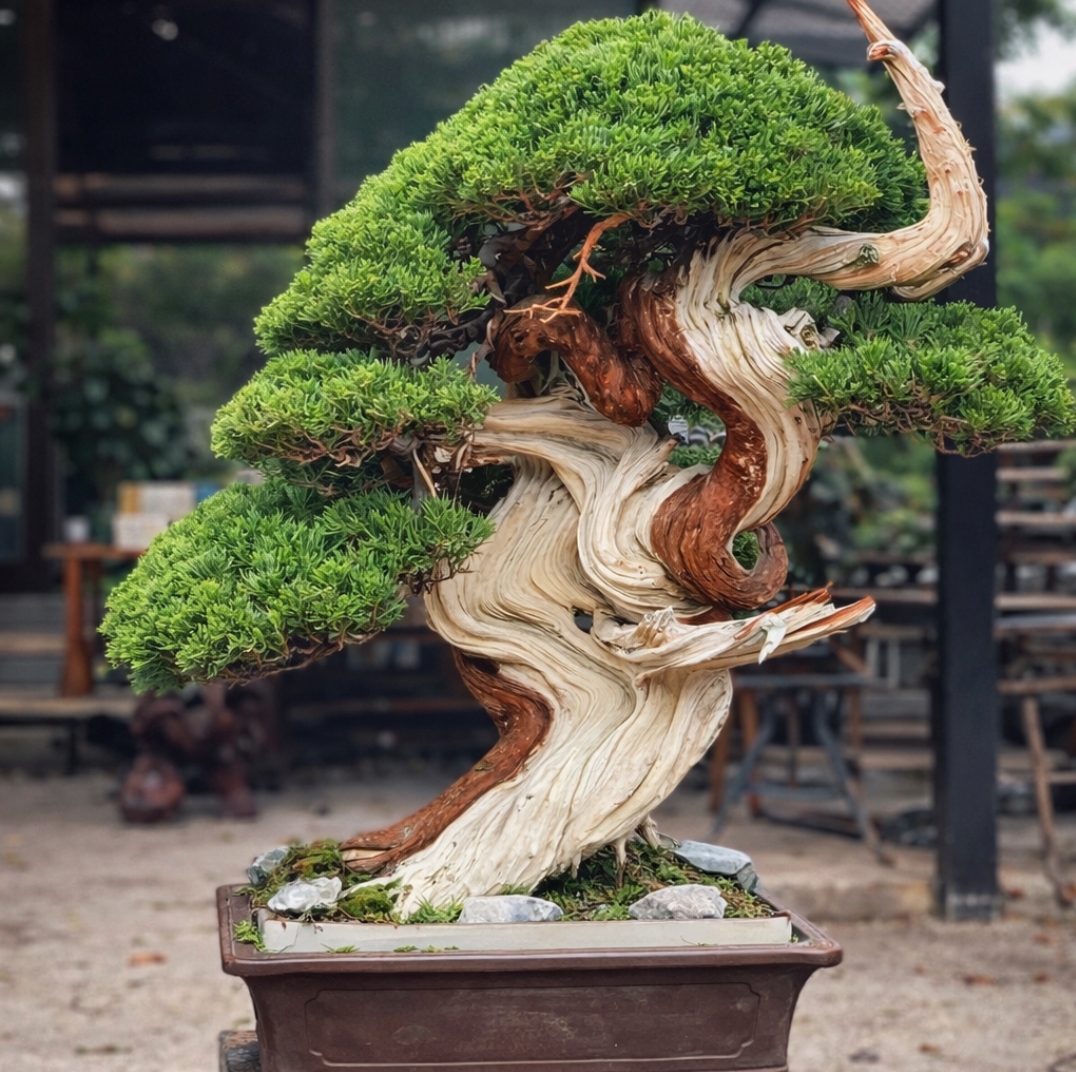
Bonsai artistry is a timeless practice that combines patience, creativity, and horticultural expertise. A skilled Bonsai artist transforms a simple tree into a living work of art, reflecting both nature and personal expression. This guide covers 20 best ways a Bonsai artist creates and shapes a tree from start to finish, ensuring your Bonsai thrives and looks stunning.
Table of Contents 👈 Tap Here
1. What is a Bonsai Tree?
A Bonsai tree is a miniature version of a full-sized tree, cultivated with meticulous care to mimic the natural shape and beauty of its larger counterpart. Bonsai is more than gardening; it is an art form that requires an understanding of tree biology, aesthetic balance, and patience. Each Bonsai tells a unique story through its design.
2. Essential Bonsai Tools Every Artist Needs
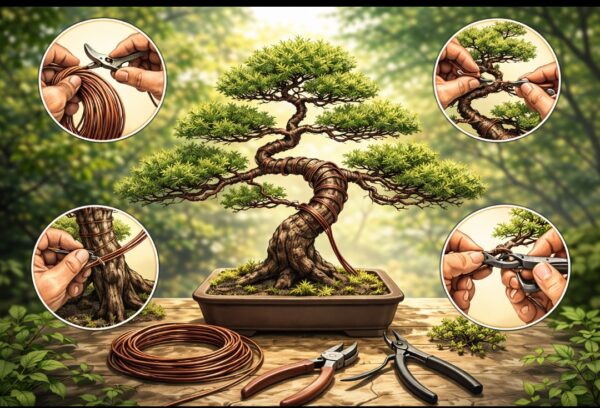
The right tools make all the difference in Bonsai creation. Basic tools include pruning shears, concave cutters, wire cutters, root rakes, and bonsai wire. High-quality tools ensure precise cuts and proper shaping. Every Bonsai artist must invest in durable tools to maintain both the health and beauty of their trees, minimizing damage while styling.
3. Choosing the Right Bonsai Species
Selecting the right species is crucial for successful Bonsai cultivation. Some trees, like Junipers and Ficus, adapt well to shaping and indoor conditions, while others thrive outdoors. Understanding the growth habits, leaf size, and resilience of each species allows the artist to plan styling and maintenance, ensuring the tree reaches its full aesthetic potential.
4. Understanding Bonsai Growth Patterns
Before shaping, a Bonsai artist studies the tree’s natural growth. Trunk thickness, branch direction, and leaf density dictate which techniques to apply. Observing how the tree responds to light, pruning, and wiring allows the artist to anticipate changes. This knowledge is essential for creating a balanced, visually appealing Bonsai over time.
5. Setting Goals for Your Bonsai Shape
Every Bonsai starts with a vision. Artists plan the final shape, style, and character before starting. Goals can include formal upright, slanting, cascade, or windswept styles. Clear objectives guide pruning, wiring, and trunk development, helping the Bonsai artist maintain consistency and create a tree that embodies harmony and natural beauty.
6. Drawing a Bonsai Sketch Before You Start
Sketching the design before touching the tree helps visualize the final outcome. A Bonsai artist outlines trunk curves, branch positions, and foliage density. Sketching reduces trial-and-error mistakes, saves time, and ensures a balanced composition. This step combines planning and creativity, providing a roadmap for shaping the tree efficiently.
7. Understanding the Natural Style of Bonsai
Bonsai artists study the natural style of trees in the wild. Observing wind patterns, branch growth, and seasonal changes inspires authentic design. This knowledge allows artists to replicate natural aesthetics while maintaining Bonsai proportions. By blending artistic vision with nature’s rules, the Bonsai appears realistic, harmonious, and timeless.
8. Potting the Bonsai Correctly
Proper potting is essential for stability and growth. The container must complement the tree’s style and size, allowing adequate drainage and root development. Bonsai artists carefully position roots and secure the tree, ensuring long-term health. Correct potting sets the foundation for all future shaping and styling efforts.
9. Trunk Shaping Techniques
The trunk defines the character of a Bonsai. Techniques like bending, carving, and gradual thickening help create visual interest. A thick, well-shaped trunk gives a sense of age and strength. Bonsai artists carefully balance structural modifications with tree health, applying patience and precision to achieve natural-looking results.
10. Branch Placement and Wiring
Branch positioning is critical for balance and aesthetics. Wiring allows artists to bend and direct branches into the desired shape. Proper placement enhances symmetry, creates focal points, and defines the tree’s style. Incorrect wiring can damage branches, so artists must carefully monitor tension and adjust as the tree grows.
11. Developing the Root Structure
Healthy roots are essential for Bonsai vitality. Techniques like root pruning, spreading, and air layering encourage robust root systems. A well-developed root structure supports trunk stability and nutrient absorption. Bonsai artists prioritize root care early to ensure the tree remains strong, healthy, and capable of sustaining intricate shaping over time.
12. Pruning for Shape and Health
Pruning removes unwanted growth and encourages desired shapes. It improves airflow, light penetration, and overall tree health. Bonsai artists selectively prune branches, leaves, and roots to maintain proportion and aesthetics. Consistent, thoughtful pruning is key to balancing artistic design with the tree’s natural vitality.
13. Wiring Branches for Design
Wiring is both an art and a science. Bonsai wire directs branches into elegant curves and positions, helping realize the planned design. Artists wrap branches carefully to avoid damage and check regularly to prevent wire scars. This technique allows precise shaping while guiding growth harmoniously.
14. Leaf Trimming Techniques
Trimming leaves controls size, density, and balance. Bonsai artists selectively cut foliage to enhance proportion and light exposure. Leaf trimming encourages back-budding, creating fuller trees and refined shapes. This step requires attention to timing, as improper trimming can stress the tree and hinder development.
15. Creating Movement and Flow
A dynamic Bonsai conveys natural motion. Artists design subtle curves, branch twists, and asymmetry to mimic wind-swept or flowing trees. Movement adds visual interest and tells a story. Carefully observing nature and applying shaping techniques ensures the Bonsai feels alive, vibrant, and balanced.
16. Watering and Fertilizing Tips
Proper watering and fertilization are critical for Bonsai health. Each species requires specific schedules and nutrient levels. Bonsai artists monitor soil moisture, seasonal growth, and fertilizer type to maintain strong, vibrant trees. Correct care ensures longevity, supports development, and enhances aesthetic appeal.
17. Pest and Disease Management
Healthy Bonsai trees resist pests and diseases. Regular inspection, clean tools, and proper care prevent infestations. When problems arise, artists use targeted treatments to protect the tree without compromising its design. Proactive management maintains Bonsai health, longevity, and beauty.
18. Seasonal Adjustments for Growth
Bonsai care varies by season. Pruning, watering, and sunlight requirements change throughout the year. Bonsai artists adjust techniques to align with seasonal cycles, ensuring consistent growth and vitality. Understanding seasonal patterns helps the tree flourish while maintaining its intended shape and structure.
19. Repotting and Soil Care
Repotting every 1–3 years prevents root binding and replenishes nutrients. Proper soil composition ensures drainage, aeration, and nutrient retention. Bonsai artists carefully prune roots, refresh soil, and replant to maintain tree health. This process supports long-term growth and preserves the tree’s artistic integrity.
20. Final Touches: Refining and Perfecting Your Bonsai
The last step is continuous refinement. Bonsai artists adjust branches, leaves, and trunk details, gradually perfecting the design. Patience and attention to detail are essential. Over time, these final touches create a polished, harmonious tree that reflects both artistic vision and expert horticultural skill.
Bonsai artistry is a journey of creativity, patience, and skill. By following these 20 best ways a Bonsai artist creates and shapes a tree from start to finish, anyone can cultivate a healthy, beautiful Bonsai that reflects nature and artistry. With dedication, practice, and attention to detail, your Bonsai will become a living masterpiece.