
Feel free to share!
Table of Contents 👈 Tap Here
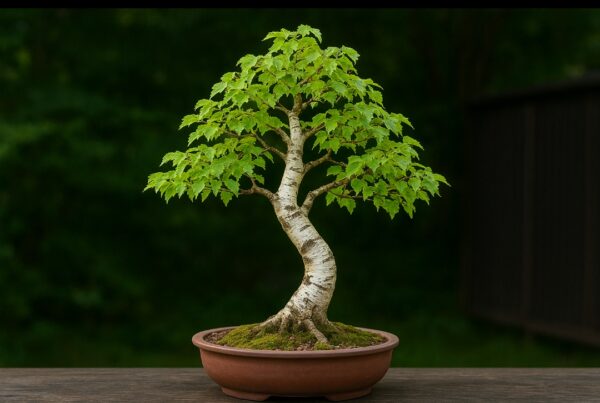
A Birch Tree Bonsai is a symbol of delicate beauty and serene elegance, captivating bonsai enthusiasts with its slender trunk and graceful leaves. Birch Tree Bonsai requires thoughtful care and gentle styling to maintain its natural charm while encouraging healthy growth. Its soft bark and fine foliage create a calming presence, making it a perfect addition to any indoor or outdoor garden space.
Learning the best techniques for shaping, pruning, and positioning ensures your birch bonsai develops harmoniously. This guide, “Birch Tree Bonsai: 20 Best Gentle Styling Ideas for Elegant Growth,” provides practical tips to enhance its aesthetic appeal. From subtle branch adjustments to seasonal care, these methods help your bonsai flourish beautifully while maintaining its elegant, natural form.
Understanding Birch Tree Bonsai
Birch bonsai trees are admired for their bright bark and soft foliage. Common types include Silver Birch, Paper Birch, and River Birch, each known for their resilience and charm. These trees thrive in cooler climates and respond well to careful shaping, producing a miniature version that looks just like its majestic forest counterpart.
Birch trees grow quickly and exhibit seasonal beauty—fresh green leaves in spring, deep shades in summer, and golden hues in autumn. Their natural flexibility and light bark make them ideal for bonsai artists who love creating elegant and graceful designs without heavy manipulation.
Preparing Your Birch Bonsai for Styling
Before shaping your Birch Tree Bonsai, choose a young, healthy sapling with a strong root base and straight trunk. Young trees are flexible and respond better to styling. Use a shallow pot with well-draining, slightly acidic soil to prevent root rot and promote steady growth. Birch trees thrive in bright sunlight, so position your bonsai in a sunny area with partial shade during the hottest part of the day.
Proper preparation ensures your bonsai remains stress-free and resilient during styling. Always hydrate the soil before pruning or wiring, as this keeps the branches supple and prevents damage during training sessions.
🌿 20 Best Gentle Styling Ideas for Elegant Growth
🌿 1. Soft Wiring Techniques
Use flexible aluminum wire to shape branches gently without damaging the birch’s thin bark. Avoid wrapping the wire too tightly, and always remove it before marks appear. This gentle approach keeps the tree’s natural charm intact while allowing subtle bends that enhance its elegant, graceful structure, giving your bonsai a naturally refined appearance.
✂️ 2. Clip-and-Grow Method
This low-stress technique allows your birch bonsai to develop naturally while maintaining its delicate charm. Trim the branches slightly and let new shoots grow in the desired direction. Over time, this controlled trimming shapes the tree organically, improving structure without wire. It’s perfect for encouraging balanced, healthy, and sustainable bonsai growth.
🌲 3. Single-Trunk Upright Style (Chokkan)
A timeless and balanced design, this style features a straight, elegant trunk with evenly spaced branches. It emphasizes the birch’s smooth bark and natural symmetry, making it ideal for beginners who want a clean, simple look. It’s both traditional and graceful, reflecting the quiet strength and beauty of nature in miniature form.
🌾 4. Informal Upright Style (Moyogi)
This style adds soft curves and movement to the trunk, mimicking how birch trees grow in the wild. The natural flow of the trunk and branches creates visual depth, making it look more dynamic and lifelike. Ideal for bonsai artists seeking natural charm, Moyogi enhances elegance through gentle, organic motion instead of rigid lines.
🪶 5. Literati Style (Bunjin)
Characterized by tall, slender trunks with minimal foliage, the Literati Style conveys poetic simplicity and artistic elegance. The sparse canopy draws attention to the tree’s smooth bark and refined silhouette. This minimalist approach celebrates beauty through restraint, giving your birch bonsai a meditative and timeless artistic appeal.
🌤️ 6. Natural Branch Layering
Branch layering helps create a balanced, tiered look that mimics natural forest trees. Develop each layer carefully so upper and lower branches complement each other. This method enhances depth and symmetry, producing a flowing, harmonious structure. The result is a bonsai that feels naturally balanced and visually calming, like a forest in miniature.
🍃 7. Selective Pruning
Selective pruning keeps your birch bonsai healthy and well-structured. Trim only weak, crossing, or overcrowded branches to improve airflow and light penetration. This careful maintenance strengthens new growth and helps form a balanced canopy. Regular, mindful pruning enhances vitality and ensures your bonsai maintains its natural shape and graceful balance.
🌼 8. Gentle Defoliation
Occasional partial defoliation encourages smaller, denser foliage for a refined appearance. Perform this during late spring or early summer when the tree is actively growing. Removing a few leaves allows better light distribution and promotes new shoots. This method supports healthy regrowth while preserving the birch’s delicate, natural leaf texture.
🌸 9. Wiring for Subtle Curves
Wiring is used to form soft, natural curves rather than sharp bends. Because birch wood is brittle, use thin aluminum wire and apply only light pressure. Patience is key—avoid forcing movement. Gradual shaping over time creates flowing lines that enhance your bonsai’s elegance and bring out its graceful, organic motion.
🌳 10. Nebari Exposure
Gradually expose the tree’s surface roots to highlight its natural strength and sense of age. A well-developed nebari adds stability and visual balance to your bonsai. This feature draws the eye and makes your birch appear deeply grounded in nature, creating a more mature and refined presentation.
🌱 11. Root Pruning for Health
During annual repotting, trim long or tangled roots to keep your bonsai compact and thriving. Root pruning encourages fine root growth, improving nutrient absorption and stability. Always perform this carefully to reduce stress. Healthy roots mean strong foliage and balanced growth, ensuring long-term vitality for your birch bonsai.
🪴 12. Surface Moss and Pebble Arrangement
Add moss and small pebbles around the soil surface to recreate a natural woodland setting. Moss helps retain soil moisture and prevents erosion, while pebbles add contrast and texture. Together, they create a beautiful miniature landscape that enhances your birch’s charm and provides a serene, forest-like atmosphere.
🍂 13. Seasonal Display Styling
Celebrate your birch bonsai’s beauty throughout the year—fresh green leaves in spring, golden tones in autumn, and smooth white bark in winter. Each season offers a different visual appeal, keeping your bonsai dynamic and engaging. Rotating displays with the seasons makes your tree a living work of art all year long.
🏺 14. Minimalist Pot Pairing
Choose a pot that complements your bonsai’s slender form and subtle grace. Neutral colors such as gray, beige, or white enhance the birch’s beauty without distraction. The pot should balance simplicity and proportion, ensuring focus remains on the tree’s natural lines and delicate leaves for a harmonious overall display.
💧 15. Waterfall Cascade Styling (Kengai)
The waterfall or cascade style creates a dramatic downward flow resembling trees growing over cliffs. Shape branches carefully so they extend below the pot’s rim, creating motion and elegance. This style showcases creativity and patience, giving your birch bonsai a sense of power and poetic beauty inspired by nature’s extremes.
🌿 16. Twin-Trunk Formation (Sokan)
Encouraging two trunks from a single root system symbolizes harmony and connection. Each trunk complements the other in balance and proportion. Over time, the pair represents unity and maturity, offering a visually calming and symbolic design perfect for reflecting nature’s beauty in dual form.
💨 17. Wind-Swept Style (Fukinagashi)
Shape all branches in one direction to imitate years of wind influence. This style expresses movement and endurance, capturing the spirit of survival against natural forces. The resulting dynamic silhouette tells a story of strength and elegance, giving your birch bonsai a living sense of motion.
🌲 18. Forest Group Planting (Yose-ue)
Plant several birch saplings together in one pot to form a miniature forest. Vary the spacing and height for natural realism. This style creates depth, serenity, and balance—perfect for those who love woodland scenes. The grouping symbolizes unity, peace, and the quiet beauty of untouched nature.
🪵 19. Hollow Trunk Design
Over the years, a hollow trunk can form naturally or through careful carving to simulate age. This feature adds depth and character, creating an aged look that tells a story of resilience. When crafted with care, it enhances the tree’s realism and gives your bonsai a wise, ancient appearance.
🍁 20. Gentle Seasonal Maintenance
Trim lightly during the growing season to shape and encourage balanced development. In winter dormancy, clean the bark and remove dead leaves to keep your bonsai tidy. Consistent care throughout the year ensures vibrant color, healthy foliage, and the long-lasting radiance that defines a well-maintained birch bonsai.
🧤 Maintenance & Aftercare
Consistent care ensures your birch bonsai remains vibrant and healthy. Water regularly to keep the soil slightly moist, never allowing it to dry out completely. Feed your tree with a mild, balanced fertilizer during spring and summer to support steady growth. Prune lightly to maintain its natural shape, and protect it from frost in winter by sheltering it appropriately.
⚠️ Common Mistakes to Avoid
Avoid over-wiring fragile branches, as birch bark scars easily. Never prune too heavily in one season, as this can weaken regrowth. Keep soil consistently moist to prevent root stress, and protect your tree from harsh summer sunlight or extreme heat. Gentle, steady care is key to maintaining your birch bonsai’s long-term health and refined elegance.
🌸 Conclusion
Styling a Birch Tree Bonsai is an art of patience, balance, and gentle touch. With proper care and soft techniques, your bonsai will reflect nature’s grace in miniature form. Take time to observe its rhythm, nurture it with love, and enjoy the peaceful elegance that only a beautifully styled birch bonsai can offer.
FAQs on Birches Tree Bonsai Care
1. How often should I water my Birches tree bonsai?
Watering a Birches tree bonsai depends on the season, soil, and humidity. Generally, water it when the topsoil feels slightly dry to the touch. Overwatering can cause root rot, while underwatering may dry out the tree. Ensure water penetrates the soil evenly, allowing proper absorption, and adjust frequency during hot summer or cold winter months.
2. What type of soil is best for Birches tree bonsai?
A well-draining, fertile soil is ideal for Birches tree bonsai care. A mix of akadama, pumice, and lava rock or organic compost ensures sufficient aeration, moisture retention, and nutrient supply. Proper soil prevents waterlogging and promotes strong root growth. Avoid heavy clay soils as they may suffocate the roots and hinder the bonsai’s overall health.
3. How much sunlight does a Birches tree bonsai need?
Birches tree bonsai thrives in bright, indirect sunlight. It can tolerate some direct sunlight, especially during morning hours, but prolonged exposure to intense afternoon sun may scorch the leaves. Place your bonsai in a location where it receives at least 4–6 hours of light daily, adjusting based on season and indoor or outdoor placement.
4. How do I prune a Birches tree bonsai?
Pruning is essential to maintain shape and encourage healthy growth. Trim back new shoots during the growing season to retain the desired silhouette. Remove dead or weak branches regularly. Use sharp, clean tools to prevent infections. Combine structural pruning with foliage pruning carefully, ensuring the bonsai maintains its natural, elegant appearance.
5. How often should I fertilize my Birches tree bonsai?
Fertilize your Birches tree bonsai every 4–6 weeks during the active growing season, typically spring through early autumn. Use a balanced, water-soluble fertilizer with essential nutrients like nitrogen, phosphorus, and potassium. Reduce or stop fertilization in winter when growth slows. Proper fertilization supports leaf development, root health, and overall vitality.
6. Can Birches tree bonsai survive indoors?
Yes, but it requires careful attention. Place it near a bright window with indirect sunlight and ensure sufficient airflow. Indoor environments often have lower humidity, so misting or using a humidity tray can help. Monitor temperature fluctuations, especially near heaters or air conditioners, as extreme conditions can stress the tree and affect its growth.
7. How do I repot a Birches tree bonsai?
Repotting should be done every 2–3 years in early spring before new growth begins. Gently remove the tree from its pot, prune overgrown or damaged roots, and replace the soil with a fresh, well-draining mix. Avoid over-pruning roots as it may shock the tree. Repotting ensures healthy root development and nutrient uptake.
8. How do I protect my Birches tree bonsai from pests?
Scale insects, spider mites, and aphids are common pests. Check for infestation symptoms on a regular basis on the leaves and stems. Utilise neem oil, insecticidal soap, or gentle pesticides to control pests. Maintaining proper watering, pruning, and cleanliness around the bonsai reduces susceptibility to infestations and keeps the tree healthy and vibrant.
9. Can I propagate a Birches tree bonsai?
Yes, Birches tree bonsai can be propagated through seeds, cuttings, or layering. Cuttings should be taken in early spring from healthy branches and rooted in a well-draining soil mix. Patience is essential, as young saplings take time to develop into a bonsai suitable for styling. Proper care during propagation ensures strong, resilient growth.
10. How do I prevent leaf drop in my Birches tree bonsai?
Leaf drop can result from sudden environmental changes, overwatering, or pest issues. Keep the bonsai in stable conditions with adequate light, water, and humidity. Avoid sudden temperature fluctuations and drafts. Regularly inspect for pests and diseases. Healthy pruning and proper fertilization also support leaf retention and overall tree vitality.
11. What is the ideal temperature for a Birches tree bonsai?
Birches tree bonsai prefers temperate climates. Daytime temperatures between 60–75°F (15–24°C) and slightly cooler nights are ideal. Protect the tree from extreme heat, frost, or sudden temperature changes. In colder regions, consider outdoor placement during mild seasons and sheltering the bonsai during freezing temperatures to ensure survival and healthy growth.
12. How do I shape a Birches tree bonsai?
Shaping involves pruning, wiring, and guiding branch growth. Use thin bonsai wire to gently bend branches without causing damage. Regularly trim new growth to maintain balance and the desired silhouette. The key is patience, as shaping is gradual and should enhance the tree’s natural elegance while keeping the overall structure healthy.
13. How do I maintain the bark and trunk of a Birches tree bonsai?
Birches bonsai has smooth, attractive bark that requires care. Avoid harsh chemicals and overwatering that can damage the bark. Lightly cleaning with a soft brush or damp cloth removes dust. Exposing the trunk to indirect sunlight promotes natural color and texture. Proper pruning and overall tree health contribute to maintaining a visually appealing trunk.
14. Can I grow a Birches tree bonsai from seeds?
Yes, growing from seeds is possible but requires patience. Soak seeds in cold water for 24 hours and stratify them in a refrigerator for 6–8 weeks to encourage germination. Plant them in well-draining soil, keep moist, and provide bright, indirect light. Seed-grown bonsais take several years to mature into a tree suitable for styling.
15. What common mistakes should I avoid in Birches tree bonsai care?
Common mistakes include overwatering, insufficient light, neglecting pruning, and using poor soil. Avoid placing the bonsai in drafty or extreme temperature areas. Over-fertilization or ignoring pests can also harm the tree. Consistent, gentle care with attention to watering, sunlight, soil, and pruning ensures a thriving, beautiful Birches tree bonsai for years.