
Feel free to share!
Basil is a favorite herb in kitchens around the world, prized for its fresh aroma, vibrant flavor, and ease of use in countless recipes. Whether you’re a seasoned gardener or just starting out, growing basil can be a rewarding experience. Basil Seeds are the first step to cultivating strong, healthy plants, but beginners often face challenges like poor germination or weak seedlings. Understanding the right techniques from the very start can make all the difference in your garden’s success.
Table of Contents 👈 Tap Here
In this guide, we’ll reveal 20 of the best growing tricks specifically designed for beginners. From preparing the soil and choosing the right containers to proper watering and sunlight exposure, these tips cover everything you need to know to grow basil successfully. By following these expert tricks, you’ll not only enjoy a thriving herb garden but also experience the satisfaction of harvesting fresh, aromatic basil right at home.
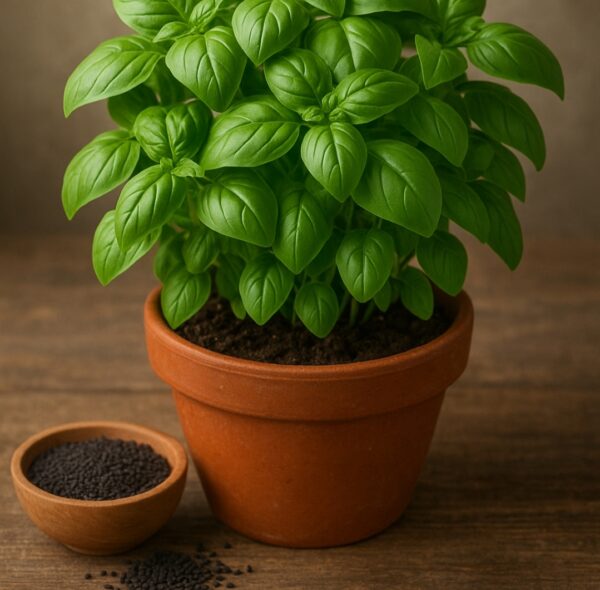
1. Choose the Right Basil Seed Variety
Different basil varieties have unique flavors, growth habits, and purposes. Sweet basil is perfect for cooking, holy basil is used for medicinal purposes, and Thai or lemon basil adds exotic flavors to dishes. Choosing the right variety is essential because it determines plant size, taste, and growth rate.
Tip: Start with sweet basil if you are a beginner—it’s forgiving and easy to manage.
2. Check Seed Quality Before Planting
For seeds to germinate and grow healthily, high quality is essential. Compared to older or chemically treated seeds, fresh, organic seeds typically sprout more quickly. Make sure seeds are kept in a cool, dry location and always check the expiration date. High-quality seeds decrease early plant loss and increase the likelihood of a successful basil crop.
Tip: Purchase seeds from trusted nurseries or reputable online stores for guaranteed quality.
3. Use Well-Draining Soil Mix
Basil thrives in nutrient-rich, well-draining soil. Compacted soil or heavy clay can retain water, causing root rot. Mixing garden soil with compost or perlite improves aeration, drainage, and fertility, creating the perfect environment for basil seedlings to grow strong and healthy. Proper soil ensures roots can spread easily.
Tip: A 50/50 mixture of garden soil and compost works well for pots or garden beds.
4. Soak Basil Seeds Before Sowing
Soaking basil seeds for 8–12 hours softens their outer shell, improving water absorption and speeding up germination. This simple step is particularly useful for older seeds or dry climates. It ensures more seeds sprout successfully and reduces the risk of failed germination, giving beginners a better start.
Tip: Use lukewarm water and plant the seeds immediately after soaking for best results.
5. Select the Perfect Pot or Container
Containers must have adequate depth (at least 6 inches) and proper drainage holes. A wide pot prevents overcrowding, allowing multiple seedlings to develop roots comfortably. Using the right container ensures healthy root growth, better water retention, and easier maintenance of young plants.
Tip: Clay or terracotta pots are ideal because they prevent waterlogging while keeping soil moist.
6. Plant Seeds at the Right Depth
Sow basil seeds about ¼ inch deep in soil. Planting too deep slows germination, while shallow planting can dry out the seeds. Correct depth allows seeds to absorb water efficiently and sprout evenly. Paying attention to this detail improves success rates and produces healthy seedlings.
Tip: Lightly cover seeds with soil and mist gently to maintain consistent moisture.
7. Maintain Ideal Temperature for Germination
Basil seeds germinate best at 20–25°C (68–77°F). Cooler temperatures slow down sprouting, while extreme heat may damage seeds. Maintaining warmth encourages uniform germination and strong initial growth, which is especially important for beginners growing basil indoors or in variable climates.
Tip: Indoors, place seed trays on a warm windowsill or use a seed heating mat to maintain consistent warmth.
8. Provide Consistent Moisture Without Overwatering
Seeds need consistently damp soil to sprout, but overwatering can cause rot or fungal issues. Mist soil lightly or use a plastic dome to retain humidity until seedlings appear. Proper watering ensures healthy roots and improves germination success for young plants.
Tip: Water from the bottom when possible to avoid washing away seeds and damaging delicate seedlings.
9. Ensure Adequate Sunlight (6–8 Hours Daily)
Basil plants require 6–8 hours of sunlight daily to develop strong stems, lush leaves, and rich flavors. Insufficient light results in leggy growth and weak plants. Place outdoor pots in full sun or indoor seedlings near a south-facing window for optimal results.
Tip: Rotate indoor pots regularly to ensure even light distribution and balanced growth.
10. Use Grow Lights if Growing Indoors
If natural sunlight is limited, supplement with LED grow lights for 12–16 hours daily. Grow lights compensate for weak sunlight, prevent stretching of seedlings, and maintain vibrant green leaves. Proper artificial light helps basil grow strong indoors, making it ideal for beginners in apartments or shaded areas.
Tip: Keep lights 2–3 inches above seedlings and adjust as they grow.
11. Thin Out Seedlings to Avoid Crowding
Once seedlings have 2–3 sets of true leaves, thin them by removing weaker sprouts. Crowded seedlings compete for light, water, and nutrients, leading to weaker plants and lower yields. Thinning improves air circulation and promotes healthier, bushier growth.
Tip: Keep the strongest 2–3 seedlings per pot for optimal results and remove the weaker ones carefully.
12. Fertilize Sparingly with Organic Options
Basil benefits from light, organic feeding rather than chemical fertilizers. Over-fertilization can harm roots and reduce flavor quality. Use compost tea, liquid seaweed, or balanced organic fertilizer every 2–3 weeks to provide nutrients without damaging seedlings.
Tip: Avoid overfeeding; basil grows well with minimal intervention once established.
13. Watch Out for Common Pests
Aphids, spider mites, and whiteflies often target basil plants. Inspect leaves regularly to detect early infestations. Organic pest control, such as neem oil or insecticidal soap, can manage pests without harming plants or humans.
Tip: Encourage beneficial insects like ladybugs or lacewings to naturally protect your basil.
14. Pinch and Prune Regularly
Pinching the top leaves prevents early flowering, promotes bushier growth, and ensures continuous leaf production. Regular pruning improves airflow and reduces the risk of diseases while encouraging fuller, healthier plants.
Tip: Always pinch above a leaf node to stimulate branching and maximize yield.
15. Harvest Leaves the Right Way
Harvest basil in the morning when essential oils are at their peak. Avoid removing more than one-third of the plant at a time, which ensures continuous growth. Proper harvesting helps maintain plant health and produces flavorful leaves for cooking.
Tip: Use sharp scissors or hands to snip leaves cleanly and avoid damaging stems.
16. Save Seeds for the Next Season
Mature basil plants produce seeds that can be harvested and stored for future planting. Proper drying and storage ensure viability. This allows beginners to create a sustainable supply of seeds without purchasing new ones each season.
Tip: Label each batch with variety and collection date for easy identification.
17. Companion Planting with Basil
Basil grows well alongside tomatoes, peppers, and oregano. Companion planting can improve growth, repel pests, and enhance the flavor of surrounding plants. Understanding compatible plants helps beginners create a productive, low-maintenance garden.
Tip: Avoid planting basil near sage or rue, which compete for nutrients and space.
18. Protect Plants from Harsh Weather
Basil is sensitive to extreme heat, frost, or strong winds. Use shade cloths during hot weather or cover plants during cold snaps. Protecting plants ensures survival and uninterrupted growth, especially during unpredictable weather conditions.
Tip: Lightweight row covers or fabric shields work well to safeguard young plants outdoors.
19. Use Mulch to Retain Moisture
Mulching reduces water evaporation, maintains soil temperature, and suppresses weeds. Organic mulches like straw or shredded leaves provide nutrients as they decompose, improving soil quality and supporting healthy basil growth.
Tip: Keep mulch a few inches away from the stem to avoid stem rot and disease.
20. Troubleshooting Common Growing Problems
Yellowing leaves, slow growth, or poor germination are typical issues for beginners. These problems usually arise from overwatering, nutrient deficiency, or insufficient sunlight. Identifying the cause early ensures effective solutions and a healthy harvest.
Tip: Check soil regularly, adjust watering habits, and monitor light exposure to correct common issues.
Conclusion
Growing basil seeds is rewarding when beginners follow these 20 best growing tricks. With proper care, anyone can enjoy aromatic, flavorful basil for cooking, herbal remedies, or ornamental purposes. Start small, stay consistent, and your basil plants will flourish, offering fresh herbs all season long.
FAQs on Basil Seeds
1. What are Basil Seeds and why are they popular?
Basil Seeds are tiny black seeds that come from the sweet basil plant, widely used for culinary and medicinal purposes. They are popular because they are easy to grow, packed with nutrients, and can be used in drinks, desserts, and salads. Growing Basil Seeds at home is a simple way to enjoy fresh basil anytime.
2. How do I plant Basil Seeds successfully?
To plant Basil Seeds successfully, soak them in water for a few hours first, then plant them in nutrient-rich soil. Ensure the soil is moist and receives adequate sunlight. With regular watering and proper care, Basil Seeds will germinate in 5–10 days, giving you a healthy start for strong, flavorful basil plants.
3 . How long does it take for basil seeds to sprout?
Basil Seeds usually take between 5 to 10 days to germinate, depending on temperature and soil conditions. Warm, sunny spots accelerate germination, while cooler conditions may slow it down. Keeping the soil consistently moist ensures the Basil Seeds sprout quickly and develop strong seedlings that are ready for transplanting.
4. Can Basil Seeds grow indoors?
Yes, Basil Seeds can grow indoors as long as they receive sufficient sunlight or artificial light. Place them near a south-facing window or under grow lights, and keep the soil moist but not soggy. Growing Basil Seeds indoors allows you to enjoy fresh basil year-round, even if outdoor conditions are unfavorable.
5. What type of soil is best for Basil Seeds?
Basil Seeds thrive in well-draining, nutrient-rich soil. A mix of compost, garden soil, and sand works well. Proper soil ensures good root development and healthy growth. Avoid heavy or waterlogged soil, as it can rot the Basil Seeds and prevent seedlings from establishing properly.
6. How often should I water Basil Seeds?
Basil Seeds require consistently moist soil for optimal growth, but overwatering can harm them. Water gently whenever the soil feels slightly dry to the touch. Proper watering helps the Basil Seeds germinate faster and supports strong seedlings, ensuring that your plants develop healthy roots and vibrant leaves.
7. Can I grow Basil Seeds from store-bought basil leaves?
No, Basil Seeds cannot grow from store-bought basil leaves. They require seeds from mature basil plants to germinate. Collecting seeds from a flowering basil plant or purchasing fresh Basil Seeds from a trusted supplier ensures successful growth and avoids wasting effort on leaves that won’t produce new plants.
8. How do I store Basil Seeds for future use?
Basil Seeds should be stored in a cool, dry place in an airtight container to maintain viability. Proper storage extends their shelf life for up to 2–3 years. Avoid exposure to sunlight or moisture, as it can reduce germination rates. Well-stored Basil Seeds ensure successful planting whenever needed.
9. Are Basil Seeds edible and safe to consume?
Yes, Basil Seeds are edible and safe for most people when consumed in moderation. They are commonly soaked in water to form a gel-like texture and added to drinks or desserts. Eating Basil Seeds provides fiber, antioxidants, and other nutrients, making them a healthy addition to your diet.
10. Can Basil Seeds be used in drinks and desserts?
Absolutely! Basil Seeds swell when soaked in water, creating a jelly-like texture perfect for beverages and desserts. They are commonly used in smoothies, lemonade, falooda, and other sweet or refreshing treats. Incorporating Basil Seeds in your recipes not only enhances texture but also adds nutritional benefits.
11. Do Basil Seeds need fertilizer to grow?
While Basil Seeds can germinate in basic soil, adding a balanced fertilizer promotes stronger growth and healthier leaves. Organic compost or liquid plant food works well. Fertilizing Basil Seeds at the seedling stage ensures that the plants develop robust stems, rich aroma, and flavorful leaves for culinary use.
12. How do I prevent pests when growing Basil Seeds?
To prevent pests, monitor Basil Seeds regularly for aphids, slugs, and fungal infections. Use organic pest control methods, such as neem oil or insecticidal soap. Maintaining proper spacing and good air circulation around Basil Seeds reduces the likelihood of infestation and ensures healthy, thriving plants.
13. Can Basil Seeds grow in pots or containers?
Yes, Basil Seeds grow well in pots or containers with good drainage. Container gardening allows you to control soil quality, sunlight, and water. Using a medium-sized pot ensures the Basil Seeds have enough space for roots to develop, producing healthy plants that are perfect for indoor or balcony gardening.
14. How do I harvest basil from Basil Seeds?
Once the basil plant matures, you can harvest leaves by snipping the top stems regularly. Frequent harvesting encourages bushier growth and prevents flowering, which can reduce leaf flavor. Starting from Basil Seeds ensures a continuous supply of fresh basil leaves for cooking, teas, and garnishes throughout the season.
15. Can Basil Seeds be grown year-round?
Basil Seeds can be grown year-round indoors or in climates that remain warm. Using grow lights or maintaining a warm environment ensures continuous growth. Proper care, including watering, sunlight, and occasional fertilization, allows you to enjoy fresh basil from Basil Seeds throughout the year, regardless of outdoor weather conditions.