
Feel free to share!
Table of Contents 👈 Tap Here
Orchids are among the most elegant and captivating flowers, but getting them to bloom consistently can be a challenge for many plant enthusiasts. If you’re eager to grow orchid spike and enjoy those stunning blossoms more frequently, understanding the right care techniques is essential. With the right approach, patience, and a few insider tips, you can encourage your orchids to produce healthy, vibrant spikes that will brighten any space.
In this guide, we’ve compiled the 20 best secrets to flowering orchids fast, designed to help both beginners and experienced growers. From optimizing light and temperature to perfecting watering and fertilization routines, these strategies will give your orchids the boost they need to bloom beautifully and reliably, turning your home into a mini orchid paradise.
Understanding Orchid Spikes
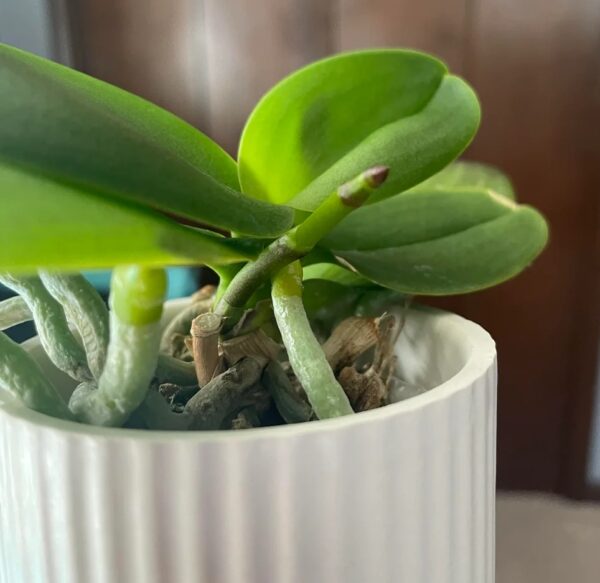
1. What is an orchid spike?
An orchid spike is a flowering stem that emerges from the base or nodes of the plant, eventually producing buds that develop into flowers. Unlike regular leaf growth, spikes require specific conditions, signaling that the orchid is ready to invest energy into reproduction and flowering.
2. Difference between vegetative growth and flower spikes
Vegetative growth refers to leaves and roots, which are crucial for survival and energy storage. Flower spikes, on the other hand, are reproductive structures. Encouraging spikes involves balancing nutrition, light, and temperature, ensuring the plant prioritizes blooming without compromising its overall health or root system.
3. Common types of orchids that bloom quickly
Phalaenopsis orchids are widely recognized as beginner-friendly bloomers, often producing spikes within a few months under the right conditions. Dendrobiums and cattleyas may require stricter environmental adjustments. Knowing your orchid type allows you to provide targeted care for faster, reliable flowering and better spike development.
Environment Optimization
A healthy environment is key to successful spike growth and robust blooms.
4. Light requirements for flower induction
Orchids need bright, indirect sunlight for proper spike formation. Too little light will delay blooming, while direct sunlight can burn leaves. Optimal light ensures photosynthesis produces enough energy to support spike growth, encouraging the plant to focus resources on flowering rather than just leaf or root expansion.
5. Temperature control for spike initiation
Temperature plays a crucial role in initiating spikes. Many orchids, like Phalaenopsis, respond to a slight drop in night temperatures, simulating seasonal changes in their native habitat. Maintaining daytime warmth while allowing cooler nights signals the orchid to start producing a flower spike, optimizing its chances for a healthy, long-lasting bloom.
6. Humidity and air circulation tips
Orchids thrive in moderate to high humidity levels, ideally between 50–70%. Good air circulation prevents fungal and bacterial growth while reducing stress on the plant. Consistent humidity combined with airflow encourages the plant to develop strong spikes and healthy buds, ensuring the flowers reach full potential without premature drop or damage.
7. Choosing the right pot and medium
Orchids require well-draining mediums, such as bark, moss, or specialized orchid mixes. The right pot allows roots to breathe and prevents waterlogging, which can stress the plant. Healthy roots are essential for spike growth because they transport water and nutrients efficiently, providing the energy the orchid needs to focus on flowering rather than survival.
Watering and Fertilization
Proper nutrition and watering directly influence spike formation and flowering success.
8. Proper watering techniques for orchids
Overwatering is a common mistake that prevents spike initiation. Orchids prefer to dry slightly between waterings, which encourages root growth and energy storage. Consistent yet careful watering ensures the plant remains healthy while directing sufficient resources toward developing spikes, rather than struggling with root rot or stress.
9. Timing and type of fertilizers
Bloom-boosting fertilizers, rich in phosphorus and potassium, are ideal during spike formation. Regular feeding every two weeks ensures the plant has the energy to develop strong spikes and fully formed buds. Avoid excessive nitrogen, which promotes leaf growth at the expense of flower development.
10. Role of phosphorus and potassium in flowering
Phosphorus strengthens roots and supports spike initiation, while potassium improves overall bud quality and flower longevity. Balanced application of these nutrients during the spike phase maximizes the plant’s reproductive output. Proper nutrient management ensures the orchid produces spikes efficiently without compromising plant health or leaf quality.
11. Avoiding overfeeding and underfeeding
Both overfertilization and underfeeding can hinder spike development. Too much fertilizer can burn roots and damage leaves, while too little delays flowering. Observing your orchid’s growth patterns and adjusting fertilizer dosage ensures the plant has just the right amount of nutrients to promote spikes safely and efficiently.
Stimulating Flower Spikes
Specific techniques can actively encourage orchid spike development.
12. Encouraging spikes through temperature shocks
A short-term drop in nighttime temperatures can mimic seasonal cues that trigger spike growth. For example, exposing orchids to slightly cooler nights for two to three weeks can stimulate hormonal changes within the plant, signaling it to prioritize flower spike production while maintaining overall health.
13. Using growth hormones or natural stimulants
Growth hormones such as gibberellic acid (GA3) can promote flower spike initiation when used carefully. These substances influence the plant’s internal signaling, accelerating spike formation. Natural alternatives, like seaweed extract, also enhance plant vigor and flowering potential, offering safer options for home growers.
14. Pruning old or dead leaves
Removing damaged or yellowing leaves helps orchids redirect energy toward spikes and flower buds. This pruning prevents the plant from wasting resources on non-productive areas, ensuring maximum energy allocation to spike growth and enhancing overall bloom quality.
15. Repotting tips to reduce stress and stimulate blooms
Repotting orchids in fresh medium during early growth stages encourages root health and indirectly stimulates spikes. A healthy root system ensures better nutrient and water uptake, giving the plant the energy needed to develop strong, vibrant flower spikes while reducing stress-related delays in flowering.
Ongoing Care During Flowering
Once spikes emerge, careful attention ensures healthy flowers and long-lasting blooms.
16. Supporting long-lasting spikes with proper staking
As spikes grow, they can become heavy and prone to bending or breaking. Supporting them with stakes or clips prevents damage, keeps flowers upright, and promotes uniform bloom development. Proper support ensures spikes can mature fully and flowers open beautifully without mechanical stress.
17. Pest and disease prevention
Spikes and buds are sensitive to pests and fungal infections. Mealybugs, scale, or mold can weaken spikes and reduce bloom quality. Regular inspection, gentle cleaning, and maintaining proper humidity and airflow prevent infestations, protecting both spike development and overall plant health.
18. Maintaining consistent light and humidity
Sudden changes in environmental conditions can cause spikes to stop growing or buds to drop prematurely. Consistent light and humidity levels stabilize the plant, supporting uninterrupted spike growth and maximizing flower development for healthier, longer-lasting blooms.
19. Avoiding stress during the flowering period
Stress from moving the plant, overwatering, or environmental fluctuations can cause spikes to abort or buds to fall. Keeping orchids stable, calm, and properly maintained ensures that spikes reach full length and all buds bloom, delivering the beautiful display gardeners desire.
Extra Tips & Advanced Secrets
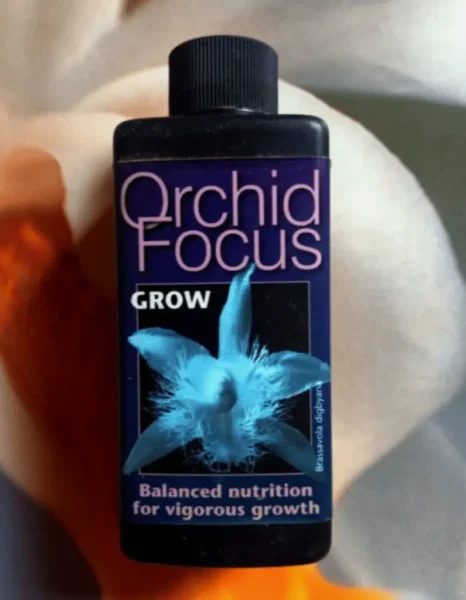
For roots to grow faster
20. Lesser-known techniques for faster flowering
Advanced methods, like short-term exposure to cooler nights or using beneficial fungi, can improve spike formation. Timing fertilizer applications with new spike emergence enhances energy allocation, while companion plants may optimize microclimates. These techniques accelerate flowering and improve bloom quality when combined with consistent basic care practices.
Conclusion
Flowering orchids successfully requires a mix of patience, observation, and precise care. By optimizing environmental conditions, managing water and nutrients, and following these 20 expert secrets, you can encourage faster spike development and enjoy vibrant blooms. Every orchid is unique, so adjusting care to its specific needs ensures the healthiest spikes and the most stunning flowers possible.
FAQS
How can I grow orchid spike successfully?
To grow orchid spike, provide consistent care including proper light, humidity, and watering. Fertilize regularly with orchid-specific fertilizer and avoid sudden temperature changes. Paying attention to these conditions helps your plant grow orchid spike naturally, producing long-lasting, beautiful blooms that will enhance any space and make orchid care more rewarding.
2. What is the best time to grow orchid spike?
The optimal time to grow orchid spike is during the orchid’s active growing season, usually spring or early summer. During this period, the plant has enough energy to form spikes. By ensuring adequate light, temperature, and humidity, you can encourage your orchid to grow orchid spike efficiently and enjoy a more frequent flowering cycle.
3. How often should I water to grow orchid spike?
To grow orchid spike, water your orchid carefully, avoiding overwatering or letting roots dry completely. The medium should remain slightly moist, and proper drainage is essential. Correct watering practices help the plant thrive and grow orchid spike healthy and strong, ensuring the flower spikes develop fully and produce long-lasting blooms.
4. Does fertilizer help to grow orchid spike faster?
Yes, using the right fertilizer is crucial to grow orchid spike. A balanced orchid fertilizer applied every two weeks encourages spike growth. Fertilizer gives the plant the nutrients it needs to grow orchid spike robustly, supporting vibrant, long-lasting flowers. Consistent feeding ensures healthy development of spikes and overall orchid vitality.
5. Can light affect my ability to grow orchid spike?
Absolutely. Orchids need bright, indirect light to grow orchid spike. Insufficient light slows spike formation, while excessive direct light can damage leaves. By providing the right amount of light, you can help your orchid grow orchid spike naturally, leading to strong stems, healthy leaves, and more spectacular blooms throughout the flowering season.
6. How long does it take to grow orchid spike?
The time it takes to grow orchid spike depends on species, age, and care. Typically, spikes can appear within a few weeks to several months. By maintaining proper water, light, and fertilizer routines, you can support your orchid to grow orchid spike steadily, resulting in healthy flowers that last longer and look more vibrant.
7. Can temperature changes impact my ability to grow orchid spike?
Yes, temperature fluctuations play a key role in your ability to grow orchid spike. Orchids often need cooler nights to trigger spike growth. Maintaining a stable environment with slight day-night temperature differences encourages the plant to grow orchid spike efficiently, producing strong, healthy flowers without unnecessary stress.
8. Should I trim old spikes to grow orchid spike?
Trimming old or dried spikes can help your orchid grow orchid spike more effectively. Removing old spikes prevents wasted energy and allows the plant to redirect nutrients to new spike formation. Regular care, including trimming, ensures your orchid can grow orchid spike stronger and bloom more frequently.
9. How does humidity help grow orchid spike?
Maintaining proper humidity is essential to grow orchid spike. Orchids thrive in moderately humid conditions, which support healthy root function and spike development. Low humidity can slow growth, while high humidity encourages disease. By controlling moisture in the air, you can help your orchid grow orchid spike optimally and produce vibrant, long-lasting flowers.
10. Can repotting affect my ability to grow orchid spike?
Yes, repotting can influence your orchid’s ability to grow orchid spike. Using fresh, well-draining orchid media gives roots room to expand and access nutrients efficiently. A healthy root system allows the plant to grow orchid spike naturally, supporting stronger stems and more abundant blooms. Proper timing and gentle handling during repotting are key.