
Feel free to share!
Poinsettias are iconic holiday plants, celebrated for their vibrant red and green leaves that bring festive cheer to any space. Proper poinsettia care ensures these beautiful plants thrive year after year, producing healthy foliage and bright bracts. From soil selection to pruning and fertilizing, this comprehensive guide covers 20 expert practices that help your poinsettias stay lush, healthy, and full of color throughout the holiday season and beyond.
Table of Contents 👈 Tap Here
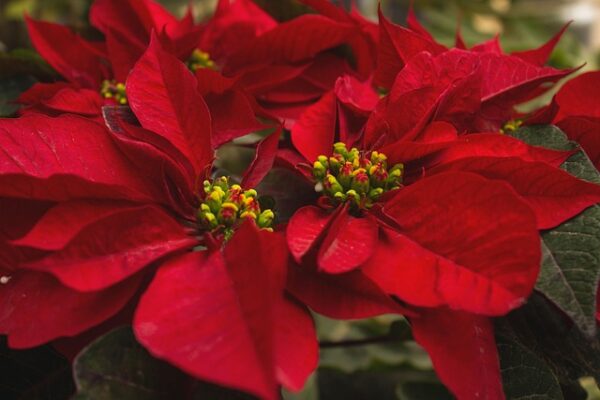
1. Choosing the Right Poinsettia
Selecting a healthy poinsettia at the nursery is the first step toward long-lasting blooms. Look for plants with strong, upright stems, vibrant green leaves, and bracts without discoloration or damage. Avoid yellowing or drooping leaves, which may indicate stress or poor care. Picking the right plant from the start ensures a solid foundation for growth and minimizes future maintenance problems.
2. Soil Requirements
Poinsettias thrive in well-draining, slightly acidic soil with a pH between 5.5 and 6.5. Using garden soil is not recommended, as it can compact easily, leading to root rot. Instead, choose a potting mix rich in organic matter, which provides essential nutrients and allows roots to breathe. Proper soil ensures strong root development, promoting both vibrant foliage and long-lasting blooms.
3. Potting and Container Tips
Always choose a container slightly larger than the current one when repotting. Ensure that it has adequate drainage holes to prevent water accumulation at the bottom. A pot that is too small can restrict root growth, while a pot without drainage increases the risk of root diseases. Using high-quality potting mix and a suitable container sets the stage for robust plant growth and healthy leaves.
4. Light Requirements
Poinsettias require at least six hours of bright, indirect sunlight daily to thrive. Direct sunlight can scorch the delicate leaves, so it’s best to position the plant a few feet away from windows or filter the light with sheer curtains. In areas with limited sunlight, a grow light placed about 12 inches above the plant for 14–16 hours daily can provide the necessary illumination for healthy foliage and blooming.
5. Watering Guidelines
One of the most important parts of poinsettia maintenance is watering. Before watering again, let the top inch of soil dry. Underwatering can result in stress and leaf drop, while overwatering might induce root rot. Deep root hydration for larger plants can be achieved by immersing the pot in a pail of water until it is completely saturated. To preserve root health, always allow extra water to drain entirely.
6. Temperature and Humidity
Maintaining stable temperatures between 65–75°F (18–24°C) is essential for poinsettia health. Avoid placing plants near drafts, heaters, or vents, which can cause leaf drop or stress. Sudden temperature fluctuations, especially during winter, can affect blooming and foliage. Moderate indoor humidity supports vibrant leaves, helping your poinsettia maintain its lush, festive appearance throughout the season.
7. Fertilizing Your Poinsettia
Regular fertilization replenishes nutrients lost during flowering. Use a balanced fertilizer every two weeks during the growing season, diluted to half strength to prevent root burn. Monthly applications of Epsom salts provide magnesium and sulfur, supporting healthy leaves. If your plant struggles to bloom, consider a phosphorus-rich bloom booster, which enhances bract color and encourages stronger flowering for holiday displays.
8. Pruning and Pinching
Pruning helps maintain a neat shape and encourages fuller, bushier growth. Remove dead or damaged leaves and stems using clean, sharp shears to prevent disease. Pinching back stem tips in late summer stimulates branching, resulting in more abundant flowers during the winter. Avoid over-pruning, which can stunt growth and delay flowering. Proper pruning ensures your poinsettia remains attractive and healthy year after year.
9. Repotting Tips
Repotting is necessary when roots outgrow the container or soil becomes compacted. Gently remove the plant, trim any damaged roots, and transfer it to fresh, well-draining soil. This process revitalizes the plant, giving roots room to expand and access nutrients more efficiently. Regular repotting supports vigorous growth, larger leaves, and brighter bracts, keeping your poinsettia in peak condition for the holiday season.
10. Pest and Disease Management
Poinsettias can be affected by common pests such as whiteflies, spider mites, and aphids. Regularly inspect leaves for signs of infestation and treat promptly using insecticidal soap or horticultural oil. Root rot and leaf spot are the most common diseases caused by overwatering or poor drainage. Maintaining proper soil moisture and hygiene prevents these problems, ensuring healthy, vibrant foliage throughout the season.
11. Encouraging Re-Blooming
To bloom again next year, poinsettias need a period of darkness starting in late summer. Provide 12–14 hours of uninterrupted darkness each night for about six weeks, then resume normal care with adequate light and watering. This process triggers flowering mechanisms naturally and ensures bright, colorful bracts during the next holiday season, allowing you to enjoy your poinsettia year after year.
12. Seasonal Care Tips
During winter, adjust watering, light, and temperature to prevent stress. Avoid placing poinsettias near cold drafts or hot radiators. In low-light months, supplement with grow lights to maintain photosynthesis. These small adjustments help your plant conserve energy while remaining vibrant, preventing leaf drop and ensuring that your poinsettia maintains its lush foliage through the colder months.
13. Leaf Drop Prevention
Leaf drop is often caused by stress, including sudden temperature changes, overwatering, or drafts. To prevent it, maintain consistent care routines and a stable environment. Keep the plant away from frequently opened doors, vents, or cold windows. Monitoring soil moisture and adjusting light conditions regularly helps reduce stress, keeping your poinsettia leaves healthy, green, and full.
14. Decorating Tips
Poinsettias make excellent indoor holiday decorations, but placement is important. Avoid crowded areas or surfaces with fluctuating temperatures. Pairing them with complementary decor enhances visual appeal without compromising plant health. Using elevated surfaces or plant stands allows proper air circulation and keeps plants away from heat sources, ensuring they remain lush and colorful throughout the holiday season.
15. Outdoor Growth Tips
In tropical or subtropical climates, poinsettias can thrive outdoors. They require well-draining soil, partial sunlight, and protection from strong winds. In colder regions, they must be kept indoors or in a greenhouse to prevent frost damage. Outdoor growth encourages stronger root systems and more abundant foliage, but temperature management is crucial to prevent stress or leaf loss.
16. Propagation Techniques
Poinsettias can be propagated through cuttings, allowing gardeners to grow new plants from existing ones. Select healthy stem tips, remove lower leaves, and place in moist, well-draining soil. Covering with a plastic dome or bag helps retain humidity. With proper care, new roots will develop in a few weeks, creating vibrant, healthy plants ready for replanting or gifting.
17. Common Mistakes to Avoid
Common mistakes include overwatering, over-fertilizing, and placing the plant in direct sun or drafts. Incorrect pruning timing can also delay blooms. Avoiding these errors ensures healthy growth and vibrant bracts. By following proper routines for watering, lighting, and fertilizing, your poinsettia will thrive, rewarding you with lush green and red foliage during the holiday season and beyond.
18. Quick Maintenance Checklist
A weekly care checklist keeps your poinsettia thriving: check soil moisture, inspect for pests, remove dead leaves, rotate plants for even sunlight, and maintain stable temperatures. This simple routine ensures your poinsettia remains healthy, vibrant, and full of lush foliage. Consistent care makes the difference between a short-lived holiday plant and a long-lasting, thriving one.
19. Expert Secrets for Vibrant Bracts
For more colorful bracts, use a combination of consistent watering, proper fertilization, and precise light exposure. Adding a bloom booster with phosphorus during the flowering period enhances color intensity. Controlled darkness at night stimulates flowering, while regular pruning promotes fuller growth. Following these expert tips ensures your poinsettia will stand out with brilliant green and red leaves every season.
Conclusion
With the 20 best practices outlined above, your poinsettia can achieve lush green and red foliage that lasts throughout the holiday season. From proper soil and lighting to pruning and fertilization, consistent care ensures healthy growth and vibrant blooms. Implement these expert tips and watch your poinsettia thrive year after year, becoming a stunning centerpiece in your home.
FAQs on Poinsettia Care
1. What is the best way to water my poinsettia?
Proper watering is a key aspect of Poinsettia Care. Always water when the soil feels dry to the touch but avoid overwatering. Excess water can lead to root rot. Ensure the pot has good drainage and never let the plant sit in standing water, as healthy roots are essential for vibrant leaves and bracts.
2. How much sunlight does a poinsettia need?
Sunlight is crucial in Poinsettia Care. Place your plant in bright, indirect sunlight for at least 6 hours a day. Direct sunlight may scorch the leaves, while too little light can weaken the plant. Proper light ensures strong growth and maintains the vivid red and green colors that poinsettias are famous for.
3. When should I repot my poinsettia?
Poinsettia Tending. When your plant isn’t blooming in the early spring, after the holidays, move it to a little larger pot. Gently loosen the roots in fresh, well-draining soil. Repotting enables the plant to flourish all year long and helps avoid overcrowding.
4. How do I maintain the color of poinsettia bracts?
Maintaining bract color is vital in Poinsettia Care. Bracts turn vibrant red when exposed to 12-14 hours of complete darkness each night for 6-8 weeks, along with bright daytime light. Consistent temperature and humidity levels also help, as fluctuations can cause premature leaf drop or fading of the brilliant colors.
5. Can I fertilize my poinsettia, and how often?
Fertilization is a crucial part of Poinsettia Care. Feed your plant every 2-3 weeks with a balanced, water-soluble fertilizer during the growing season (spring and summer). Avoid fertilizing while the plant is flowering, as this can affect bract development. Proper nutrients promote lush foliage and healthy blooms.
6. How do I prevent pests on my poinsettia?
Pest control is a key concern in Poinsettia Care. Check your plant regularly for signs of spider mites, aphids, or whiteflies. Use gentle insecticidal soap or neem oil if necessary. Keeping leaves clean and maintaining proper humidity can reduce pest infestations, ensuring your poinsettia remains healthy and vibrant throughout the season.
7. Why are my poinsettia leaves turning yellow?
Yellow leaves indicate a problem in Poinsettia Care. This may be due to overwatering, poor drainage, or insufficient light. Check the soil moisture, remove affected leaves, and adjust sunlight exposure. Yellowing leaves are often reversible if you correct the environmental conditions and continue proper care practices for your plant.
8. How should I prune my poinsettia?
Pruning is essential for strong Poinsettia Care. Trim back leggy stems and remove dead or damaged leaves after the flowering season. This encourages bushier growth and better airflow, which reduces disease risk. Proper pruning ensures your poinsettia stays compact, attractive, and healthy year after year.
9. Can I keep my poinsettia indoors all year?
Indoor maintenance is part of Poinsettia Care. Poinsettias thrive indoors in bright, indirect light with stable temperatures between 65-75°F. Avoid placing them near drafts or heaters. With consistent care, your poinsettia can survive well beyond the holiday season and even bloom again the following year.
10. How do I make my poinsettia bloom again next year?
Reblooming requires careful Poinsettia Care. After the holidays, reduce watering and let the plant rest. In autumn, provide 12-14 hours of darkness daily for 6-8 weeks while giving bright indirect light during the day. This dark/light cycle triggers flower bud development and ensures a colorful display for the next season.
11. Is temperature important for poinsettia health?
For Poinsettia Care, temperature management is essential. Poinsettias prefer daytime temperatures between 65 to 75°F, with a little bit lower temps at night. Steer clear of cold windows, drafts, and abrupt temperature fluctuations. Sustaining the long-lasting colour of bracts, preventing leaf loss, and encouraging robust leaves are all facilitated by constant warmth.
12. How do I handle root rot in poinsettias?
Root health is key to effective Poinsettia Care. Root rot usually occurs from overwatering or poor drainage. If roots are mushy, trim them and repot the plant in fresh, well-draining soil. Proper watering schedules and container selection prevent recurrence, helping your poinsettia recover and thrive.
13. Can poinsettias be grown outside?
Outdoor growth is possible with proper Poinsettia Care in warm climates. They prefer partial shade, well-draining soil, and protection from frost. Monitor watering and temperature closely, as extreme cold can damage the plant. Outdoor cultivation allows poinsettias to grow larger and stronger, but indoor care may still be safer in colder regions.
14. How do I prevent poinsettia leaves from dropping?
Leaf drop prevention is essential in Poinsettia Care. Stress from sudden temperature changes, overwatering, or low humidity can cause leaves to fall. Keep the plant in stable conditions with consistent light, proper watering, and adequate humidity. Healthy leaves are crucial for photosynthesis and maintaining the plant’s vibrant appearance.
15. What soil type is best for poinsettias?
Choosing the right soil is an important step in Poinsettia Care. Use a well-draining, slightly acidic potting mix rich in organic matter. Avoid heavy soils that retain water, as they can cause root rot. Proper soil supports nutrient absorption, strong root systems, and ensures the pl
ant thrives for months of lush foliage and bracts.