
Feel free to share!
Table of Contents 👈 Tap Here
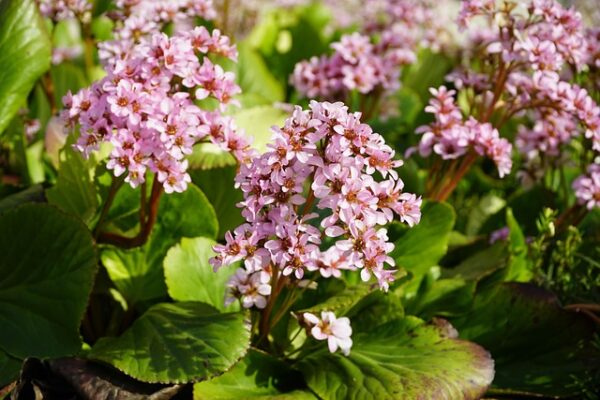
Bergenia, commonly called Elephant’s Ears, is a striking perennial known for its large glossy leaves and charming clusters of pink, white, or purple flowers. Loved for its year-round beauty, this hardy plant thrives even in cooler climates. Whether you’re new to gardening or experienced, these 20 Bergenia care tips will help you grow vibrant, healthy plants that bloom beautifully.
If you’re looking to add a touch of evergreen charm to your garden, Bergenia is the perfect choice. Known for its glossy leaves and beautiful pink blooms, this hardy perennial can thrive in almost any condition. But to ensure your Bergenia stays lush and vibrant year-round, it needs the right care and attention for steady, healthy growth.
🌱 Understanding Bergenia Plants
Bergenia originated in Central Asia, where it grows naturally in rocky, shaded mountain regions. Its thick, leathery leaves can survive frost, while its blooms add color during spring and early summer. With varieties like Bergenia cordifolia and Winter Glow, it’s ideal for adding texture to borders, rock gardens, and shaded corners. Bergenia is both resilient and ornamental.
🌼 20 Best Bergenia Care Tips for Healthy Growth
🪴 Soil & Planting
1. Choose well-draining, rich soil:
Bergenia performs best in fertile, well-draining soil that remains slightly moist. Heavy or clay-rich soil traps water, leading to root rot. To improve texture and airflow, mix compost or sand before planting. This promotes stronger roots, faster growth, and lush green foliage throughout the year.
2. Maintain slightly acidic to neutral pH (6.0–7.0):
Soil pH plays a big role in Bergenia’s nutrient absorption. Aim for a slightly acidic to neutral level to help the plant absorb key minerals effectively. You can test soil using a pH meter. If it’s too acidic, add garden lime; if too alkaline, enrich it with organic compost.
3. Add organic compost before planting:
Before planting, mix in rich compost or aged manure to boost soil fertility. Organic matter enhances drainage and microbial activity while maintaining steady moisture. Healthy soil sets a strong foundation for root development and ensures Bergenia receives continuous nutrients for robust flowering and leaf production.
4. Ensure proper spacing for air circulation:
When growing multiple Bergenias, space them 12–18 inches apart. This allows each plant room to spread while ensuring air can circulate freely. Proper spacing reduces fungal risks, prevents overcrowding, and helps every plant receive equal sunlight for healthier, fuller growth throughout the garden bed.
☀️ Light & Temperature
5. Provide morning sun and partial shade:
Bergenia enjoys soft morning sunlight followed by partial shade during the afternoon. This lighting balance promotes rich leaf color and steady flowering. Too much direct sun may scorch leaves, while deep shade limits blooms. For best results, plant Bergenia near east-facing walls or under light tree canopies.
6. Protect from harsh afternoon sun:
In warm regions, Bergenia needs protection from intense sunlight. Harsh afternoon rays can cause leaf burn and dehydration. Plant them in dappled light or near taller shrubs that offer natural shade. This small adjustment helps Bergenia maintain vibrant foliage and consistent moisture even during hot summers.
7. Maintain moderate temperatures:
Bergenia thrives in cool to moderate temperatures between 10°C and 25°C. It can tolerate mild frost but struggles in extreme heat. During winter, cover soil with mulch to insulate roots, and during summer, ensure adequate watering. This helps Bergenia stay strong, resilient, and evergreen throughout the seasons.
💧 Watering
8. Keep soil evenly moist but not soggy:
Bergenia avoids waterlogging but likes soil that is continuously moist. While underwatering dries the foliage, overwatering can cause root rot. Depending on the weather, give it a thorough watering once or twice a week. Enough moisture should be present to keep the roots nourished without overflowing the soil.
9. Reduce watering in winter dormancy:
When Bergenia slows growth in winter, reduce watering frequency. The plant needs less moisture during its resting phase, and too much water may cause fungal problems. Resume normal watering as soon as new growth emerges in spring. Consistent care ensures Bergenia remains healthy year-round.
10. Use mulch to retain moisture:
Mulching helps Bergenia retain essential soil moisture during hot months. Spread organic mulch such as bark chips or shredded leaves around the base, leaving space near the crown. This layer keeps roots cool, prevents weeds, and reduces evaporation, creating an ideal environment for Bergenia to flourish naturally.
🌸 Feeding & Fertilizing
11. Apply balanced fertilizer once in spring:
Feed Bergenia with a balanced 10-10-10 fertilizer at the start of spring. This provides equal parts nitrogen, phosphorus, and potassium to support strong foliage and vibrant flowers. A single spring application is often enough since Bergenia is a light feeder that thrives in moderately fertile soil.
12. Avoid over-fertilization:
Too much fertilizer can harm Bergenia’s roots and reduce flowering. Overfeeding leads to excess salt buildup in soil, damaging delicate roots. Always follow recommended dosages, and occasionally water deeply to flush out extra minerals. Healthy Bergenia growth depends more on rich soil than frequent fertilizing.
✂️ Pruning & Maintenance
13. Remove dead or damaged leaves regularly:
Pruning old, yellow, or damaged leaves improves air circulation and reduces pest buildup. Regular cleanup keeps Bergenia’s foliage neat and promotes new, glossy growth. Dispose of removed leaves away from the garden to prevent reinfection from diseases or lingering pests.
14. Cut old flower stalks after blooming:
After Bergenia finishes blooming, trim old flower stalks close to the base. This directs the plant’s energy toward developing new shoots and storing nutrients for next year’s growth. Regular deadheading also keeps the plant compact and enhances its ornamental appeal.
🌱 Propagation
15. Divide clumps every 3–4 years:
Mature Bergenia clumps benefit from division every few years to prevent overcrowding. In spring or fall, dig up the root mass, separate it gently, and replant divisions immediately. Each section should have roots and shoots attached to encourage quick establishment and renewed vigor.
16. Try root or leaf cuttings:
Bergenia can also be propagated through leaf or root cuttings. Cut a healthy leaf or root section, plant it in moist soil, and keep it shaded until new growth appears. This easy method lets gardeners multiply plants without purchasing new ones, ensuring consistent quality and savings.
🦠 Pests & Diseases
17. Watch for slugs and snails:
Slugs and snails are Bergenia’s most common pests. They chew holes in the thick leaves, especially during damp weather. Use organic barriers like crushed eggshells, diatomaceous earth, or beer traps to control them. Nighttime inspections are helpful to catch and remove them early.
18. Prevent fungal infections:
Bergenia is generally resistant to disease, but overwatering can cause mildew or leaf spot. Avoid overhead watering and maintain airflow around plants. Remove infected leaves immediately and apply organic fungicides if needed. Preventive care always works better than treatment when keeping Bergenia healthy.
🌼 Seasonal Care
19. Protect from winter frost:
Although Bergenia tolerates mild frost, it benefits from extra protection in freezing climates. Spread mulch or straw around the base to insulate the roots. This layer prevents soil freezing, helping the plant survive winter and return with lush foliage and bright blooms in spring.
20. Refresh soil and prune after flowering:
After each blooming cycle, gently loosen topsoil and mix in compost to restore nutrients. Lightly prune any old or leggy stems to encourage new, bushy growth. This post-bloom care strengthens Bergenia’s roots and prepares it for a more abundant flowering season ahead.
❌ Common Mistakes to Avoid
Many gardeners overwater Bergenia or expose it to full sunlight, which damages the leaves. Avoid planting in heavy clay soil and never let water stagnate around roots. Bergenia thrives best with moderate watering, partial shade, and nutrient-rich soil. Avoid these mistakes, and your Bergenia will reward you with years of lush greenery.
🌸 Companion Plants for Bergenia
Bergenia pairs beautifully with shade-loving plants like Hostas, Ferns, and Heucheras. These companions balance the garden visually and help maintain a healthy soil microclimate. Their contrasting leaf shapes and colors enhance Bergenia’s bright blooms, creating a stunning, natural display in any shaded garden border or landscape.
With these 20 Bergenia care secrets, you can enjoy thriving, evergreen plants that bring life to your garden all year long. Give them nutrient-rich soil, balanced light, and consistent moisture. Bergenia rewards even modest care with resilience and beauty, making it a must-have for gardeners seeking easy, long-term color and texture.
FAQs About Bergenia
1. What is Bergenia?
Bergenia is a hardy perennial plant known for its large, glossy, elephant ear–shaped leaves and beautiful clusters of pink, white, or purple blooms. Bergenia adds year-round interest to gardens with its evergreen foliage that often turns reddish in winter. This versatile Bergenia plant thrives in both sun and shade, making it a gardener’s favorite.
2. How do I grow Bergia successfully?
To grow Bergia successfully, choose a location with partial shade and well-draining soil. Bergia prefers moist but not waterlogged conditions. Enrich the soil with compost to promote healthy Bergia roots and foliage. Regular watering and occasional fertilizing ensure your Bergia produces lush leaves and abundant flowers.
3. When is the best time to plant Bergia?
The best time to plant Bergia is during spring or early autumn. Planting Bergenia in cooler weather allows its roots to establish before summer heat or winter cold. When planting, ensure the crown of the Bergia sits level with the soil surface, and water thoroughly to help it settle.
4. How often should I water Bergia?
Bergia thrives with moderate watering. Water your Bergia once or twice weekly during dry spells but avoid soggy soil. In shaded or cooler areas, Bergia requires less frequent watering. Consistent moisture supports healthy Bergia leaves and prevents leaf scorch, especially during warm summer months.
5. Does Bergia grow well in pots?
Yes, Bergia grows beautifully in pots or containers. Choose a wide, shallow pot with good drainage, and use rich, loamy soil. Container-grown Bergia can be moved easily to catch the right amount of light. Regular watering and occasional feeding will keep your Bergia healthy and blooming.
6. How do I prune Bergia?
Pruning Bergia simple. Remove any damaged, yellow, or dead leaves in early spring to keep the plant neat. After flowering, trim old flower stalks to encourage new growth. Regular pruning keeps your Bergia vibrant and prevents disease buildup around the plant base.
7. What type of soil does Bergia prefer?
Bergia prefers slightly acidic to neutral soil that drains well. Although Bergia tolerates clay or sandy soil, mixing compost or leaf mold helps improve fertility. Bergia thick roots adapt easily to various soil conditions, but rich organic soil ensures the best color and flower production.
8. How can I propagate Bergia?
Bergia can be propagated by dividing clumps in spring or fall. Carefully lift the Bergia plant, separate healthy sections with roots attached, and replant them immediately. This method helps rejuvenate old Bergia plants and expands your garden with strong, thriving new Bergia growth.
9. Is Bergia deer or pest resistant?
Bergia is generally deer-resistant and pest-free. Its thick leaves are not attractive to most insects or animals. Occasionally, slugs or snails may nibble on Bergia leaves, but they rarely cause serious damage. Bergia natural resilience makes it ideal for low-maintenance gardens.
10. How can I make my Bergia bloom more?
To encourage Bergia to bloom more, provide adequate sunlight—morning sun with afternoon shade works best. Feed your Bergia with a balanced fertilizer in spring, and remove faded flower stalks. Healthy Bergia plants with enough nutrients and moisture produce brighter, more abundant blooms each season.
11. Can Bergia tolerate cold weather?
Yes, Bergia is extremely cold-tolerant and ideal for cooler climates. Its evergreen leaves often turn bronze or red in winter, adding color to snowy gardens. Bergia ability to withstand frost makes it a perfect choice for northern gardeners seeking hardy, ornamental perennials.
12. How tall does Bergia grow?
Bergia typically grows 12 to 18 inches tall with a similar spread. The Bergia flower stalks can rise above the foliage, reaching up to 24 inches during spring bloom. Despite its compact size, Bergia bold leaves and colorful flowers make a strong visual statement in any landscape.
13. Does Bergia need fertilizer?
Bergia benefits from light fertilization in spring. Use a balanced, slow-release fertilizer to promote healthy foliage and flowering. Overfeeding Bergia may lead to excessive leaf growth and fewer blooms. Organic compost applied annually is often enough to keep your Bergia lush and strong.
14. Can Bergia be grown indoors?
While Bergia prefers outdoor conditions, it can be grown indoors in bright, indirect light. Use a roomy container and ensure good airflow around the leaves. Regular watering and light feeding will keep indoor Bergia plants healthy. However, Bergia performs best when grown outdoors.
15. Why are my Bergia leaves turning brown?
Bergia leaves can turn brown due to overwatering, poor drainage, or too much sun exposure. Check the soil moisture and adjust watering habits accordingly. Trimming damaged leaves and improving drainage usually revives the Bergia plant. Healthy Berge should have firm, glossy green or red-tinted foliage.