Feel free to share!
Table of Contents 👈 Tap Here
Mini rose plants are admired for their compact beauty and colourful blooms, making them perfect for balconies, terraces, and indoor gardens. However, many plant lovers feel disappointed when their mini rose stops flowering despite looking healthy. The truth is that blooming problems are usually caused by small care mistakes rather than serious damage. By identifying the right issue and making simple adjustments, you can restore healthy blooming and enjoy vibrant flowers throughout the growing season.
Mini Rose Plant
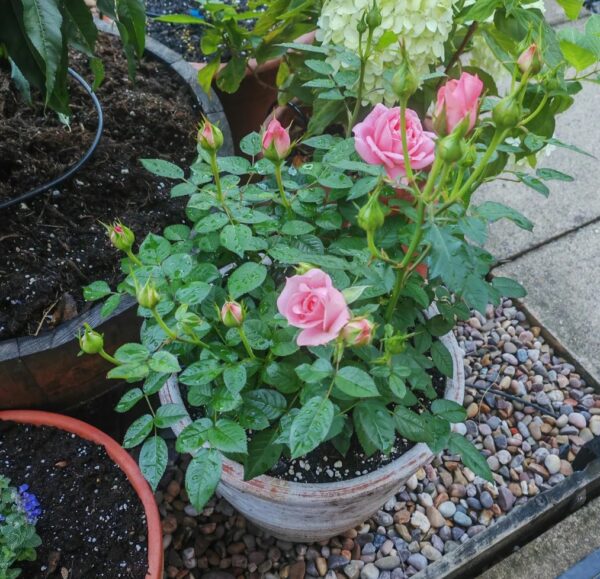
1. Not Getting Enough Sunlight
Sunlight is the most important factor for mini rose blooming. These plants thrive in bright, direct light and need several hours daily to produce buds. Without enough sunlight, they focus on leaf growth instead of flowering. Even a bright indoor space may not provide the intensity mini roses require. Many blooming issues are solved simply by increasing sun exposure.
Problem:
Healthy leaves but no flowers.
Fix:
Give 6–8 hours of direct sunlight daily, preferably outdoors or near a sunny window.
2. Overwatering Problems
Overwatering is a common mistake that weakens mini rose roots. Constantly wet soil reduces oxygen around roots, leading to poor nutrient absorption and weak flowering. Many gardeners water too frequently, thinking it helps growth, but excess moisture causes bud drop and yellow leaves. Over time, roots may rot, completely stopping blooms.
Problem:
Wet soil and yellowing leaves.
Fix:
Make sure the drainage is adequate and water only until the top inch of soil feels dry.
3. Underwatering Stress
Mini roses also suffer when they don’t get enough water. Dry soil causes stress and forces the plant into survival mode, where blooming becomes less important. You may notice drooping leaves or buds that fail to open properly. Irregular watering schedules are usually the main cause of underwatering problems.
Problem:
Dry soil and a droopy plant.
Fix:
Water deeply and consistently whenever the soil starts drying out.
4. Small Pot Size
A pot that is too small restricts root growth and limits flowering potential. When roots become crowded, they cannot absorb nutrients efficiently, reducing bloom production. Many mini roses remain in nursery pots for too long, which slows growth and reduces flowering performance.
Problem:
Root-bound plant with slow growth.
Fix:
Place the pot again in a little bigger container that has openings for drainage.
5. Poor Soil Mix
Soil quality directly affects mini rose blooming. Heavy or compact soil holds excess water and blocks airflow around roots. Over time, old soil also loses nutrients needed for flower production. Refreshing the soil mix can significantly improve plant health and encourage blooming.
Problem:
Compacted or soggy soil.
Fix:
Use a well-draining mix with compost and sand or perlite.
6. Lack of Nutrients
Mini roses require regular feeding to support blooming. Without essential nutrients, the plant may produce leaves but fail to form buds. Nutrient deficiency is common in potted plants because watering washes nutrients away over time. Proper feeding restores blooming energy quickly.
Problem:
Green growth but no buds.
Fix:
Feed with balanced fertiliser every 2–3 weeks during the growing season.
7. Too Much Nitrogen
Overabundance of nitrogen promotes green growth at the price of flowers. Even if it looks healthy and lush, the plant may not flower. Flowering cycles are delayed by the high nitrogen content of many general-purpose fertilisers. Healthy blossoming depends on an understanding of fertiliser balance.
Problem:
Bushy growth without flowers.
Fix:
Switch to a bloom fertiliser higher in phosphorus.
8. Lack of Pruning
Pruning is essential for keeping mini roses healthy and productive. Without regular trimming, the plant becomes leggy, weak, and unable to support strong blooms. Old stems drain energy that could otherwise be used to produce fresh flowering shoots. Many gardeners hesitate to prune because they fear harming the plant, but light and strategic pruning actually stimulates growth. By cutting back weak or overgrown stems, you encourage stronger branches and more abundant blooms.
Problem:
Long, weak stems and fewer blooms.
Fix:
Prune lightly and remove weak stems to promote fresh growth and bud formation.
9. No Deadheading
Deadheading is one of the simplest yet most powerful techniques to keep mini roses blooming. When faded flowers remain on the plant, it begins producing seeds instead of focusing on new buds. This naturally slows down the flowering cycle. Regularly removing spent blooms redirects the plant’s energy toward producing more flowers. Consistent deadheading not only extends the blooming season but also keeps the plant looking tidy and attractive.
Problem:
The plant blooms once, then stops.
Fix:
Remove faded flowers just above a healthy leaf node to encourage new buds.
10. Temperature Stress
Mini roses are sensitive to extreme temperature changes, and stress from heat or cold can interrupt blooming cycles. High temperatures cause buds to dry out quickly, while cold conditions slow down growth and reduce flower production. Sudden shifts between hot and cold environments are especially harmful. When stressed, plants may drop buds before they open. Maintaining stable temperatures helps mini roses stay healthy and continue blooming consistently.
Problem:
Bud drop during extreme weather.
Fix:
Keep plants in a stable, moderate environment away from temperature extremes.
11. Low Humidity Indoors
Indoor environments often lack sufficient humidity for mini roses, especially in air-conditioned or heated rooms. Dry air causes buds to dry prematurely and leaves to turn crispy at the edges. Without adequate moisture in the air, flowering becomes weak and inconsistent. This issue is very common for indoor growers who overlook humidity levels. Increasing humidity creates a more balanced environment that supports healthy bud development and longer-lasting blooms.
Problem:
Dry buds and crispy leaves.
Fix:
Increase humidity using water trays, light misting, or grouping plants together.
12. Pest Attacks
Pests like aphids, spider mites, and thrips are common enemies of mini roses. These tiny insects suck sap from leaves and stems, weakening the plant over time. As the infestation grows, buds become damaged and may fall off before blooming. Because pests are small, many gardeners don’t notice them until flowering stops. Regular inspection is important to catch infestations early and prevent long-term damage.
Problem:
Sticky leaves or tiny insects.
Fix:
Spray neem oil or mild soap solution weekly until pests disappear.
13. Fungal Infections
Fungal diseases such as powdery mildew and black spot can severely reduce blooming in mini roses. These infections thrive in humid conditions and spread quickly if not treated early. Affected plants lose energy fighting disease instead of producing flowers. You may notice white powdery patches or dark spots on leaves. Proper care and early treatment help prevent fungal infections from becoming severe.
Problem:
White coating or dark spots on leaves.
Fix:
Remove affected leaves and use antifungal treatments regularly.
14. Repotting Shock
Mini roses often stop blooming temporarily after repotting, which is a completely normal response. During this phase, the plant redirects energy toward establishing new roots in fresh soil. This adjustment period may last several weeks, depending on plant health and environmental conditions. Many gardeners worry unnecessarily, but patience is key during recovery. Providing stable care helps the plant bounce back faster.
Problem:
No blooms after repotting.
Fix:
Allow recovery time and avoid heavy fertilising for a few weeks.
15. Poor Indoor Placement
Mini roses need bright light to bloom, and poor indoor placement can limit their flowering ability. Keeping them far from windows reduces sunlight exposure significantly. Even rooms that appear bright may not provide the intensity needed for flower production. Over time, plants placed in dim corners become weak and stop blooming altogether. Proper positioning makes a major difference in indoor blooming success.
Problem:
Plant kept in dim indoor corners.
Fix:
Move closer to a sunny window or place outdoors when possible.
16. Lack of Air Circulation
Good airflow is often overlooked but plays an important role in mini rose health. Poor air circulation encourages fungal diseases and weak growth, both of which affect blooming. Stagnant air creates a humid environment where pests and infections thrive. Plants kept in crowded or enclosed spaces are especially vulnerable. Improving airflow keeps leaves dry and supports stronger flowering cycles.
Problem:
Weak growth and fungal issues.
Fix:
Ensure proper spacing and allow fresh air to circulate around the plant.
17. Dormancy Period
Mini roses naturally enter dormancy during colder months, which causes blooming to slow down or stop completely. This resting phase is part of the plant’s life cycle and helps it conserve energy for future growth. Many plant owners mistake dormancy for poor health and try to fix something that isn’t broken. Understanding dormancy prevents unnecessary stress and overcare.
Problem:
No flowers in winter.
Fix:
Maintain basic care and wait for warmer seasons for blooming to resume.
18. Old Plant Age
As mini roses age, their blooming frequency may reduce due to declining vigour. Older plants often produce fewer buds and slower growth compared to younger ones. However, this doesn’t mean the plant is beyond recovery. With proper rejuvenation care, older mini roses can regain strength and bloom again. Regular maintenance helps extend the plant’s productive lifespan.
Problem:
Reduced blooming over time.
Fix:
Prune deeply and refresh soil to encourage new growth.
19. Inconsistent Care Routine
Mini roses thrive on consistency, and irregular care routines can confuse the plant. Sudden changes in watering, feeding, or sunlight disrupt blooming cycles. For example, overwatering one week and neglecting the next stresses the plant significantly. Inconsistent care often leads to unpredictable flowering patterns. Stability is key for maintaining continuous blooms.
Problem:
Unpredictable blooming.
Fix:
Follow a steady watering, feeding, and sunlight schedule.
20. Lack of Bloom Boosters
Sometimes mini roses need an extra push to restart blooming. Even healthy plants may slow down if they lack proper nutrients or sunlight balance. Small improvements in care can trigger new bud formation quickly. Bloom boosters, when used correctly, help direct energy toward flower production instead of leafy growth.
Problem:
Slow blooming despite basic care.
Fix:
Use bloom fertiliser, increase sunlight, and prune lightly for faster results.
Conclusion
A mini rose plant that refuses to bloom is usually responding to small care imbalances rather than serious damage. By improving sunlight, watering habits, soil quality, and feeding routines, most blooming problems can be solved easily. Mini roses are resilient plants that respond quickly to proper care. With patience and consistent attention, your plant will reward you with continuous, colourful blooms that enhance the beauty of your home or garden.
FAQS
1. How often should I water a mini rose plant?
A mini rose plant needs consistent watering to stay healthy and produce vibrant blooms. Water the mini rose plant when the top inch of soil feels dry, ensuring the pot drains well to prevent root rot. During hotter months, a mini rose plant may need more frequent watering, especially if kept outdoors or near sunny windows.
2. Why is my mini rose plant not blooming properly?
If your mini rose plant is not blooming, it may lack sunlight, nutrients, or proper pruning. A mini rose plant needs at least 5–6 hours of sunlight daily and regular feeding with a balanced fertiliser. Deadheading faded flowers and trimming weak stems can help your mini rose plant redirect energy into producing fresh, colourful blooms
.5. How much sunlight does a mini rose plant need daily?
A mini rose plant requires at least 5–6 hours of direct sunlight each day to grow well and produce blooms. Without enough light, a mini rose plant may become leggy and stop flowering. Placing your mini rose plant on a sunny balcony, terrace, or bright window helps maintain compact growth and vibrant flowers.
6. How do I fertilise a mini rose plant properly?
Feeding a mini rose plant regularly helps it stay healthy and bloom continuously. Use a balanced liquid fertiliser every 2–3 weeks during the growing season. Organic options like vermicompost or seaweed extract also work well. Proper feeding ensures your Mini Rose Plant develops strong stems, lush leaves, and long-lasting flowers.
7. Why are the leaves of my mini rose plant turning yellow?
Yellow leaves on a mini rose plant may indicate overwatering, poor drainage, or nutrient deficiency. Check if the soil stays soggy, as this can harm roots. Adjust watering habits and provide balanced fertiliser to restore health. With proper care, your mini rose plant can regain its green foliage and healthy appearance.
8. Should I prune a mini rose plant regularly?
Yes, pruning is important for maintaining the shape and productivity of a mini rose plant. Light trimming encourages new growth and more blooms. Remove dead or weak stems and faded flowers to keep your mini rose plant compact and vibrant. Regular pruning also improves airflow, reducing the chances of pests and diseases.
9. Can a mini rose plant survive in hot climates?
A mini rose plant can survive in hot climates if given proper care and protection. Provide partial shade during intense afternoon heat and ensure regular watering. Mulching helps retain moisture and protect roots. With the right environment, a mini rose plant can continue blooming even in warm regions.
10. How long does a mini rose plant live?
With proper care, a mini rose plant can live for several years and continue producing blooms season after season. Regular pruning, feeding, and repotting help extend the lifespan of a mini rose plant. Healthy maintenance ensures your Mini Rose Plant stays productive and visually appealing for a long time.
11. Can I grow a mini rose plant from cuttings?
Yes, a mini rose plant can be propagated easily from stem cuttings. Choose a healthy stem, dip it in rooting hormone, and plant it in moist soil. Keep the cutting in a warm, bright spot. With patience and care, the cutting will grow into a new mini rose plant.
12. When should I repot a mini rose plant?
Repot a mini rose plant when it outgrows its container or roots start circling the pot. This usually happens every 1–2 years. Choose a slightly larger pot with good drainage and fresh soil. Repotting gives your mini rose plant more space to grow and improves overall plant health.
13. Why are the buds of my mini rose plant falling off?
Bud drop in a mini rose plant may happen due to stress from temperature changes, lack of sunlight, or inconsistent watering. Ensure stable conditions and proper care. Keeping your mini rose plant in a bright, sheltered location with regular watering helps prevent bud loss and supports healthy blooming.
14. Does a mini rose plant attract pests?
Indeed, parasites like spider mites, aphids, and whiteflies can be drawn to a miniature rose plant. Early problem detection is aided by routine inspection. To manage pests, apply neem oil spray or a mild soap solution. Pest attacks are less likely to occur if your mini rose plant is kept clean and has adequate ventilation.
15. Can a mini rose plant grow on a balcony?
A mini rose plant grows very well on balconies if it gets enough sunlight and airflow. Choose a bright spot where the mini rose plant can receive morning or midday sun. Balcony gardening works perfectly for compact varieties, allowing your mini rose plant to bloom beautifully in small spaces.
16. How often should I deadhead a mini rose plant?
Deadheading a mini rose plant regularly encourages more blooms and keeps the plant tidy. Remove faded flowers as soon as they wilt to redirect energy into new buds. Consistent deadheading helps your mini rose plant maintain continuous flowering and a neat, attractive appearance.
17. Is a mini rose plant suitable for beginners?
Yes, a mini rose plant is suitable for beginners because it is compact and relatively easy to care for. With basic sunlight, watering, and feeding, a mini rose plant can thrive well. Beginners can enjoy beautiful blooms while learning essential gardening skills with this charming plant.
18. Can I keep a mini rose plant as a gift plant?
A mini rose plant makes an excellent gift due to its compact size and colourful blooms. It symbolises love, appreciation, and positivity. Gifting a mini rose plant is perfect for birthdays, anniversaries, or house-warming events, making it both meaningful and decorative.
19. How do I keep my mini rose plant blooming longer?
To keep a mini rose plant blooming longer, provide consistent sunlight, regular feeding, and timely deadheading. Avoid overwatering and prune lightly to encourage fresh growth. With the right care routine, your mini rose plant can produce vibrant flowers repeatedly throughout the growing season.
20. Why is my mini rose plant growing slowly?
Slow growth in a mini rose plant may result from poor soil, low light, or lack of nutrients. Check growing conditions and adjust care accordingly. Improving sunlight exposure and feeding schedules can help your mini rose plant regain steady growth and develop healthier stems and blooms.

