
Feel free to share!
Table of Contents 👈 Tap Here
Bonsai fertilisation is the key to transforming weak, slow-growing trees into lush, vibrant masterpieces. Many growers struggle with sparse leaves, weak branches, or poor flowering because they don’t follow the right fertilisation techniques. Understanding your bonsai’s nutrient needs, timing, and fertiliser type ensures strong growth and healthy foliage. These 20 secrets reveal how to master bonsai fertilisation and achieve thriving, beautiful trees.
Understanding Bonsai Nutrient Needs
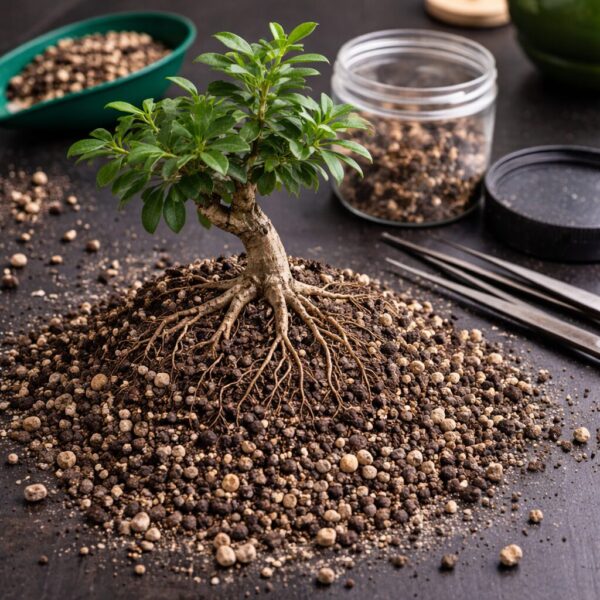
Macronutrients vs. Micronutrients: What Your Bonsai Really Needs
Proper bonsai fertilisation starts with understanding nutrients. Macronutrients like nitrogen, phosphorus, and potassium fuel leaves, roots, and flowers, while micronutrients such as iron, magnesium, and zinc prevent deficiencies. Missing nutrients can cause yellowing leaves, weak branches, or stunted growth. Applying fertilisers tailored to these needs ensures your bonsai grows healthy, strong, and vibrant year-round.
How Fertiliser Type Affects Bonsai Growth
Choosing the right fertiliser is crucial for effective bonsai fertilisation. Liquid fertilisers act fast, giving immediate nutrient support, while granular fertilisers release nutrients slowly, supporting long-term growth. Organic options enrich soil naturally, boosting microbial activity for better absorption. Selecting the proper fertiliser type helps your bonsai absorb nutrients efficiently and prevents common growth problems like weak branches or dull foliage.
Recognising Signs of Nutrient Deficiency in Bonsai
Bonsai show nutrient deficiencies through yellowing leaves, slow growth, weak branches, or poor flowering. Detecting these early signs allows you to adjust fertilisation before serious damage occurs. Using targeted bonsai fertilisation techniques ensures deficiencies are corrected promptly, keeping your tree strong and vibrant. Regular observation is essential for healthy, thriving bonsai.
Fertilisation Frequency and Timing
How Often Should You Fertilise Bonsai for Optimal Growth?
Frequency matters in bonsai fertilisation. Young bonsai need lighter, frequent feedings, while mature trees thrive with moderate, scheduled fertilisation. Overfeeding can burn roots, and underfeeding slows growth. Maintaining the right balance ensures lush foliage, strong branches, and vibrant overall health. Consistent bonsai fertilisation is the secret to long-term vitality.
Seasonal Fertilisation: Adjusting for Spring, Summer, Fall, and Winter
Bonsai nutrient needs change with the seasons. Spring requires nitrogen-rich fertilisers for leaf growth, summer maintains energy, fall prepares trees for dormancy, and winter often needs minimal feeding. Adjusting fertilisation by season prevents overfeeding and supports natural growth cycles, keeping your bonsai healthy, balanced, and thriving all year.
Avoiding Overfertilisation: How Too Much Can Harm Your Bonsai
Too much fertiliser damages roots, burns leaves, and can stunt growth. Excess salts reduce water absorption, stressing your bonsai. Proper dosage and careful observation are essential. By avoiding overfertilisation, you ensure every feeding contributes to strong growth, healthy foliage, and vibrant branches. Balanced bonsai fertilisation protects your tree from nutrient overload.
20 Best Fertilisation Secrets for Healthy Bonsai
Secrets #1–5: Techniques for Root Health
Roots are the foundation of bonsai health. Apply slow-release fertilisers evenly, water thoroughly to prevent salt buildup, and consider organic compost or root stimulants. Healthy roots absorb nutrients efficiently, support strong branches, and contribute to dense, vibrant foliage. Following these bonsai fertilisation secrets ensures robust root systems that sustain long-term growth.
Secrets #6–10: Boosting Leaf Growth and Colour
Nitrogen-rich fertilisers promote lush leaf growth, while magnesium and iron enhance colour and vibrancy. Avoid overfeeding, which can produce weak leaves. Regular bonsai fertilisation, combined with proper sunlight and pruning, leads to dense, healthy canopies that make your bonsai look strong and alive. These tips prevent common leaf problems and improve overall tree appearance.
Secrets #11–15: Encouraging Strong Branching
Phosphorus and potassium support branch strength and structural growth. Pair fertilisation with pruning to encourage multiple strong branches and prevent overgrowth. Proper bonsai fertilisation promotes balanced development, creating visually appealing shapes and healthy, resilient branches. Consistent care ensures every branch contributes to the overall strength and beauty of your bonsai.
Secrets #16–20: Promoting Flowers and Fruit
Flowering bonsai need potassium-rich fertilisers to boost blooms. Timing is critical—feed before and during flowering for vibrant, long-lasting flowers. Organic fertilisers like bone meal or seaweed extract enhance flowering naturally. Combined with water, sunlight, and root care, proper bonsai fertilisation ensures your flowering bonsai thrives and produces stunning blooms consistently.
Special Tips for Different Bonsai Types
Fertilising Tropical vs. Temperate Bonsai
Tropical bonsai grow year-round and need steady fertilisation, while temperate species require seasonal adjustments due to dormancy periods. Matching bonsai fertilisation to tree type prevents overfeeding and ensures healthy growth. Understanding these differences helps maintain vibrant foliage, strong branches, and balanced development in all bonsai varieties.
Fertilisation Tips for Flowering vs. Foliage Bonsai
Flowering bonsai need potassium and phosphorus for blooms, while foliage bonsai thrive on nitrogen-rich fertilisers. Tailoring bonsai fertilisation to your tree’s purpose enhances its health and appearance, preventing leaf discolouration, weak growth, or poor flowering. Targeted feeding ensures every bonsai reaches its full potential.
Bonsai in Pots vs. Ground: Adjusting Fertilisation Strategy
Potted bonsai have limited soil, requiring smaller, more frequent feedings. Ground-planted bonsai absorb nutrients gradually. Adjusting fertilisation strategy prevents nutrient stress, promotes balanced growth, and ensures healthy, vibrant foliage, regardless of planting method. Proper bonsai fertilisation maintains tree strength and vitality.
Common Mistakes and How to Avoid Them
Using the Wrong Fertiliser Type
Using the wrong fertiliser can stunt growth or harm roots. Bonsai fertilisation works best when you match fertiliser type to tree species and growth stage. Correct choice ensures maximum nutrient absorption, promoting dense leaves, strong branches, and vibrant blooms. Avoid generic fertilisers that fail to meet bonsai needs.
Incorrect Dosage and Frequency
Too much or too little fertiliser disrupts growth. Correct bonsai fertilisation requires precise dosages and schedules. Balanced feeding prevents leaf burn, encourages consistent growth, and strengthens branches. Observing your tree’s response ensures nutrients are absorbed efficiently and effectively.
Ignoring Soil Condition and pH
Soil quality directly impacts bonsai fertilisation success. Poor soil or incorrect pH reduces nutrient uptake, leading to weak growth or leaf discolouration. Testing and adjusting soil ensures your bonsai fully benefits from every feeding. Healthy soil maximises the effect of bonsai fertilisation techniques.
Watering Mistakes That Affect Nutrient Absorption
Overwatering washes nutrients away, while underwatering prevents absorption. Proper watering combined with correct bonsai fertilisation ensures nutrients reach roots effectively, supporting healthy leaves, strong branches, and vibrant overall growth. Balanced care avoids common bonsai stress issues.
DIY and Organic Fertilisation Tips
Homemade Fertiliser Recipes
Diluted fish emulsion, compost tea, and organic kitchen-based fertilisers nourish bonsai naturally. Homemade solutions provide gentle feeding without chemical buildup, enhancing growth, leaf colour, and overall health. Integrating DIY fertilisers complements your bonsai fertilisation routine and supports sustainable growth.
Using Compost and Natural Nutrients
Organic matter enriches soil, improves structure, and feeds beneficial microbes. Regular composting ensures a slow-release nutrient supply, boosting bonsai growth, strong roots, and vibrant foliage. Incorporating compost enhances the effects of bonsai fertilisation techniques.
Integrating Fertiliser with Pest and Disease Management
Healthy bonsai resist pests and disease better. Combining bonsai fertilisation with pruning, preventive treatments, and proper watering creates an environment that encourages growth, strengthens leaves, and reduces stress. Balanced care ensures your bonsai thrives naturally.
Conclusion
Proper bonsai fertilisation transforms weak, struggling trees into lush, vibrant masterpieces. Following these 20 secrets addresses common pain points like sparse leaves, weak branches, or poor flowering. Consistency, observation, and tailored fertilisation techniques are key. Apply these steps, monitor growth, and watch your bonsai flourish year-round with strong roots, dense foliage, and beautiful blooms.
FAQs
1. What is bonsai fertilisation, and why is it important?
Bonsai fertilisation is the process of providing essential nutrients to your bonsai trees to ensure healthy growth, vibrant leaves, and strong roots. Without proper fertilisation, bonsai can become weak, develop yellow leaves, or fail to bloom. Regular bonsai fertilisation maintains tree health and encourages balanced growth throughout the year.
2. How often should I apply bonsai fertilisation?
The frequency of bonsai fertilisation depends on the tree species, age, and season. Typically, young bonsai require more frequent, lighter feedings, while mature bonsai thrive with moderate fertilisation. Adjusting the schedule seasonally ensures your bonsai receive the right nutrients when they need them most, promoting lush foliage and strong branches.
3. What types of fertilisers are best for bonsai fertilisation?
Bonsai fertilisation can be done using liquid, granular, or organic fertilisers. Liquid fertilisers provide quick nutrient absorption, while granular fertilisers release nutrients slowly over time. Organic fertilisers enrich the soil naturally, improving root health and microbial activity. Choosing the right fertiliser type is crucial for effective bonsai fertilisation and optimal tree growth.
4. Can I use homemade fertilisers for bonsai fertilisation?
Yes, homemade fertilisers like diluted fish emulsion, compost tea, or organic kitchen-based solutions can support bonsai fertilisation. These DIY options provide gentle nutrient support, improve soil health, and encourage root development. Incorporating homemade fertilisers into your bonsai fertilisation routine promotes sustainable growth and strong, vibrant trees.
5. What are the signs that my bonsai needs fertilisation?
Signs that bonsai fertilisation is needed include yellowing leaves, weak branches, slow growth, or poor flowering. Observing your bonsai regularly allows you to detect nutrient deficiencies early. Correcting these issues with proper bonsai fertilisation ensures your tree remains healthy, resilient, and visually appealing.
6. How does season affect bonsai fertilisation?
Seasonal changes influence nutrient requirements for bonsai. In spring, nitrogen-rich fertilisers encourage leaf growth; summer maintains energy; fall prepares trees for dormancy; and winter usually requires minimal fertilisation. Adjusting bonsai fertilisation based on the season ensures optimal growth, prevents overfeeding, and supports natural development cycles.
7. Can bonsai fertilisation prevent weak roots and branches?
Yes, proper bonsai fertilisation strengthens both roots and branches. Nutrients like phosphorus and potassium support strong branch growth, while organic fertilisers enhance root development. Consistent bonsai fertilisation promotes balanced growth, dense foliage, and structural integrity, helping your bonsai remain healthy and resilient throughout the year.
8. Is overfertilisation harmful in bonsai? Fertilisation?
Overfertilisation can harm your bonsai by burning roots, causing leaf discolouration, or stunting growth. Excess salts in the soil reduce water absorption and stress the tree. Proper bonsai fer applied in recommended doses and monitored carefully, prevents nutrient overload while supporting strong growth and healthy foliage.
9. What nutrients are essential in bonsai? Fer ?
Essential nutrients for bonsai fertilisation include macronutrients like nitrogen, phosphorus, and potassium, which support leaf, root, and flower growth. Micronutrients like iron, magnesium, and zinc prevent deficiencies and enhance overall health. Correct bonsai fer ensures your tree receives a balanced mix of nutrients for vibrant growth.
10. Should bonsai fer differ for flowering and foliage trees?
Yes, flowering bonsai require potassium- and phosphorus-rich fertilisers to promote blooms, while foliage bonsai benefit from nitrogen-rich fertilisers for leaf density. Tailoring bonsai fer to the type of tree ensures optimal growth, prevents nutrient deficiencies, and supports strong, healthy development.
11. How does soil affect bonsai fer ?
Soil quality directly impacts bonsai fertilisation. Poor or unbalanced soil reduces nutrient uptake, while proper soil pH allows nutrients to be absorbed efficiently. Testing and adjusting soil conditions before fertilisation ensures your bonsai fully benefits from the nutrients applied, leading to strong roots, dense foliage, and healthy overall growth.
12. Can bonsai fer help with flowering and fruiting?
Yes, bonsai fer supports flowering and fruiting by providing potassium, phosphorus, and other essential nutrients. Feeding at the right time, before and during flowering, enhances bloom quality and fruit development. Consistent bonsai fer ensures your flowering or fruiting bonsai produces vibrant, long-lasting flowers and fruits.
13. Is organic bonsai fer better than chemical fertilisers?
Organic bonsai fer improves soil health, encourages microbial activity, and provides slow-release nutrients, making it safer for long-term tree health. While chemical fert work quickly, organic options reduce the risk of root burn and maintain soil balance. Combining both approaches can optimise bonsai fer for healthy growth.
14. How can I integrate bonsai fer with pruning and care?
Bonsai fert works best when combined with proper pruning, watering, and pest management. Fertilised trees recover faster from pruning, develop stronger branches, and maintain lush foliage. Integrating bonsai fer with overall tree care ensures balanced growth, reduces stress, and enhances the visual appeal of your bonsai.
15. Can bonsai help bonsai survive winter?
Yes, adjusting bonsai fer in winter helps trees prepare for dormancy. Using minimal, slow-release fertilisers prevents nutrient overload while maintaining root health. Proper bonsai fer during colder months supports tree resilience, prevents weak growth in spring, and ensures a healthy start to the new growing season.