
Feel free to share!
Orchids are sensitive plants, and water quality plays a major role in their growth and blooming cycle. Many orchid problems—poor blooms, weak roots, and leaf damage—are often linked to the wrong type of water. Rainwater closely mimics the natural conditions orchids experience in the wild, making it one of the safest and most effective watering options for long-term health and flowering success.
Table of Contents 👈 Tap Here
Rainwater for Orchids
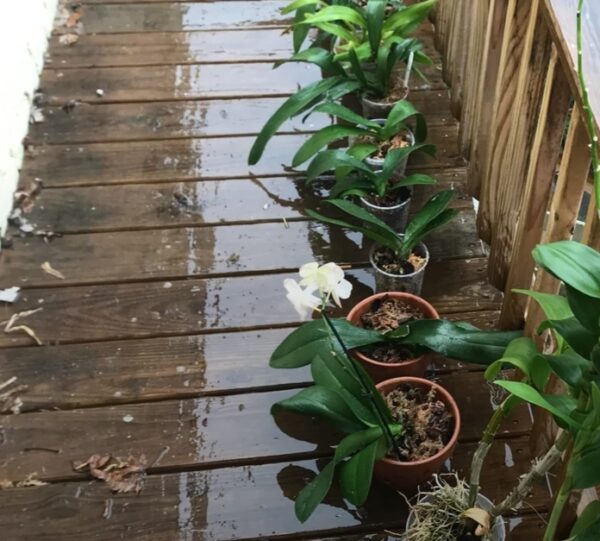
What Makes Rainwater Ideal for Orchids
Rainwater is naturally soft, free from harsh chemicals, and gentle on orchid roots. Unlike treated tap water, it does not contain chlorine, fluoride, or heavy mineral salts that can accumulate in potting media. Its slightly acidic pH supports nutrient absorption and root activity, creating an environment where orchids can grow stronger, produce more spikes, and bloom more consistently.
1. Free From Chlorine and Harmful Chemicals
Tap water often contains chlorine and disinfectants that slowly damage orchid roots. Rainwater is naturally chemical-free, allowing roots to absorb moisture without stress. This reduces root tip burn, improves hydration, and supports healthy cellular function. Over time, orchids watered with rainwater show better vigor, stronger growth patterns, and improved blooming reliability.
2. Perfect pH Balance for Orchid Roots
Most orchids prefer slightly acidic conditions, and rainwater naturally falls within this ideal pH range. This balance allows roots to absorb nutrients efficiently without blockage or toxicity. When pH is stable, orchids experience less stress, leading to stronger root systems, better leaf development, and a higher chance of producing long-lasting, vibrant blooms.
3. Prevents Salt Buildup in Potting Media
Mineral salts from tap water and fertilizers can build up in orchid pots, damaging roots over time. Rainwater helps flush out these excess salts naturally. Cleaner potting media means healthier roots, improved airflow, and reduced risk of root rot. This directly contributes to better nutrient uptake and stronger flowering performance.
4. Improves Nutrient Absorption
Rainwater allows fertilizers to work more effectively by preventing mineral interference. Orchids can absorb essential nutrients like nitrogen, potassium, and magnesium more easily when watered with pure, soft water. This leads to stronger leaves, sturdier flower spikes, and improved bloom size and color throughout the flowering season.
5. Promotes Strong Root Growth
Healthy roots are the foundation of successful orchid care. Rainwater encourages active root growth by keeping roots hydrated without chemical stress. Strong roots anchor the plant better, absorb nutrients efficiently, and store energy needed for flowering. Orchids with healthy roots are more resilient and bloom more frequently.
6. Encourages More Flower Spikes
Consistent watering with rainwater reduces plant stress, allowing orchids to focus energy on flower production. Healthy roots and balanced nutrition stimulate spike initiation. Over time, orchids may produce more spikes per season, resulting in fuller displays and extended blooming periods.
7. Enhances Bloom Size and Color
Rainwater supports better nutrient delivery, which directly affects bloom quality. Flowers often appear larger, brighter, and more vibrant when orchids are watered with clean, mineral-free water. Improved hydration and nutrition allow petals to develop fully, enhancing the overall visual appeal of the plant.
8. Reduces Risk of Root Burn
Hard water minerals can cause root burn and tissue damage. Rainwater eliminates this risk by providing gentle hydration. Roots remain plump, flexible, and functional, allowing orchids to thrive even during active growth and flowering phases without unnecessary stress.
9. Supports Healthy Leaf Growth
Leaves reflect an orchid’s overall health. Rainwater promotes firm, green leaves by improving water and nutrient balance. Reduced salt exposure prevents leaf tip browning and spotting, keeping foliage attractive and photosynthetically efficient for long-term growth.
10. Mimics Natural Orchid Habitat
In nature, orchids rely on rainwater dripping from trees and canopy surfaces. Using rainwater recreates this natural environment, helping orchids behave as they would in the wild. This familiarity supports natural growth rhythms, seasonal blooming cycles, and long-term plant stability.
11. Boosts Overall Plant Immunity
Healthy hydration strengthens orchid cell structure and immune response. Rainwater reduces stress factors that weaken plants, making orchids less susceptible to pests, fungal infections, and disease. Stronger immunity results in fewer setbacks and more consistent blooming cycles.
12. Helps Orchids Recover From Stress
Orchids recovering from repotting, root damage, or environmental changes benefit greatly from rainwater. Gentle hydration supports healing and encourages new root growth. This speeds recovery and restores the plant’s ability to produce flowers without prolonged delays.
13. Prevents Mineral Overload
Tap water minerals can accumulate slowly and disrupt nutrient balance. Rainwater prevents mineral overload by providing pure hydration. This ensures orchids receive only what they need from fertilizers, maintaining a balanced and controlled feeding environment.
14. Improves Fertilizer Effectiveness
Rainwater acts as a clean carrier for orchid fertilizers. Without competing minerals, nutrients are absorbed efficiently. This maximizes fertilizer benefits while reducing the risk of overfeeding, leading to steady growth and reliable blooming.
15. Supports Beneficial Microorganisms
Healthy microorganisms in orchid media help break down nutrients and support root health. Rainwater encourages beneficial microbial activity by maintaining a clean and balanced environment. These microorganisms improve nutrient availability and root resilience over time.
16. Improves Moisture Retention
Rainwater helps potting media retain moisture evenly without compacting. Consistent moisture levels reduce dehydration stress and prevent sudden drying. Balanced hydration supports steady growth and reduces bloom drop during flowering periods.
17. Prevents Leaf Tip Damage
Leaf tip browning is often caused by salt buildup. Rainwater minimizes this issue by keeping mineral levels low. Healthier leaves improve photosynthesis, which fuels energy production needed for blooming and growth.
18 Ideal for Sensitive Orchid Varieties
Delicate orchids such as Phalaenopsis and Paphiopedilum respond especially well to rainwater. These varieties are sensitive to mineral content and chemicals. Rainwater provides gentle care, reducing stress and encouraging consistent flowering.
19. Environmentally Friendly and Sustainable
Using rainwater reduces dependence on treated water and lowers environmental impact. It is a sustainable, eco-friendly choice that benefits both orchids and the planet. Responsible gardening practices also build trust with environmentally conscious readers.
20. Cost-Free and Easily Available
Rainwater is free, accessible, and simple to collect. With minimal equipment, orchid growers can provide premium-quality water without ongoing costs. This makes rainwater one of the most practical and effective solutions for healthier orchids and better blooms.
How to Collect and Store Rainwater Safely
Use clean containers such as food-grade plastic or covered barrels. Avoid collecting initial roof runoff, which may contain debris. Store rainwater in a shaded area and use it within a few weeks to prevent stagnation and contamination.
How to Use Rainwater for Orchids
Water orchids in the morning to allow excess moisture to evaporate. Use rainwater consistently, especially during active growth. When fertilizing, dilute nutrients properly and flush pots occasionally to maintain a clean root environment.
Rainwater vs Tap Water for Orchids
Rainwater is softer, cleaner, and closer to natural conditions than tap water. Tap water may be acceptable if properly treated, but rainwater offers fewer risks. Orchids often show improved growth and blooming when switched to rainwater long-term.
Final Thoughts
Rainwater is one of the simplest yet most powerful tools for improving orchid health and blooms. By reducing chemical stress, improving nutrient absorption, and mimicking natural conditions, it helps orchids thrive. With proper collection and use, rainwater can transform your orchid care results dramatically.
FAQS
1. What is rainwater and why is it good for orchids?
Rainwater for Orchids is naturally soft water collected from rainfall, free from chlorine, salts, and heavy minerals. Orchids evolved in rain-rich environments, so this water closely mimics their natural hydration source. Using it supports healthier roots, improved nutrient absorption, and more consistent flowering cycles over time.
2. How does rainwater improve orchid blooming?
Rainwater for Orchids helps blooms by reducing mineral buildup that blocks nutrient uptake. Its slightly acidic nature encourages efficient absorption of essential elements like nitrogen and potassium. This balance supports stronger flower spikes, longer bloom duration, and more vibrant colors compared to orchids watered regularly with hard tap water.
3. Is rainwater safer than tap water for orchids?
Rainwater for Orchids is often safer because it lacks chlorine, fluoride, and dissolved salts commonly found in tap water. These chemicals can stress orchid roots and slow growth. Clean rainwater reduces the risk of root burn and salt accumulation, especially for sensitive orchid varieties like Phalaenopsis and Cattleya.
4. Can rainwater help prevent root damage in orchids?
Rainwater for Orchids helps protect roots by preventing salt buildup in the growing medium. Excess salts from tap water can cause root dehydration and rot over time. Rainwater flushes the medium gently, keeping roots hydrated, active, and capable of absorbing oxygen and nutrients efficiently.
5. Does rainwater affect orchid leaf health?
Rainwater for Orchids supports healthier leaves by improving overall hydration and reducing chemical stress. Orchids watered with rainwater often show glossier leaves, better turgor, and fewer signs of leaf tip burn. Proper hydration also supports photosynthesis, which directly impacts growth strength and flowering potential.
6. How should rainwater be collected for orchid use?
Rainwater for Orchids should be collected in clean, food-grade containers placed away from polluted rooftops. Always discard the first rainfall to reduce contaminants. Store the water in covered containers to prevent algae or mosquito breeding, and use it within a few days for best freshness.
7. Can rainwater replace fertilizer for orchids?
Rainwater for Orchids does not replace fertilizer, but it enhances fertilizer efficiency. While rainwater contains trace nutrients, orchids still need balanced feeding. Using rainwater allows fertilizers to work more effectively by preventing chemical interactions that reduce nutrient availability, resulting in stronger growth and healthier blooms.
8. Is rainwater suitable for all orchid types?
Rainwater for Orchids is suitable for most orchid species, including epiphytic and terrestrial types. Tropical orchids particularly benefit because rainwater closely matches their native environment. However, growers should still monitor pH and cleanliness to ensure optimal conditions for specific orchid varieties.
9. How often should orchids be watered with rainwater?
Rainwater for Orchids should be used according to the plant’s watering needs, not on a fixed schedule. Most orchids prefer watering when the medium is nearly dry. Using rainwater regularly maintains consistent moisture without mineral stress, supporting steady growth and reliable flowering patterns.
10. Are there any risks to using rainwater for orchids?
Rainwater for Orchids is generally safe, but risks include contamination from polluted air or dirty collection surfaces. Always use clean containers and avoid stagnant water. Proper collection and storage ensure rainwater remains a beneficial, natural resource rather than a potential source of pathogens.