Feel free to share!
Reducing the size of bonsai leaves is an essential skill for anyone who wants their miniature tree to look realistic and well-proportioned. Smaller leaves improve the overall aesthetics of the bonsai, making it appear mature and natural. This process also ensures better light penetration, improves airflow between branches, and promotes a healthier, more balanced tree. By using pruning, feeding, and environmental techniques together, leaf size can be effectively managed.
Table of Contents 👈 Tap Here
Bonsai Leaf Reduction
1. Regular Leaf Pruning
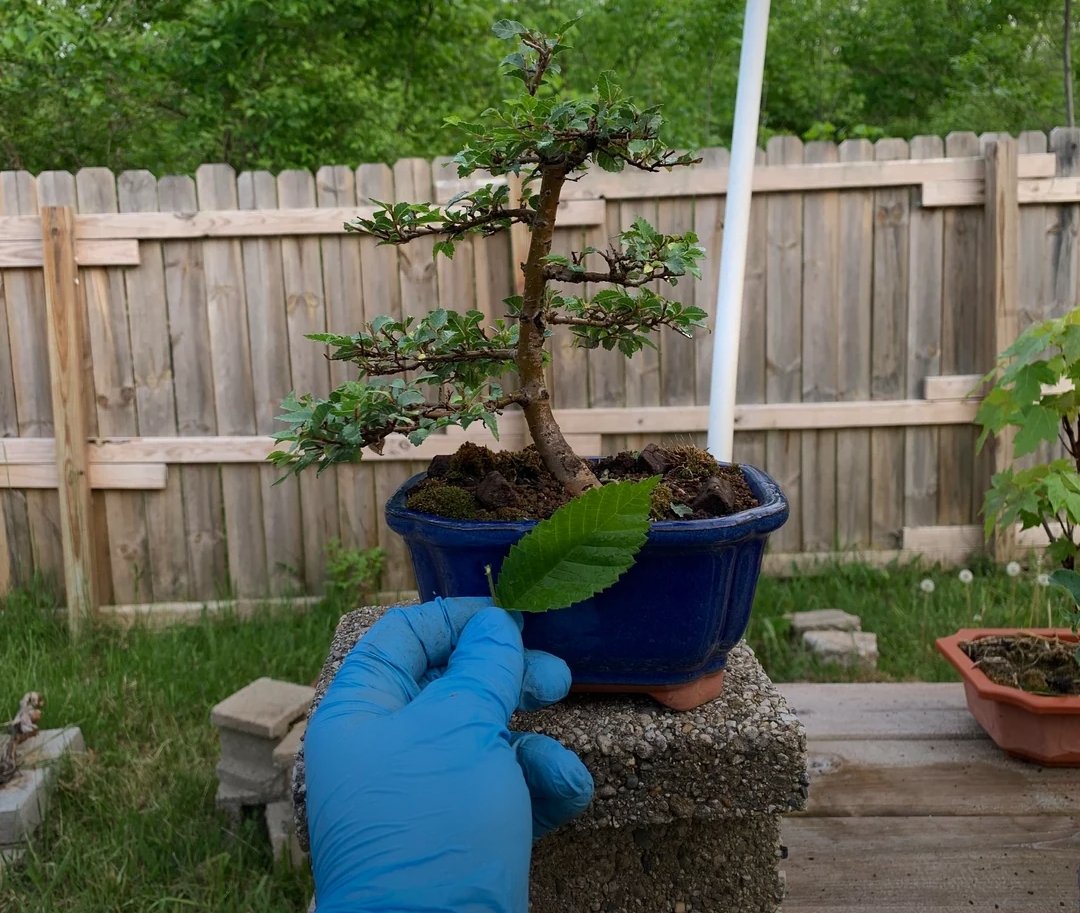
Leaf pruning is one of the simplest and most effective ways to reduce leaf size. By trimming larger leaves, the bonsai tree redirects energy to growing smaller, more compact foliage. It is important to only remove a few leaves at a time to avoid stressing the tree. Use sharp, clean scissors to ensure smooth cuts and prevent infections or damage.
2. Pinching New Growth
Pinching involves carefully removing soft, young shoots with your fingers. This method prevents the growth of oversized leaves and encourages compact, dense branching. Pinching works best during active growth periods in spring and summer. Regular pinching promotes uniform leaf size, strengthens the structure of the bonsai, and helps maintain the aesthetic balance that makes miniature trees look like mature full-sized versions.
3. Root Pruning
Root pruning is a crucial step in controlling leaf size because it limits the tree’s access to nutrients and water, naturally reducing the size of new leaves. During repotting, carefully trim back roots without removing too much to avoid shocking the tree. Healthy root pruning stimulates balanced growth above ground, encourages smaller foliage, and helps maintain the overall miniature appearance of your bonsai.
4. Use of Fertilizers
The type of fertilizer used has a direct impact on leaf size. High-nitrogen fertilizers often encourage large leaf growth, while balanced or low-nitrogen options help produce smaller, more controlled foliage. Understanding your bonsai species’ nutritional requirements and adjusting fertilizer type and quantity ensures healthy growth without oversized leaves, supporting compact development and maintaining the desired miniature aesthetic.
5. Sunlight Management
Light exposure plays a vital role in leaf size. Bonsai trees grown in full sun naturally develop smaller leaves compared to trees grown in shaded areas. For indoor bonsai, placing them near bright windows or using artificial grow lights ensures sufficient light exposure. Proper sunlight management prevents overly large leaves, encourages healthy photosynthesis, and helps the tree maintain proportionate, visually pleasing foliage.
6. Defoliation Techniques
Defoliation involves removing all or most of the leaves during a growing season. This method forces the tree to produce new leaves that are smaller and more uniform. It works best on healthy, strong species like maples. While highly effective, defoliation must be done carefully to avoid stress. It rejuvenates growth, encourages compact foliage, and improves branch visibility, enhancing the overall bonsai design.
7. Water Control
Overwatering can inadvertently cause leaves to grow larger than desired. By carefully managing watering schedules and allowing the soil to dry slightly between waterings, bonsai trees naturally produce smaller leaves. Proper water management also prevents root rot, promotes a balanced distribution of nutrients, and maintains the overall health of the tree while encouraging compact, proportionate foliage development.
8. Prune Long Shoots
Some shoots grow faster than others and produce disproportionately large leaves. Regularly pruning these long shoots ensures that energy is redirected to the rest of the tree, promoting smaller, more uniform leaf growth. This method also strengthens the tree’s structure, maintains visual balance, and prevents overcrowding of branches, which can result in uneven leaf sizes and an unnatural appearance.
9. Choose Suitable Species
Selecting bonsai species that naturally produce smaller leaves simplifies leaf reduction efforts. Japanese maples, elms, and some ficus varieties are excellent choices for beginners and experienced bonsai enthusiasts alike. Choosing the right species ensures proportional growth, minimizes the need for excessive pruning, and allows for easier management of leaf size, creating a more aesthetically pleasing and realistic miniature tree.
10. Wiring and Branch Selection
Wiring helps shape the branches and control energy distribution within the tree, indirectly influencing leaf size. Proper wiring techniques focus the tree’s growth on key areas, encouraging smaller, healthier foliage. Strategic branch selection ensures that energy is not wasted on weak or unnecessary branches, which promotes consistent leaf size and enhances the overall balance, proportion, and beauty of the bonsai.
11. Seasonal Adjustments
Leaf size can vary depending on the season. During late summer or early autumn, reducing fertilizer and adjusting watering can limit large leaf growth. Seasonal pruning and leaf management are important to maintain smaller foliage and prevent oversized leaves. By observing seasonal growth patterns, you can anticipate changes, plan interventions, and maintain a healthy bonsai with proportionate, visually appealing leaves year-round.
12. Use of Growth Retardants
Some bonsai enthusiasts use safe, species-specific growth retardants to control excessive leaf growth. These compounds slow down growth slightly, resulting in smaller leaves. It is crucial to use growth retardants sparingly and according to species guidelines to avoid harming the tree. When applied correctly, they can be a valuable tool in maintaining compact foliage and overall tree health.
13. Stress Techniques
Mild stress techniques, such as root restriction, controlled pruning, or partial defoliation, can encourage smaller leaves. Stress must be applied carefully to prevent harming the bonsai. When done correctly, it helps the tree focus its energy on producing proportionate foliage and encourages more compact growth. Monitoring the tree’s response is essential to maintain health while achieving smaller leaf size.
14. Soil Selection
The type of soil used significantly affects leaf size. Bonsai-specific, well-draining soil prevents overgrowth, while dense or overly fertile soil can encourage large leaves. Proper soil composition ensures that roots receive adequate nutrients without excessive vigor. Balanced soil helps control leaf size, supports healthy root development, and maintains the tree’s miniature proportions effectively over time.
15. Consistent Maintenance
Consistent care is key to keeping leaves small and healthy. Regular pruning, pinching, defoliation, and branch trimming throughout the year prevent leaves from growing too large. Establishing a maintenance schedule tailored to your bonsai species promotes steady, proportionate growth. Consistency in these practices ensures the bonsai remains balanced, aesthetically pleasing, and visually realistic.
16. Branch Selection During Pruning
Choosing which branches to prune affects leaf size and overall tree energy distribution. Removing weak, competing, or unnecessary branches ensures that energy is concentrated on the main branches, promoting smaller and healthier leaves. Proper branch selection enhances structural balance, reduces leaf overcrowding, and maintains proportional foliage, contributing to the natural appearance of your bonsai.
17. Leaf Positioning
Leaves that receive more sunlight tend to stay smaller and healthier. Trim overlapping or crowded leaves to improve light penetration, which indirectly reduces excessive leaf growth. Ensuring proper leaf positioning supports photosynthesis, encourages compact foliage, and strengthens the overall structure of the bonsai, enhancing both its health and visual appeal over time.
18. Avoid Overcrowding
Too many branches in one area can cause the tree to produce larger leaves as it struggles to photosynthesize efficiently. By pruning and spacing branches appropriately, energy is distributed evenly, and leaves remain proportionate. Avoiding overcrowding not only reduces leaf size but also improves airflow, light penetration, and overall bonsai health and appearance.
19. Patience and Observation
Leaf reduction is a gradual process that requires careful observation and patience. Monitor your bonsai’s growth patterns and adjust pruning, watering, and fertilization accordingly. Sudden or excessive interventions can stress the tree. Patience allows the bonsai to develop naturally, producing smaller, uniform leaves while maintaining vitality and structural balance over the long term.
20. Combine Techniques for Best Results
No single method guarantees perfect leaf reduction. Combining defoliation, pruning, root control, sunlight management, and proper fertilization produces the most effective and sustainable results. Using multiple techniques ensures healthier growth, smaller leaves, and improved aesthetics. Observing and adjusting these methods based on species and season allows you to achieve long-lasting, naturally proportionate foliage.
FAQS
1. What is Bonsai Leaf Reduction and why is it important?
Bonsai Leaf Reduction is the process of encouraging a bonsai tree to produce smaller, more proportionate leaves that match the miniature size of the tree. It is important because large leaves can ruin the visual balance of a bonsai. Smaller leaves improve realism, branch definition, and overall aesthetic appeal.
2. How does Bonsai Leaf Reduction work naturally?
Bonsai Leaf Reduction works by controlling growth through pruning, wiring, watering, and nutrient management. When a tree’s energy is carefully redirected, it produces finer shoots and smaller leaves. Over time, repeated techniques train the bonsai to maintain compact foliage without harming its natural growth cycle
3. Which bonsai species respond best to Bonsai Leaf Reduction?
Bonsai Leaf Reduction is most effective on deciduous and tropical species such as maple, ficus, elm, and Chinese banyan. These trees naturally back-bud and tolerate pruning well. Evergreen species can also reduce leaf size, but the process is slower and requires more patience and precise care.
4. Is defoliation necessary for Bonsai Leaf Reduction?
Defoliation is one of the most powerful tools used in Bonsai Leaf Reduction, but it is not always necessary. Partial defoliation or selective leaf trimming can also achieve good results. Full defoliation should only be done on healthy, mature trees during the active growing season to avoid stress.
5. How long does Bonsai Leaf Reduction take to show results?
Bonsai Leaf Reduction is a gradual process, and visible results usually appear over one or two growing seasons. Some trees respond faster, especially tropical species. Consistency is key, as repeated pruning and proper care slowly train the tree to produce smaller, finer leaves year after year.
6. Can fertilizer affect Bonsai Leaf Reduction?
Yes, fertilizer plays a major role in Bonsai Leaf Reduction. High-nitrogen fertilizers promote large leaf growth, which works against reduction goals. Using balanced or low-nitrogen fertilizers helps control vigor while supporting healthy growth. Proper feeding ensures the tree remains strong without encouraging oversized leaves.
7. Does pot size influence Bonsai Leaf Reduction?
Pot size directly affects Bonsai Leaf Reduction because restricted root space limits excessive growth. A correctly sized bonsai pot reduces water and nutrient uptake, which naturally leads to smaller leaves. However, the pot should never be too small, as extreme restriction can weaken the tree over time.
8. Can beginners safely practice Bonsai Leaf Reduction?
Beginners can practice Bonsai Leaf Reduction safely by starting with light pruning and avoiding full defoliation. Understanding the tree species, season, and health is essential. With patience and careful observation, beginners can gradually learn techniques that reduce leaf size without risking damage to the bonsai.
9. What mistakes should be avoided during Bonsai Leaf Reduction?
Common mistakes during Bonsai Leaf Reduction include over-pruning, defoliating weak trees, and excessive fertilization. Ignoring seasonal timing can also stress the bonsai. These errors may cause leaf burn, poor recovery, or branch dieback. Proper planning and gradual techniques lead to healthier, long-term results.
10. Does Bonsai Leaf Reduction harm the tree?
When done correctly, Bonsai Leaf Reduction does not harm the tree and actually improves its structure and health. Problems occur only when techniques are rushed or applied to unhealthy bonsai. Following proper timing, balanced nutrition, and adequate aftercare ensures the tree remains strong and visually refined.