Feel free to share!
Juniper Bonsai is one of the most loved bonsai trees worldwide due to its hardy nature and timeless beauty. Suitable for both beginners and experienced growers, it responds well to proper care and styling. This guide shares 20 expert-backed tips that focus on healthy growth, long-term maintenance, and stunning visual appeal.
Table of Contents 👈 Tap Here
1. Understanding Juniper Bonsai Basics
Juniper Bonsai belongs to the cypress family and is naturally an outdoor tree. It thrives in full sun and requires seasonal changes to stay healthy. Understanding its evergreen foliage, growth habits, and dormancy cycle is essential for providing correct care and avoiding common beginner mistakes.
2. Choosing the Right Juniper Bonsai Tree
Selecting a healthy Juniper Bonsai is the foundation of success. Look for vibrant green foliage, firm branches, and a strong trunk base. Avoid trees with yellowing needles or weak roots. Popular varieties like Juniperus procumbens and Juniperus chinensis are ideal for bonsai cultivation.
3. Ideal Placement for Juniper Bonsai
Juniper Bonsai grows best outdoors where it receives at least 5–6 hours of direct sunlight daily. Proper airflow prevents fungal diseases and encourages dense foliage. Seasonal adjustments, such as winter protection from frost or summer shade during extreme heat, help maintain consistent growth and health.
4. Soil Requirements for Healthy Growth
Well-draining soil is crucial for Juniper Bonsai. A mix of akadama, pumice, and lava rock provides ideal aeration and moisture control. Poor soil can cause root rot and weak growth. Always ensure pots have drainage holes to prevent waterlogging and root suffocation.
5. Watering Juniper Bonsai Correctly
Water Juniper Bonsai only when the soil surface feels slightly dry. Overwatering is a common mistake that leads to root rot, while underwatering causes needle drop. Adjust watering frequency based on season, climate, and pot size, ensuring consistent moisture without saturation.
6. Proper Fertilization Techniques
Juniper Bonsai benefits from regular feeding during the growing season. Use a balanced fertilizer every two to four weeks from spring to autumn. Organic fertilizers promote steady growth, while liquid fertilizers provide quick nutrients. Avoid fertilizing during winter dormancy to prevent stress.
7. Pruning for Shape and Health
Pruning helps maintain shape and encourages compact growth. Structural pruning should be done in early spring, while maintenance pruning can be performed throughout the growing season. Always cut back to healthy foliage and avoid removing too much at once to prevent weakening the tree.
8. Wiring Techniques for Juniper Bonsai
Wiring allows controlled shaping of branches and trunks. Apply aluminum or copper wire carefully to avoid bark damage. Juniper branches are flexible but can snap if bent too aggressively. Monitor wired areas regularly and remove wires before they cut into the bark.
9. Repotting Juniper Bonsai
Repot Juniper Bonsai every two to three years to refresh soil and encourage root health. Early spring is the best time for repotting. Gently trim excess roots, replace old soil, and provide aftercare such as shade and reduced watering to support recovery.
10. Root Care and Root Pruning
Stability and the absorption of nutrients depend on healthy roots. Root pruning during repotting helps control growth and improves fine root development. Never remove more than one-third of the root mass at a time, as excessive pruning can shock the tree.
11. Pest and Disease Management
Juniper Bonsai is generally pest-resistant but can attract spider mites, aphids, and scale insects. Regular inspection helps early detection. Use neem oil or insecticidal soap for treatment. Proper sunlight, airflow, and hygiene significantly reduce disease risks.
12. Seasonal Care Guide
Spring is ideal for pruning and fertilizing, while summer requires careful watering and sun protection. Autumn prepares the tree for dormancy, and winter demands frost protection in colder climates. Respecting seasonal needs ensures natural growth cycles and long-term vitality.
13. Styling Techniques for Stunning Appearance
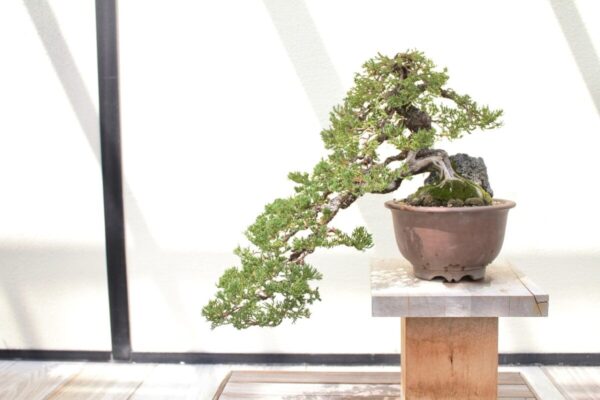
Popular Juniper Bonsai styles include informal upright, cascade, and windswept. Choose a style that complements the trunk’s natural movement. Styling should enhance the tree’s character rather than force unnatural shapes, resulting in a more mature and authentic bonsai appearance.
14. Improving Foliage Density
Dense foliage improves visual appeal and health. Regular pinching encourages compact growth and prevents leggy branches. Balanced sunlight and proper feeding play a major role. Avoid excessive pruning, as Junipers do not regenerate well from old wood.
15. Preventing Common Juniper Bonsai Problems
Yellowing or browning needles often indicate watering issues, lack of sunlight, or poor airflow. Identifying problems early prevents irreversible damage. Maintain consistent care routines and avoid sudden environmental changes that can stress the tree.
16. Growth Acceleration Tips
To promote faster yet healthy growth, ensure optimal sunlight, proper fertilization, and adequate pot size during development stages. Avoid over-pruning young trees. Controlled growth allows better trunk thickening while preserving long-term design goals.
17. Long-Term Maintenance Tips
Daily observation helps catch issues early. Weekly cleaning of dead foliage improves airflow and aesthetics. Long-term care requires patience, consistency, and adaptation to seasonal changes. Healthy Juniper Bonsai improves year after year with steady, mindful maintenance.
18. Advanced Care Techniques
Advanced techniques such as jin and shari create an aged, dramatic appearance. These should be done gradually and with proper tools. Refinement pruning and selective thinning enhance branch structure, helping achieve exhibition-quality Juniper Bonsai over time.
19. Mistakes Beginners Must Avoid
Keeping Juniper Bonsai indoors is a major mistake. Overwatering, excessive pruning, and ignoring seasonal dormancy also harm growth. Beginners should focus on learning basic care principles before attempting advanced styling techniques to avoid permanent damage.
20. Expert Tips for Long-Lasting Beauty
Successful Juniper Bonsai care requires patience, observation, and continuous learning. Allow the tree to guide your decisions by responding to its growth patterns. Long-lasting beauty comes from respecting nature while refining the tree gradually over time.
Juniper Bonsai is a rewarding tree that thrives with correct care, thoughtful styling, and seasonal awareness. By following these 20 expert tips, you can enjoy healthy growth and stunning aesthetics for years. Consistency, patience, and respect for natural growth cycles are the true secrets of bonsai mastery.
FAQS
1. How often should a juniper bonsai be watered?
Proper watering depends on climate, pot size, and soil drainage. In Juniper Bonsai care, the soil should be kept slightly moist but never soggy. Water thoroughly when the topsoil feels dry, ensuring excess water drains out. Overwatering can cause root rot, while underwatering may weaken the tree’s growth and foliage health.
2. Where should a juniper bonsai be placed?
Juniper bonsai trees thrive outdoors where they receive plenty of sunlight and fresh air. For effective Juniper Bonsai care, place the tree in a bright location with at least four to six hours of direct sunlight daily. Indoor placement for long periods can weaken the plant and reduce its natural vigor.
3. What type of soil is best for juniper bonsai?
For roots to remain healthy and oxygenated, a soil mixture that drains efficiently is necessary. In Juniper Bonsai care, growers often use a mix of akadama, pumice, and lava rock. This combination prevents water retention while supporting strong root development, helping the tree remain stable and resilient over time.
4. How often should juniper bonsai be fertilized?
Fertilization supports healthy foliage and steady growth throughout the year. As part of Juniper Bonsai care, use a balanced bonsai fertilizer every two to four weeks during the growing season. Reduce feeding in winter when growth slows. Overfertilizing should be avoided, as it may damage roots and foliage.
5. Does a juniper bonsai need pruning regularly?
Yes, regular pruning helps maintain shape and encourages dense foliage. In Juniper Bonsai care, trimming should focus on removing unwanted shoots and thinning excess growth rather than cutting like a hedge. Gentle, consistent pruning allows the tree to retain its natural form while staying compact and visually appealing.
6. Can juniper bonsai survive winter?
Juniper bonsai are hardy trees that can tolerate cold temperatures. Juniper Bonsai care during winter involves protecting roots from extreme frost by placing the pot in a sheltered outdoor area. Avoid bringing the tree indoors, as junipers require seasonal dormancy to remain healthy long term.
7. How long does a juniper bonsai live?
With proper attention, juniper bonsai can live for decades and even be passed down generations. Juniper Bonsai care plays a major role in longevity, including correct watering, pruning, sunlight, and repotting. Consistent maintenance allows the tree to mature gracefully while developing strong character.
8. When should a juniper bonsai be repotted?
Repotting is usually done every two to three years, preferably in early spring. During Juniper Bonsai care, repotting helps refresh soil, trim roots, and improve nutrient absorption. This process encourages healthy growth and prevents the roots from becoming pot-bound, which can restrict water and airflow.
9. Why is my juniper bonsai turning brown?
Browning can result from improper watering, poor sunlight, or root stress. In Juniper Bonsai care, identifying the cause early is important. Adjust watering habits, ensure good drainage, and confirm the tree is outdoors receiving enough light to prevent further damage and support recovery.
10. Is juniper bonsai suitable for beginners?
Yes, juniper bonsai is one of the most beginner-friendly species. Juniper Bonsai care is relatively forgiving, as the tree is hardy and adaptable. With basic knowledge of watering, sunlight, and pruning, beginners can successfully maintain a healthy and attractive bonsai without advanced techniques.